
Are you ready to give your cement bird bath a fresh, beautiful look that will catch the eye of every visitor? Painting your bird bath is easier than you think, and with the right steps, you can transform it into a vibrant garden centerpiece.
Imagine turning a plain, dull surface into a splash of color that attracts birds and adds charm to your outdoor space. In this guide, you’ll discover simple tips and tricks to paint your cement bird bath like a pro—no special skills needed.
Keep reading, and soon you’ll enjoy a stunning, personalized bird bath that brightens your garden and welcomes feathered friends.
Choosing The Right Paint
Choosing the right paint for your cement bird bath is key to achieving a long-lasting and beautiful finish. The paint you select affects not only the look but also the durability of your bird bath against weather and wear. Let’s break down what you need to consider to make the best choice for your project.
Types Of Paint For Cement
Not all paints are designed to stick well to cement surfaces. Look for paints that are labeled for masonry or concrete use, as these have the right adhesion and flexibility. Acrylic latex paint is a popular choice because it’s water-based, easy to clean, and breathable, which helps prevent peeling.
Epoxy paint offers a tougher, more durable finish but can be harder to apply and less breathable. Another option is elastomeric paint, which stretches with the cement to avoid cracks. Think about how often you want to repaint and how much effort you’re willing to put in.
Color Selection Tips
Bright colors can make your bird bath stand out in the garden, but they may fade faster under strong sunlight. Darker shades tend to hide dirt and stains better, but they can absorb heat and cause the cement to expand and contract more, leading to cracks.
Consider your garden’s color scheme and whether you want the bird bath to be a focal point or blend in naturally. Testing a small patch of your chosen color on the bird bath before painting the entire surface can save you from disappointment.
Weather-resistant Options
Your bird bath will face rain, sun, and possibly freezing temperatures. Paint with UV protection will help maintain color vibrancy and prevent chalking. Additionally, water-resistant paints reduce moisture absorption, which is crucial to avoid cracks during freeze-thaw cycles.
Sealing the paint with a clear waterproof sealer adds an extra layer of protection. Have you checked if your local hardware store carries paints specifically labeled for outdoor masonry use? These often combine several weather-resistant features in one product.

Credit: www.chairish.com
Preparing The Bird Bath
Preparing your cement bird bath for painting is essential to ensure the paint adheres well and lasts longer. Skipping this step can lead to peeling, uneven color, or quick wear. Taking time to prepare your bird bath properly will make your painting project much more rewarding.
Cleaning The Surface
Start by removing dirt, algae, and any loose debris from the bird bath. Use a stiff brush and a mixture of water and mild detergent to scrub the surface thoroughly.
Rinse with clean water and allow it to dry completely. Have you noticed how even a little grime can affect paint adhesion? Cleaning well prevents this problem.
Repairing Cracks And Chips
Check your bird bath carefully for cracks or small chips. Use a patching compound suitable for cement to fill in these areas.
Apply the compound with a putty knife, smoothing it out to blend with the surface. Let it dry fully before moving on. Fixing these flaws now means your paint job will look smooth and professional.
Sanding For Smooth Finish
Once repairs have dried, sand the entire surface lightly using medium-grit sandpaper. This step removes rough spots and helps the paint stick better.
Wipe away sanding dust with a damp cloth. Imagine the difference between painting on a rough wall versus a smooth one—your bird bath deserves that smooth finish.
Priming The Cement
Priming the cement surface of your bird bath is a crucial step that sets the stage for a smooth, long-lasting paint job. Without a proper primer, paint may peel, chip, or fail to adhere well to the porous cement. Taking time to prime correctly ensures your bird bath looks fresh and vibrant for seasons to come.
Selecting A Suitable Primer
Not all primers are made equal, especially for cement surfaces. You want a primer specifically designed for masonry or concrete, which can seal the porous texture and create a strong base for your paint. Look for products labeled as acrylic or latex-based primers, as these offer good adhesion and durability.
Have you checked the weather forecast before buying? Some primers work better in dry conditions, so picking one suited to your climate helps avoid issues like bubbling or slow drying.
Applying Primer Evenly
Applying primer evenly is key to avoiding blotchy patches or uneven paint coverage later on. Use a high-quality brush or a roller made for rough surfaces to reach into all the crevices of the cement. Don’t rush—apply thin, consistent layers rather than thick coats that can drip or pool.
If you notice brush marks or streaks after drying, it usually means the primer was applied too thickly or unevenly. Would you rather take a little extra time now or deal with touch-ups later?
Drying Time Guidelines
Allowing the primer to dry fully before painting is essential. Most primers need at least 24 hours to cure properly, but check the product label for exact times. A well-dried primer will feel firm to the touch and resist smudging.
Rushing this step can cause your paint to peel or bubble. Patience here pays off with a durable finish that withstands outdoor elements. How often have you skipped drying time only to regret it later?
Painting Techniques
Painting a cement bird bath requires the right techniques to ensure the paint lasts long and looks smooth. Proper painting methods protect the cement from weather damage. They also enhance the bird bath’s beauty with vibrant colors. Focus on the right tools and paint application steps for best results.
Brush Vs. Spray Methods
Using a brush gives you more control over details. It works well for small areas and edges. Brushes allow careful work on curves and intricate parts. Spray painting covers large areas quickly and evenly. It helps avoid brush marks and creates a smooth finish. Choose spray for faster work and brush for precision. Both methods need clean tools and steady hands.
Layering Paint Correctly
Apply thin, even layers of paint for durability. Thick layers take longer to dry and can peel. Allow each layer to dry fully before adding the next. Multiple layers build up color and protection. Patience in layering results in a strong, lasting finish. Use light strokes to avoid clumps or uneven spots. This technique improves the paint’s resistance to cracking.
Avoiding Drips And Streaks
Hold your brush or sprayer at the right distance from the surface. Keep your hand steady and use smooth, even strokes. Avoid overloading the brush with paint to stop drips. Check the surface often and wipe away any runs immediately. Work in a well-lit area to spot streaks early. Dry conditions and proper ventilation also help paint dry evenly.
Adding Decorative Touches
Adding decorative touches transforms a plain cement bird bath into a charming garden feature. These details add personality and style. They make your bird bath stand out and feel unique.
Creative decoration also protects the surface. It helps keep the paint fresh longer. Small artistic steps can make a big difference.
Stenciling Designs
Stenciling adds neat patterns without much effort. Use simple shapes like leaves, birds, or flowers. Place the stencil on the bird bath’s surface. Dab paint over the stencil with a sponge or brush.
Choose colors that complement your garden. Let the paint dry before removing the stencil. Repeat for a balanced look around the bird bath.
Using Waterproof Sealants
Sealants protect paint from weather damage. They stop water from soaking into the cement. Apply a clear waterproof sealant after painting.
Use a brush or spray for even coverage. Let the sealant dry completely outdoors. This step extends the life of your paint job.
Creating Texture Effects
Texture adds depth and interest to the bird bath. Try sponging, splattering, or stippling paint for rough effects. Mix sand or small gravel into paint for a gritty feel.
Apply texture carefully to keep the bird bath safe for birds. Avoid sharp or rough areas where birds drink or bathe.

Credit: www.dukemanorfarm.com
Curing And Maintenance
Proper curing ensures the paint adheres well to the cement surface. Maintenance involves regular cleaning to keep the bird bath looking fresh. Use mild soap and water for cleaning to avoid damaging the painted surface.
Curing and maintaining your painted cement bird bath is crucial for ensuring its beauty and durability over time. Once you’ve transformed your drab cement structure into a vibrant garden centerpiece, the next steps are all about protecting your hard work. Let’s explore the essential practices that will keep your bird bath looking fresh and inviting.Proper Drying Time
After painting your bird bath, allowing for proper drying time is key. Typically, a minimum of 24 hours is necessary for the paint to dry completely. However, if you live in a humid area, you might need to wait up to 48 hours. Don’t rush this step; your patience will pay off. Rushing might lead to paint chipping or peeling, which can be frustrating after all your hard work.Sealing For Longevity
Once your paint has dried, applying a sealant will extend the life of your bird bath. Choose a clear, weatherproof sealant designed for outdoor use. This will protect your work from the elements, including rain and sun. Remember to apply the sealant evenly and allow it to dry thoroughly. Sealing creates a protective barrier, ensuring your vibrant colors remain intact through the seasons.Cleaning Painted Bird Bath
Regular cleaning is essential to maintain both the appearance and functionality of your bird bath. Use a gentle, non-abrasive cleaner to avoid damaging the paint. A simple mix of water and mild dish soap often does the trick. Clean your bird bath every couple of weeks, or more often if you notice algae or dirt buildup. Regular maintenance not only keeps your bird bath looking great but also provides a clean, safe environment for the birds. Have you ever considered how a simple maintenance routine can significantly extend the life of your garden decor? Taking these easy steps not only preserves your artistic effort but also enhances your outdoor space. By investing a little time in curing and maintaining, you ensure that your bird bath remains a stunning feature that birds and guests alike will enjoy.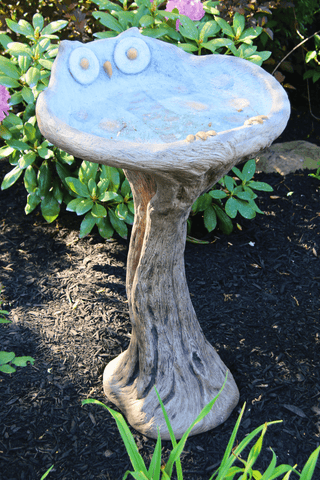
Credit: fountainful.com
Frequently Asked Questions
How Do I Prepare A Cement Bird Bath For Painting?
Clean the bird bath thoroughly to remove dirt and debris. Use mild soap and water, then let it dry completely. Sand the surface lightly to improve paint adhesion. This preparation ensures the paint sticks well and lasts longer.
What Type Of Paint Works Best On Cement Bird Baths?
Use outdoor acrylic or masonry paint for cement bird baths. These paints resist weather and water damage. They also provide vibrant colors and a durable finish. Avoid using regular indoor paint as it may peel quickly.
How Many Coats Of Paint Should I Apply?
Apply at least two coats of paint for even coverage. Allow each coat to dry fully before applying the next. Multiple coats increase durability and enhance the bird bath’s appearance. This approach ensures a smooth and long-lasting finish.
Can I Use Sealant After Painting The Bird Bath?
Yes, apply a clear outdoor sealant after painting. Sealant protects the paint from water and UV damage. It also helps prevent chipping and fading. Make sure the paint is dry before sealing for best results.
Conclusion
Painting a cement bird bath can brighten your garden space. Choose the right paint and prepare the surface well. Apply paint evenly and let it dry completely. A fresh coat protects the cement and adds charm. Regular care keeps your bird bath looking nice longer.
Enjoy watching birds visit your colorful garden feature. Simple steps bring great results and personal satisfaction. Try this easy project to enhance outdoor beauty today.




