
Have you ever wondered why a caged bird sings? It’s a simple question with a powerful answer that touches your heart and soul.
This poem isn’t just about a bird trapped behind bars—it speaks to your deepest feelings of hope, freedom, and resilience. As you read on, you’ll discover the hidden meanings and emotions that make this poem unforgettable. By the end, you’ll see why the caged bird’s song matters to you, no matter your own struggles or dreams.
Keep reading, and let the poem’s message inspire your own voice to rise.
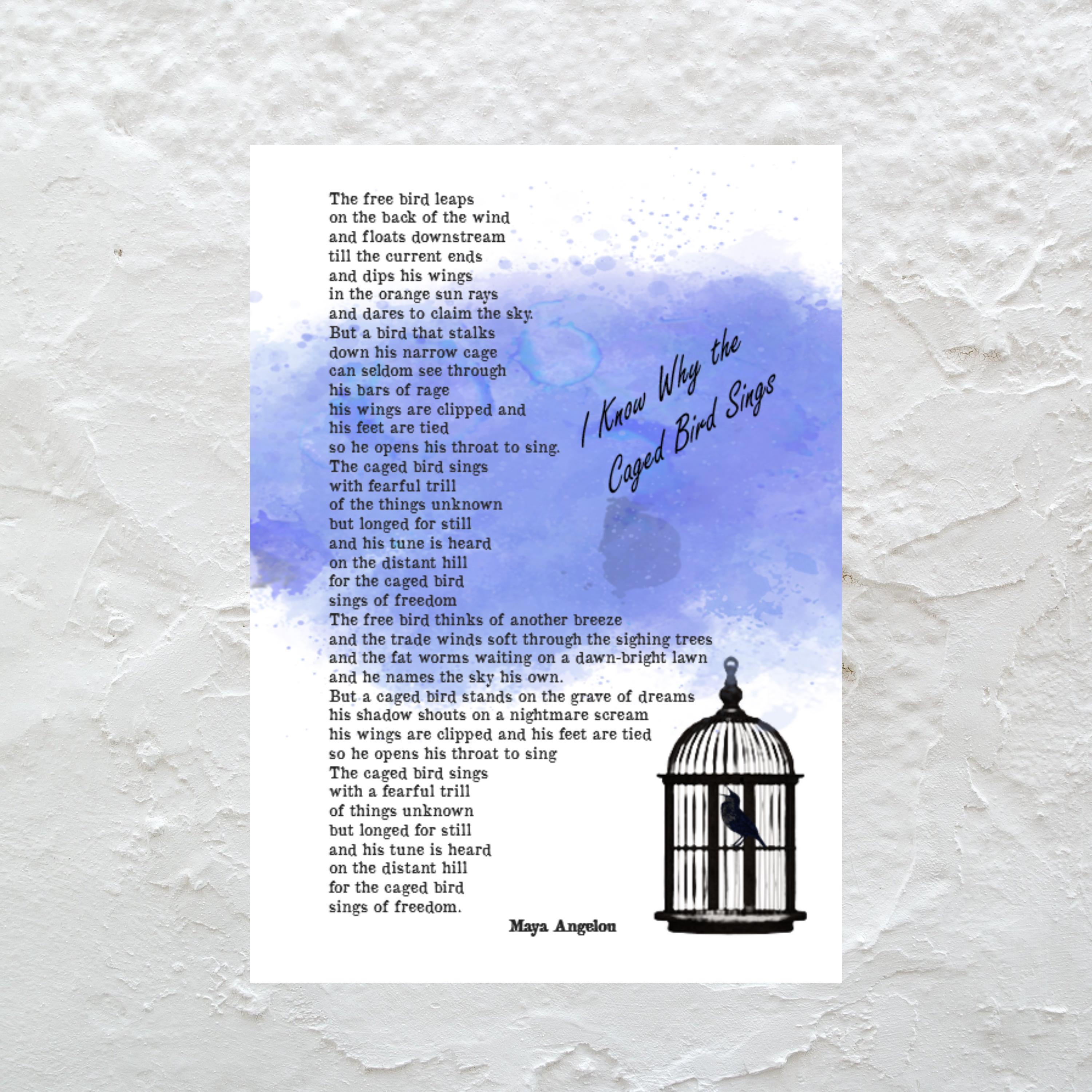
Credit: www.etsy.com
Background Of The Poem
The poem “I Know Why the Caged Bird Sings”holds deep meaning beyond its words. Understanding its background helps to grasp its powerful message. This poem speaks about freedom, pain, and hope. It reflects the struggles and strength of those who face barriers in life. The background reveals much about the author’s intentions and the world she lived in.
Author’s Life And Influence
Maya Angelou wrote this poem. She was a famous African American writer and poet. Her life was full of challenges, including racism and hardship. Angelou’s experiences shaped her writing style and themes. She used her voice to express pain and pride. Her work inspires many by showing resilience and courage.
Angelou’s childhood and youth influenced the poem’s emotions. She faced discrimination but found ways to rise above it. Her life story gives the poem a personal touch. It is a reflection of her own fight for freedom and dignity.
Historical Context
The poem was written during the Civil Rights Movement in the United States. This was a time when African Americans fought for equal rights. Many faced segregation, violence, and injustice. The poem captures this struggle for freedom and equality.
It uses the caged bird as a symbol of oppression. The free bird represents those who enjoy rights and freedom. The poem speaks to the hope that even those in hardship can sing and dream. It connects to the broader fight against racial discrimination and social inequality.
Symbolism Of The Caged Bird
The poem “Why Does the Caged Bird Sing” uses powerful symbols to show deep feelings. The caged bird is more than just a bird in a cage. It represents struggles, hope, and a strong desire for freedom. Through this symbol, the poem speaks about life, pain, and the will to overcome barriers.
Freedom Vs. Confinement
The caged bird lives behind bars, unable to fly. It shows confinement and limits placed on someone. Outside the cage, the free bird soars with ease. This contrast highlights the difference between freedom and captivity.
The cage symbolizes restrictions like fear, injustice, and oppression. The poem tells how people feel trapped by society or circumstances. It makes readers think about the importance of liberty and justice.
Voice And Expression
Even in captivity, the caged bird sings loudly. Its song is a symbol of hope and resistance. Singing is the bird’s way to express pain and dreams.
The voice shows that despite limits, one can still speak out. It represents courage to share feelings and demand change. This idea inspires readers to find their own voice.
Themes And Messages
The poem “Why Does the Caged Bird Sing” explores deep and powerful themes. It uses the image of a caged bird to express feelings and ideas. These themes connect with many readers and make the poem timeless. Understanding the themes helps us see the poem’s true message.
Hope And Resilience
The caged bird’s song shows hope despite harsh limits. It sings to keep its spirit alive. The bird’s voice is a sign of strength and courage. It reminds us to stay hopeful even in hard times. The poem teaches that hope can survive inside any prison.
Oppression And Inequality
The poem clearly shows unfair treatment and lack of freedom. The caged bird cannot fly or live freely. This image represents people who face injustice and discrimination. It highlights the pain of being trapped by others’ power. The poem calls attention to social inequality and the need for change.
Credit: www.studocu.com
Poetic Devices Used
The poem uses metaphors and repetition to show feelings of freedom and confinement. Vivid imagery helps readers picture the caged bird’s struggle and hope. These devices make the message clear and powerful.
In “Why Does the Caged Bird Sing,” Maya Angelou uses various poetic devices. These devices enrich the poem’s meaning and emotional impact. Let’s explore the key elements that make this poem unforgettable.Imagery And Metaphor
Imagery paints vivid pictures in the reader’s mind. Angelou uses strong visual elements. She describes the caged bird’s struggle for freedom. The reader can almost see the bars and feel the longing. Metaphors deepen this experience. The bird represents those trapped by oppression. This comparison gives the poem a powerful voice.Tone And Mood
The tone of the poem is both hopeful and sorrowful. Angelou’s words convey the bird’s despair. Yet, there’s a sense of resilience too. The mood shifts between sadness and hope. The caged bird’s song symbolizes this duality. It sings despite its chains. The poem evokes empathy and inspiration. These emotions linger long after reading.Impact And Legacy
The poem “Why Does the Caged Bird Sing” has left a strong mark on culture and literature. It speaks about freedom, struggle, and hope. These themes touch many people worldwide. The poem’s impact goes beyond words on a page. It has inspired change and reflection.
Cultural Significance
The poem symbolizes the fight for equality and justice. It gives a voice to those who feel trapped by society. Many see the caged bird as a symbol of oppressed people everywhere. Schools and communities use the poem to teach about human rights. Its message stays relevant across different cultures and generations.
- Represents freedom and resistance
- Highlights racial and social struggles
- Used in education to promote empathy
- Encourages awareness about injustice
Influence On Literature And Society
The poem has inspired many writers and artists. Its themes appear in books, music, and art. Writers use its imagery to express feelings of confinement and hope. Social movements have also drawn strength from its powerful message. It encourages people to speak out against unfairness.
- Influenced poets and authors worldwide
- Inspired creative works in various forms
- Motivated social activism and change
- Helped foster discussions on freedom

Credit: www.scribd.com
Frequently Asked Questions
What Is The Main Theme Of “why Does The Caged Bird Sing”?
The poem explores freedom and oppression. It contrasts the free bird’s life with the caged bird’s struggle for freedom. It symbolizes racial and social injustices faced by marginalized people.
Who Wrote The Poem “why Does The Caged Bird Sing”?
The poem was written by Maya Angelou. She was a renowned African American poet, singer, and civil rights activist. Her work highlights themes of resilience and hope.
Why Is The Caged Bird A Symbol In The Poem?
The caged bird symbolizes oppression and confinement. It represents those who face systemic barriers and lack freedom. The bird’s song is a metaphor for hope and resistance.
How Does The Poem Reflect Social Inequality?
The poem contrasts freedom and captivity to show inequality. It highlights how some live freely while others suffer restrictions. This reflects racial and social disparities in society.
Conclusion
The poem “Why Does the Caged Bird Sing” shows deep feelings of hope and pain. It tells us about freedom and being trapped. The bird’s song is a symbol of strength and dreams. Even in hard times, hope can shine bright.
This poem helps us understand the value of liberty. It reminds us to listen to those who struggle. The message stays with us long after reading. It speaks to everyone who longs to be free. A simple bird’s song can carry a powerful story.




