
Are you worried that setting up bird feeders might invite unwanted guests like mice into your yard? You’re not alone.
Many people love watching birds but hesitate because they fear attracting rodents. What if you could enjoy your feathered visitors without turning your garden into a mouse hotspot? You’ll discover the surprising truth about bird feeders and mice. Plus, you’ll learn simple tips to keep your outdoor space inviting for birds—and off-limits for mice.
Keep reading to protect your home and enjoy nature at the same time!
How Bird Feeders Attract Mice
Bird feeders are a delight for many garden lovers. They bring colorful birds close and add life to outdoor spaces. Yet, they can also attract unwanted guests like mice. Understanding how bird feeders attract mice helps manage this problem effectively.
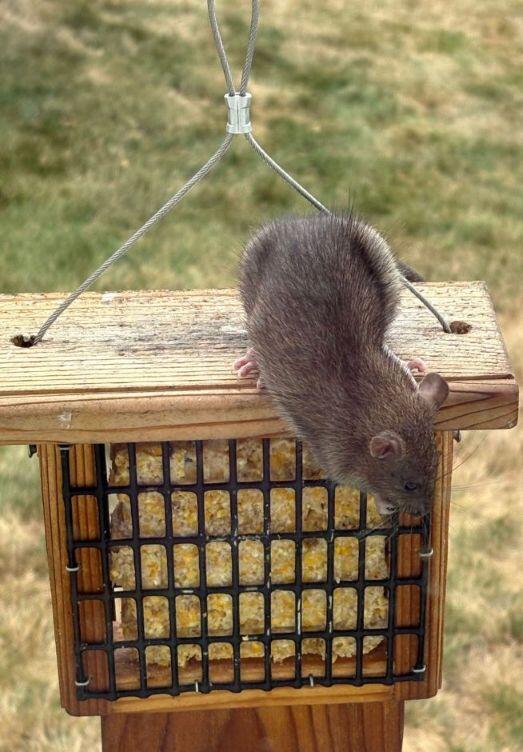
Bird feeders offer easy access to food for mice. Seeds that fall or spill on the ground become snacks for these rodents. The smell of seeds draws mice from nearby areas. Quiet and sheltered spots near feeders provide safe hideouts for them.
Types Of Seeds That Lure Mice
Some seeds attract mice more than others. These include:
- Sunflower seeds – very tasty and high in fat
- Millet – small and easy to carry
- Peanuts – rich in oils and energy
- Nyjer seeds – tiny and often spilled
Seeds with strong odors or high oil content are favorites for mice. They often pick through spilled seed piles first.
Feeder Designs That Encourage Rodents
Certain feeder styles make it easier for mice to reach seeds. Tube feeders with open bottoms allow seed to fall freely. Platform feeders hold seeds openly, inviting both birds and rodents. Feeders hung low or near walls give mice easy access.
Feeders that do not contain spilled seeds attract fewer mice. Designs with seed guards or trays help reduce waste and rodent visits.
Common Feeding Spots For Mice
Mice prefer spots close to cover and food. These include:
- Underneath feeders where seeds gather
- Near bushes or shrubs providing shelter
- Along garden edges and fences
- Inside birdhouses or nesting boxes
Quiet, hidden areas near feeders offer mice safety from predators. They return frequently if food is easy to find.
Signs Of Mice Near Feeders
Bird feeders can attract more than just birds. Mice often visit feeders to find easy food. Knowing the signs of mice near feeders helps you act fast. Early detection stops damage and keeps your yard clean.
Droppings And Tracks
Mice leave small, dark droppings around feeders. These droppings are usually about 1/4 inch long. Look for tiny footprints in dusty or muddy areas near the feeder. Tracks often show a tail drag mark between footprints. Finding droppings or tracks is a clear sign of mice activity.
Damage To Feeders And Surroundings
Mice chew on feeders to get inside. Look for small holes or bite marks on wood and plastic parts. Seeds spilled or scattered under the feeder may attract mice. Check nearby plants and wooden structures for gnaw marks. Damaged feeders need repair to prevent mice from entering.
Noises And Sightings
Listen for scratching sounds near the feeder, especially at night. Mice are active when birds are not around. Spotting a quick, small animal near the feeder is a strong sign. Watch quietly to see if mice return often. Sightings and noises confirm their presence.
Choosing Mice-resistant Feeders
Choosing mice-resistant bird feeders can make a big difference in your backyard experience. You want to enjoy watching birds without attracting unwanted critters like mice. The right feeder design can help keep rodents at bay while still providing easy access for your feathered friends.
Material And Shape Considerations
Metal feeders often deter mice better than plastic or wood because they are harder to chew through. Smooth surfaces without ledges or crevices reduce the places where mice can hide or climb. Consider feeders with rounded shapes instead of flat platforms to limit mice from gaining a foothold.
Have you noticed mice avoiding certain feeders in your yard? That’s often because some materials just aren’t comfortable for them to climb. Choosing feeders made from durable metal or thick, smooth plastic can discourage these pests effectively.
Seed Dispensers With Controlled Access
Feeders that release seed only when birds are feeding limit spillage, which is a major attractant for mice. Tube feeders with small feeding ports or weight-activated mechanisms help ensure only birds get the food. This controlled access minimizes the leftover seeds that mice love to scavenge.
Think about how much seed falls out of open trays or platform feeders. That scattered seed can invite mice right to your yard. Using dispensers that keep seeds contained can save you from this problem and reduce the need for constant cleaning.
Elevated And Hanging Options
Raising feeders off the ground or hanging them from thin poles can make it harder for mice to reach. Use metal poles with baffles to block climbing, or hang feeders from tree branches where mice can’t easily jump. Elevation physically separates the food from the ground-level rodents.
Have you tried hanging feeders in different spots? Sometimes just moving the feeder to a higher location can change the whole dynamic and keep mice away. Adding a metal guard or baffle below the feeder is another simple trick that can make a big impact.

Credit: www.amazon.com
Seed Selection To Deter Mice
Choosing the right seeds can make a big difference in keeping mice away from your bird feeders. Some seeds are less attractive to rodents but still welcome by birds. Paying attention to what you put out can help you enjoy birdwatching without unwanted visitors.
Seeds Less Appealing To Rodents
Not all seeds have the same appeal to mice. For example, safflower seeds are a favorite for many birds but tend to be ignored by rodents. Similarly, nyjer (thistle) seeds attract finches but usually don’t interest mice.
Sunflower seeds, especially black oil varieties, are highly attractive to both birds and rodents. So, if you want to reduce mice visits, consider swapping out sunflower seeds for less tempting options. Have you tried using safflower seeds in your feeder yet?
Using Seed Mixes Wisely
Mixing different seeds can be tricky when trying to keep mice at bay. Avoid blends with a high percentage of millet or cracked corn, as these are favorites for rodents. Instead, choose mixes heavy on safflower or nyjer, which birds love but mice tend to avoid.
Keeping your seed mix tailored to bird preferences without attracting rodents takes some trial and error. Start small and see which seeds your local birds prefer, then adjust accordingly. Have you noticed certain seeds attracting more unwanted visitors?
Avoiding Spilled Seeds
Spilled seeds on the ground are like an open invitation to mice. Using feeders with seed catch trays or placing feeders over gravel or hard surfaces can help minimize spills. Regularly cleaning up fallen seeds also reduces the chance of rodent problems.
Think about your feeder’s location. Is it easy for mice to access spilled food? Small changes like moving feeders away from walls or dense shrubbery can make a difference. How often do you check for and clean up spilled seeds around your feeder?
Maintenance Tips To Prevent Mice
Keeping mice away from your bird feeders takes more than just choosing the right feeder. Maintenance plays a crucial role in preventing unwanted visitors. Small habits in how you care for your feeders and the surrounding area can make a big difference.
Regular Cleaning Routines
Cleaning your bird feeders regularly removes leftover seeds and debris that attract mice. Use warm soapy water and a brush to scrub all parts of the feeder at least once every two weeks. Rinse thoroughly and let it dry completely before refilling.
Have you noticed how quickly feeders get dirty after a few days outside? Staying on top of cleaning not only protects the birds but also keeps your yard free of pests.
Proper Seed Storage
Storing birdseed in sealed, rodent-proof containers prevents mice from sneaking in for a free meal. Plastic or metal bins with tight-fitting lids work best. Avoid keeping seed bags open or directly on the ground.
Think about how easy it is for mice to smell and access food left out in the open. Securing your seed supply cuts off their food source and discourages visits near your feeders.
Removing Spilled Seeds Promptly
Seeds scattered on the ground are a major invitation to mice and other pests. Sweep or rake up spilled seeds daily, especially under feeders. Consider placing a tray or mat beneath feeders to catch falling seeds for easier cleanup.
Do you check under your feeders regularly? Catching spills early keeps the area clean and reduces the chance of a mouse infestation starting in your yard.
Credit: www.mass.gov
Alternative Feeding Strategies
Bird feeders can sometimes attract mice because spilled seeds provide easy food. Keeping feeders clean helps reduce unwanted visitors. Choosing feeders designed to limit seed spillage can also prevent mice from coming near.
Alternative feeding strategies can help manage unwanted pests like mice at bird feeders. By adjusting how and where you feed birds, you can reduce the likelihood of attracting these rodents. Below are some effective methods to consider.Ground Feeding Vs. Elevated Feeding
Ground feeding often attracts mice. They find it easy to access food scattered on the ground. Elevating feeders can reduce this issue. Place feeders on poles or hang them from trees. This keeps food out of a mouse’s reach. Elevated feeding also provides birds a safer dining spot. Predators have a harder time reaching them there.Using Feeding Stations With Barriers
Feeding stations with barriers can deter mice. Use baffles or domes to block their path. These barriers are usually smooth, making it tough for mice to climb. Consider squirrel-proof feeders. They often have weight-sensitive perches that close access to the food. This type of feeder can also keep larger birds away.Timing And Frequency Adjustments
Adjust feeding times to minimize mouse visits. Feed birds during the day when mice are less active. Also, control the amount of food you offer. Too much food means leftovers, attracting mice. Refill feeders only when necessary. This helps ensure that food is consumed quickly.Natural Methods To Repel Mice
Bird feeders can attract mice because spilled seeds provide an easy food source. Keeping feeders clean and using natural repellents helps keep mice away. Choosing seed types less favored by mice also reduces their visits.
Having bird feeders in your garden is a delightful way to invite nature into your life. However, the presence of these feeders can sometimes attract unwanted guests like mice. Instead of resorting to harsh chemicals, consider natural methods to deter these little rodents. These methods are not only safe for the environment but also effective in keeping your garden a mouse-free zone.Plant-based Deterrents
Using plants as a natural deterrent is an effective way to keep mice at bay. Consider planting peppermint around your garden. Its strong scent is known to repel mice while adding a refreshing aroma to your outdoor space. You might also explore the use of lavender. Its lovely fragrance is a favorite among humans but detested by mice. By strategically placing these plants near bird feeders, you can create a natural barrier that deters these unwanted visitors.Safe Repellent Sprays
Creating a homemade repellent spray can be a fun and straightforward task. Combine water with essential oils like peppermint or eucalyptus. Spritz this mixture around areas frequented by mice to discourage their presence. Another option is to use apple cider vinegar. Its pungent smell can be off-putting to mice. Apply it around your garden and near feeders to keep them away without harming the birds.Encouraging Natural Predators
Nature has a way of balancing itself. By encouraging natural predators, you create a healthy ecosystem that controls the mouse population. Consider welcoming owls into your garden. Installing an owl box can invite these efficient hunters to patrol your area. Cats also serve as excellent deterrents. If you have a pet cat, allowing it some supervised outdoor time can significantly reduce mouse activity around your bird feeders. Incorporating these natural methods can help maintain the serenity of your garden while ensuring that your bird feeders attract only the desired visitors. Have you tried any of these methods, or do you have other tips to share?
Credit: www.livingwithbirds.com
Frequently Asked Questions
Will Bird Feeders Attract Mice To My Yard?
Yes, bird feeders can attract mice because spilled seeds provide easy food. Mice are drawn to the shelter and food source near feeders.
How Can I Prevent Mice From Visiting Bird Feeders?
Use seed trays to catch spilled seeds and clean feeders regularly. Place feeders away from ground level to reduce mice access.
What Types Of Bird Feeders Attract Fewer Mice?
Tube feeders with small seed ports attract fewer mice. Avoid ground feeders or those that spill seeds often.
Are Certain Bird Seeds More Likely To Attract Mice?
Yes, sunflower and millet seeds are highly attractive to mice. Using less appealing seeds can reduce mice visits.
Conclusion
Bird feeders can attract mice if seeds fall on the ground. Mice search for easy food and shelter near feeders. Keeping the area clean helps reduce mice visits. Use feeders designed to limit seed spillage. Regularly check and clean around your feeding spots.
This way, you enjoy birds without unwanted guests. Small steps make a big difference in your yard. Stay aware and keep your garden safe and tidy.




