
Are you dreaming of creating a vibrant, tropical paradise for your feathered friends? Making a tropical bird cage that feels like a slice of nature isn’t as hard as you might think.
With the right steps, you can build a safe, colorful, and comfortable home your birds will love. In this guide, you’ll discover easy tips and clever ideas to design a cage that stands out and keeps your birds happy. Keep reading to unlock the secrets to crafting the perfect tropical bird cage just for you and your avian companions.
Choosing Materials
Choosing the right materials for a tropical bird cage is important. The materials must be safe, durable, and suitable for the tropical environment. Birds need a cage that protects them and lasts long in humid conditions. This section covers the best wood types, wire mesh options, and tools you will need.
Best Wood Types
Wood is a popular choice for building bird cages. It looks natural and is easy to work with. Pick wood that resists moisture and insects. Cedar and teak are good options. Both woods handle humidity well and do not warp easily. Avoid softwoods like pine that can rot quickly.
- Cedar:Naturally resistant to insects and moisture.
- Teak:Strong, durable, and water-resistant.
- Mahogany:Hard, dense, and stable in humid climates.
Wire Mesh Options
Wire mesh forms the cage walls and keeps birds safe. Choose mesh that is rust-resistant and strong. Stainless steel mesh lasts long and does not corrode. Galvanized wire is cheaper but can wear out over time. The mesh size matters. Use small openings to prevent birds from escaping or getting stuck.
| Type | Material | Best For | Durability |
|---|---|---|---|
| Stainless Steel | Steel with chromium | Long-lasting, rust-proof | Very High |
| Galvanized Wire | Steel coated with zinc | Affordable, rust-resistant | Medium |
| Aluminum Mesh | Aluminum | Lightweight, rust-proof | High |
Tools You’ll Need
Having the right tools makes cage building easier. Prepare basic woodworking and metal tools. You will need a saw to cut wood pieces. A drill helps to make holes for screws. Use pliers to handle wire mesh safely. A hammer and screws are necessary for assembly. Safety gloves protect your hands during work.
- Saw (hand or power saw)
- Drill with drill bits
- Pliers for bending wire
- Hammer and screws
- Safety gloves

Credit: m.youtube.com
Planning Your Design
Planning your design is the foundation of building a tropical bird cage that suits both your feathered friends and your space. It requires thoughtful decisions about size, shape, and practical features like ventilation and access. Taking time to plan means you’ll create a safe, comfortable home that your birds will love.
Size Considerations
Think about the species you want to house and their activity levels. Larger birds like macaws need much more space to stretch their wings compared to smaller parrots or finches.
Allow room for toys, perches, and feeding stations inside the cage. Crowding your birds can lead to stress and health issues.
Measure the area where you plan to place the cage to avoid surprises. Would you prefer a tall cage for climbing or a wide one for flying? Your space limits will guide your size choices.
Shape And Style Ideas
Choose a shape that fits your environment and complements your style. Rectangular cages offer more usable space but can look bulky.
Round or dome-topped cages add aesthetic appeal but may reduce usable interior space for birds to move freely.
Consider styles that allow easy cleaning and maintenance, such as removable trays and doors positioned for convenience. Your cage’s design should balance function with beauty.
Ventilation And Access
Proper airflow keeps your tropical birds healthy by preventing mold and reducing odors. Plan for plenty of open bars or mesh sides to promote ventilation.
Design multiple access points for feeding, cleaning, and interaction. Doors should be secure but easy for you to operate.
Think about adding features like sliding trays or removable tops for thorough cleaning. How often will you need to access the cage, and what’s the easiest way to do it? Your daily routine will shape your access design.
Building The Frame
Building the frame is the foundation of your tropical bird cage. It needs to be sturdy, well-measured, and designed to hold the entire structure safely. Your birds will rely on this frame for their security, so precision in this stage pays off in the long run.
Cutting And Assembling Wood
Start by selecting durable wood like cedar or pine, which resists moisture and insect damage. Use a saw to cut the wood into precise lengths according to your cage dimensions.
Lay out all pieces before assembly to ensure they fit perfectly. Dry fit the parts to check alignment and make adjustments early.
Securing Joints
Strong joints keep your frame from wobbling or falling apart. Use wood glue along with screws or nails to bond the corners tightly.
Clamp the joints while the glue dries to maintain firm contact. Think about where extra reinforcement might be needed, especially at stress points.
Adding Support Beams
Support beams distribute weight evenly and add stability to the cage. Position horizontal beams inside the frame at regular intervals to prevent sagging.
Don’t forget vertical supports if your cage is tall—these stop the frame from twisting. Have you considered how the beams might also serve as perches or attachment points for accessories?
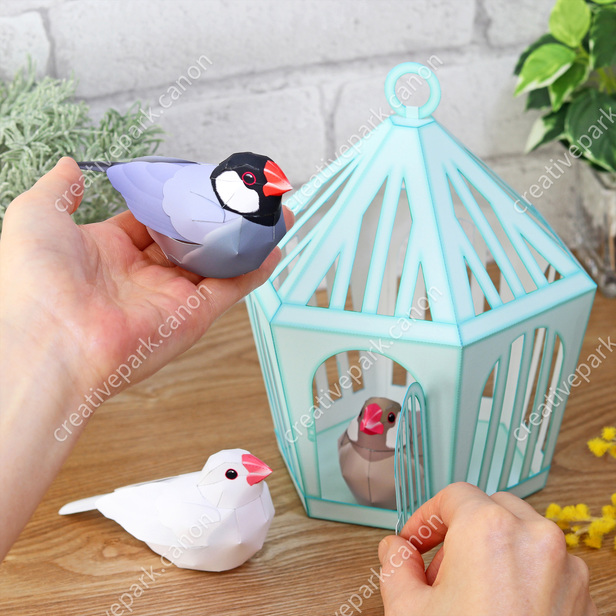
Credit: creativepark.canon
Installing The Wire Mesh
Installing the wire mesh is a crucial part of building a tropical bird cage. It keeps your birds safe and allows fresh air to flow inside. This step requires careful measuring, cutting, and fixing the mesh securely. The right installation ensures durability and prevents any escape or injury to your birds.
Measuring And Cutting Mesh
Start by measuring the frame of your cage accurately. Measure each side where the mesh will be attached. Add a small extra length to each measurement for overlap and fastening. Use a tape measure for precision.
Cut the wire mesh carefully with wire cutters. Cut straight lines to avoid sharp edges. Wear gloves to protect your hands from the sharp wire ends. Make sure each piece matches your measurements before moving on.
Attaching Mesh Safely
Place the cut mesh against the cage frame. Use metal clips or U-nails to fix the mesh in place. Attach the mesh tightly to avoid gaps. Check every corner and edge to ensure the mesh is secure.
Use a hammer or pliers to secure nails or clips firmly. Avoid loose spots where birds can get stuck or escape. Remove any sharp wire ends by bending them inward or cutting them shorter. Safety is key for both you and your birds.
Ensuring Durability
Choose a mesh made of rust-resistant material. Galvanized steel or stainless steel are excellent options. These materials last longer in moist or humid tropical environments.
Check the mesh regularly for damage or wear. Replace any broken or bent sections quickly. Tighten loose clips or nails to keep the mesh stable. A strong cage means a safe home for your tropical birds.
Finishing Touches
Add vibrant elements like colorful perches and tropical plants. Ensure safety with non-toxic materials. Use natural wood for a cozy feel.
The finishing touches are where your tropical bird cage truly comes to life. This is the stage where you add personality, comfort, and vibrancy to create a perfect sanctuary for your feathered friends. Consider it the grand finale of your creative endeavor, where every detail matters.Sanding And Painting
Start by sanding the cage frame to smooth any rough edges. This ensures safety for your birds and prepares the surface for painting. Choose non-toxic paint in tropical colors like vibrant green or sunny yellow to give your cage a lively and exotic look. Apply the paint evenly, allowing it to dry completely before adding a second coat. A well-painted cage not only looks appealing but also resists wear and tear. Have you ever noticed how a splash of color can transform a space?Adding Perches And Accessories
Install natural wood perches of varying diameters to promote foot health and mimic a natural environment. Secure them firmly to prevent wobbling, ensuring your birds feel stable and secure. Accessorize with swings, ladders, and toys to keep your birds entertained and engaged. Consider their preferences—do they enjoy bells or mirrors? Tailoring these elements to their likes encourages activity and happiness.Creating A Tropical Ambiance
Enhance the tropical vibe with artificial or bird-safe live plants. These create a lush setting and provide privacy and play opportunities. Think about the sounds and scents of a tropical paradise. Playing soft, nature-inspired music and using bird-safe aromatics can create a soothing ambiance. How can you make your birds feel as if they’re in a rainforest retreat? By focusing on these finishing touches, you’re not just completing a bird cage; you’re crafting a vibrant home where your birds can thrive.
Credit: parrotessentials.co.uk
Maintenance Tips
Maintaining a tropical bird cage ensures a healthy and happy home for your birds. Regular care prevents disease and keeps the cage safe. Simple routines protect your feathered friends and extend the cage’s life.
Cleaning The Cage
Clean the cage weekly to remove dirt and waste. Use bird-safe cleaners or warm water with mild soap. Rinse thoroughly to avoid chemical residue. Change the cage liner daily to keep the floor clean. Wash food and water dishes every day to prevent bacteria.
Inspecting For Wear
Check the cage for rust, broken wires, or loose parts often. Rust can harm birds and weaken the cage. Tighten screws and replace damaged parts quickly. Look for sharp edges that might hurt your birds. Regular checks keep the cage strong and safe.
Keeping Birds Comfortable
Provide fresh water and food daily. Keep the cage in a warm, draft-free area. Add perches and toys for mental and physical activity. Change toys regularly to prevent boredom. Ensure proper lighting to mimic natural daylight. Comfort helps birds stay active and healthy.
Frequently Asked Questions
What Materials Are Best For Making A Tropical Bird Cage?
Use durable, non-toxic materials like stainless steel or powder-coated metal. These resist rust and ensure bird safety. Avoid toxic paints or metals that can harm tropical birds.
How Do I Ensure Proper Ventilation In A Tropical Bird Cage?
Design the cage with ample mesh or bars for airflow. Good ventilation prevents mold and keeps birds healthy in humid tropical conditions.
What Size Should A Tropical Bird Cage Be?
Choose a cage large enough for birds to flap wings and move freely. Minimum size depends on bird species but bigger cages promote better well-being.
How Can I Make A Tropical Bird Cage Comfortable?
Include natural perches, plants, and toys. Provide shade and avoid direct sunlight to mimic tropical habitats and keep birds stress-free.
Conclusion
Creating a tropical bird cage can be fun and rewarding. Use safe materials to keep your bird healthy and happy. Add plants and decorations to mimic a natural habitat. Keep the cage clean and spacious for comfort. Regular care helps birds stay lively and active.
Enjoy watching your colorful friends in their bright new home. Start your project step by step and see great results. A cozy, beautiful cage makes your bird feel loved.




