
Are you wondering if you can hang a hummingbird feeder near your other bird feeders? It’s a question many bird lovers ask.
You want to attract a variety of birds without causing any problems. Placing feeders too close together might affect how birds visit or behave. You’ll discover simple tips and important facts to help you set up your feeders the right way.
Keep reading to make your backyard a peaceful haven for all your feathered friends.
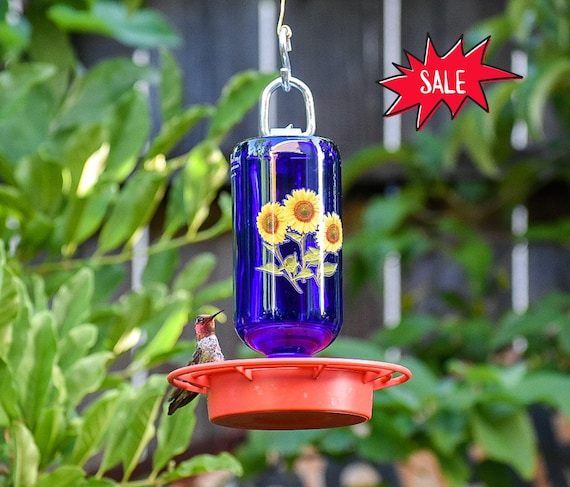
Credit: www.etsy.com
Choosing A Spot For Your Hummingbird Feeder
Choosing the right spot for your hummingbird feeder is more than just hanging it on a hook. The location affects how often hummingbirds visit and how comfortable they feel while feeding. Careful placement can also help avoid competition or disturbances from other birds.
Ideal Distance From Other Feeders
Hummingbirds are fiercely territorial. Placing your hummingbird feeder too close to other bird feeders can lead to aggressive behavior and fewer visits.
Keep at least 10 to 15 feet between the hummingbird feeder and feeders meant for larger birds. This distance lets hummingbirds feed without feeling threatened or crowded.
Have you noticed how hummingbirds dive-bomb larger birds? Keeping feeders apart reduces this stress for both species.
Considering Sunlight And Shade
Hummingbirds love warm spots, but direct, harsh sunlight can spoil the nectar quickly. Aim for a location that gets morning sun and afternoon shade.
Too much sun heats the nectar, causing it to ferment faster, which is unhealthy for the birds. Shaded spots also keep the feeder cooler during hot days, extending feeding times.
Try placing your feeder near flowering plants that get dappled sunlight — this attracts hummingbirds while protecting their food.
Avoiding Windy Locations
Strong winds can swing the feeder, spilling nectar and scaring hummingbirds away. Choose a spot shielded from prevailing winds, such as near a wall or dense shrubbery.
Wind can also cool the nectar, making it less appealing. A calm, stable feeder location encourages hummingbirds to stay longer and feed comfortably.
Think about how often you see hummingbirds feeding on windy days. Does your feeder’s placement give them a peaceful spot?
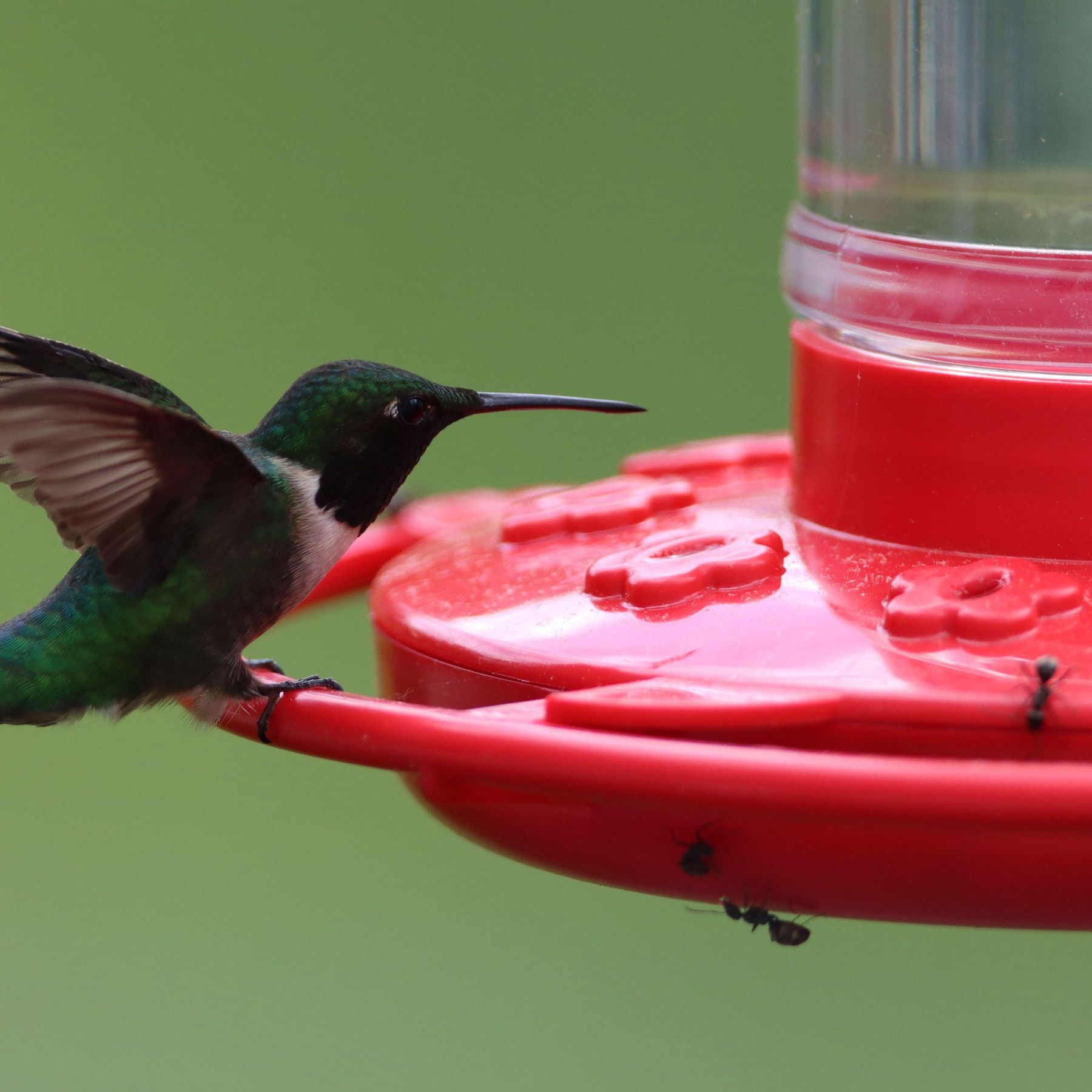
Credit: www.homesandgardens.com
Attracting Hummingbirds Safely
Attracting hummingbirds safely requires thoughtful feeder placement and care. These tiny birds are delicate and can get stressed by aggressive visitors. Creating a calm environment helps hummingbirds enjoy your feeder peacefully. A few simple tips can make your garden a hummingbird haven without conflict.
Feeder Placement To Minimize Aggression
Place hummingbird feeders away from larger bird feeders. Larger birds may chase hummingbirds and scare them away. Choose a quiet spot with some nearby cover like bushes or trees. This gives hummingbirds a safe place to rest. Keep feeders at least 10 feet apart to reduce fights. Avoid hanging feeders in direct sunlight all day to prevent overheating.
Using Bright Colors And Shapes
Hummingbirds are attracted to bright colors, especially red. Use feeders with red parts or add red ribbons nearby. Different shapes can also catch their attention. Avoid feeders that look like those for other birds. Clear, simple designs work best to attract hummingbirds. Bright colors help them find food quickly and safely.
Keeping Feeders Clean And Fresh
Clean feeders every few days to prevent mold and bacteria. Dirty feeders can harm hummingbirds and deter them from returning. Use warm water and mild soap for washing. Rinse well to remove soap residue. Change the nectar every 3-5 days, or more often in hot weather. Fresh nectar keeps hummingbirds healthy and happy.
Managing Interactions With Other Birds
Managing interactions between hummingbirds and other backyard birds is key to a peaceful feeding area. Different bird species have unique behaviors and needs. Understanding these can help keep your feeders safe for all visitors.
Hummingbirds are small and fast but can face competition from bigger birds. Other birds may crowd or chase them away. Careful feeder placement and observation reduce conflict and stress for all birds.
Preventing Territorial Behavior
Hummingbirds defend their feeding spots fiercely. Keep feeders spaced apart to reduce fights. Place hummingbird feeders at least 10 feet from other bird feeders. This distance helps birds feel less crowded.
Offer multiple feeding stations. This lowers competition and gives birds choices. Avoid placing feeders near dense shrubs, which can make birds feel trapped and aggressive.
Dealing With Aggressive Species
Some birds, like grackles or starlings, can be aggressive. They may scare hummingbirds away. Use feeders designed to exclude larger birds by size or weight. Metal cages around feeders work well.
Remove feeders if aggressive birds dominate the area. Clean feeders regularly to avoid attracting unwanted species. Try feeding hummingbirds during times when aggressive birds are less active.
Encouraging Peaceful Coexistence
- Plant native flowers to provide natural nectar sources.
- Offer fresh water in shallow dishes for all birds.
- Keep feeders clean to prevent disease spread.
- Observe feeders often to spot problems early.
These steps help hummingbirds and other birds share your yard. A calm environment makes birdwatching enjoyable and safe for all visitors.
Maintenance Tips For Multiple Feeders
Maintaining multiple bird feeders, including hummingbird feeders, requires regular care. Proper upkeep keeps birds healthy and feeders inviting. Clean and refill feeders often to prevent mold and bacteria growth. Watch for signs that feeders need attention. This keeps your backyard birds happy and safe.
Cleaning Schedules
Clean all feeders every few days during warm weather. Use hot water and mild soap to remove dirt and mold. Rinse feeders thoroughly to avoid soap residue. For hummingbird feeders, clean more often to stop nectar spoilage. Soak feeders in a vinegar solution for tough stains. Avoid harsh chemicals that can harm birds.
Refilling Strategies
Refill feeders with fresh food or nectar daily in hot weather. Check nectar for cloudiness or fermentation before refilling. Use the right nectar ratio: four parts water to one part sugar. Store extra nectar in the refrigerator to keep it fresh. Keep feeders full to attract birds but avoid overfilling. Change food often to prevent spoilage and contamination.
Monitoring Feeder Health
Watch feeders for signs of damage or wear. Replace cracked or broken parts quickly to avoid leaks. Check for ants, bees, or other insects invading feeders. Use ant moats or bee guards to protect hummingbird feeders. Observe birds’ behavior to spot any health issues early. Clean up spilled food or nectar beneath feeders to prevent pests.
Enhancing Your Garden For Hummingbirds
Creating a space that attracts hummingbirds brings life and color to your garden. These tiny birds thrive in environments rich with food and safe resting spots. Designing your garden to meet their needs helps them visit often and stay longer. Simple changes can make a big difference in welcoming hummingbirds near your other bird feeders.
Planting Nectar-rich Flowers
Flowers with bright colors and tubular shapes attract hummingbirds. Red, orange, and pink blooms are favorites. Choose native plants that provide natural nectar sources. Plant flowers in clusters to make feeding easier for hummingbirds. Avoid using pesticides to keep the environment safe for them.
Providing Perches Nearby
Hummingbirds need spots to rest between flights. Small branches or thin wires close to feeders work well. Place perches where they have a good view of the area. Perches help hummingbirds feel safe and encourage longer visits. Avoid crowded spots to reduce stress for these tiny birds.
Creating A Hummingbird-friendly Environment
Keep your garden quiet and calm to attract hummingbirds. Avoid placing feeders too close to noisy areas. Clean feeders regularly to prevent mold and bacteria. Offer fresh water sources like shallow dishes or misters. Adding shade and shelter helps protect hummingbirds from harsh weather.
Credit: growcycle.com
Frequently Asked Questions
Can Hummingbird Feeders Be Placed Near Other Bird Feeders?
Yes, hummingbird feeders can be near other bird feeders. Keep them 3-5 feet apart to reduce aggression and competition. This distance prevents larger birds from dominating hummingbird feeders and ensures both types of birds feed comfortably.
Will Other Birds Bother Hummingbirds At Feeders?
Some larger birds may try to chase hummingbirds away. Proper spacing and feeder placement help minimize conflicts. Using multiple feeders for different bird types reduces competition and keeps hummingbirds safe.
How Far Should Hummingbird Feeders Be From Other Feeders?
Place hummingbird feeders at least 3 to 5 feet away from other bird feeders. This spacing reduces territorial disputes and allows hummingbirds to feed peacefully without interference from bigger birds.
Does Placing Feeders Together Affect Hummingbird Feeding?
Placing feeders too close can cause hummingbird stress and limit feeding. Proper spacing encourages natural behavior and reduces competition. Separate feeders help hummingbirds feed comfortably and avoid aggressive bird encounters.
Conclusion
Hummingbirds can share space with other bird feeders safely. Keep feeders a few feet apart to reduce competition. Watch how birds behave and adjust if needed. Clean feeders often to keep birds healthy and happy. Enjoy the colorful visits from hummingbirds and other birds.
This simple care helps all birds thrive in your yard.




