
Have you ever wondered if the wild bird seed you scatter in your garden can actually grow into plants? It’s a question many bird lovers and gardeners ask.
Imagine turning those seeds into beautiful flowers or thriving plants, right in your backyard. But is it really that simple? You’ll discover the surprising truth about planting wild bird seed and learn exactly what to expect. Keep reading to find out if your bird seed could be the start of something green and growing!
Types Of Seeds In Wild Bird Mixes
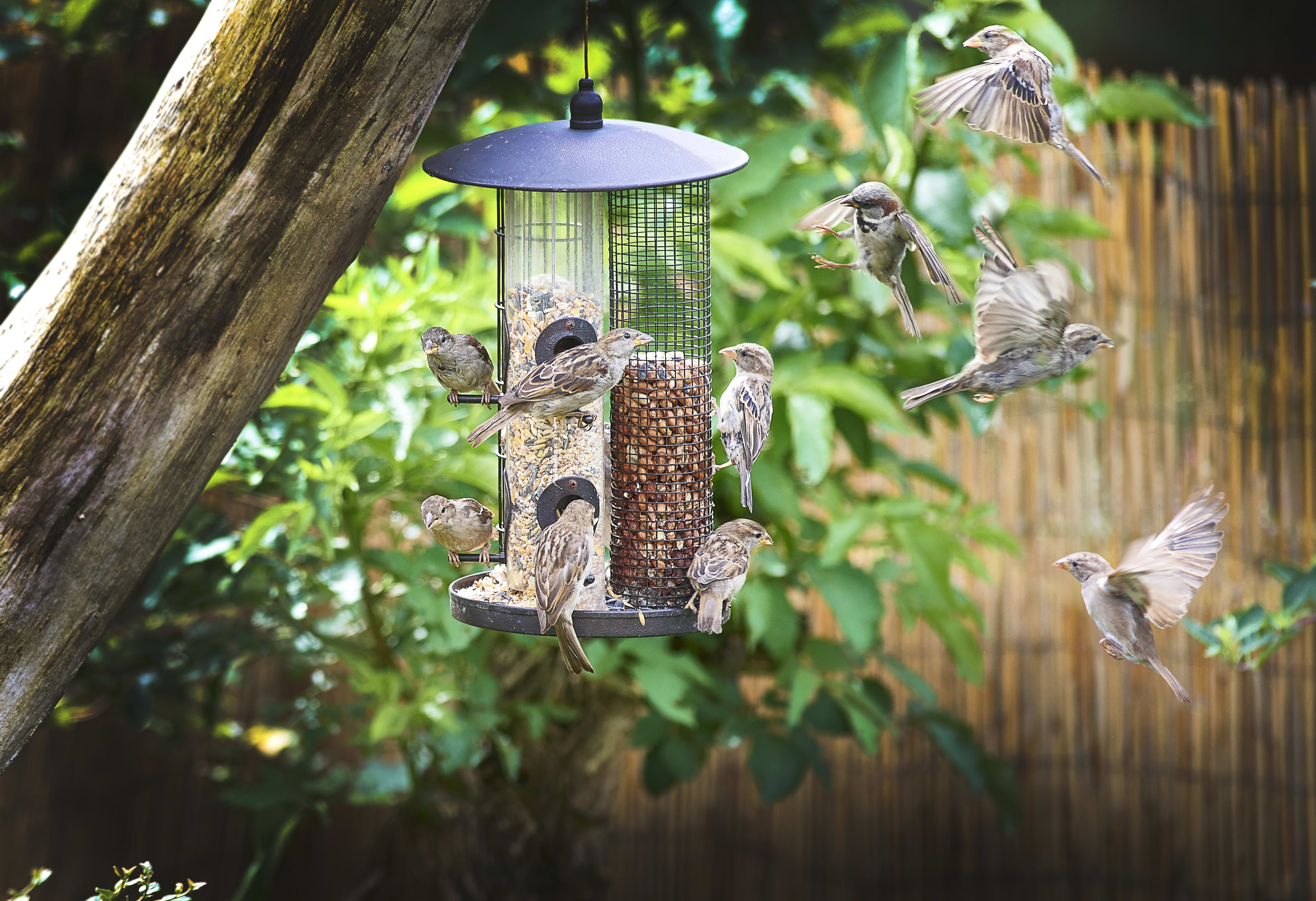
Wild bird seed mixes contain a variety of seeds designed to attract different bird species. Each mix can be quite diverse, with some seeds able to sprout if planted, while others are processed or treated and won’t grow. Understanding the types of seeds in these mixes can help you decide if planting them in your garden is worth trying.
Common Seeds Found In Bird Food
Most wild bird seed mixes include a blend of seeds such as:
- Millet:Small, round seeds popular with many small birds.
- Sunflower seeds:Both black oil and striped varieties, loved by cardinals and finches.
- Safflower:A favorite for cardinals and grosbeaks.
- Cracked corn:Often added to attract larger birds like doves and pigeons.
- Nyjer (thistle):Tiny seeds favored by finches.
These seeds are chosen for their appeal to a wide range of birds and their availability.
Seeds That Are Viable For Planting
Some seeds in bird mixes can sprout if planted, but viability depends on how the seeds were processed. Black oil sunflower seeds often remain viable because they are usually raw and untreated. Millet can also grow if it hasn’t been heat-treated or cleaned excessively.
However, germination rates can vary. You might try planting a small batch in a container to see what grows before committing a large area. Have you ever wondered if those seeds in your bird feeder could double as garden starters?
Non-germinating Components
Many seeds in bird mixes will not grow because they have been processed. For example, cracked corn is often heat-treated or broken down, making it impossible to sprout. Nyjer seeds are usually sterilized to prevent germination and extend shelf life.
Some mixes also include fillers or seed shells that don’t contain viable embryos. These ingredients are meant to add bulk or attract specific birds but won’t grow if planted. Understanding this helps you avoid frustration when trying to grow a wild bird seed garden.
Credit: dengarden.com
Factors Affecting Seed Germination
Wild bird seed can sometimes grow if planted, but many factors affect seed germination. Understanding these factors helps know why some seeds sprout and others do not. Germination depends on seed quality, environment, and treatment before planting.
Seed Treatment And Processing
Bird seed often undergoes cleaning and drying to keep it fresh. Some seeds receive heat treatment or coatings to prevent sprouting. These processes may reduce the seed’s ability to grow. Untreated seeds have a better chance to germinate.
Environmental Conditions Needed
Seeds need the right conditions to sprout. These include proper soil moisture, temperature, and light. Too much water can cause seeds to rot. Too little water stops growth. Temperature must be warm enough but not too hot. Sunlight or darkness affects different seed types differently.
Seed Viability And Freshness
Seeds lose viability over time. Old or stale seeds have lower germination rates. Fresh seeds are more likely to grow. Check the seed packet date or store seeds in a cool, dry place. Viable seeds have a firm feel and no signs of mold or damage.
Can Wild Bird Seed Sprout In Your Garden?
Can wild bird seed sprout in your garden? Many gardeners wonder if the seeds meant for feeding birds can grow into plants. The short answer is yes, some wild bird seeds can sprout under the right conditions. These seeds often contain sunflower, millet, nyjer, and other plant varieties that can germinate.
Growing bird seed in your garden can add beauty and attract wildlife. Yet, success depends on seed type, soil, water, and climate. Some seeds sprout easily, while others may not grow well outside their natural habitat.
Success Stories And Examples
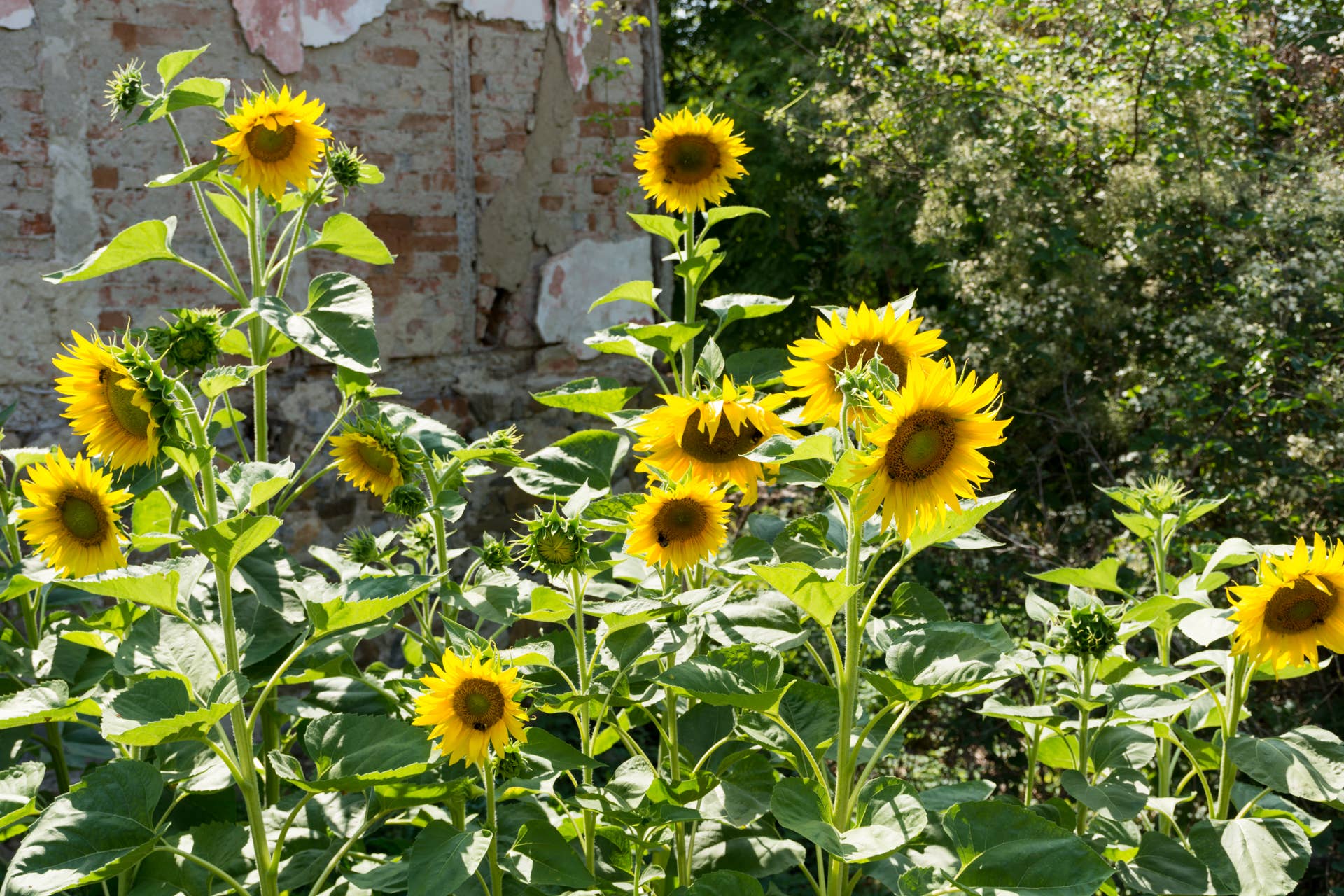
Several gardeners have seen wild bird seed sprout in their yards. Sunflower seeds are the most common to grow into tall, vibrant plants. Millet and sorghum can also sprout and produce small grasses. Some people have created wildflower patches using mixed bird seed blends.
- Sunflowers growing up to six feet tall.
- Millet creating green ground cover.
- Nyjer seeds sprouting into delicate plants.
These plants provide food and shelter for birds and insects. They add color and life to garden spaces.
Challenges And Limitations
Not all bird seed types will grow well in gardens. Some seeds are treated or heat-processed, preventing germination. Others require specific soil or temperature conditions. Many bird seed mixes contain fillers like cracked corn or wheat, which rarely sprout.
- Processed seeds often do not germinate.
- Seeds may need warm, moist soil to sprout.
- Birds might eat seeds before they grow.
- Weeds could outcompete young seedlings.
Patience and proper care are essential for success.
Best Practices For Planting Bird Seed
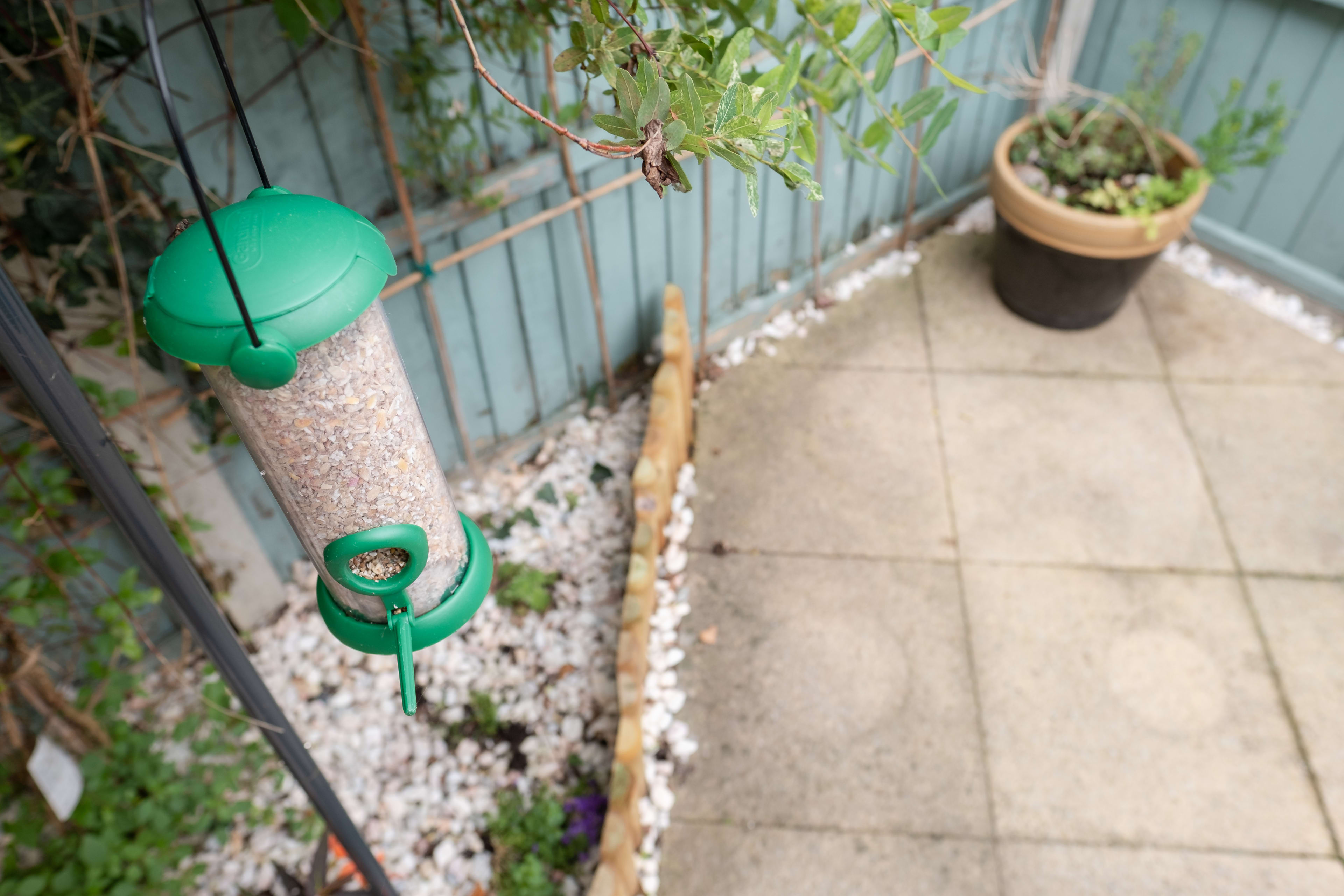
Choose fresh, untreated seeds for planting. Prepare the soil by loosening and removing weeds. Plant seeds shallowly and water gently. Keep soil moist but not soaked. Provide some shade during hot afternoons to protect seedlings.
- Use seed mixes with known germinating plants.
- Plant in early spring or fall for best results.
- Cover seeds lightly with soil to retain moisture.
- Protect area from birds and pests until sprouts appear.
- Thin seedlings to avoid crowding.
Following these tips increases chances for wild bird seeds to grow and thrive in your garden.
Credit: dengarden.com
Potential Risks Of Planting Bird Seed
Planting wild bird seed might sound like a simple way to grow a new garden, but it comes with several risks you should consider first. Not all bird seeds are suited for planting, and some can cause more harm than good. Understanding these risks can help you decide if planting bird seed is worth the potential problems.
Invasive Species Concerns
Many bird seed mixes contain non-native plants that can become invasive in your area. These plants can spread quickly and outcompete local vegetation, disrupting the natural ecosystem. Have you thought about how introducing new species might affect your local wildlife and plant life?
Once invasive plants take hold, they can be very hard to remove. This could mean more work for you and less space for native plants you actually want to grow.
Pests And Diseases
Bird seed can carry pests like insects or eggs that hatch and damage your garden plants. It might also introduce diseases that affect both plants and soil health. I once planted bird seed and ended up with aphids spreading across my entire garden bed.
These problems can spread quickly and may require pesticides or other treatments that you might want to avoid. Are you prepared to handle these unexpected garden invaders?
Weed Growth And Garden Impact
Bird seed often contains weed seeds mixed in, which can sprout unwanted plants in your garden. These weeds compete for nutrients, water, and sunlight, making it harder for your desired plants to thrive. This can turn a hopeful planting project into a weeding nightmare.
Weeds from bird seed can also attract more pests and create an uneven, untidy garden look. How much effort are you willing to put into controlling these unwanted plants?
Alternatives To Planting Bird Seed
Planting wild bird seed directly in your garden might seem like a simple way to grow plants that attract birds. However, many bird seeds are treated or not suited to your local soil and climate, making growth unpredictable. Luckily, there are smarter alternatives that can help you create a thriving garden while supporting local wildlife.
Choosing Seeds For Your Garden
Instead of scattering bird seed, pick seeds designed for your region and garden conditions. Look for flower, herb, or vegetable seeds that are proven to grow well in your area. You might be surprised how many common garden plants also attract birds and pollinators.
For example, sunflowers and millet seeds are often included in bird mixes, but planting sunflower seeds specifically meant for gardening can yield larger, healthier plants. Have you checked if your local garden center offers seed varieties labeled for your climate zone?
Native Plant Options
Native plants provide the best support for local bird populations. They offer natural food sources, shelter, and breeding grounds. Choosing native wildflowers, grasses, and shrubs often results in easier care and better growth than non-native bird seed plants.
Consider adding plants like coneflowers, goldenrod, or serviceberry to your garden. These plants attract insects and birds naturally. Could native plants be the key to a more vibrant and sustainable garden?
Sustainable Gardening Tips
Focus on gardening methods that promote long-term health of your soil and plants. Use compost and mulch to retain moisture and improve soil quality. Avoid chemical pesticides that can harm birds and beneficial insects.
Plant in layers—tall trees, shrubs, and ground cover—to create diverse habitats. This approach supports a wider variety of wildlife and improves your garden’s resilience. What small change could you make today to help your garden thrive sustainably?
Credit: dengarden.com
Frequently Asked Questions
Will Wild Bird Seed Grow If Planted In Soil?
Yes, some wild bird seeds can grow if planted. However, not all seeds are viable or suitable for planting. Bird seed mixes often contain treated or processed seeds. Choose untreated, fresh seeds for better germination results.
Which Wild Bird Seeds Grow Best In Gardens?
Sunflower seeds, millet, and nyjer are common bird seeds that grow well. These seeds sprout easily and thrive in garden soil. Avoid seeds from mixed bird feed, as they may have low germination rates.
How Long Does It Take For Bird Seed To Sprout?
Most bird seeds sprout within 7 to 14 days under ideal conditions. Proper soil moisture, temperature, and light affect germination speed. Keep soil consistently moist but not waterlogged for best results.
Can Planting Bird Seed Attract More Birds To My Yard?
Yes, growing plants from bird seed can attract more birds. Plants provide natural food and shelter, encouraging bird visits. Native plants grown from seed are especially effective for bird-friendly gardens.
Conclusion
Wild bird seed can grow if planted, but results vary. Some seeds sprout quickly, while others may not grow at all. Soil quality, water, and sunlight affect growth too. Birds eat many seeds before they can sprout. Planting wild bird seed can bring flowers or plants, but it is not guaranteed.
For best results, choose seeds meant for planting. Growing plants from bird seed can be fun and teach patience. Remember, nature works at its own pace. Try it, watch closely, and enjoy the surprises.




