
Have you ever set up a hummingbird feeder in your garden and wondered if other birds stop by for a sip? You’re not alone.
Many people are curious whether those bright red feeders attract more than just hummingbirds. Understanding who else might drink from your feeder can help you enjoy your backyard visitors even more—and keep your feeder clean and safe. Keep reading to discover the surprising truth about what other birds might be enjoying your hummingbird feeder right now.
Common Visitors To Hummingbird Feeders
Hummingbird feeders don’t just attract hummingbirds. Other birds often find these feeders irresistible too. Knowing who else might visit can help you manage your feeder better and enjoy a variety of feathered guests.
Types Of Birds Attracted
Several bird species are drawn to hummingbird feeders besides hummingbirds themselves. Orioles, for example, love the sweet nectar and often visit these feeders. House finches and sparrows also take advantage of the easy food source.
Occasionally, you might spot warblers or woodpeckers stopping by. These birds seek out the sugar water, especially when natural nectar is scarce. Even some butterflies and bees can become frequent visitors, turning your feeder into a mini wildlife hub.
Frequency Of Visits
How often these other birds visit depends on your location and the time of year. During migration, you might notice more warblers or orioles dropping in for a quick drink. In warmer months, visits from house finches and sparrows can become almost daily.
Keep an eye on your feeder throughout the day. You may find that certain birds prefer mornings, while others show up in the afternoon. Have you noticed any specific patterns at your feeder? Tracking these can help you decide when to refill or clean the feeder for the best experience.

Credit: www.birdsandblooms.com
Why Other Birds Drink Nectar
Other birds often visit hummingbird feeders, surprising many who expect only hummingbirds to sip the nectar. But why do these birds drink nectar? Understanding their motivation can help you create a better feeding environment and appreciate the diversity of visitors at your feeder.
Nutritional Benefits
Nectar is a rich source of quick energy due to its high sugar content. Birds like orioles, woodpeckers, and even some warblers drink nectar to fuel their active lifestyles.
Besides sugar, nectar can provide small amounts of minerals and vitamins. These nutrients support their metabolism, especially during long flights or breeding seasons.
Have you noticed your backyard birds seem more energetic after visiting your feeder? That’s because nectar gives them a quick and easy boost compared to insects or seeds.
Seasonal Behavior Changes
During certain times of the year, natural food sources become scarce. This scarcity pushes birds to seek alternative food, including nectar from feeders.
Migration seasons are a prime example. Birds need extra calories for their long journeys, so they take advantage of any sweet nectar they find.
In colder months, when insects are harder to find, nectar feeders can become a reliable food source. This shift in diet helps many birds survive challenging conditions.
Impact On Hummingbirds
Watching hummingbirds dart around your feeder is a joy, but have you noticed other birds joining in? This interaction affects the hummingbirds in ways you might not expect. Understanding this impact helps you create a better feeding environment for your tiny visitors.
Competition For Food
Other birds visiting hummingbird feeders can create direct competition for the nectar. Larger birds like orioles or woodpeckers may dominate the feeder, leaving less food for hummingbirds.
When you see a bold bird crowding the feeder, think about how stressful it must be for the hummingbirds to wait or find another spot. This competition can reduce the energy hummingbirds get, which is critical for their high metabolism.
To help your hummingbirds, consider refilling feeders more often or setting up multiple feeders spaced apart. This way, hummingbirds have a better chance to feed without interruption.
Feeder Design And Access
The design of your feeder plays a big role in who can access the nectar. Feeders with narrow ports and perches sized for hummingbirds discourage larger birds from feeding.
Feeders with wide openings or large perches invite bigger birds to join in, increasing competition. If you want to keep the nectar primarily for hummingbirds, look for feeders labeled as “hummingbird-specific” with small feeding holes.
Have you tried placing your feeder in a spot that’s harder for bigger birds to reach but easy for hummingbirds? Sometimes a little creative placement makes a big difference in who visits your feeder.
Preventing Unwanted Visitors
Hummingbird feeders often attract more than just hummingbirds. Other birds, like bees, ants, and even larger birds, may come to sip the nectar, which can disrupt your hummingbird-watching experience. Preventing these unwanted visitors helps keep your feeder clean and ensures the nectar is available for the birds you want to see.
Feeder Placement Tips
Where you place your feeder can make a big difference in who shows up. Position it away from areas where larger birds tend to gather, such as near birdbaths or feeders with seeds.
Try hanging your feeder at least 5 feet off the ground and away from thick bushes or trees that attract perching birds. This reduces access for unwanted visitors and gives hummingbirds a safer space to feed.
Have you noticed that certain spots around your yard invite more activity? Experiment with moving your feeder to find the sweet spot that attracts hummingbirds but not the crowd.
Using Specialized Feeders
Specialized hummingbird feeders are designed to limit access by larger birds and insects. Look for feeders with small feeding ports that only hummingbirds can use comfortably.
- Feeders with built-in bee guards prevent bees and wasps from stealing nectar.
- Models with ant moats stop ants from crawling down to the nectar.
- Weighted perches that close feeding ports when heavier birds land help keep out bigger visitors.
I switched to a feeder with bee guards last summer and noticed a big drop in bees swarming. The hummingbirds seemed happier, too, with fewer interruptions.
Do you want to attract hummingbirds without sharing your nectar buffet? Choosing the right feeder can make all the difference.
Alternatives For Other Birds
Not all birds are interested in sipping from hummingbird feeders, but that doesn’t mean they don’t need their own special feeding spots. If you want to welcome a wider variety of birds to your yard, you’ll need to think beyond the usual nectar. Creating alternatives designed specifically for other bird species can make your outdoor space a vibrant haven for feathered friends.
Providing Suitable Feeders
Different birds have different feeding habits. While hummingbirds prefer nectar, many other birds enjoy seeds, fruits, or suet. Offering feeders that match their natural diets increases your chances of attracting them.
- Seed feeders:Tube or hopper feeders filled with sunflower seeds or mixed birdseed are great for finches, chickadees, and sparrows.
- Suet feeders:Woodpeckers and nuthatches love suet cakes, especially in colder months when energy is essential.
- Fruit feeders:Orioles and tanagers are attracted to sliced oranges, berries, or grape jelly placed on platform feeders.
Have you noticed that some birds prefer feeders with perches while others like to cling? Choosing feeders that accommodate these behaviors can make a big difference.
Attracting Different Species
Beyond feeders, creating a bird-friendly environment can draw in species that won’t visit a hummingbird feeder. Planting native flowers, shrubs, and trees provides natural food and shelter.
Adding a shallow birdbath can invite birds that drink or bathe, offering them a refreshing stop. Remember, clean water is just as crucial as clean food.
Offering a variety of foods and feeder styles helps you observe which birds come by. Are you ready to see which new visitors might enjoy your yard?

Credit: www.birdwatchingdaily.com
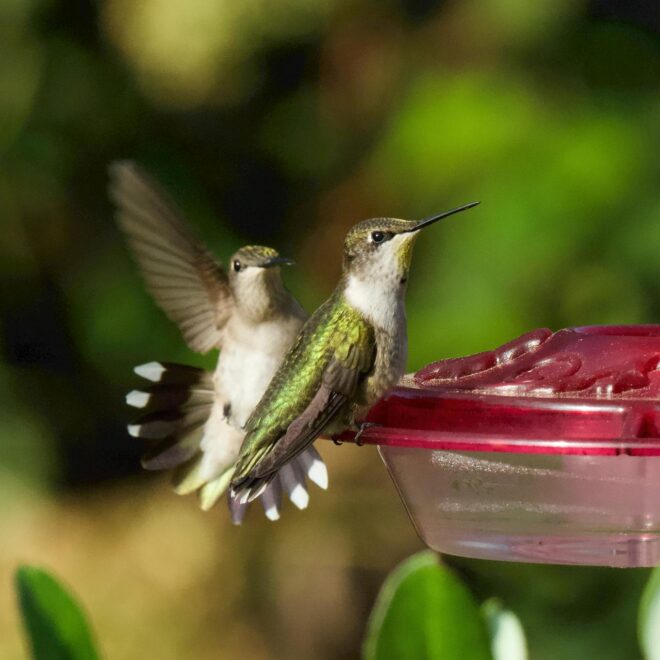
Credit: www.birdwatchingdaily.com
Frequently Asked Questions
Do Other Birds Visit Hummingbird Feeders?
Yes, other birds like orioles, warblers, and bees sometimes visit hummingbird feeders to drink the sugar water. They are attracted by the sweet nectar but may not fit perfectly in the feeder ports.
Can Larger Birds Drink From Hummingbird Feeders?
Larger birds such as sparrows or finches may try to drink from hummingbird feeders, but they often cannot access the small feeding holes designed for hummingbirds.
Is It Safe For Other Birds To Drink Hummingbird Nectar?
Yes, it is generally safe if the nectar is clean and fresh. Avoid using artificial sweeteners or dyes, as these can harm other birds.
How To Prevent Other Birds From Drinking Hummingbird Nectar?
Use feeders with smaller feeding ports and place them in locations less accessible to larger birds. Regularly clean the feeder to discourage unwanted visitors.
Conclusion
Many birds enjoy sipping from hummingbird feeders. These feeders attract more than just hummingbirds. Orioles, bees, and butterflies often visit too. Keep your feeder clean to help all visitors stay healthy. Watching different birds share the feeder can be fun.
It shows how nature finds ways to share resources. Feeding birds brings joy and helps you connect with nature. Try placing a feeder in your yard and see who stops by. Simple moments like these brighten any day.




