
Have you ever spotted a striking blue bird visiting your backyard and wondered if it’s one of those clever Blue Jays? If you’re curious about whether Blue Jays eat from bird feeders, you’re not alone.
These vibrant birds are known for their bold colors and smart behavior, but what do they really like to snack on? Understanding what attracts Blue Jays to your feeder can help you create the perfect backyard haven. Keep reading to discover the secrets behind their feeding habits and how you can invite these beautiful birds to your outdoor space.
Blue Jays And Bird Feeders
Blue Jays are known for their striking colors and bold personalities. If you have a bird feeder, you might have wondered whether these lively birds stop by for a snack. Understanding how Blue Jays interact with feeders can help you attract them and enjoy their presence in your yard.
Common Foods At Feeders
Blue Jays are not picky eaters when it comes to bird feeders. They especially like:
- Peanuts (shelled or unshelled)
- Sunflower seeds, particularly black oil sunflower seeds
- Suet cakes
- Corn kernels
- Other nuts and seeds
They often prefer large, nutritious foods that give them energy quickly. Have you noticed your Blue Jay grabbing a whole peanut? Their strong beaks make it easy for them to crack open tough shells.
Blue Jays’ Feeding Habits
Blue Jays are both cautious and curious at feeders. They often watch from a nearby tree before approaching. This behavior helps them avoid predators.
Once comfortable, they can be quite bold and may even chase other birds away to claim the food. You might see them storing food in their throat pouch to eat later or hide for future use.
Do you provide a variety of foods throughout the year? Blue Jays adjust their diets with the seasons, so changing your feeder offerings can keep them coming back. Offering a mix of nuts and seeds can satisfy their hunger and keep them interested in your feeder.
Favorite Foods Of Blue Jays
Blue Jays are bold and curious birds that often visit bird feeders. Their diet includes a variety of foods, making them adaptable to different environments. Understanding their favorite foods helps attract them to your backyard. Blue Jays enjoy both plant-based and animal-based foods, making them unique among common feeder visitors.
Seeds And Nuts They Prefer
Blue Jays love seeds and nuts that offer high energy. They commonly eat:
- Sunflower seeds, especially black oil sunflower seeds
- Peanuts, shelled or unshelled
- Acorns, which they often collect and store
- Walnuts and other tree nuts
These foods provide fats and proteins essential for their active lifestyle. Blue Jays often pick up larger seeds and nuts, using their strong beaks to crack them open.
Seasonal Diet Changes
Blue Jays change their diet with the seasons. In spring and summer, they eat more insects and small animals. This helps them get extra protein for raising young.
In fall and winter, their diet shifts to more seeds and nuts. They rely on stored food during cold months. Blue Jays also eat berries and fruits when available.
Attracting Blue Jays To Your Feeder
Blue Jays are smart and curious birds. They often visit feeders for a quick meal. Attracting them takes the right setup and food. A few simple changes can make your feeder a favorite spot.
Best Feeder Types
Blue Jays prefer feeders that hold large seeds and allow space for their size. Platform feeders work well. They offer plenty of room for these bold birds. Hopper feeders are also good choices. They protect food from weather and hold a variety of seeds.
A sturdy feeder is important. Blue Jays can be strong and may knock down flimsy feeders. Choose feeders made of metal or heavy plastic. Place feeders where birds feel safe, near trees or shrubs.
Ideal Food Choices
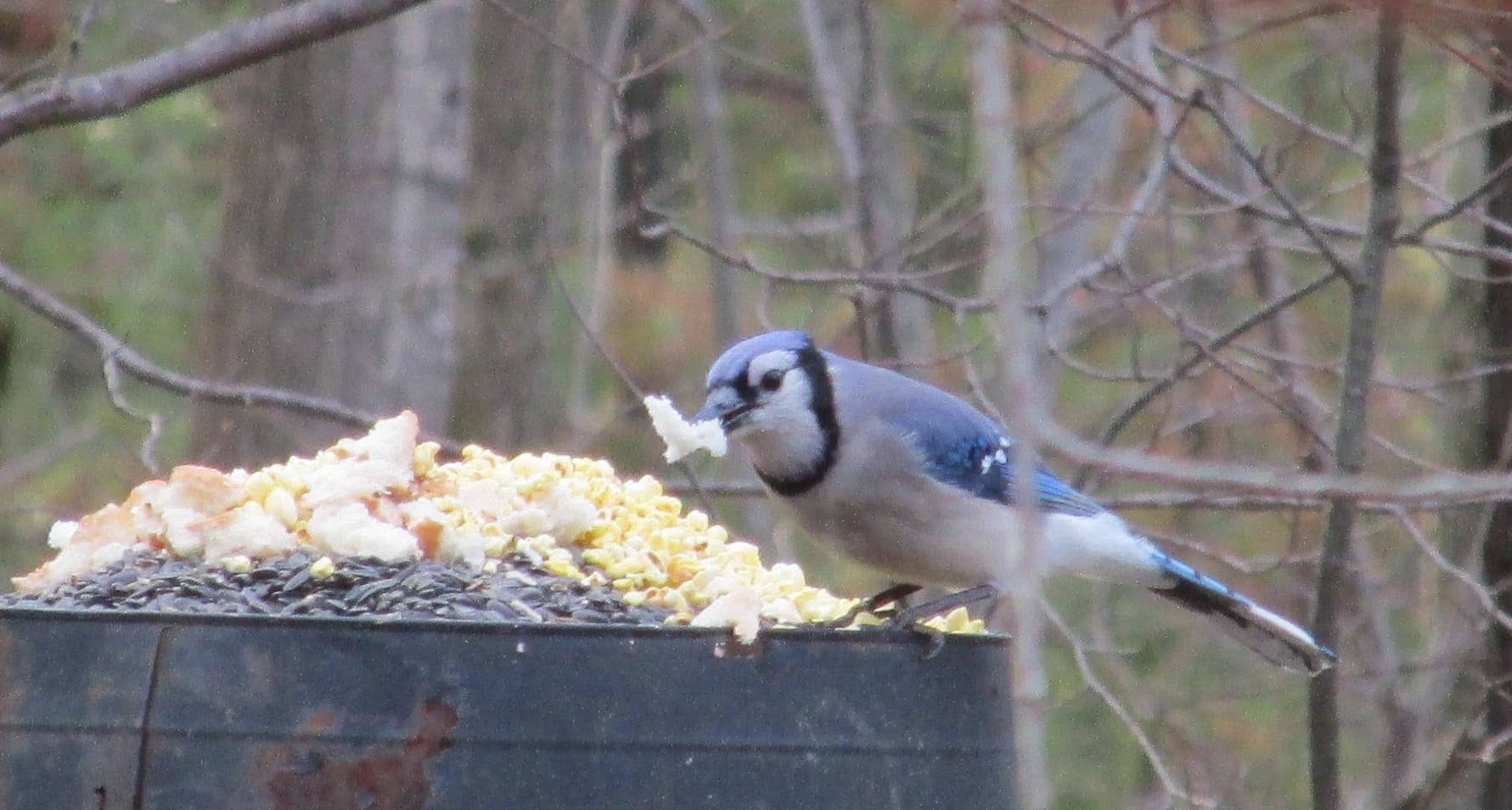
Blue Jays enjoy peanuts, sunflower seeds, and corn. Offering these foods increases visits. Peanuts can be shelled or in the shell. Sunflower seeds, especially black oil sunflower seeds, are favorites. Whole kernel corn is a natural choice for them.
They also like suet in cold months. Suet provides energy and warmth. Avoid mixes with small seeds like millet. Blue Jays prefer larger seeds and nuts. Keep food fresh and dry to attract more birds.
Credit: owlcation.com
Behavior Around Feeders
Blue Jays are known for their lively and strong personalities around bird feeders. Their behavior is interesting to watch because it shows both social and territorial traits. Understanding how Blue Jays act at feeders helps bird lovers create a better feeding environment.
Territorial Tendencies
Blue Jays often act very protective of their feeding spots. They may chase away other birds to keep the area for themselves. This behavior shows their strong desire to control food sources. Sometimes, they even return to the same feeder daily to guard it. Their loud calls often serve as warnings to others nearby. This makes feeders a stage for their territorial displays.
Interaction With Other Birds
Despite their territorial nature, Blue Jays interact with other birds in different ways. They can be curious and sometimes share feeders with smaller birds. At times, they watch other birds closely before joining in. Their boldness helps them get the best food quickly. Still, Blue Jays often dominate feeders because of their size and confidence. This mix of competition and curiosity makes feeder visits lively to observe.
Common Myths About Blue Jays
Blue Jays often spark strong opinions among bird enthusiasts, and many of these opinions are based on common myths rather than facts. Understanding what’s true about Blue Jays can change how you view their visits to your bird feeder. Let’s clear up some of the most widespread myths about these vibrant birds.
Aggressiveness At Feeders
Many people believe Blue Jays are overly aggressive and chase away all other birds from feeders. While they can be bold, their behavior is often exaggerated. Blue Jays do defend food sources, but they usually don’t dominate feeders all day long.
In my experience, Blue Jays may assert themselves briefly, but they also share feeders with smaller birds once they feel secure. Instead of avoiding feeders, try offering multiple feeding spots or different types of food to reduce competition. Have you noticed Blue Jays’ behavior change when you add more feeders?
Impact On Other Birds
Another myth is that Blue Jays harm smaller birds or reduce their numbers by being too competitive. However, Blue Jays are part of a balanced ecosystem and don’t typically cause harm to other birds. They can actually alert other birds to food sources with their loud calls.
When I added a Blue Jay-friendly feeder in my yard, I saw more bird diversity, not less. Blue Jays help keep the environment healthy by eating insects and spreading seeds. Could welcoming Blue Jays actually benefit your backyard bird community?

Credit: www.youtube.com
Tips For Feeding Blue Jays Safely
Feeding Blue Jays can be a delightful experience for bird enthusiasts. These vibrant birds often visit feeders, bringing life to any backyard. Yet, it’s essential to ensure their feeding environment is safe. Here are some tips to keep Blue Jays healthy while they dine.
Maintaining Clean Feeders
Clean feeders help prevent disease among birds. Wash them regularly with warm, soapy water. Rinse thoroughly and let them dry completely before refilling. This practice keeps harmful bacteria away.
Avoiding Overfeeding
Blue Jays can become dependent on feeders if overfed. Offer small amounts of food at regular intervals. This encourages them to forage naturally. Balance is key to their well-being.

Credit: www.fernsfeathers.ca
Frequently Asked Questions
Do Blue Jays Commonly Visit Bird Feeders?
Yes, Blue Jays frequently visit bird feeders. They are attracted to seeds like sunflower and peanuts. Their bold nature makes them regular feeder visitors.
What Foods Do Blue Jays Prefer At Feeders?
Blue Jays prefer sunflower seeds, peanuts, and corn at feeders. They also enjoy suet and cracked corn. These foods provide high energy.
Can Blue Jays Eat From Any Type Of Feeder?
Blue Jays can eat from platform, hopper, and tube feeders. They prefer sturdy feeders that hold larger seeds. Avoid small seed feeders for them.
How Can I Attract Blue Jays To My Feeder?
Offer preferred foods like peanuts and sunflower seeds. Place feeders near trees for cover. Regularly refill feeders to keep Blue Jays visiting.
Conclusion
Blue Jays enjoy eating from bird feeders often. They prefer nuts, seeds, and suet. Offering these foods attracts them to your yard. Keep feeders clean to help birds stay healthy. Watching Blue Jays can bring joy and calm. Feeding birds supports local wildlife and nature.
Try different foods to see which they like best. Your yard can become a Blue Jay hotspot. Simple steps make bird feeding easy and fun.




