
Have you ever wondered if bird feeders are really worth the effort? You might think they’re just simple garden decorations, but they can actually transform your outdoor space in ways you never expected.
Imagine waking up to the cheerful songs of colorful birds, right outside your window. But is setting up a bird feeder the right choice for you and your environment? You’ll discover the surprising benefits and potential drawbacks of bird feeders, helping you make the best decision for your backyard and your peace of mind.
Keep reading to find out if bird feeders are truly a good idea for your home.
Benefits Of Bird Feeders
Bird feeders offer many benefits that go beyond just feeding birds. They create a small ecosystem that supports local wildlife and brings nature closer to home. Bird feeders help people learn about birds and enjoy watching them. They also make gardens more lively and colorful. These benefits make bird feeders a positive addition to any outdoor space.
Supporting Local Wildlife
Bird feeders provide a steady food source for birds, especially during tough seasons. They help small birds survive cold winters and dry summers. Feeding birds also supports other wildlife that rely on birds for food. This simple act helps maintain a balanced environment around your home.
Educational Opportunities
Watching birds at feeders is a great way to learn about nature. Children and adults can identify different bird species by their colors and sounds. Bird feeders teach patience and observation skills. They encourage interest in wildlife and promote outdoor learning experiences.
Enhancing Garden Beauty
Bird feeders attract various birds that add color and movement to gardens. Bright feathers and lively bird songs create a pleasant atmosphere. Feeding birds can turn a plain garden into a vibrant, lively space. This natural beauty makes outdoor areas more inviting and relaxing.
Promoting Bird Diversity
Different types of bird feeders attract a wide range of birds. Seeds, suet, and nectar feed different species. This variety supports bird diversity in your area. Promoting diversity helps protect many bird species and enriches the local ecosystem.
Potential Risks To Birds
Bird feeders bring joy and help birds, but they also carry risks. These risks can harm birds’ health and natural habits. Understanding these dangers helps us feed birds safely and responsibly.
Spread Of Diseases
Bird feeders can become hotspots for germs. Birds gather in one place, sharing food and water. This close contact can spread illnesses quickly. Dirty feeders increase the chance of disease. Regular cleaning is essential to keep birds healthy.
Attracting Predators
Feeders can attract predators like cats and hawks. These animals watch and wait near feeders. Birds become easier targets while eating. Placing feeders in safe locations reduces this risk.
Dependency On Feeders
Birds may rely too much on feeders for food. This dependency can reduce their survival skills. Natural food sources might be ignored. Feeding should be balanced with nature’s availability.
Impact On Natural Foraging
Feeders can change bird behavior. Birds may spend less time foraging naturally. This affects their exercise and instincts. Encouraging natural foraging alongside feeding is important for bird health.
Choosing The Right Feeder
Choosing the right bird feeder can make all the difference in attracting a variety of birds to your garden. It’s not just about hanging any feeder; you need to think about the type, location, and the food you offer. These factors work together to create a welcoming environment for birds and ensure they keep coming back.
Types Of Bird Feeders
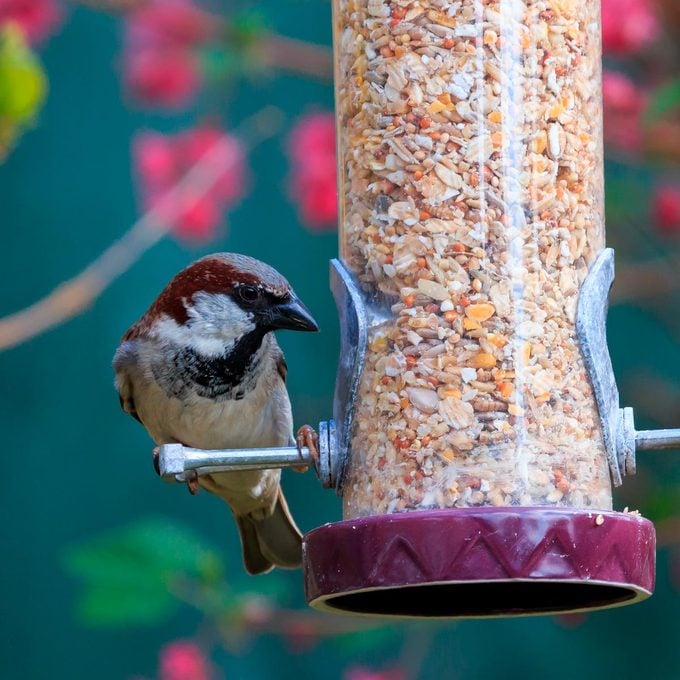
There are many types of bird feeders, each designed to suit different bird species and feeding habits. Tube feeders are great for small songbirds like finches and chickadees. Platform feeders attract larger birds and offer space for multiple birds to feed at once.
Hopper feeders combine the qualities of platform and tube feeders, holding a large quantity of seed. Suet feeders are perfect for woodpeckers and insect-eaters. Think about what birds you want to attract and choose a feeder that fits their needs.
Best Locations For Feeders
Placing your feeder in the right spot affects how often birds visit. Choose a location visible from a window so you can enjoy birdwatching without disturbing them. Position feeders near natural cover like shrubs or trees to give birds a safe place to escape from predators.
Avoid areas with heavy foot traffic or too close to windows to prevent collisions. Also, consider sun exposure; morning sun can warm the feeder and make it more inviting. Have you noticed how birds prefer certain spots in your yard? Use that insight to guide your feeder placement.
Suitable Bird Food Options
The food you offer will determine which birds come to your feeder. Black oil sunflower seeds are a favorite for many birds because they have thin shells and high energy. Nyjer seeds attract finches and siskins, while peanuts are loved by jays and woodpeckers.
Avoid generic mixed seed that often contains fillers birds don’t eat. Instead, tailor your food to the species you want to attract. Offering fresh, clean food regularly keeps birds healthy and encourages them to return often.

Credit: www.allaboutbirds.org
Maintaining Bird Feeders Safely
Maintaining bird feeders safely is essential to keep your feathered visitors healthy and happy. A well-cared-for feeder not only attracts more birds but also prevents the spread of diseases. Taking a few simple steps can make a big difference in creating a safe feeding environment.
Cleaning And Hygiene Tips
Regular cleaning of your bird feeders is key. Use a mild bleach solution (one part bleach to nine parts water) to disinfect feeders every two weeks. Rinse thoroughly and let them dry completely before refilling.
Dirty feeders can harbor mold, bacteria, and fungus, which can harm birds. Don’t forget to clean the feeding trays and perches where droppings can accumulate. If you notice clumped or wet seed, remove it immediately to avoid contamination.
Monitoring Bird Health
Pay attention to the birds visiting your feeder. If you see any with unusual behavior or physical signs like missing feathers, lethargy, or sores, it might indicate illness. Temporarily take down your feeder to prevent spreading disease.
Encouraging a variety of seed types can also support bird health by providing balanced nutrition. You might notice certain species prefer specific seeds—offering options can attract a wider range of birds and keep your feeder busy.
Seasonal Adjustments
Adjust your feeding routine according to the season. In warmer months, clean feeders more often to prevent mold growth caused by humidity. During winter, keep feeders filled consistently as natural food sources become scarce.
Consider switching seed types with the seasons—high-fat seeds like sunflower and suet are great in cold weather for energy. As spring approaches, reduce feeding to encourage birds to forage naturally and avoid dependency.
Balancing Benefits And Risks
Bird feeders can bring joy and support to your local wildlife, but they also come with challenges that need careful thought. Balancing the benefits and risks ensures that feeding birds adds value without causing harm. It’s about making smart choices that help birds thrive while keeping your garden safe and healthy.
Responsible Feeding Practices
Providing food for birds is more than just filling a feeder. You need to keep feeders clean to prevent disease, change food regularly, and avoid spoiled or moldy seeds. Feeding birds only appropriate food types, like black oil sunflower seeds or suet, helps maintain their health.
Have you noticed how some feeders attract unwanted pests? Using feeders designed to keep squirrels and larger birds away helps protect the smaller species you want to support. Also, placing feeders away from windows reduces the risk of bird collisions—a common cause of injury.
Encouraging Natural Behavior
Feeding birds shouldn’t replace their natural foraging habits. Instead, it should complement their diet and encourage them to explore their environment. Try limiting feeding times or amounts so birds continue searching for natural food sources.
Think about your own experience: when birds rely too much on feeders, they may lose survival skills. You can help by planting native plants and trees that provide natural food and shelter. This approach supports a balanced ecosystem and keeps bird populations strong.
Community Involvement
Feeding birds can become a shared joy that connects neighbors and local groups. Joining birdwatching clubs or community garden projects spreads awareness about best feeding practices. It also helps monitor bird health and local species diversity.
Have you ever shared bird feeding tips with a neighbor? Such conversations can lead to better habits and healthier bird communities. Working together, you can create safe spaces for birds while enjoying their presence more fully.

Credit: www.allaboutbirds.org
Credit: www.familyhandyman.com
Frequently Asked Questions
Are Bird Feeders Beneficial For Local Bird Populations?
Yes, bird feeders provide essential food, especially in harsh seasons. They help birds survive and attract diverse species to your garden.
Can Bird Feeders Cause Dependency In Wild Birds?
Bird feeders can create some reliance, but most birds still forage naturally. Feeding supplements their diet without fully replacing natural food sources.
Do Bird Feeders Attract Unwanted Pests Or Predators?
Improper feeders can attract pests like squirrels or rodents. Using squirrel-proof designs and cleaning regularly reduces pest issues and keeps birds safe.
How Often Should I Clean My Bird Feeder?
Clean feeders every two weeks to prevent disease spread. Regular cleaning protects birds from infections and keeps feeders inviting and safe.
Conclusion
Bird feeders can bring joy and help local birds thrive. They offer a chance to connect with nature daily. Careful placement and cleaning keep birds safe and healthy. Feeding birds supports their survival, especially in winter months. Yet, feeding should be balanced to avoid dependency.
Watching birds at feeders can brighten any day. Overall, bird feeders can be a good idea with simple care. They create a small, lively world right outside your window.




