
Are pigeons taking over your bird feeder and scaring away the smaller birds you want to attract? You’re not alone.
Pigeons are persistent, messy, and can quickly turn your peaceful bird-watching spot into a battleground. But what if you could enjoy your feeder without the constant pigeon invasion? You’ll discover simple, effective ways to keep pigeons away and welcome the colorful, gentle birds you actually want to see.
Keep reading—you’re about to reclaim your feeder and bring harmony back to your backyard.
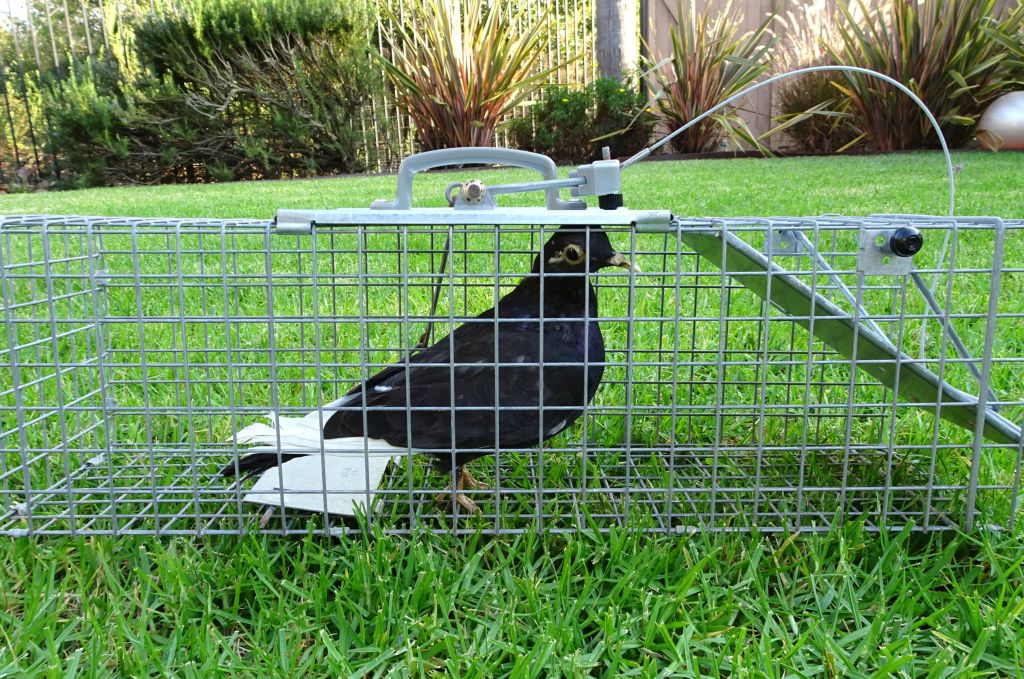
Credit: allstaranimaltrapping.com
Why Pigeons Visit Feeders
Pigeons often visit bird feeders because they find easy food sources. Their presence can be a problem for people wanting to feed smaller birds. Understanding why pigeons come to feeders helps manage their visits better.
Pigeons look for places where food is plentiful and easy to reach. They also follow habits formed by previous feeding experiences. Their behavior at feeders reflects their natural instincts and survival strategies.
Attracting Factors
- Accessible seeds and grains
- Open feeder designs without barriers
- Feeders placed near buildings or structures
- Consistent food supply at regular times
- Feeders with spilled seeds on the ground
Common Feeding Behaviors
- Pigeons eat large amounts quickly
- They often feed in groups for safety
- Ground feeding is preferred over perching
- They scatter seeds while eating
- Return frequently to known feeding spots
Choosing Pigeon-resistant Feeders
Choosing pigeon-resistant feeders helps protect your bird feeder from unwanted visitors. These feeders are designed to allow small birds to feed safely while making it hard for pigeons to access the seeds. Picking the right feeder reduces waste and keeps your garden clean.
Design Features To Consider
- Small feeding ports limit access to large birds like pigeons
- Weight-sensitive perches close feeding ports when heavy birds land
- Tube feeders with narrow openings prevent pigeons from perching
- Feeders with built-in cages allow only small birds to enter
- Sloped or dome-shaped tops stop pigeons from landing on feeders
Materials That Deter Pigeons
Choose feeders made from materials that pigeons dislike or find hard to grip. Smooth surfaces make landing difficult. Metal feeders are less attractive to pigeons than wooden ones. Clear plastic feeders reduce hiding spots for pigeons. Avoid feeders with rough, flat surfaces where pigeons can perch easily.
Placement Strategies For Feeders
Placement strategies for bird feeders play a crucial role in keeping pigeons away. Proper positioning can deter pigeons from landing and dominating your feeders. It also helps attract smaller, more desirable birds. Small adjustments in location can make a big difference.
Ideal Locations
Choose spots that are harder for pigeons to reach. Place feeders away from flat surfaces where pigeons like to perch. Avoid open areas where pigeons feel safe and can gather easily. Position feeders near bushes or trees that offer shelter to smaller birds. This natural cover discourages pigeons from landing. Keep feeders at least 10 feet away from walls or fences pigeons use as launchpads.
Using Barriers And Spacing
Barriers help block pigeons from accessing feeders. Use baffles or cages around feeders to limit pigeon access. Space feeders apart to prevent pigeons from jumping between them. Narrow poles or stands make it harder for pigeons to perch. Install spikes or angled surfaces on nearby perches to reduce pigeon resting spots. These simple changes reduce pigeon presence while welcoming smaller birds.

Credit: www.chroniclelive.co.uk
Physical Deterrents To Use
Physical deterrents create a barrier that stops pigeons from reaching bird feeders. These tools protect your feeders without harming the birds. They work by making the area uncomfortable or confusing for pigeons.
Using physical deterrents is a simple and effective way to keep pigeons away. They require little maintenance and can be combined for better results. Here are some popular options to consider.
Netting And Spikes
Netting blocks pigeons from landing or accessing the feeder. It forms a physical shield that birds cannot pass through. Choose fine mesh netting to cover feeding areas completely.
Spikes stop pigeons from perching nearby. They are thin, pointed strips placed on ledges or feeder edges. Spikes are safe and do not harm the birds but make landing uncomfortable.
- Netting must be securely fastened to avoid gaps.
- Spikes come in plastic or metal and can fit various surfaces.
- Both options need regular checks for damage or displacement.
Reflective And Moving Objects
Reflective objects scare pigeons with flashes of light. They confuse birds and make feeders less inviting. Common items include shiny tape, mirrors, or old CDs.
Moving objects create motion that pigeons avoid. Wind spinners and hanging strips flutter in the breeze and deter birds. The movement mimics predators or unsafe environments.
- Place reflective items close to feeders for best effect.
- Change positions regularly to keep pigeons unsure.
- Combine reflections and motion for stronger deterrence.
Adjusting Feeding Practices
Adjusting how and what you feed birds can significantly impact whether pigeons visit your feeders. By fine-tuning your feeding habits, you create an environment that welcomes smaller birds while discouraging pigeons. These practical changes often make a noticeable difference without the need for complicated devices or chemicals.
Feed Quantity And Timing
Overfeeding creates leftover seeds that attract pigeons. Try offering smaller amounts more frequently instead of filling the feeder all at once.
Keep an eye on feeding times. Early morning or late afternoon feedings allow you to monitor seed consumption and clean up spills promptly.
Have you noticed pigeons lingering right after you fill the feeder? Cutting down the amount and timing feedings can reduce leftover food that draws them in.
Seed Types That Discourage Pigeons
Pigeons prefer larger, softer seeds like millet or cracked corn. Switching to seeds they dislike can help keep them away.
- Use nyjer or thistle seed, which smaller birds love but pigeons avoid.
- Sunflower chips or safflower seeds also tend to deter pigeons.
Choosing the right seed mix influences which birds visit. Have you tried changing your seed type and noticed a shift in your feeder’s visitors?
Natural Predators And Scare Tactics
Natural predators like hawks or owls can scare pigeons away from bird feeders. Using fake predators or reflective scare devices also helps keep pigeons at a distance. These tactics create fear, making pigeons avoid the area.
Pigeons can be a persistent nuisance around bird feeders, often scaring away the smaller birds you want to attract. While there are numerous methods to deter them, natural predators and scare tactics can be particularly effective. These methods not only keep pigeons at bay but also maintain an eco-friendly approach to your backyard bird-watching experience.Decoys And Sounds
Using decoys can be a clever way to deter pigeons. You might have seen those fake owls or hawks perched in gardens. They work because pigeons are naturally wary of these predators. Placing a decoy strategically near your bird feeder can create a sense of danger for the pigeons, encouraging them to stay away. Sounds can also play a crucial role. Consider setting up devices that emit distress calls or predator sounds. These can startle pigeons, convincing them that your backyard is not a safe haven. You could even try wind chimes or other noise-making objects for a similar effect.Encouraging Native Predators
Why not let nature take its course by encouraging native predators? Birds of prey like hawks and falcons are natural pigeon deterrents. You can make your yard more appealing to these predators by minimizing ground cover where pigeons might hide and providing open spaces. Adding perching spots can invite these birds to visit more frequently. This might sound counterintuitive if you’re worried about other birds, but hawks typically target larger prey like pigeons. Ask yourself, how can your garden become a welcoming spot for these natural guardians? By integrating these natural predators and scare tactics, you not only protect your feeders but also create a balanced ecosystem in your backyard.Maintaining Clean Feeding Areas
Keeping bird feeders clean stops leftover seeds that attract pigeons. Regularly removing spilled food reduces their visits. A tidy feeding area helps protect smaller birds and keeps pigeons away.
Maintaining clean feeding areas is crucial in keeping pesky pigeons away from your bird feeders. Cleanliness helps deter pigeons as they are often attracted to leftover seeds and debris. A tidy feeding area ensures that your feathered friends enjoy their meals without unwanted visitors crashing the party.Preventing Seed Spillage
Preventing seed spillage is a simple yet effective strategy. Use feeders that are designed to minimize waste, such as those with trays or catchment basins. Placing feeders in sheltered areas can also reduce the mess caused by wind and rain. Choose seeds that are less likely to scatter, like sunflower hearts or suet pellets. Consider placing a mat or tray beneath feeders to catch any stray seeds. You’ll find that less spillage means fewer pigeons hanging around.Regular Cleaning Routines
Establishing regular cleaning routines can significantly reduce pigeon visits. Empty and clean your feeders at least once a week to remove any moldy or rotten seeds. This not only keeps pigeons away but also ensures the health of your desired bird visitors. Use a mild soap and water solution to clean feeders, and rinse thoroughly. Don’t forget to clean the ground below your feeders. Regular upkeep of the area can make a substantial difference in maintaining a pigeon-free zone. By keeping your bird feeding areas clean, you not only deter pigeons but also create a healthier environment for your favorite birds. Have you noticed any changes in bird visits with your cleaning routine?
Credit: uk.style.yahoo.com
Frequently Asked Questions
How Can I Stop Pigeons From Eating Bird Feeder Food?
Use feeders designed for small birds with weight-sensitive perches. Remove spilled seeds regularly to avoid attracting pigeons. Adding pigeon deterrents like spikes or netting can also help keep them away effectively.
What Bird Feeder Types Discourage Pigeons Best?
Tube feeders with small perches and caged feeders limit pigeon access. Hopper feeders with weight-activated doors also work well. Avoid platform feeders, as they offer easy access for pigeons to feed.
Are There Safe Pigeon Repellents For Bird Feeders?
Yes, non-toxic bird spikes, reflective tape, and scare devices like fake predators can deter pigeons safely. Avoid harmful chemicals to protect all birds and the environment around your feeder.
Does Changing Seed Type Help Reduce Pigeons?
Yes, offering nyjer or safflower seeds attracts smaller birds and discourages pigeons. Avoid millet and cracked corn, as pigeons prefer these and are more likely to visit your feeder.
Conclusion
Keeping pigeons away from bird feeders takes patience and simple steps. Use feeders designed for smaller birds only. Try adding barriers or placing feeders in open spots. Changing the type of seeds can help too. Watch how birds react and adjust your methods.
Enjoy feeding smaller birds without the mess. Small changes make a big difference in your garden. Keep trying until you find what works best. Your peaceful bird-watching time is worth it.




