
You’ve just planted fresh grass seed, and now you’re worried about birds swooping in and ruining all your hard work. It’s frustrating to see those tiny seeds disappear before they even have a chance to grow.
But don’t worry—there are simple, effective ways you can protect your lawn and help your grass thrive. Keep reading to discover easy tips that will keep birds away and give your new grass the best start possible. Your lawn deserves a strong beginning, and you’re just a few steps away from making that happen.
Why Birds Target Grass Seed
Understanding why birds target newly planted grass seed helps you protect your lawn effectively. Birds see freshly spread seeds as an easy meal. This natural behavior can quickly undo your hard work and delay your lawn’s growth.
Birds’ Attraction To Seeds
Birds are drawn to grass seed because it offers a rich source of energy and nutrients. Seeds are small, easy to eat, and often lie exposed on the soil surface. This makes your new lawn a buffet for hungry birds.
Have you noticed how quickly birds find newly seeded areas? They rely on visual cues and previous feeding spots to locate food. Even early morning or after watering, seeds remain accessible and appealing.
Common Bird Species That Feed On Grass Seed
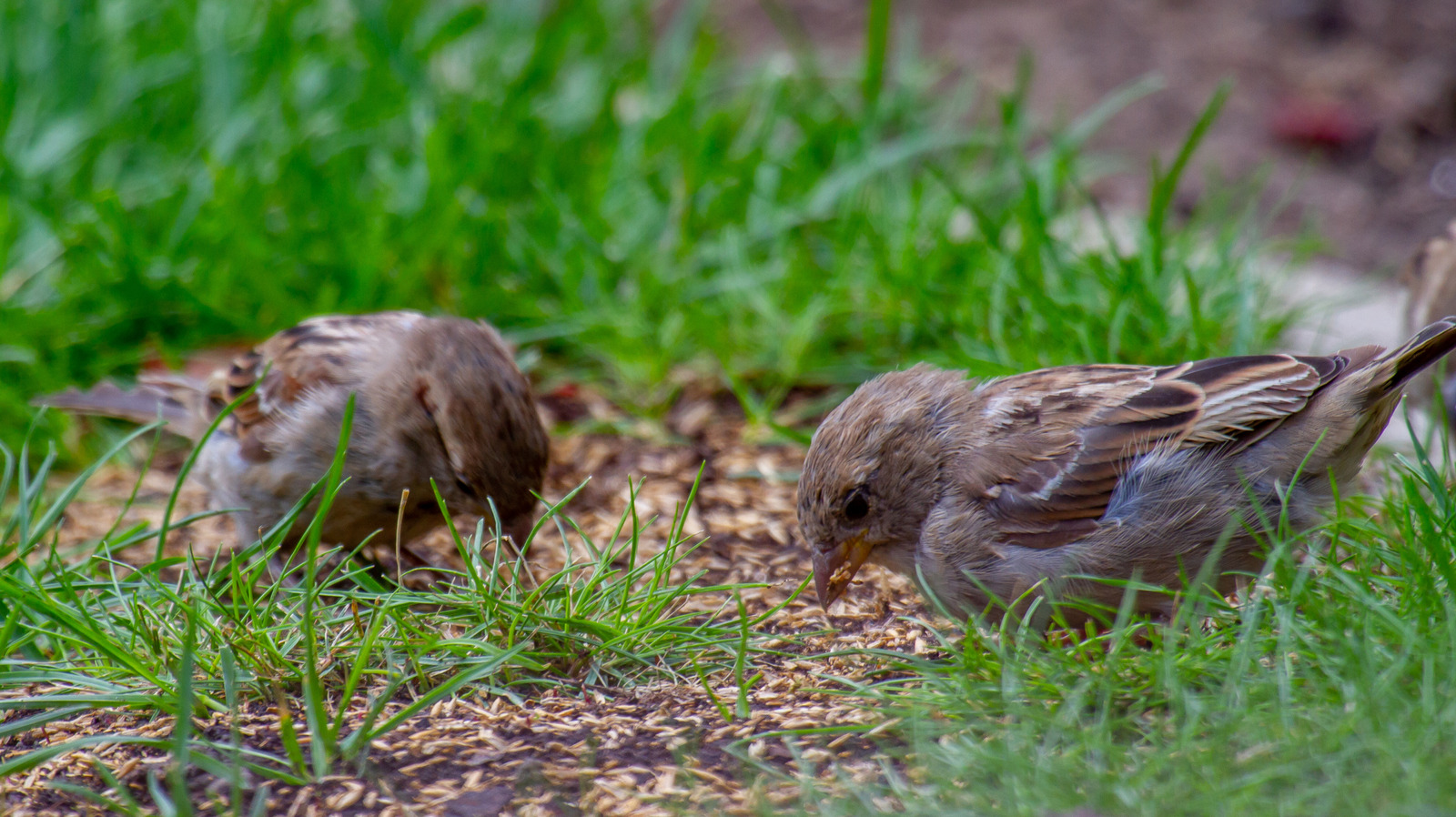
Several bird species are frequent visitors to new lawns. House sparrows, finches, and pigeons often flock to seeded areas. These birds are adaptable and quick to exploit new food sources.
- House Sparrows: Small but persistent, they peck at seeds right after sowing.
- Finches: Their strong beaks are perfect for cracking open grass seeds.
- Pigeons: Larger birds that can consume significant amounts of seed quickly.
Knowing which birds target your lawn can help you choose the right deterrents. Are you prepared to keep these common visitors from turning your lawn into their dining table?
Preparing Your Lawn For Seeding
Preparing your lawn before planting grass seed is a crucial step to ensure healthy growth and keep birds away from your precious seeds. Taking the time to prepare the soil and choose the right timing can make all the difference in your lawn’s success. Let’s look at how you can get your lawn ready for seeding to give your grass the best start possible.
Timing Your Seeding
Choosing the right time to plant your grass seed helps reduce bird interference. Birds are more attracted to seeds when natural food sources are scarce, so planting when insects and other food are abundant can help. Early fall or late spring usually offer the best conditions for seed growth and less bird activity.
Have you noticed that grass planted in cooler months often faces fewer bird problems? That’s because birds tend to focus on other food during these times. Also, watering your lawn right after seeding creates a moist environment that helps seeds settle quickly, making them less visible to birds.
Soil Preparation Techniques
Proper soil preparation is your first line of defense against birds and other pests. Start by removing debris like rocks, sticks, and old grass to create a smooth surface. This makes it easier for seeds to make contact with the soil, which speeds up germination and reduces the time seeds sit exposed.
Next, loosen the top layer of soil using a rake or tiller. This helps seeds embed better and encourages roots to grow downwards quickly. Adding a thin layer of compost or topsoil can improve soil quality and provide nutrients that help your grass establish faster, leaving less chance for birds to spot and eat the seeds.
- Clear debris thoroughly
- Loosen soil to about 1/4 inch depth
- Apply a thin nutrient-rich layer
Have you tried covering your seeded area with a light mulch or straw? It can protect seeds from birds while still allowing sunlight and water through. This simple step often surprises homeowners with how effective it is at keeping birds away.
Physical Barriers To Protect Seeds
Protecting newly planted grass seed from birds is essential for healthy lawn growth. Physical barriers offer a simple and effective way to keep birds away. They create a shield that stops birds from reaching the seeds.
Using physical barriers can reduce seed loss. It also helps the grass to sprout evenly. These methods do not harm birds and work naturally.
Using Bird Netting
Bird netting is a lightweight mesh that covers the seeded area. It prevents birds from landing and eating the seeds. The netting allows sunlight and rain to reach the soil.
- Choose netting with small holes to block small birds.
- Secure the edges firmly to the ground with stakes or pins.
- Make sure the netting is raised slightly above the seedbed to avoid damaging the seeds.
Netting is easy to install and remove after the grass grows. It provides an effective barrier without blocking air or water.
Applying Straw Or Mulch Covers
Covering the grass seed with straw or mulch hides the seeds from birds. It also keeps moisture in the soil for better germination. Use light, dry straw or mulch for best results.
- Spread a thin layer evenly over the seeded area.
- Avoid thick layers that block sunlight and air.
- Use natural materials like wheat straw or shredded leaves.
This cover acts as a natural shield. Birds find it harder to spot and reach the seeds. The straw or mulch also protects seeds from wind and rain.
Natural Deterrents For Birds
Keeping birds away from your newly planted grass seed can be tricky, especially if you want to avoid harsh chemicals or expensive gadgets. Natural deterrents offer a simple and eco-friendly way to protect your lawn while respecting local wildlife. These techniques rely on birds’ natural instincts and senses, making your yard less appealing without causing harm.
Scare Tactics With Visual Devices
Visual scare devices work by creating movement or reflections that birds find unsettling. Hanging shiny objects like aluminum foil strips, old CDs, or reflective tape near your seeded area can confuse birds and keep them at bay.
Another option is using scare-eye balloons or predator decoys such as fake owls or snakes. These need to be moved regularly to prevent birds from getting used to them. Have you tried switching their positions every few days? It helps maintain the element of surprise.
Sound-based Deterrents
Birds are sensitive to sudden or unfamiliar sounds. Devices that emit distress calls or predator noises can discourage them from settling on your lawn. You can find solar-powered sound machines that cycle through different sounds to avoid habituation.
If you prefer a DIY approach, hanging wind chimes or placing noisy objects like cans tied together can produce random sounds with the wind. This unpredictability keeps birds cautious. What sounds have you noticed birds dislike the most around your home?
Chemical Repellents And Safe Use
Chemical repellents offer a useful way to keep birds away from newly planted grass seed. These products create unpleasant smells or tastes that birds avoid. Using repellents helps protect seeds during critical growth stages. Choosing the right repellent and applying it safely is important. Proper use ensures effectiveness and protects the environment.
Types Of Bird Repellents
- Olfactory Repellents:Emit smells birds find bad, like predator scents or spicy odors.
- Taste Repellents:Make seeds taste unpleasant to birds, discouraging eating.
- Visual Repellents:Though not chemical, some sprays add reflective or shiny particles to scare birds.
- Combination Products:Use both smell and taste deterrents for stronger effect.
Application Tips And Safety
- Apply repellents evenly on the seeded area for full coverage.
- Follow label instructions closely to avoid harming grass or wildlife.
- Reapply after heavy rain or watering to maintain protection.
- Wear gloves and avoid inhaling sprays during application.
- Keep children and pets away from treated areas until dry.
- Store repellents in a cool, dry place away from food.

Credit: compassgm.co.uk
Alternative Feeding To Distract Birds
Providing birds with an alternative food source can keep them away from fresh grass seed. Placing bird feeders or scattered seeds in another area helps distract them effectively. This simple trick protects your lawn while feeding hungry birds nearby.
Alternative Feeding to Distract Birds Keeping birds away from your freshly planted grass seed can be a tricky task. One effective method is to provide alternative feeding options. By drawing birds’ attention elsewhere, you give your grass seed a fighting chance to grow undisturbed. This approach not only protects your lawn but also keeps the birds happily fed. Let’s dive into some practical strategies to achieve this.Setting Up Bird Feeders Away From Lawn
Position bird feeders strategically to lure birds away from your grass seed. Place them at a significant distance from your lawn area. This ensures birds are attracted to the feeders instead of your newly seeded grass. Consider elevating the feeders to make them more appealing. Birds naturally seek high spots for feeding. This simple tweak can effectively redirect their attention.Offering Alternative Food Sources
Diversify the food options in your bird feeders. Stock them with seeds that are more enticing than grass seeds. Sunflower seeds, millet, and cracked corn are excellent choices. Think about the types of birds frequenting your area. Tailor the feed to their preferences, ensuring they find the offerings irresistible. The more variety you offer, the more likely birds will opt for the feeders over your lawn.Monitoring And Maintenance
Monitoring and maintaining newly planted grass seed is crucial for success. Birds often target these seeds, seeing them as an easy meal. Regular checks and adjustments can help protect your investment. Effective monitoring ensures your deterrents work as planned. This section covers essential steps to keep birds away.
Regular Inspection Of Seeded Areas
Inspect your seeded areas daily. Look for signs of bird activity. Check for missing seeds or disturbed soil. Early detection can prevent further damage. Morning and evening inspections are ideal. Birds are most active during these times. Consistent checks help you stay ahead of any issues.
Adjusting Deterrent Methods As Needed
Not all deterrents work equally well. Be ready to change tactics if needed. If birds ignore your current methods, try different ones. Reflective tape, netting, or decoy predators can be effective. Experiment with combinations to find what works best. Stay flexible and responsive to bird behavior.

Credit: www.angi.com
Credit: www.outdoorguide.com
Frequently Asked Questions
How Can I Protect Grass Seed From Birds Naturally?
Use bird netting or lightweight row covers to shield seeds. Scare devices like reflective tape or fake predators also help. These methods keep birds away without harming them or the environment.
What Are Effective Bird Deterrents For New Grass Seed?
Visual deterrents like shiny objects and scarecrows work well. Sound deterrents such as ultrasonic devices can also be effective. Combining multiple methods increases success in protecting your grass seed.
When Is The Best Time To Plant Grass Seed To Avoid Birds?
Plant grass seed early in the morning or late evening. Birds are less active during these times. This reduces the chances of seed being eaten immediately after planting.
Can Bird Netting Damage Newly Planted Grass Seed?
Properly installed bird netting does not harm grass seed. It protects seeds from birds while allowing sunlight and water through. Always secure netting to prevent wind damage or seed exposure.
Conclusion
Keeping birds away from new grass seed takes patience and care. Use simple barriers or bird repellents to protect your seeds. Check your lawn often and adjust your methods if needed. Early action helps your grass grow strong and healthy.
A little effort today means a lush, green lawn tomorrow. Stay consistent and enjoy the results of your hard work.




