
Have you ever wondered if the bird sunflower seeds you buy for your feathered friends can grow into beautiful sunflowers in your garden? You might be surprised at how easy it is to turn those tiny seeds into tall, bright blooms.
Imagine watching your garden come alive with vibrant yellow flowers while knowing you started from something as simple as bird seed. You’ll discover exactly how to plant bird sunflower seeds, what to expect, and tips to make your sunflowers thrive.
Keep reading, and you’ll be ready to create your own sunny oasis in no time.
Choosing Bird Sunflower Seeds
Choosing the right bird sunflower seeds is key to a healthy and vibrant garden. These seeds vary in size, color, and growth habits. Picking the best type can help you attract more birds and enjoy beautiful flowers. Quality seeds also ensure strong plants that resist pests and weather.
Types Of Bird Sunflower Seeds
Bird sunflower seeds come in several types. The most common are black oil and striped seeds. Black oil seeds are smaller and easier for birds to eat. Striped seeds are larger and often used for snacks by people too.
- Black Oil Sunflower Seeds:Preferred by many wild birds. They sprout quickly and grow tall plants.
- Striped Sunflower Seeds:Bigger and thicker shell. Good for larger birds like cardinals and grosbeaks.
- Hybrid Varieties:Designed for higher yield and strong growth. Great for gardeners wanting more blooms.
Choose seeds based on the types of birds you want to attract and your garden space.
Where To Buy Quality Seeds
Quality matters for healthy sunflowers. Buy seeds from trusted garden centers or online stores with good reviews. Check the packaging date to ensure freshness. Old seeds may not grow well.
- Local nurseries often have fresh, region-friendly seeds.
- Online seed companies usually offer a wide variety.
- Seed packets should list germination rates and planting tips.
Look for organic or untreated seeds for safer plants and birds. Avoid cheap packets with unclear origins.
Credit: dengarden.com
Preparing Your Garden
Preparing your garden well helps bird sunflower seeds grow strong and healthy. It ensures the plants get enough nutrients, water, and sunlight. Taking time to prepare the soil and pick the right spot makes a big difference in your sunflower’s growth.
Soil Requirements
Bird sunflower seeds grow best in loose, well-drained soil. The soil should be rich in organic matter. Adding compost improves soil texture and nutrients. Avoid heavy clay soil as it holds too much water. The ideal soil pH is between 6.0 and 7.5. This range supports good nutrient absorption.
Best Planting Time
Plant bird sunflower seeds after the last frost date. The soil temperature needs to be at least 50°F (10°C). Warmer soil helps seeds germinate faster. Early spring or late spring is the perfect time. Seeds take about 7 to 10 days to sprout in warm conditions.
Choosing The Right Location
Pick a sunny spot for your sunflowers. They need at least 6 hours of direct sunlight daily. A place with good air circulation reduces disease risk. Avoid spots with strong winds to protect tall stems. Make sure the area has enough space for growth. Sunflowers can grow tall and wide.
Planting Techniques
Bird sunflower seeds can grow well in loose, well-drained soil with good sunlight. Plant seeds about an inch deep and water them regularly for best results. These seeds attract birds and add beauty to your garden.
Planting sunflower seeds for birds can be a rewarding task. These seeds can sprout into beautiful plants, attracting birds to your garden. Using the right planting techniques is essential for success. Focus on seed depth, spacing, and proper watering for germination.Seed Depth And Spacing
Plant each sunflower seed about 1 inch deep in the soil. This depth provides the best chances for sprouting. Keep a space of about 6 inches between each seed. This spacing allows plants to grow without crowding. Ensure the soil is loose to help roots develop easily.Watering Tips For Germination
Water the seeds gently to keep the soil moist. Avoid overwatering, which can drown the seeds. Use a watering can with a fine spray to prevent disturbing the soil. Water regularly, especially during dry spells, to support germination. Ensure the soil remains consistently moist, not soggy.Care And Maintenance
Proper care and maintenance help bird sunflower seeds grow healthy and strong. These plants need the right water, nutrients, and protection from pests. Following a good routine ensures bright blooms and abundant seeds. It also keeps your garden neat and thriving.
Watering Schedule
Sunflowers need regular watering, especially in dry weather. Water deeply to reach the roots but avoid waterlogging. Check the soil; it should stay moist but not soggy. Early morning watering is best to reduce evaporation. Reduce watering once flowers start to bloom.
Fertilizing For Growth
Use a balanced fertilizer to support strong growth. Apply fertilizer when plants reach about 12 inches tall. Choose one with equal parts nitrogen, phosphorus, and potassium. Avoid over-fertilizing, which can cause weak stems. A light feeding every few weeks keeps plants healthy.
Pest And Disease Control
Bird sunflowers attract pests like aphids and caterpillars. Inspect plants regularly for signs of damage or bugs. Use natural remedies like neem oil or insecticidal soap. Remove affected leaves to stop disease spread. Keep the area clean to prevent mold and fungus growth.
Harvesting Bird Sunflower Seeds
Harvesting bird sunflower seeds is a rewarding part of growing these cheerful plants. Knowing the right time and technique ensures the seeds are healthy and ready to eat or store. Proper harvesting helps keep the seeds dry and free from damage.
Signs Of Maturity
Bird sunflower seeds are ready to harvest when the flower head starts to droop. The back of the flower head turns yellow or brown. Seeds become plump and hard. The black and white stripes on the seeds become clear and well-defined. Leaves around the flower may begin to dry out. These signs show the seeds have matured fully.
How To Harvest Properly
Cut the flower head with about six inches of stem. Use sharp scissors or garden shears for a clean cut. Hang the flower heads upside down in a dry, dark place. Good air circulation helps the seeds dry completely. Place a paper bag or cloth under the head to catch falling seeds. After two to three weeks, rub the flower head gently to release the seeds. Remove any plant debris from the seeds before storing.

Credit: www.amazon.com
Using Bird Sunflower Seeds
Bird sunflower seeds can grow into full sunflowers if planted properly in well-drained soil. These seeds are easy to sow and attract birds once mature. Plant them in a sunny spot and water regularly for best growth.
Using bird sunflower seeds can bring nature closer to home. These seeds are versatile and serve multiple purposes. From feeding birds to culinary uses, they offer great benefits.Feeding Birds
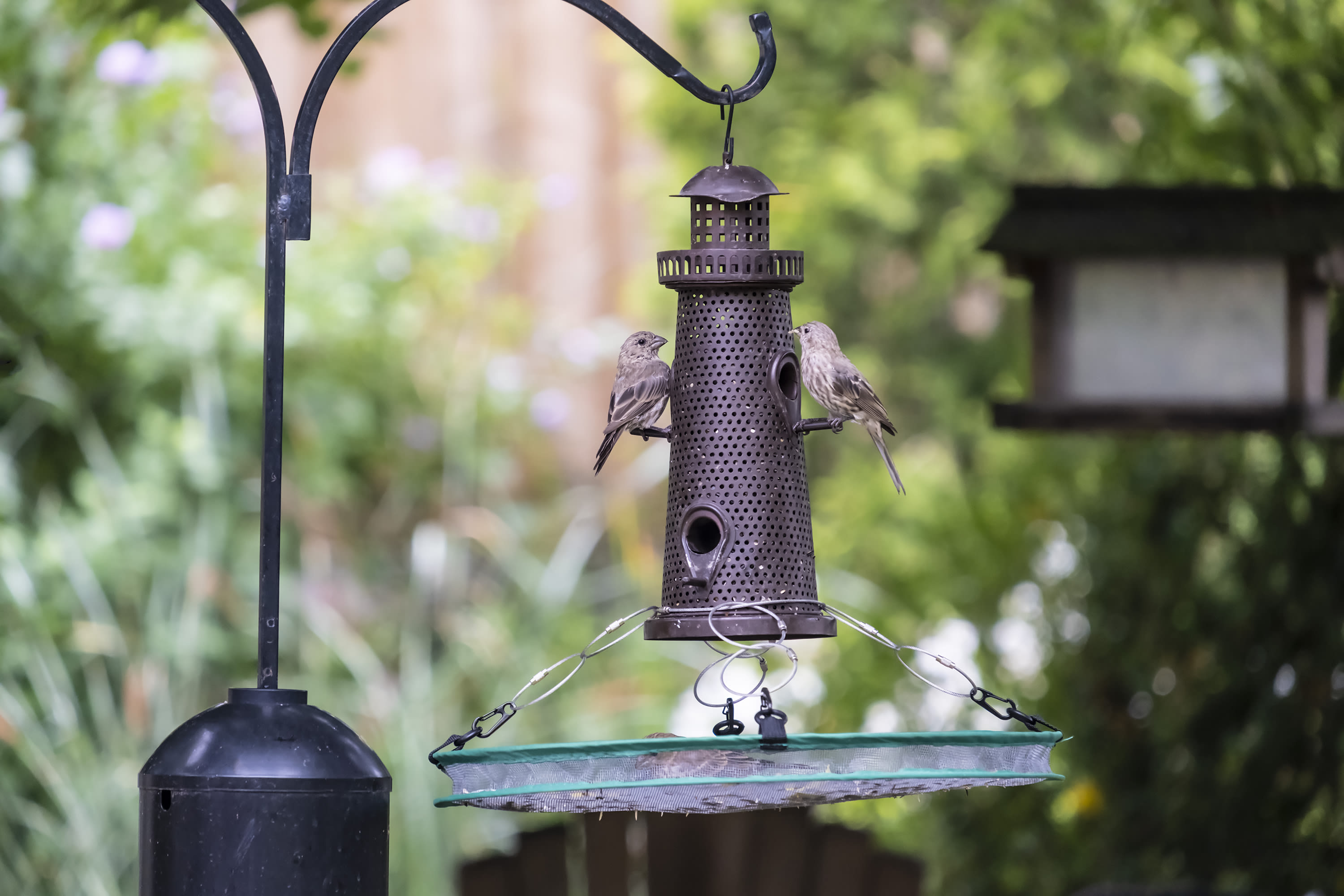
Bird sunflower seeds are a favorite among many bird species. They are easy to find and affordable. When placed in feeders, these seeds attract a variety of birds. Cardinals, sparrows, and finches love them. It’s a delightful way to observe wildlife in your backyard. Use a sturdy feeder to keep seeds dry and fresh. Regularly clean your feeder to maintain bird health. This helps prevent the spread of disease.Culinary Uses
Bird sunflower seeds are not just for birds. Humans can enjoy them too. They add crunch and flavor to dishes. Toss them in salads for a nutty taste. Roast them for a healthy snack. You can also use them in baking for added texture. Ensure the seeds are clean and free from chemicals. Cooking them releases more flavor and makes them easier to digest. They are rich in nutrients like vitamin E and magnesium. A tasty and healthy addition to your meals.Troubleshooting Common Issues
Growing bird sunflower seeds can bring joy and beauty to your garden. Still, some common problems may arise during planting and growth. Addressing these issues early helps your plants thrive and produce healthy blooms. Below are simple ways to solve frequent challenges.
Dealing With Poor Germination
Seeds may fail to sprout for several reasons. Poor soil quality or incorrect planting depth often causes this problem. Ensure the soil is loose, well-drained, and rich in nutrients. Plant seeds about one inch deep and keep the soil moist but not soggy.
Cold temperatures slow germination. Plant seeds after the last frost date in your area. Avoid planting in heavy clay soil that holds too much water. Check seed freshness too. Old seeds may have low germination rates.
Preventing Bird Damage
Ironically, birds attracted to sunflower seeds can damage young plants. They may eat seeds or pull out seedlings. Protect your seeds with a light layer of mulch or bird netting. Use scare devices like reflective tape or fake predators to keep birds away.
Planting in clusters can reduce damage since birds focus on easy targets. Harvest seeds only when fully mature to avoid attracting birds prematurely. Regular garden monitoring helps catch bird issues early.

Credit: www.amazon.ca
Frequently Asked Questions
Can You Grow Sunflowers From Bird Seed?
Yes, you can plant bird sunflower seeds to grow sunflowers. They may produce smaller flowers than garden varieties but still thrive well.
Are Bird Sunflower Seeds Good For Planting?
Bird sunflower seeds can grow into healthy plants. However, they often yield smaller, less uniform flowers than seeds meant for gardening.
How Do You Plant Bird Sunflower Seeds?
Plant seeds 1 inch deep in well-drained soil. Space them 6-12 inches apart and water regularly for best growth.
Will Bird Sunflower Seeds Attract Birds After Planting?
Yes, mature sunflower plants from bird seeds attract birds. They provide a natural food source and enhance your garden’s wildlife.
Conclusion
Planting bird sunflower seeds is simple and rewarding. They grow well in most gardens. These seeds produce bright, tall sunflowers that attract birds and insects. They need sunlight, water, and good soil to thrive. Watching birds visit your garden is a joy.
Bird sunflower seeds offer beauty and wildlife benefits. Try planting them this season for a lively, natural space.




