
Are you tired of squirrels stealing all the food from your bird feeders? You’re not alone.
Those clever little critters can be persistent and frustrating, ruining your chance to enjoy watching colorful birds up close. But don’t worry—there are simple and effective ways to keep squirrels away without harming them. You’ll discover practical tips that protect your feeders and bring more birds to your yard.
Keep reading to find out how to reclaim your bird feeder and enjoy peaceful birdwatching again.
Why Squirrels Visit Bird Feeders
Squirrels are common visitors to bird feeders in many neighborhoods. They are attracted by the easy access to food. Bird feeders offer a rich source of seeds and nuts. These are favorite foods for squirrels. Understanding why squirrels come to feeders helps in finding ways to keep them away.
Squirrel Behavior And Food Attraction
Squirrels are curious and clever animals. They search for food often in places where humans eat or store food. Bird feeders provide a steady supply of seeds and nuts. Squirrels are drawn to these high-energy foods because they need energy for their active lifestyle.
They use their sharp senses to detect food sources from a distance. Squirrels also have a habit of storing food for winter. Bird feeders are perfect places to collect extra food quickly. This behavior makes feeders a frequent target for squirrels.
Common Squirrel Strategies
Squirrels use several clever tricks to reach bird feeders. They jump from nearby trees or roofs to feeders. Their strong claws help them cling to poles and feeder edges. Sometimes they chew through parts of the feeder to get seeds.
- Jumping and climbing to reach feeders
- Chewing through barriers
- Waiting patiently for a chance to grab food
- Using agility to avoid traps or deterrents
These strategies make it difficult to keep squirrels away. Knowing these habits can help in choosing the right method to protect your bird feeders.
Choosing Squirrel-resistant Feeders
Choosing the right feeder is key to keeping squirrels away from your birdseed. Not all feeders are created equal, and some designs specifically help prevent those clever critters from snacking on your bird food. Picking a squirrel-resistant feeder lets you enjoy watching birds without the frustration of constant squirrel interruptions.
Weight-activated Feeders
Weight-activated feeders use the squirrel’s own weight against it. When a squirrel climbs on, the feeder’s mechanism closes off access to the seed. This means birds can feed easily, but squirrels get a locked feeder.
These feeders often have adjustable weight settings, so you can fine-tune what triggers the closure. Have you noticed squirrels often outsmart basic feeders? Weight-activated designs are a smart upgrade for your garden.
Caged Feeders
Caged feeders surround the seed container with a metal cage that lets birds in but keeps squirrels out. The cage openings are just the right size for birds to enter or reach the food, but too small for squirrels. This physical barrier is a simple and effective solution.
One tip is to check the cage size regularly. Some squirrels are surprisingly small and agile, so a sturdy cage with tight gaps works best. Have you tried watching how squirrels approach your feeder? Their persistence is impressive, making cages a practical choice.
Feeders With Baffles
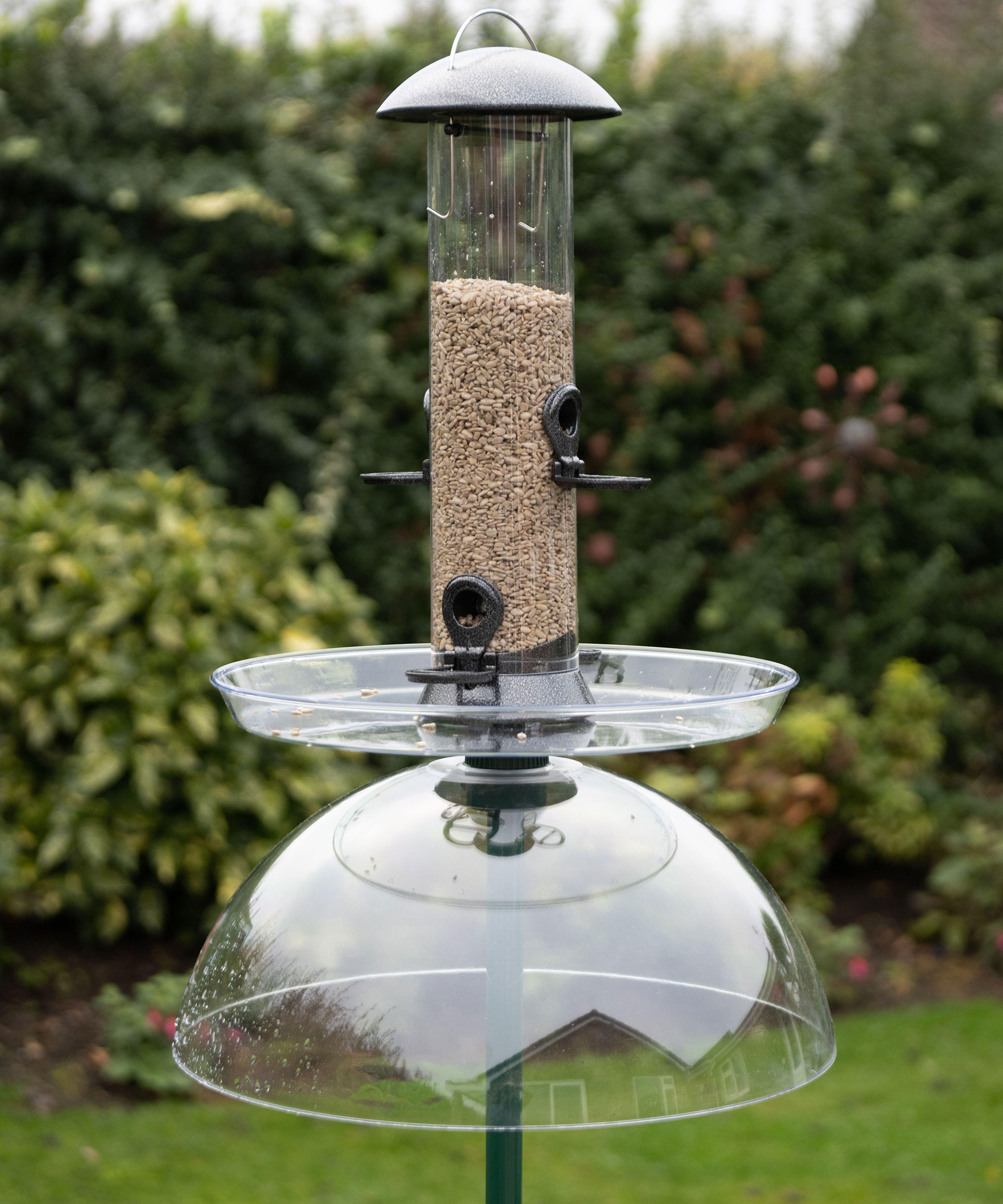
Baffles are dome or cone-shaped guards placed above or below the feeder. They block squirrels from climbing or jumping onto the feeder. Installing a baffle on your feeder pole or hanging wire can drastically reduce squirrel visits.
Choosing a feeder that comes with a built-in baffle or adding one yourself can save you time and hassle. Think about your feeder’s location: will a baffle stop squirrels climbing from nearby trees or poles? Positioning and the right baffle can make all the difference.
Effective Feeder Placement
Placing bird feeders correctly helps keep squirrels away. The right location stops squirrels from jumping or climbing to reach food. Careful placement makes feeders less accessible to these clever animals.
Distance From Trees And Structures
Keep feeders far from trees and structures. Squirrels use branches and ledges to jump onto feeders. A distance of at least 10 feet reduces their access. Avoid placing feeders near fences or rooftops too. This prevents squirrels from using them as launch points.
Open spaces around feeders make it harder for squirrels to reach. Birds feel safer too, encouraging more visits. Clear areas also make it easier to spot squirrels early.
Using Poles And Mounts
Mount feeders on smooth, tall poles. Poles are hard for squirrels to climb. Use metal or PVC pipes for better results. These materials are slippery and prevent gripping.
Install baffles on poles below feeders. Baffles are dome-shaped guards that block squirrels. They slide off or cannot hold on to the pole. Proper mounting cuts squirrel visits and protects bird food.
Using Physical Barriers
Using physical barriers is a practical way to keep squirrels away from bird feeders. These barriers block squirrels from reaching the food. They do not harm animals. Instead, they create a challenge for squirrels. Birds can still feed safely without interruptions.
Installing Baffles
Baffles are dome or cone-shaped devices. They fit above or below the feeder. Their smooth surface stops squirrels from climbing. Baffles come in metal or plastic. Metal ones last longer outdoors.
Place the baffle at least 18 inches above the feeder. It must be far from nearby branches or structures. Squirrels can jump from close spots. The baffle should be wide enough to block their path. This setup keeps squirrels from reaching the feeder.
Using Squirrel-proof Poles
Squirrel-proof poles have special designs to block squirrels. They often have slippery or spinning parts. These parts stop squirrels from climbing up. The poles are sturdy and fit most feeders.
Install the feeder on a pole at least 5 feet tall. Keep it away from trees and fences. This distance prevents squirrels from jumping onto the feeder. Poles with attached baffles give extra protection. Together, they create a strong barrier against squirrels.
Natural Deterrents
Natural deterrents offer a safe way to keep squirrels away from bird feeders. These options use scents and tastes squirrels dislike. They protect birds and avoid harm to animals or plants. Using natural methods helps maintain a peaceful garden environment.
Spicy Seed Mixes
Birds do not mind spicy seeds, but squirrels do. Adding chili powder or cayenne pepper to seed mixes keeps squirrels away. The heat irritates squirrels’ mouths but is safe for birds. You can mix powder directly into the birdseed or sprinkle it on top.
- Mix 1 teaspoon of chili powder per cup of seed.
- Shake the mix well before filling feeders.
- Reapply after rain or every few days.
This simple step discourages squirrels while feeding your birds naturally.
Repellent Sprays
Natural repellent sprays use ingredients like garlic, peppermint, or vinegar. These smells bother squirrels but do not harm birds or plants. Spray the feeder poles, nearby branches, and areas squirrels use to jump.
- Make a homemade spray with water, garlic, and peppermint oil.
- Spray every few days or after rain.
- Test a small area first to avoid damage.
Repellent sprays create a scent barrier that keeps squirrels at a distance. They are easy to apply and safe for your garden.

Credit: www.yahoo.com
Alternative Feeding Stations
Alternative feeding stations can help keep squirrels away from bird feeders. By offering squirrels their own feeders, you can protect your bird seed. Creating a dedicated space for squirrels satisfies their hunger and curiosity.
Setting Up Squirrel Feeders
Install squirrel feeders at a safe distance from bird feeders. Choose a location that is easy for squirrels to access. Use sturdy materials to withstand weather and squirrel activity.
Fill these feeders with squirrel-friendly foods like corn or nuts. Make sure the food is fresh and appealing. Regularly check and refill the feeders to maintain squirrel interest.
Redirecting Squirrel Attention
Squirrel feeders can redirect their attention away from bird feeders. Place them in areas where squirrels are active. This keeps them engaged and satisfied.
Observe squirrel behavior to adjust feeder placement. Ensure that the squirrel feeders remain interesting. This strategy can save bird seed and reduce feeder damage.
Maintenance Tips To Deter Squirrels
Place bird feeders away from trees or fences to reduce squirrel access. Use squirrel-proof feeders or add baffles to block their climb. Keep the area clean by removing spilled seeds that attract squirrels.
Keeping squirrels off your bird feeders can be quite the challenge, but maintaining your feeders can make a significant difference. Regular maintenance not only ensures a pleasant dining experience for your feathered friends but also acts as a deterrent for those cunning squirrels. Let’s dive into some practical maintenance tips that can help you win this battle.Regular Cleaning
Regular cleaning of your bird feeders is crucial. Not only does it prevent the spread of disease among birds, but it also makes the feeders less appealing to squirrels. Dirty feeders might harbor smells or residues that attract these furry intruders. Use a mild soap and water solution to scrub down the feeders at least once a week. Ensure you rinse thoroughly to remove all soap traces. Why not make it a family activity? Kids love to help with water-based tasks, and it’s a great way to teach them about wildlife care.Removing Fallen Seeds
Seeds that fall to the ground are an open invitation to squirrels. By regularly cleaning up these fallen seeds, you remove a major attractant for these persistent critters. Consider placing a tray under your bird feeder to catch stray seeds, making cleanup easier. Alternatively, you can lay a tarp beneath your feeder and simply gather it up every few days. This simple step can significantly reduce the chances of squirrels making your feeder their new favorite snack spot. Ever thought about using seed catchers? They not only keep your yard tidy but also help maintain a squirrel-free zone. How do you manage fallen seeds around your bird feeder? Share your tips in the comments below!
Credit: www.popsci.com
Credit: www.homesandgardens.com
Frequently Asked Questions
How Can I Squirrel-proof My Bird Feeder Effectively?
Use squirrel baffles above or below the feeder to block access. Choose feeders with weight-sensitive perches that close feeding ports when heavy animals land. Place feeders away from trees or structures squirrels can jump from. Regularly clean seed spills to avoid attracting squirrels.
What Types Of Bird Feeders Deter Squirrels Best?
Opt for metal or cage-style feeders that restrict squirrel entry. Weight-activated feeders close when squirrels try to feed. Tube feeders with small perches limit access. Avoid plastic feeders as squirrels can easily chew through them.
Which Birdseed Types Repel Squirrels Naturally?
Use safflower seeds, as most birds love them but squirrels dislike their taste. Avoid sunflower seeds or peanuts, which attract squirrels. Adding cayenne pepper powder to seed can deter squirrels without harming birds.
Can Physical Barriers Help Keep Squirrels Off Feeders?
Yes, install squirrel baffles or guards on poles or hanging wires. Use smooth, slippery poles to prevent climbing. Placing feeders on tall, thin poles with baffles reduces squirrel access effectively.
Conclusion
Keeping squirrels away from bird feeders takes patience and simple tricks. Try using squirrel-proof feeders or place feeders away from trees. Adding baffles or slippery poles can stop squirrels from climbing. Changing feeding times helps too. Remember, squirrels are clever, but you can protect your bird food.
Enjoy watching birds without the squirrel mess. Small steps make a big difference in your garden. Stay consistent and observe what works best for you. Happy bird watching!




