
Are you worried that your bird feeder might be putting your feathered friends at risk? You love watching birds up close, but what if feeding them could actually spread bird flu?
It’s a question many bird lovers don’t think about—until now. Understanding the risks and learning how to keep your backyard safe can protect both you and the birds you care about. Keep reading to discover what you need to know about bird feeders and bird flu, so you can enjoy your hobby without worry.
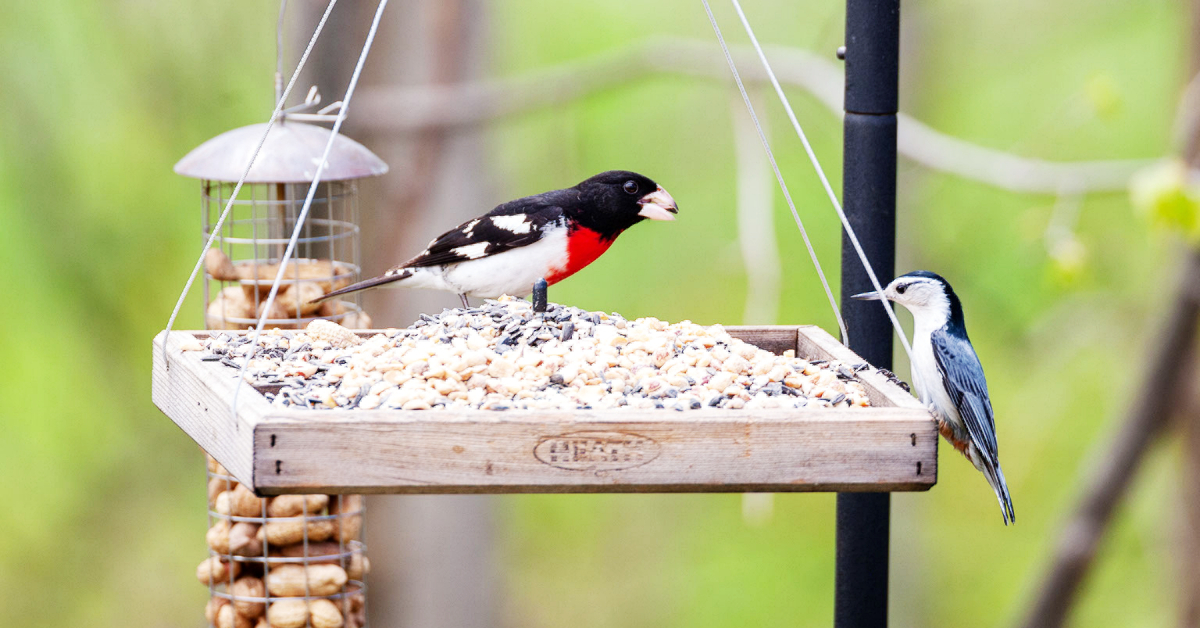
Credit: www.michiganaudubon.org
Bird Flu Basics
Understanding bird flu is key to deciding whether bird feeders in your yard pose any risk. Bird flu, also known as avian influenza, affects many types of birds and can sometimes be a serious threat. Knowing how it spreads and what signs to look for in wild birds helps you protect both your feathered visitors and yourself.
How Bird Flu Spreads
Bird flu mainly spreads through direct contact with infected birds or their secretions. This includes saliva, nasal fluids, and droppings. Contaminated surfaces like bird feeders, birdbaths, or even your hands can carry the virus if not cleaned regularly.
Wild birds, especially waterfowl, often carry the virus without showing symptoms and can pass it to other birds. This means your backyard feeder might become a hotspot if sick birds visit. Have you ever noticed a sudden drop in bird visits or unusual behavior around your feeder? This could be a warning sign.
Symptoms In Wild Birds
Spotting bird flu in wild birds can be tricky since some show no symptoms. When symptoms do appear, watch for:
- Lethargy or unusual weakness
- Swollen or purple wattles and combs
- Sudden death without any obvious illness
- Labored breathing or coughing
- Drooping wings and difficulty flying
If you see these signs, it’s best to temporarily remove feeders and birdbaths to reduce the risk of spreading the disease. Have you ever had to take down your feeder for this reason? Sharing your experience could help others stay safe.
Role Of Bird Feeders
Bird feeders play a significant role in shaping the daily lives of wild birds around your home. They offer an easy food source, encouraging birds to visit regularly and even stay through colder months. But as you fill your feeders, have you ever wondered if these feeding spots could unintentionally pose a health risk, especially concerning bird flu?
Attracting Birds And Risks
Bird feeders attract a variety of species, creating a lively gathering spot in your yard. This concentration of birds can be wonderful for observation and enjoyment.
However, the same gathering can increase the risk of disease spread. When many birds come together, viruses like bird flu can transmit more easily from one bird to another.
Think about how crowded places affect human health during flu season; similar principles apply here. You need to consider how your feeder might be a hotspot for passing on infections.
Common Contamination Sources
Contamination often occurs through droppings left on feeders or nearby surfaces. Birds pecking at shared food can also spread germs through their beaks.
- Seed debris accumulating under feeders can harbor viruses.
- Water dishes, if left stagnant or dirty, become breeding grounds for bacteria and viruses.
- Feeder surfaces that aren’t cleaned regularly allow viruses to survive and spread.
Regular cleaning of feeders with hot soapy water or a mild bleach solution can reduce these risks significantly. Have you checked your feeder’s cleanliness lately?
Research On Bird Feeders And Flu
Research on bird feeders and flu explores if feeders spread bird flu among wild birds. Scientists study how viruses travel through shared feeding spots. This research helps understand risks and ways to keep birds safe.
Studies Linking Feeders To Disease
Some studies show bird feeders can help spread diseases. Birds gather closely at feeders, which aids virus spread. Researchers found flu viruses on surfaces of feeders. Sick birds visiting feeders may pass viruses to others.
Research also links feeders to outbreaks of illnesses like avian pox and salmonella. These studies suggest feeders can be points of disease transmission. Yet, the exact role in bird flu spread is still being studied.
Limitations Of Current Data
Data on bird feeders and flu has limits. Many studies focus on small areas or specific bird species. This makes it hard to apply results broadly. Virus detection on feeders does not always mean active spread.
Environmental factors and bird behavior vary widely. These differences affect disease spread and study outcomes. More research is needed to confirm bird feeders’ role in bird flu transmission.

Credit: www.bellinghamherald.com
Preventive Measures
Bird flu is a concern for bird enthusiasts. Taking preventive measures can help. Proper care and maintenance of bird feeders are crucial. These steps can reduce risks and keep birds safe. Focus on cleanliness and choosing suitable feeders.
Safe Cleaning Practices
Regularly clean bird feeders to prevent disease spread. Use a mild soap and water solution. Rinse thoroughly and let them dry completely. Avoid harsh chemicals. They can harm birds. Clean feeders weekly, or more often if needed. Wear gloves to protect yourself while cleaning.
Choosing The Right Feeders
Select feeders designed for easy cleaning. Opt for materials that resist mold and bacteria. Glass and metal feeders are good choices. Avoid wood, as it absorbs moisture. Ensure the feeder has good drainage to keep food dry. This helps prevent bacterial growth.
Protecting Birds And People
Protecting both birds and people from bird flu is crucial, especially if you enjoy watching wildlife in your backyard. Bird feeders can unintentionally become hotspots for the spread of disease if not managed carefully. Taking simple, thoughtful actions can make a big difference in keeping everyone safe and healthy.
Minimizing Cross-species Transmission
Bird feeders attract many species, which increases the chance of diseases like bird flu spreading. You can help reduce this risk by cleaning feeders regularly with a mild bleach solution. This kills viruses that might linger on surfaces.
Try to space out feeders to avoid crowding. Overcrowding encourages close contact, which makes it easier for viruses to jump between birds. Also, consider removing feeders temporarily if you notice sick or dead birds nearby.
Have you noticed how some birds avoid feeders when others gather? Observing their behavior can give you clues about potential health risks in your area.
Community Awareness And Action
Sharing knowledge about bird flu risks helps your community stay alert and responsive. Talk to your neighbors about the importance of feeder hygiene and monitoring bird health. A community that acts together can prevent outbreaks more effectively.
Local wildlife groups or parks often have updates on bird flu cases. Staying informed means you can adjust your feeding practices quickly. You might also consider joining local citizen science projects to report bird sightings and health issues.
Think about how your small steps can influence a larger network of bird lovers. What if your actions helped stop a disease from spreading beyond your backyard?

Credit: www.bellinghamherald.com
Frequently Asked Questions
Can Bird Feeders Spread Bird Flu To Wild Birds?
Yes, bird feeders can spread bird flu by concentrating many birds in one area. Contaminated feeders may transmit viruses through saliva and droppings.
How To Keep Bird Feeders Safe From Bird Flu?
Regularly clean feeders with hot water and disinfectants. Avoid overcrowding by spacing feeders and removing old seeds promptly.
Should I Stop Using Bird Feeders During Bird Flu Outbreaks?
Temporarily stopping feeders during outbreaks can reduce disease spread. Follow local wildlife health advisories before deciding to pause feeding.
What Signs Indicate Bird Flu In Birds Near Feeders?
Look for lethargy, swollen eyes, ruffled feathers, and unusual behavior. Sick birds often avoid feeders and may die quickly.
Conclusion
Bird feeders can attract many birds, which may increase disease spread. Cleaning feeders often helps keep birds safer and healthy. Use fresh food and change it regularly to avoid mold and germs. Watch birds for signs of sickness and stop feeding if needed.
Feeding birds is fun but requires care and attention. Taking simple steps lowers bird flu risks and helps birds thrive. Enjoy nature while protecting your feathered friends.




