
Have you ever wondered what time songbirds eat during the day? If you enjoy watching these beautiful creatures, knowing their feeding habits can make your experience even more rewarding.
Understanding when songbirds are most active helps you plan the best moments to observe them or even attract them to your backyard. You’ll discover the exact times songbirds prefer to eat and why their feeding schedule matters to you as a bird lover.
Keep reading to unlock these fascinating secrets and deepen your connection with nature.
Songbird Feeding Times
Songbirds follow specific feeding times throughout the day. These feeding patterns help them get enough energy to stay active and healthy. Understanding their feeding times can help bird watchers and nature lovers support these birds better.
Morning Meal Patterns
Songbirds start eating soon after sunrise. The morning meal is important to replace energy lost overnight. Birds often choose insects, seeds, and berries early in the day. This meal gives them strength for flying and singing.
Afternoon Feeding Habits
In the afternoon, songbirds feed less frequently. They look for food between rest periods. This feeding helps maintain their energy during warmer hours. Birds often eat small insects and soft fruits at this time.
Evening Snack Routines
Before nightfall, songbirds eat again to prepare for the cold night. Evening snacks usually include seeds and leftover insects. This food helps them stay warm and ready for the next day. Birds slow down after this meal and rest quietly.
Credit: www.outdoorguide.com
Factors Influencing Feeding
Songbirds do not eat at fixed times every day. Their feeding habits change based on several factors. These factors affect when and how often songbirds look for food. Understanding these influences helps us learn more about their daily routines.
Seasonal Changes
Seasons affect the amount of daylight and food availability. In spring and summer, days are longer. Songbirds eat more often to support breeding and raising chicks. In fall and winter, daylight is shorter. Birds may feed less or at different times to conserve energy.
Weather Impact
Weather changes influence bird feeding times. On cold or rainy days, birds may eat more to stay warm. During storms, they often stay hidden and eat less. Sunny, calm days encourage more active feeding. Birds adjust their habits to survive harsh weather.
Availability Of Food
Food supply directly controls when birds eat. If food is abundant, they feed throughout the day. Scarce food makes them search more carefully and feed at specific times. Different foods, like insects or seeds, are available at different times. Birds adapt to these patterns for the best chance to eat.
Common Songbird Diets
Songbirds eat a variety of foods depending on their species and habitat. Their diets include insects, seeds, fruits, and nectar. These foods provide essential nutrients and energy for daily activities. Understanding common songbird diets helps you attract and support these birds in your garden or local area.
Insect Preferences
Many songbirds rely on insects as a primary food source. Insects offer high protein needed for growth and energy. Caterpillars, beetles, ants, and spiders are common choices. Birds often feed on insects during warmer months when bugs are abundant. Insect-eating birds help control pest populations naturally.
Seed Choices
Seeds form a large part of many songbirds’ diets, especially in colder months. Sunflower seeds, millet, and nyjer are popular among finches and sparrows. Seeds are easy to find and store for later use. Some songbirds have strong beaks to crack open tough seed shells. Seed feeders attract diverse bird species to your yard.
Fruit And Nectar Intake
Fruits provide vital vitamins and sugars for songbirds. Berries, cherries, and small fruits attract thrushes and waxwings. Nectar is a sweet energy source for hummingbirds and orioles. These birds visit flowering plants or feeders with sugar water. Fruit and nectar eating birds help pollinate plants and spread seeds.
Feeding Behavior Variations
Songbirds show many differences in their feeding habits. These changes depend on their species, habitat, and dangers nearby. Understanding these variations helps us learn how songbirds survive and thrive.
Species-specific Patterns
Each songbird species eats at different times. Some are early risers, feeding at dawn. Others prefer the warm midday sun. Their diets also vary. Some eat mostly insects, while others focus on seeds or fruits. These choices shape when and how they feed.
Urban Vs. Rural Feeding
Songbirds in cities face different challenges than those in the countryside. Urban birds often feed near human activity. They find food in gardens, parks, or trash. Rural birds rely more on natural sources like trees and bushes. The feeding times may shift because of noise or human presence in cities.
Impact Of Predators
Predators affect when songbirds feel safe to eat. Birds may feed quickly if they sense danger. They often choose spots with good cover. Some avoid feeding during times when predators hunt most. This behavior helps them stay alive.
Tips For Attracting Songbirds
Attracting songbirds to your yard can turn any outdoor space into a lively, colorful retreat. Knowing when and how to feed them makes a big difference. The right timing, feeders, and safe habits invite these beautiful birds to visit often and stay healthy.
Best Feeding Times For Birdwatching
Songbirds usually eat early in the morning and late in the afternoon. These times are when they’re most active and hungry. If you want to enjoy watching them, set up your feeders to be full just before dawn and refill before sunset.
Have you noticed how birds seem to rush to feeders right after sunrise? That’s because they need energy after a night of fasting. Feeding during these peak times gives you the best chance to see a variety of species up close.
Choosing The Right Feeders
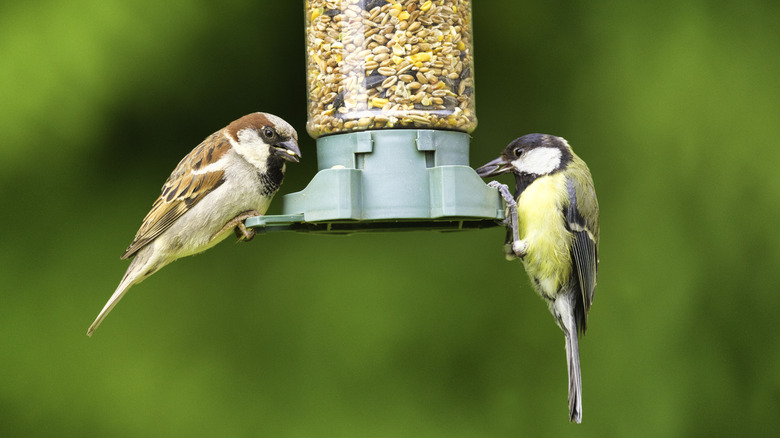
Not all feeders attract the same songbirds. Tube feeders are great for finches and chickadees, while platform feeders welcome a wider variety, including cardinals. If you want to attract hummingbirds, try a feeder with bright red accents and nectar.
Think about placement too—feeders near trees or shrubs provide shelter and make birds feel safer. Have you tried mixing feeder types? Combining several can bring more species to your yard.
Safe Feeding Practices
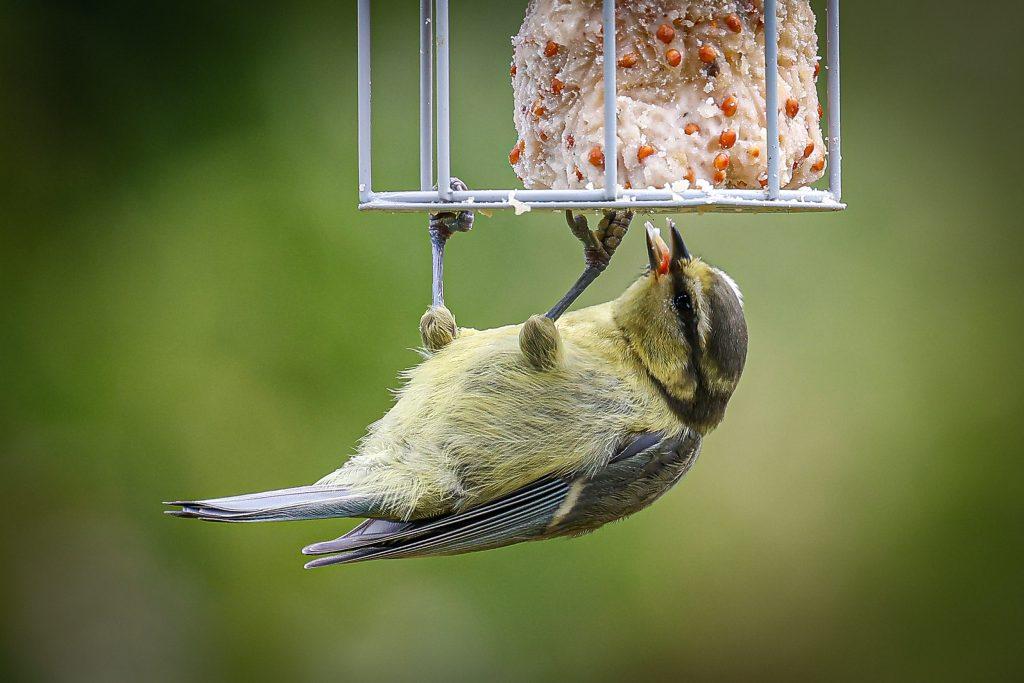
Keeping feeders clean is crucial. Dirty feeders spread disease and can harm birds. Wash your feeders every two weeks with hot water and mild soap, then rinse thoroughly.
Also, avoid overcrowding by placing multiple feeders around your yard. This reduces competition and stress among birds. Are you ready to create a safe, welcoming spot that songbirds will return to season after season?

Credit: birdfact.com
Credit: help.gardeningexpress.co.uk
Frequently Asked Questions
When Do Songbirds Typically Eat During The Day?
Songbirds usually eat early in the morning and late afternoon. These times offer cooler temperatures and abundant food. Morning feeding helps replenish energy after night rest. Late afternoon feeding prepares them for overnight fasting. This pattern maximizes their energy efficiency and survival chances.
How Often Do Songbirds Eat Daily?
Songbirds eat multiple times a day, often every few hours. Frequent feeding supports their high metabolism and energy needs. They consume insects, seeds, and fruits throughout the day. This regular intake helps maintain body warmth and activity. Feeding frequency varies with species and environmental conditions.
Do Songbirds Eat More In The Morning Or Evening?
Songbirds tend to eat more in the early morning than evening. Morning meals boost energy for daily activities like flying and singing. Evening feeding is lighter, focusing on preparing for the night. Food availability and temperature influence this feeding pattern.
This behavior helps optimize their daily energy use.
What Affects Songbirds’ Feeding Times The Most?
Light levels, temperature, and food availability mainly affect feeding times. Songbirds adjust their eating based on daylight hours and weather. Seasonal changes also influence when and how often they feed. Predation risk can shift their feeding to safer times. These factors ensure optimal foraging and survival.
Conclusion
Songbirds usually eat early in the morning and late in the afternoon. They need energy to sing, fly, and stay warm. Watching birds during these times can be very rewarding. Feeding them can help them survive, especially in cold months.
Remember to offer fresh water and natural food. Understanding their eating habits helps protect these beautiful creatures. Keep your yard bird-friendly and enjoy their lively presence every day. Simple actions make a big difference for songbirds’ health and happiness.




