
Do you want to see colorful birds visiting your garden every day? Attracting birds to your bird house can turn your outdoor space into a lively, peaceful retreat.
But how do you make sure your feathered friends choose your bird house over others? This guide will show you simple, effective tips to create the perfect home that birds can’t resist. Keep reading, and soon you’ll enjoy the joyful sights and sounds of birds right outside your window.
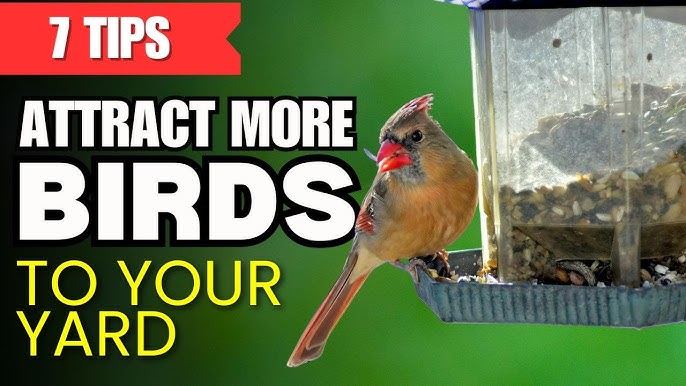
Credit: www.youtube.com
Choosing The Right Bird House
Choosing the right bird house is key to welcoming feathered friends to your garden. The right design not only attracts birds but also keeps them safe and comfortable. Let’s look closely at what makes a bird house perfect for your local bird species.
Material Matters
Wood is the best choice for bird houses because it provides natural insulation and breathability. Avoid plastic or metal as these materials can overheat and harm the birds inside. Cedar and pine are popular woods that resist weather and last long.
Have you noticed how some bird houses fade or crack quickly? That’s often due to poor material choice. Using untreated, natural wood helps maintain a healthy environment for birds.
Size And Entrance Hole
Different birds prefer different sizes of houses and entrance holes. Small birds like chickadees need a hole around 1 1/8 inches wide, while bluebirds prefer 1 1/2 inches. A house that’s too big or has a large hole can invite predators or unwanted guests.
Think about the birds you want to attract. Measuring the entrance hole correctly increases the chance that your bird house will be chosen. It’s a simple detail that makes a big difference.
Ventilation And Drainage
Good airflow prevents the inside of the bird house from becoming too hot or damp. Look for houses with small vents near the top to allow heat to escape. Drainage holes on the bottom keep rainwater from pooling inside, which can harm eggs or chicks.
Imagine checking a bird house after a rainstorm and finding it dry and cozy. Proper ventilation and drainage keep the space comfortable, helping birds raise their young safely.

Credit: underatinroof.com
Best Location For Placement
Choosing the right spot for your bird house is key to attracting birds. Birds feel safe and comfortable in a good location. The placement affects their chance to nest and raise young successfully.
Height And Safety
Place the bird house at the right height. Most small birds prefer it between 5 and 10 feet above ground. This height keeps them safe from ground predators. Avoid placing the house too low or too high. It should be easy for birds to enter but hard for predators to reach.
Sunlight And Shade
Find a balance between sunlight and shade. Birds need warmth but not too much heat. Position the house where it gets morning sun and afternoon shade. This helps keep the nest comfortable during hot days. Avoid spots that stay in full sun all day or are always dark.
Avoiding Predators
Keep the bird house away from places predators like cats and squirrels visit. Do not place it near bird feeders or bushes where predators hide. Use smooth poles or metal guards to stop predators from climbing. Clear the area below the house to make predators visible and less likely to approach.
Attractive Features For Birds
Creating a bird house that truly attracts feathered visitors means focusing on features that meet their natural needs. Birds look for safety, comfort, and convenience when choosing a home. By adding thoughtful touches, you can make your bird house a preferred spot for many species.
Natural Surroundings
Birds feel safer when their homes are close to natural elements like trees, shrubs, or tall grasses. These surroundings provide shelter and a quick escape from predators. Have you noticed how birds often avoid isolated bird houses in open spaces? Position your bird house near a cluster of plants to mimic their natural habitat.
Try to avoid placing the bird house where there’s too much direct sunlight or heavy wind. A shaded, calm spot helps maintain a comfortable temperature inside. This small adjustment can make a big difference in how often birds visit.
Adding Perches And Landing Spots
Birds appreciate easy access to their homes. Adding perches or small landing spots near the entrance gives them a place to rest before entering. This also helps young birds practice flying skills safely.
Use natural materials like small branches or smooth wooden dowels for perches. Avoid metal or plastic as these can get too hot or cold. Have you tried watching how birds use perches? You’ll see they prefer spots that feel secure and stable.
Using Bird-friendly Colors
Colors play a subtle but important role in attracting birds. Earth tones such as greens, browns, and soft grays blend well with the environment and appear less threatening. Bright colors might scare birds away or attract unwanted predators.
Painting your bird house with non-toxic, water-based paints ensures it’s safe for your visitors. Have you ever noticed birds ignoring flashy decorations? Keeping colors natural increases the chance they’ll move in and stay.
Food And Water Sources
Providing fresh water and natural food sources near the birdhouse invites birds to visit often. Seeds, berries, and clean water help birds feel safe and welcome. Creating a steady supply encourages birds to stay and build nests nearby.
Attracting birds to your birdhouse is all about creating an inviting environment that meets their basic needs. Food and water are crucial components in this equation. By providing these essentials, you not only help sustain the local bird population but also enjoy the vibrant display of nature in your own backyard.Feeding Stations Nearby
Place feeding stations within close proximity to the birdhouse. Birds prefer areas where they feel safe and can easily access food. You can use a variety of feeders such as tube feeders for seeds or suet cages for high-energy snacks. Consider the types of birds you wish to attract. Different species have different preferences, so a variety of food options can increase your chances of success. Keep the feeding stations clean to prevent disease, and regularly refill them to keep birds coming back.Providing Fresh Water
A simple birdbath can make a world of difference. Birds need fresh water for drinking and bathing, especially during hot weather. Ensure the water is clean and fresh by changing it daily. Place the birdbath in a location that offers some cover but is still visible. This helps birds feel safe from predators while they enjoy a refreshing dip. Adding a small fountain or dripper can create movement, which attracts more birds.Planting Bird-friendly Flora
Planting native flora is a natural way to attract birds. Native plants provide food in the form of seeds, berries, and nectar. They also offer shelter and nesting materials. Select a mix of trees, shrubs, and flowers to create a diverse habitat. Plants like sunflowers, coneflowers, and berry-producing bushes are excellent choices. Why not turn your garden into a bird paradise? Are you ready to transform your backyard into a bird haven? By focusing on these food and water sources, you’ll not only attract more birds but also create a vibrant and lively atmosphere right outside your door.Maintenance For Long-term Use
Keeping your bird house in great shape is key to attracting birds season after season. Maintenance is more than just a chore; it’s about creating a safe, inviting home that birds will return to. Let’s look at how regular care can make a big difference in your bird house’s long-term appeal.
Regular Cleaning
Cleaning your bird house regularly prevents the buildup of parasites and old nesting materials that can deter birds. Aim to clean it out at least once a year, preferably after the breeding season. Use a mild bleach solution (one part bleach to nine parts water) to disinfect, then rinse thoroughly and let it dry completely before putting it back.
Have you noticed less bird activity? Dirty or overcrowded houses might be the reason. Cleaning keeps your bird house fresh and safe, encouraging new tenants.
Seasonal Adjustments
Bird needs change with the seasons, and so should your bird house. In colder months, adding insulation or protecting the entrance from harsh winds can help birds stay warm. During hot summers, ensure there is enough ventilation and shade to prevent overheating.
Try placing your bird house where it gets morning sun but afternoon shade. Small changes like this can greatly improve comfort for the birds.
Monitoring Bird Activity
Keep an eye on who’s using your bird house and how often. This can tell you a lot about whether your maintenance efforts are working. If certain species avoid it, consider adjusting the size or entrance hole to better suit their needs.
Watching birds build nests or feed their young inside can be incredibly rewarding. It also gives you clues on when to step in with cleaning or repairs. Are you ready to become a better birdhouse host by paying attention to these signs?
Common Mistakes To Avoid
Attracting birds to a bird house can be a joyful experience. Avoiding common mistakes helps create a safe and welcoming spot for birds. Small errors can discourage birds from visiting or nesting.
Wrong Placement
Placing the bird house in the wrong spot often causes problems. Avoid areas with too much sun or strong winds. Keep the house away from busy human paths and noisy places. Position it at a height that protects birds from predators. Face the entrance away from prevailing winds for better shelter.
Ignoring Safety Measures
Safety is key to attracting birds. Avoid placing the bird house near predator nests or pet zones. Use predator guards or baffles if needed. Check the house regularly for damage or pests. Ensure good ventilation and drainage to keep the inside dry and comfortable. Safety helps birds feel secure and stay longer.
Using Harmful Materials
Using unsafe materials can harm birds and reduce visits. Avoid treated wood or paints with toxic chemicals. Use natural, untreated wood for bird houses. Steer clear of metal or plastic that can overheat. Smooth edges and no sharp parts prevent injuries. Safe materials create a healthy home for birds.
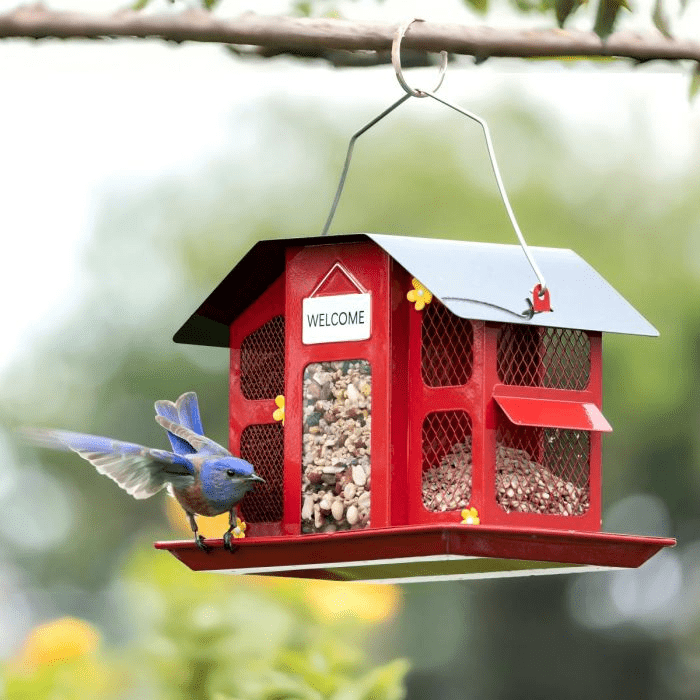
Credit: www.kingsyard.com
Frequently Asked Questions
How Do I Choose The Best Bird House Location?
Place the bird house in a quiet, sheltered spot away from predators. Face the entrance away from prevailing winds. Ensure it receives morning sunlight and afternoon shade for comfort. Position it 5 to 10 feet above the ground for safety and easy bird access.
What Materials Are Ideal For A Bird House?
Use untreated, natural wood like cedar or pine for durability and breathability. Avoid metal or plastic as they can overheat. Ensure the wood is thick enough to provide insulation. Proper materials help maintain a stable temperature inside the bird house.
How Can I Keep Birds Safe From Predators?
Install predator guards like baffles on poles or trees supporting the bird house. Avoid placing houses near dense shrubbery where predators can hide. Regularly clean the house to prevent parasites. Secure mounting prevents easy access by raccoons and cats.
What Food Attracts Birds To A Bird House?
Offer native seeds, suet, and fresh water near the bird house. Avoid processed or sugary foods. Providing natural food sources encourages birds to visit and nest nearby. Clean feeders regularly to maintain bird health and attract more visitors.
Conclusion
Attracting birds to your birdhouse takes care and patience. Choose the right location with safety and shelter in mind. Use natural materials and clean water nearby. Watch quietly and enjoy their visits over time. Each step helps create a welcoming space for birds.
Your effort brings nature closer to your home. Keep learning and adjusting to support your feathered friends. Soon, your birdhouse will become a lively spot full of chirps and colors.




