
Have you ever noticed birds rolling around in the dirt and wondered why they do it? Dust baths might look messy, but they play an important role in keeping birds healthy and comfortable.
If you’re curious about which birds take dust baths and how this simple behavior benefits them, you’re in the right place. By the end of this article, you’ll see your feathered friends in a whole new light—and maybe even learn how to create the perfect dust bath spot right in your backyard.
Keep reading to discover the surprising world of birds and their dusty rituals!

Credit: www.sandiegouniontribune.com
Why Birds Take Dust Baths
Birds take dust baths to keep their feathers clean and healthy. This natural behavior helps them remove dirt and parasites. Dust baths also play a role in maintaining feather condition and comfort. Observing birds dust bathing reveals their unique ways of caring for themselves.
Benefits Of Dust Bathing
Dust baths help birds get rid of excess oil and moisture. The fine dust absorbs grease and dirt from feathers. Parasites like mites and lice find it hard to stay on dusty feathers. Dust bathing also reduces itchiness and skin irritation. Clean feathers improve a bird’s ability to fly and stay warm.
How Dust Baths Work
Birds find dry, loose dirt or sand for dust baths. They fluff their feathers and roll or shake in the dust. Dust particles reach deep into the feathers and skin. Birds then shake off the dust, along with dirt and pests. This simple process keeps feathers light and clean without water.

Credit: www.wikiwand.com
Common Birds That Dust Bath
Many birds enjoy dust bathing as a natural way to keep their feathers clean and healthy. This behavior helps remove parasites and excess oil, making it an essential part of their grooming routine. You might be surprised how often you can spot birds engaging in this dusty ritual if you know which species to watch for.
Sparrows And Finches
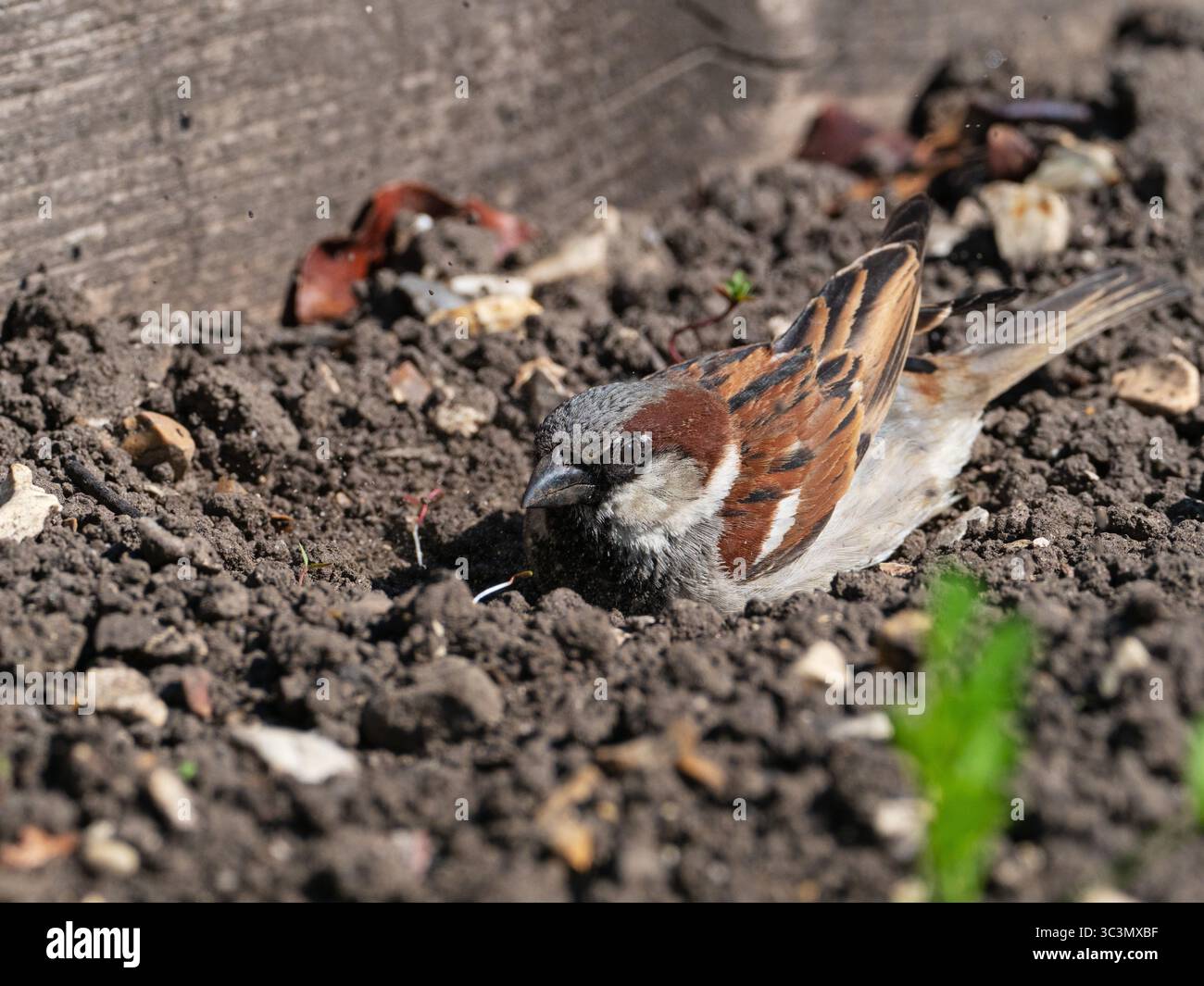
Sparrows and finches are some of the most common birds you’ll see dust bathing in your backyard. These small birds love dry, loose soil where they can fluff up their feathers and shake off dirt. Watching a sparrow dive into a dusty patch and roll around can be quite entertaining and shows how important this activity is for their feather care.
If you’ve noticed sparrows or finches hopping into dusty spots near your garden, you’re witnessing a natural behavior that keeps them parasite-free. You can even encourage this by leaving some bare soil or sandy areas in your yard.
Doves And Pigeons
Doves and pigeons also take dust baths, often in quiet, sandy places. These birds use dust bathing not only to clean their feathers but also to help control mites and other pests. Their method involves fluffing their feathers and rubbing their bodies into the dust, which might remind you of how cats groom themselves.
Have you ever seen a pigeon suddenly stop and roll on the ground? That’s a dust bath in action. Providing a dust bath area can attract these gentle birds to your outdoor space, giving you a closer look at their natural habits.
Surprising Species That Enjoy Dust Baths
Most people picture sparrows and finches kicking up dust when they think of dust baths. But did you know that several surprising bird species also enjoy this dusty spa treatment? These less obvious dust bath takers use it to keep their feathers clean, free from parasites, and in top shape.
Owls In Dust
Owls are usually associated with silent flight and night hunting, not dust baths. Yet, many owl species, like the Barn Owl, take dust baths to maintain their feather condition. You might spot an owl fluffing up and rolling gently in dry dirt to remove excess oils and pesky mites.
Have you ever wondered why owls, known for their stealth, would expose themselves this way? Dust baths help them stay silent by keeping their feathers light and free from debris.
Woodpeckers’ Dust Rituals
Woodpeckers don’t just peck at trees; they also indulge in dust baths. These birds use dust to clean their feathers and control parasites that thrive in their dense plumage. Watching a woodpecker kick up dust with their strong legs is a clear sign they value this habit.
Next time you see a woodpecker, pay attention to whether it takes a moment to dust bathe—it’s a key part of their self-care routine. How often do you think they repeat this ritual to keep their feathers in prime condition?
Parrots And Their Dust Preferences
Parrots might surprise you as dust bath fans. Many species, including budgerigars and cockatiels, prefer dust baths over water baths. Their choice might seem odd, but dust helps them remove excess oils and prevents feather mites better than water in some cases.
If you keep parrots, offering them a dust bath can improve their feather health dramatically. What kind of dust do you think your parrot would prefer—a fine sand or something coarser?
Dust Bathing Behavior And Techniques
Many bird species, such as sparrows, pigeons, and quails, take dust baths to clean their feathers. This behavior helps remove parasites and keeps their feathers healthy. Birds fluff their feathers and shake dust into them to reach every part of their body.
Dust bathing is a fascinating behavior observed in many bird species. It helps them maintain feather health and control parasites. Birds use dust baths to clean themselves without water. This behavior is common among ground-dwelling birds. Let’s explore how birds choose their spots and the movements they use.Choosing The Right Spot
Birds are selective about their dust bath locations. They often pick dry, loose soil. The spot should be safe from predators. Open areas with good visibility are preferred. Sunlit spots are also popular. Warmth helps in the dust bathing process. Birds often return to the same spots.Bathing Movements And Patterns
Birds have unique ways of dust bathing. They start by lying on the ground. Wings are spread wide. This helps cover more feathers with dust. Birds then wiggle and shake their bodies. Dust penetrates through the feathers. They often use their beaks to toss dust. This ensures thorough coverage. Afterward, they shake off excess dust. This leaves the feathers clean and fresh.How Environment Affects Dust Bathing
Understanding how the environment influences dust bathing helps you appreciate why some birds choose certain spots over others. Dust bathing is more than a habit; it’s a vital behavior that keeps birds healthy by removing parasites and excess oil from their feathers. But the availability and quality of dust bathing areas depend heavily on the surrounding environment.
Seasonal Changes
Seasonal shifts can dramatically affect where and how often birds take dust baths. Dry seasons usually offer plenty of loose dirt, making dust baths easier and more frequent. On the other hand, wet or cold seasons limit access to dry dust, causing birds to pause or seek alternative cleaning methods.
Have you noticed how birds seem less active in muddy or rainy conditions? That’s because wet ground doesn’t provide the dry particles needed to absorb oils and dislodge parasites. Some birds adapt by dust bathing less or finding sheltered spots that dry faster after rain.
Urban Vs. Wild Habitats
Urban environments often lack natural dust bathing spots due to paved surfaces and compacted soil. Birds in cities might struggle to find suitable dust baths, which can affect their feather health. However, some urban birds get creative, using sandy patches in parks, construction sites, or gardens.
- Wild habitats usually offer richer and more varied dust sources.
- Open fields, riverbanks, and dry forest floors provide ideal dust bathing conditions.
- In contrast, urban birds may rely on human-altered landscapes, which can be less reliable.
Next time you watch birds dust bathing in your backyard or a park, consider how the environment shapes their behavior. Could you help by providing dry, sandy spots that encourage this natural cleaning ritual?
Creating A Dust Bath Area For Birds
Creating a dust bath area helps birds keep their feathers clean and healthy. Many birds enjoy rolling and flapping in loose, dry dirt. This behavior removes parasites and excess oil from their feathers. Providing a dedicated space encourages natural bird habits and supports their well-being.
Materials To Use
Choose materials that are safe and comfortable for birds to roll in. Loose, dry soil is the best base. Avoid wet or compacted dirt. Add fine sand or wood ash to improve texture. Some birds like a mix of sand and dirt. Avoid using soil treated with chemicals or fertilizers. You can add crushed eggshells or diatomaceous earth for extra cleaning power.
Placement Tips
Pick a quiet, sunny spot for the dust bath. Birds prefer warm, dry areas with some shade nearby. Place the bath away from heavy foot traffic and predators. Make sure the area drains well to avoid mud. Keep the dust bath visible so birds can find it easily. Refresh the material regularly to keep it clean and dry.
Credit: www.alamy.com
Frequently Asked Questions
What Birds Commonly Take Dust Baths?
Many birds like sparrows, finches, pigeons, and quails take dust baths. This behavior helps them clean feathers and remove parasites efficiently.
Why Do Birds Take Dust Baths Regularly?
Birds take dust baths to keep their feathers healthy. Dust absorbs excess oil and dislodges mites, preventing infections and maintaining insulation.
How Often Do Birds Need Dust Baths?
Birds usually take dust baths every few days. Frequency depends on species, weather, and parasite load to maintain feather condition and hygiene.
Where Do Birds Find Safe Dust Bathing Spots?
Birds prefer dry, loose soil or sand patches sheltered from wind and predators. These spots provide optimal conditions for effective dust bathing.
Conclusion
Birds that take dust baths do so to stay clean and healthy. Dust helps remove oil and parasites from their feathers. Many common birds, like sparrows and finches, enjoy this natural habit. Watching them dust bathe can be quite fun.
It shows how animals use simple ways to care for themselves. Next time you see birds in dry dirt or sand, you’ll know why. Dust baths are a small but important part of their daily routine. Understanding this behavior helps us appreciate birds even more.




