
Are you wondering if you can place your hummingbird feeder close to other bird feeders? It’s a common question for anyone who loves attracting different birds to their yard.
You want to enjoy a variety of feathered visitors without causing any problems or scaring away the tiny hummingbirds. You’ll discover how to set up your feeders the right way to keep all your birds happy and coming back for more.
Keep reading, and you’ll learn simple tips that make your backyard a safe and welcoming spot for every bird species.
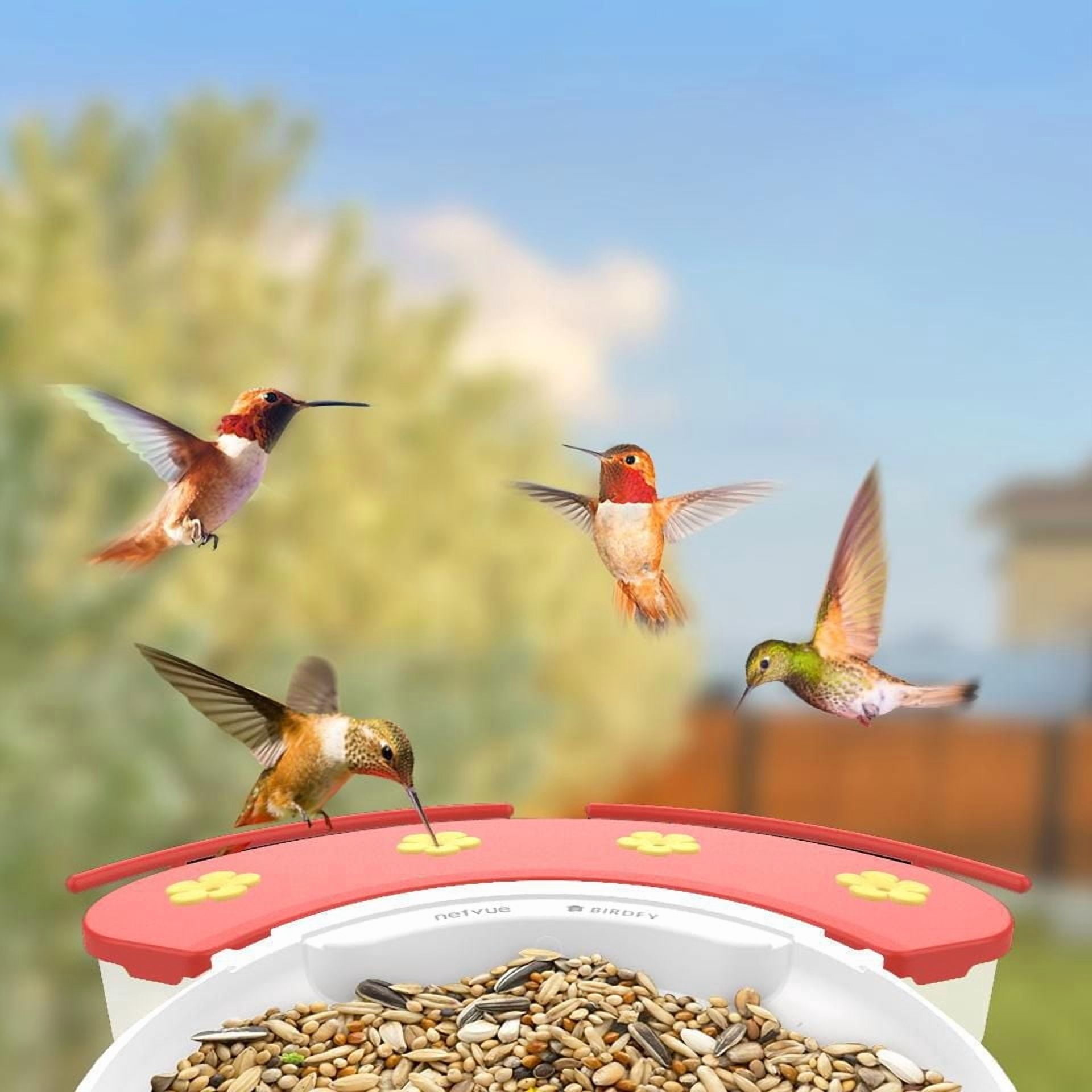
Credit: www.walmart.ca
Hummingbird Feeder Basics
Hummingbird feeders attract these tiny, fast birds with sweet nectar. Understanding basic feeder facts helps create a welcoming spot. Placement and feeder type affect hummingbird visits. Keep feeders clean to prevent disease. Fresh nectar draws more birds and keeps them healthy.
Types Of Hummingbird Feeders
- Tube Feeders:Slim and simple, often with red accents to attract birds.
- Bell Feeders:Round shape with multiple feeding ports.
- Window Feeders:Stick to glass for close-up views.
- Platform Feeders:Flat and open, less common for hummingbirds but still useful.
Each feeder type suits different spaces and preferences. Choose one easy to clean and refill.
Choosing The Right Location
Place feeders where hummingbirds feel safe. Near flowers or shrubs is ideal. Avoid direct sun to keep nectar fresh longer. Keep feeders away from strong winds and busy areas. Distance from other bird feeders matters. Crowded spots may scare hummingbirds away.
Compatibility With Other Bird Feeders
Understanding the compatibility of a hummingbird feeder with other bird feeders helps create a balanced feeding area. Different birds have different needs and behaviors. Placing feeders thoughtfully can encourage a variety of birds to visit your yard. It also helps avoid conflicts between species and keeps hummingbirds safe and comfortable.
Attracting Different Bird Species
Each bird species prefers specific food types. Hummingbirds love nectar, while other birds enjoy seeds, suet, or fruit. Having multiple feeders with varied food attracts more species. This variety creates a lively and diverse backyard environment. Some birds can be territorial, so separate feeders reduce competition. Hummingbirds often defend their nectar sources fiercely. Separate hummingbird feeders from seed or suet feeders to prevent stress.
Feeder Placement Strategies
Place hummingbird feeders in shaded spots to keep nectar fresh. Other bird feeders can go in sunnier, open areas. Keep at least 10 feet between hummingbird feeders and other feeders. This distance reduces aggressive encounters and allows hummingbirds space to feed peacefully. Hang feeders at different heights to match bird preferences. Use natural cover like bushes near hummingbird feeders for protection. Clean feeders regularly to prevent disease and maintain bird health.
Benefits Of Grouping Feeders
Placing your hummingbird feeder near other bird feeders can create a lively and diverse backyard scene. Grouping feeders not only attracts more birds but also simplifies how you manage and enjoy your feeding station. It’s worth considering the benefits of having multiple feeders close together before you set up your birdwatching spot.
Increased Bird Activity
When feeders are grouped, you’re likely to see more birds visiting your yard. Different species often have different feeding habits and preferences, so a cluster of feeders can appeal to a wider variety of birds.
I once set up a hummingbird feeder right next to a seed feeder. Soon, I noticed hummingbirds and finches sharing the space, each enjoying their preferred food. This mix creates a dynamic environment that’s exciting to watch and photograph.
Doesn’t it feel more rewarding when your yard buzzes with different bird calls and colors? Grouping feeders encourages this diversity and keeps your outdoor space lively.
Ease Of Maintenance
Having feeders close together makes cleaning and refilling easier. Instead of walking all over your yard, you can quickly check all feeders in one spot.
This setup helps you spot and address issues like mold, ants, or low nectar faster. Regular maintenance keeps your feeders safe and inviting for birds.
Think about how much time you can save by consolidating your feeding station. You’ll likely feed more birds and spend less time on upkeep, making your birdwatching experience smoother and more enjoyable.

Credit: www.hummingbirdsociety.org
Potential Challenges
Placing a hummingbird feeder near other bird feeders can present challenges. Birds have unique behaviors and needs. Understanding these challenges helps create a harmonious environment for all birds.
Aggression And Territorial Behavior
Hummingbirds are fiercely territorial. They often guard their feeding spots. This behavior can lead to conflicts with other birds. Larger birds might scare hummingbirds away. This can limit access to food. Observing bird interactions can help in adjusting feeder placement. Ensuring enough space between feeders can reduce aggression.
Feeder Hygiene Concerns
Maintaining feeder hygiene is crucial for bird health. Different birds bring various germs and bacteria. Mixing feeders can increase the risk of disease spread. Regular cleaning of feeders is essential. Use a mild soap and rinse thoroughly. Ensure feeders dry completely before refilling. This practice keeps the feeding area safe for all birds.
Expert Tips For Placement
Placing a hummingbird feeder near other bird feeders needs care. Proper placement helps hummingbirds feed safely and reduces competition. Small changes in location can make a big difference in attracting hummingbirds and keeping all birds happy.
Safe Distances Between Feeders
Keep hummingbird feeders at least 10 feet away from other feeders. This distance prevents larger birds from crowding hummingbirds. It also reduces fighting and stress for all birds. A space of 10 to 15 feet works best in most gardens.
Using Visual Barriers
Place plants or small shrubs between feeders to act as visual barriers. These barriers give hummingbirds a safe spot to rest. They also block direct sight lines from bigger birds. Use bushes, trellises, or hanging plants to create natural shields.
Timing And Season Considerations
Change feeder placement based on the season and bird activity. During migration, hummingbirds need more quiet and space. Move feeders away from busy spots in early spring and late summer. This helps hummingbirds find food without disturbance.

Credit: www.reconnectwithnature.org
Feeder Care And Cleaning
Keeping a hummingbird feeder clean is vital for bird health and feeder longevity. Dirty feeders can harm hummingbirds and attract unwanted pests. Proper care ensures a safe feeding spot and clear nectar for these tiny birds. Regular cleaning helps avoid mold and bacteria growth that can spread quickly.
Frequency Of Cleaning
Clean hummingbird feeders at least twice a week in warm weather. Cooler months allow for cleaning once every week. Frequent cleaning prevents nectar fermentation and keeps it fresh. Always empty old nectar before refilling the feeder. This practice reduces the risk of disease for hummingbirds.
Preventing Mold And Bacteria
Mold and bacteria thrive in leftover nectar and damp places. Use hot water and a mild soap to wash all feeder parts. Avoid harsh chemicals that might harm birds. Rinse the feeder well to remove all soap residues. Dry the feeder completely before refilling to stop mold growth. Inspect feeders regularly for cracks or sticky residue. Replace any damaged feeders to keep birds safe and healthy.
Frequently Asked Questions
Can Hummingbird Feeders Be Placed Near Other Bird Feeders?
Yes, hummingbird feeders can be placed near other bird feeders. However, maintain some distance to reduce competition and stress among birds.
How Close Should A Hummingbird Feeder Be To Other Feeders?
Keep hummingbird feeders at least 10 to 15 feet away from other feeders. This spacing helps hummingbirds feed comfortably without disturbance.
Will Other Birds Bother Hummingbirds At Nearby Feeders?
Some birds may compete or scare hummingbirds. Proper feeder placement and design can minimize conflicts and ensure peaceful feeding.
Does Feeder Placement Affect Hummingbird Feeding Behavior?
Yes, feeder placement affects feeding. Hummingbirds prefer feeders in quiet, open areas with some shade for safety and comfort.
Conclusion
Placing a hummingbird feeder near other bird feeders can work well. Keep some space between them to avoid crowding and competition. Hummingbirds like quiet spots without too many big birds nearby. Watch how birds behave and adjust feeder positions if needed.
This helps all birds feed safely and happily. With simple care, you can enjoy many different birds in one place. Try to create a peaceful feeding area for all bird visitors.




