
Are you tired of blackbirds taking over your bird feeders and scaring away the smaller birds you want to attract? It can be frustrating to see your feeder dominated by these noisy visitors, leaving little for the other feathered friends.
But don’t worry—there are simple, effective ways you can keep blackbirds out while still enjoying a lively, diverse backyard. You’ll discover easy tips and tricks to protect your feeders and create a peaceful space where all your favorite birds can thrive.
Keep reading, and take control of your bird feeder today!
Why Blackbirds Visit Feeders
Blackbirds visit bird feeders because they find easy food sources there. Feeders offer seeds and grains that match their diet. These birds also look for safe places to eat without much disturbance. Understanding why blackbirds come to feeders helps in keeping them away effectively.
Blackbird Feeding Habits
Blackbirds eat a mix of seeds, fruits, and insects. They prefer larger seeds like sunflower and cracked corn. These birds often feed in groups. They look for places where food is plentiful and easy to get. Blackbirds also eat on the ground near feeders.
Attractive Feeder Types
Blackbirds like platform feeders because they provide easy access. They also visit tube feeders with large perches. Feeders placed in open areas attract more blackbirds. Feeders that spill seeds on the ground invite these birds too. Understanding which feeders attract blackbirds helps in choosing better options.

Credit: www.natureswaybirds.com
Choosing The Right Feeder
Choosing the right feeder plays a crucial role in keeping blackbirds away from your bird feeders. The design and type of feeder you select can either invite or discourage these larger birds. Focusing on feeders that cater to small birds can help you attract the species you want while making it harder for blackbirds to access the food.
Feeders Designed For Small Birds
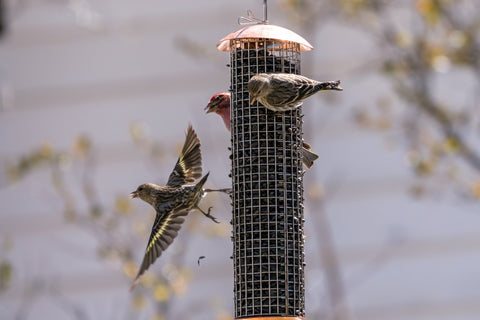
Feeders made specifically for small birds often have narrow perches or small feeding ports. These features make it difficult for blackbirds, which are larger and heavier, to land or feed comfortably. Tube feeders with tiny holes are excellent examples—they allow small birds like finches and chickadees to eat but keep bigger birds at bay.
I once switched to a feeder with small feeding ports after blackbirds took over my old one. Almost overnight, the smaller birds returned, and the blackbirds stopped hanging around. Have you noticed how certain feeders seem to attract unwanted guests? Choosing a feeder designed for small birds can solve that problem fast.
Avoiding Open Tray Feeders
Open tray feeders provide ample space for blackbirds to perch and feed freely. These feeders are like an open invitation for larger birds, as they can easily land and dominate the feeding area. If you want to reduce blackbird visits, avoid open trays and opt for feeders that limit perching space.
Instead of tray feeders, consider hopper feeders with enclosed spaces or feeders with weight-sensitive perches that close access when heavy birds land. These designs help keep your feeding station exclusive to smaller species. Wouldn’t it be nice to watch your favorite small birds without the blackbirds crowding the scene?
Selecting Suitable Birdseed
Choosing the right birdseed can help keep blackbirds away from your feeders. Blackbirds prefer certain seeds over others. Using seeds they avoid can protect your feeder for smaller birds. This way, you feed the birds you want to see in your garden.
Seeds Blackbirds Avoid
Blackbirds tend to avoid certain types of seeds. These seeds are less attractive to them but still loved by smaller birds. Here are some seeds blackbirds usually avoid:
- Nyjer (thistle) seed
- Safflower seed
- Millet
- Cracked corn
Using these seeds reduces the chance of blackbirds crowding your feeder. Nyjer seed is especially good for attracting finches and sparrows without inviting blackbirds.
Best Seeds For Small Birds
Small birds like finches, chickadees, and sparrows prefer specific seeds. These seeds keep your feeder busy with small birds only.
- Nyjer seed attracts finches and siskins
- Safflower seed appeals to cardinals and chickadees
- White proso millet is a favorite of sparrows and juncos
- Sunflower chips are easy for small birds to eat
Using these seeds helps create a peaceful feeding spot for small birds. It also limits the presence of larger, aggressive blackbirds.
Feeder Placement Strategies
Blackbirds can be persistent visitors at bird feeders. Their presence often discourages smaller birds. Effective feeder placement can help keep them away. Consider different strategies to make your bird feeders more exclusive.
Height And Location Tips
Place feeders at a height of 5-7 feet. This height deters blackbirds who prefer ground feeding. Choose locations near shrubs or trees. This offers smaller birds a quick escape. Avoid open spaces where blackbirds feel more secure.
Using Barriers And Spacing
Install barriers around your feeders. Use mesh or wire cages to restrict access. Make sure openings are small enough to keep blackbirds out. Space feeders at least 10 feet apart. This reduces competition and discourages larger birds.
Using Deterrents To Discourage Blackbirds
Keeping blackbirds away from your bird feeders can be a real challenge, especially when they start dominating the feeding spots meant for smaller birds. Using deterrents effectively can help you protect your feeders and give your favorite feathered visitors the space they deserve.
Visual Deterrents
Blackbirds are wary of unfamiliar sights. You can use this to your advantage by placing shiny or moving objects near your feeders. Items like reflective tape, old CDs, or even predator decoys such as plastic owls can make blackbirds think twice before approaching.
Change the position of these deterrents regularly to keep the blackbirds from getting used to them. Have you noticed how a simple twist of a shiny object can catch the sunlight and create an unsettling flash? That’s exactly what makes these visual deterrents effective.
Sound Devices
Sound can be a powerful way to discourage blackbirds, as they often avoid loud or sudden noises. Devices that emit distress calls or predator sounds can create an uneasy environment for them.
However, you need to use sound devices thoughtfully—continuous noise can annoy your neighbors and might lose its effect on blackbirds over time. Consider motion-activated sound makers that only trigger when blackbirds approach. This targeted approach keeps your yard peaceful while still protecting your feeders.
Physical Barriers
Sometimes, the best way to stop blackbirds is to block their access directly. Use feeders designed with smaller ports or cages that allow tiny birds to enter but keep larger blackbirds out.
Installing baffles or mesh guards around the feeding area can also limit blackbirds’ landing spots. Have you tried adjusting the height or location of your feeders? Moving them to less accessible spots can add another layer of defense.
Credit: birdschoice.com
Maintaining A Clean Feeding Area
Keeping blackbirds away from your bird feeders starts with a clean feeding area. Blackbirds are attracted not only to the seed but also to the mess and leftovers on the ground. You can reduce their visits by managing spilled seed and maintaining a tidy feeder environment.
Reducing Spilled Seed
Spilled seed on the ground acts like an all-you-can-eat buffet for blackbirds. To cut down on this, use feeders with built-in trays or seed catchers that catch excess seed before it falls. You might also try feeders with smaller ports designed for finches and smaller birds, which limits seed access to larger birds.
Another tip is to place a seed mat or ground cover beneath your feeder. This makes cleaning easier and prevents seed from scattering into the soil. Have you noticed how much seed can accumulate around a feeder after just a day? Regularly sweeping or raking the area can make a big difference in discouraging blackbirds.
Regular Feeder Cleaning
Dirty feeders attract unwanted visitors like blackbirds and can even harm your feathered friends. Clean your feeders every two weeks with warm, soapy water and a brush to remove old seed, dirt, and mold. This simple routine helps keep the seed fresh and less appealing to blackbirds searching for easy food.
Don’t forget to rinse thoroughly and let the feeder dry completely before refilling. If you’ve ever skipped cleaning, you might have noticed an increase in blackbird visits. Keeping your feeders clean not only benefits the birds you want but also discourages those you don’t.
Alternative Feeding Options
Alternative feeding options help manage blackbirds at feeders. They allow you to feed other birds without losing seeds to blackbirds. These options create balance and reduce competition. You can provide food in ways that suit different bird types.
Separate Feeding Stations
Set up different feeding stations for blackbirds and smaller birds. Use larger trays or ground feeders for blackbirds. Place them away from tube or hopper feeders used by small songbirds. This reduces conflicts and seed theft.
Choose open areas for blackbird feeders. Smaller birds prefer feeders near shrubs or trees. This separation helps both groups feed comfortably. It also keeps your main feeders cleaner and less crowded.
Feeding Blackbirds Elsewhere
Offer blackbirds their own food source in a different spot. Use foods they like, such as cracked corn or sunflower seeds on the ground. This attracts blackbirds away from your primary feeders.
Place blackbird feeding areas far from your garden or windows. This prevents noise and droppings near your home. Regularly clean these areas to keep them sanitary. Feeding blackbirds separately reduces their presence at other feeders.

Credit: www.youtube.com
Frequently Asked Questions
How Can I Prevent Blackbirds From Eating Bird Seed?
Use feeders designed for smaller birds and fill them with seeds blackbirds dislike. Replace sunflower seeds with safflower or nyjer seeds to deter blackbirds effectively.
What Type Of Bird Feeder Keeps Blackbirds Away?
Tube feeders with small feeding ports restrict large birds like blackbirds. Hopper feeders with weight-sensitive perches can close when heavy birds land.
Does Changing Bird Seed Help Keep Blackbirds Out?
Yes, switching to safflower or nyjer seeds discourages blackbirds. These seeds appeal more to finches and smaller birds, not blackbirds.
Are There Natural Repellents For Blackbirds At Feeders?
Yes, reflective tape and shiny objects scare blackbirds. Placing these around feeders creates an environment blackbirds avoid.
Conclusion
Keeping blackbirds away from feeders takes patience and small changes. Try using feeders designed for smaller birds. Place feeders in open areas where blackbirds feel less safe. Change the seed type to one blackbirds don’t prefer. Regularly clean feeders to avoid attracting unwanted birds.
Watch how birds visit and adjust your setup as needed. These simple steps help protect your feeders and enjoy different birds. Stay consistent, and your garden will welcome the birds you want.




