
Have you ever spotted a bright red cardinal visiting your bird feeder and wondered if these beautiful birds actually eat from it? If you’re curious about what cardinals like to eat and whether your feeder is a favorite spot for them, you’re in the right place.
Understanding their feeding habits can help you attract more cardinals to your yard and enjoy their vibrant presence up close. Keep reading, and you’ll discover exactly what cardinals eat from bird feeders and how to make your feeder irresistible to these stunning birds.

Credit: www.birdfeederco.com
Cardinal Diet Basics
Cardinals have a varied diet that supports their active lifestyle. Understanding what they eat helps attract these bright birds to your yard. Their diet includes seeds, fruits, and insects. This variety keeps them healthy throughout the year.
Natural Food Preferences
Cardinals prefer seeds like sunflower and safflower. They also enjoy eating berries and small fruits. Insects such as beetles and caterpillars add protein. These foods provide essential nutrients for energy and growth. Cardinals often forage on the ground or in shrubs.
Seasonal Diet Changes
Cardinal diets shift with the seasons. In spring and summer, insects make up a larger part. During fall and winter, seeds and fruits become important. This change helps cardinals find food when insects are scarce. Providing a mix of seeds in feeders supports their needs year-round.
Attraction To Bird Feeders
Cardinals are charming visitors to many backyards, and their attraction to bird feeders can brighten your outdoor space. Understanding what draws them to feeders helps you create a welcoming spot that encourages repeat visits. You might be surprised by how selective these birds can be.
Types Of Feeders Cardinals Prefer
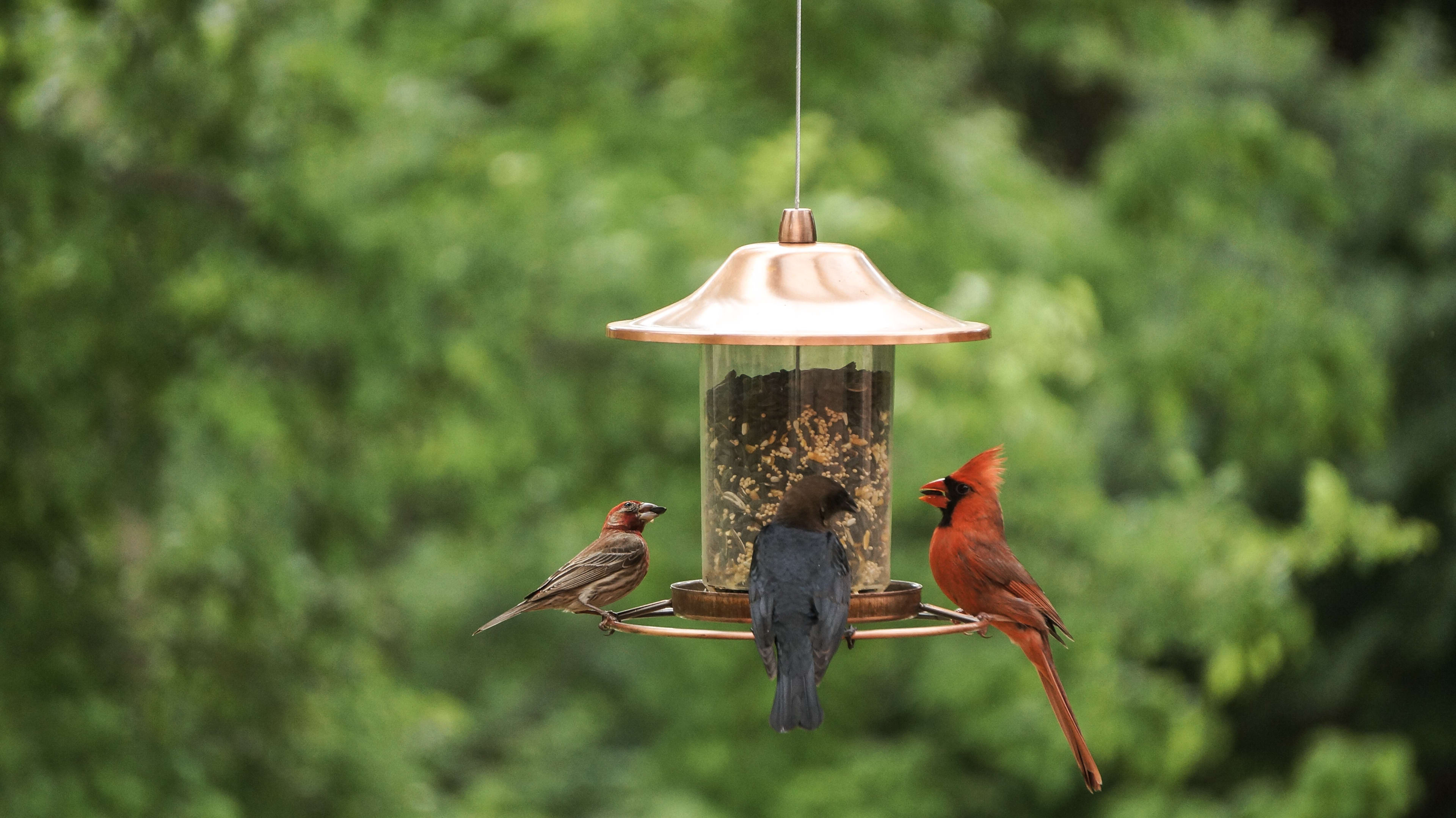
Cardinals favor feeders that offer easy access and stability. Platform feeders or hopper feeders work well because cardinals like to perch while they eat. Tube feeders with large perches can also attract them, but make sure the openings are wide enough for their beaks.
Feeder placement matters too. Cardinals prefer feeders placed near shrubs or trees where they can quickly retreat if they sense danger. Have you noticed how they often stay close to cover? That’s why positioning your feeder near natural shelter increases your chances of a cardinal visit.
Favorite Seeds For Cardinals
Cardinals have clear preferences when it comes to seeds. They love sunflower seeds, especially black oil sunflower seeds, because of their high energy content and easy shell removal. Safflower seeds are another favorite, and interestingly, they tend to avoid feeders frequented by squirrels since safflower tastes bitter to those critters.
Offering a mix of seeds can keep cardinals coming back. Try blending sunflower seeds with cracked corn or peanuts for variety. Have you ever watched a cardinal pick through a mixed seed feeder, carefully selecting their favorite bits? Observing that can help you adjust your seed choices to keep them happy.
Feeding Behavior At Feeders
Cardinals are frequent visitors to bird feeders. Their feeding behavior at feeders shows interesting patterns. Understanding these habits helps attract them to your yard. Cardinals prefer certain times and show unique social behaviors during feeding.
Feeding Times And Patterns
Cardinals usually feed during early morning and late afternoon. These times offer cooler temperatures and less competition. They often visit feeders several times a day. Their visits last a few minutes each time. Cardinals prefer feeders with sunflower seeds and safflower seeds. They eat while perched calmly on the feeder or nearby branches.
Social Behavior Around Feeders
Cardinals can be both social and territorial around feeders. Males often show dominance by chasing away other birds. Females are more tolerant and feed alongside other species. During breeding season, pairs feed close together. Outside this period, cardinals may feed alone or in small groups. They communicate with soft calls to signal safety or warn of danger.
Benefits Of Feeding Cardinals
Feeding cardinals offers many rewards beyond just seeing these bright birds. It helps the local ecosystem and brings joy to your outdoor space. Cardinals are easy to attract with the right food. Watching them visit your feeder creates a peaceful, natural atmosphere. The benefits of feeding cardinals reach both nature and people.
Supporting Local Wildlife
Providing food supports cardinals through cold months. Food can be scarce in winter, so feeders help birds survive. Cardinals also feed other small animals nearby. Offering seeds helps maintain healthy bird populations. This support can improve biodiversity in your area. Feeding birds reduces their need to search far for food. It creates a safe spot where cardinals gather and rest.
Encouraging Backyard Birdwatching
Feeding cardinals turns your yard into a lively birdwatching spot. Their bright red color stands out against green trees or snow. Watching cardinals is calming and fun for all ages. It encourages outdoor time and nature appreciation. Birdwatching helps people learn about local wildlife. Feeding cardinals also attracts other bird species, increasing variety. A simple feeder can spark a new hobby or interest.
Common Misconceptions
People love watching cardinals in their gardens. These birds’ vibrant red feathers captivate many. But myths about their feeding habits persist. Let’s address some common misconceptions about cardinals and bird feeders.
Do Cardinals Depend On Feeders?
Cardinals do not rely solely on bird feeders for food. They thrive in the wild by foraging. In nature, they eat seeds, insects, and fruits. Bird feeders offer them easy food access. But they are not essential for their survival.
Feeders attract cardinals, especially during winter. Yet, they don’t solely depend on them. They can find food elsewhere. This shows their adaptability and resilience.
Feeder Competition With Other Birds
Many believe cardinals struggle with other birds at feeders. This is not entirely true. Cardinals are competitive and resourceful. They share feeders with sparrows, finches, and chickadees.
Cardinals prefer feeders with larger perches. This allows them to feed comfortably. Selecting the right feeder can reduce competition. Providing enough feeders also helps. This ensures all birds get their share.
Understanding these misconceptions enriches your bird-watching experience. Embrace the diversity of birdlife in your garden. Watch cardinals thrive alongside their feathered friends.
Tips For Attracting Cardinals
Attracting cardinals to your bird feeder takes a bit of planning. Cardinals prefer safe, quiet places with food that suits their taste. Setting up your feeder correctly can invite these beautiful birds to visit often. Understanding their habits helps create a welcoming space.
Best Feeder Placement
Place feeders in a quiet spot with some cover nearby. Cardinals like to perch close to trees or shrubs. This helps them feel safe while eating. Avoid busy or noisy areas. A spot near a window lets you enjoy watching them up close.
Keep feeders about 5 to 6 feet off the ground. This height protects cardinals from predators. Also, place feeders away from places where cats or other animals can hide.
Choosing The Right Food
Cardinals enjoy seeds that are easy to eat. Black oil sunflower seeds are their favorite. These seeds have a thin shell and lots of nutrition. They also like safflower seeds and cracked corn. Avoid mixes with fillers that birds do not eat.
Offer fresh food regularly to keep cardinals coming back. Clean feeders often to prevent mold or bacteria. Fresh water nearby also attracts cardinals and helps them stay healthy.
Protecting Cardinals At Feeders
Feeding cardinals at your backyard feeder brings joy and beauty to your space. Protecting these bright birds is important for their safety and health. Simple actions keep cardinals safe and encourage them to visit often.
Preventing Predators
Predators can scare cardinals away or harm them. Place feeders where cats and larger birds cannot reach easily. Use feeders with baffles or guards to block climbing animals. Avoid placing feeders near thick bushes where predators hide. Keep the area around feeders clear for better visibility. These steps help cardinals feel safe and secure.
Maintaining Feeder Cleanliness
Clean feeders prevent disease and keep cardinals healthy. Wash feeders with warm, soapy water every two weeks. Rinse well to remove soap and dry completely before refilling. Remove old or wet seeds to stop mold growth. Use fresh seed daily to attract cardinals. Clean feeders create a healthy feeding spot and reduce bird illnesses.

Credit: www.youtube.com
Credit: dengarden.com
Frequently Asked Questions
Do Cardinals Visit Bird Feeders Regularly?
Yes, cardinals frequently visit bird feeders, especially during winter. They prefer feeders with sunflower seeds and safflower seeds. Providing a quiet, safe feeding area attracts them effectively.
What Food Do Cardinals Prefer In Feeders?
Cardinals favor black oil sunflower seeds and safflower seeds. These seeds provide essential nutrients and energy. Avoid mixes with millet, as cardinals rarely eat them.
Can Cardinals Eat From Platform Feeders?
Yes, cardinals often feed from platform feeders. These feeders offer easy access and space for their size. Adding sunflower seeds to platforms encourages cardinals to visit.
How To Attract Cardinals To My Bird Feeder?
Use feeders with sunflower or safflower seeds. Place feeders in quiet, sheltered spots with nearby trees or shrubs. Consistent feeding helps cardinals become regular visitors.
Conclusion
Cardinals enjoy eating from bird feeders, especially during cold months. They prefer seeds like sunflower and safflower. Watching cardinals visit your feeder brings joy and color. Keep feeders clean and full to attract these beautiful birds. Place feeders where cardinals feel safe and can spot predators.
Feeding cardinals helps them survive tough weather and raises their chances to thrive. Simple steps create a welcoming spot for cardinals in your yard. Enjoy the bright red presence and sweet songs of cardinals near your home.




