
Have you ever felt trapped, like your dreams and voice are held back by invisible bars? Maya Angelou’s poem “Caged Bird” captures that feeling in a way that touches your heart and mind.
This powerful piece contrasts the freedom some enjoy with the struggle others face, making you think deeply about freedom, hope, and resilience. If you want to understand what Angelou really means and how this poem can inspire your own life, keep reading.
You’ll discover why “Caged Bird” remains so important and how its message speaks directly to your experience.
Maya Angelou’s Life And Influence
Maya Angelou’s life and work deeply shaped the meaning behind Caged Bird. Her experiences as a Black woman in America gave her a unique voice that resonates throughout her writing. Understanding her background helps you grasp why this poem strikes a chord with so many readers.
Early Years And Background
Maya Angelou was born in 1928 in St. Louis, Missouri, and faced many hardships from a young age. She experienced trauma and racism, but these challenges fueled her determination to speak out. Her childhood shaped her sense of identity and justice, which you can see reflected in her poetry.
She spent time growing up in the segregated South, where she witnessed harsh inequalities firsthand. These memories are important because they give her writing a raw, authentic edge that you can feel when reading Caged Bird.
Impact On Civil Rights Movement
Angelou was not just a writer; she was an active participant in the Civil Rights Movement. She worked alongside leaders like Martin Luther King Jr. and Malcolm X, lending her voice to fight racial injustice. This real-world activism adds depth to her poetry’s themes of freedom and oppression.
Her poetry speaks directly to those who have felt silenced or confined. Does her courage inspire you to speak up in your own life? You can see how her activism and writing support each other in pushing for social change.
Literary Style And Themes
Angelou’s writing style is clear, powerful, and accessible. She uses simple language to convey complex emotions, making her work easy for you to connect with. Her poems often explore themes like resilience, freedom, and the struggle against oppression.
In Caged Bird, the contrast between the free bird and the caged bird symbolizes hope and pain. This theme is common in her work and reflects her belief in the strength of the human spirit. How do her words challenge you to see your own struggles in a new light?

Credit: www.scribd.com
Symbolism Of The Caged Bird
The symbolism of the caged bird in Maya Angelou’s poem carries powerful messages about freedom, restriction, and the human spirit. It invites you to reflect on the boundaries placed on individuals and communities. Understanding this symbolism helps you grasp the deeper emotional and social layers Angelou communicates.
Bird As A Metaphor For Oppression
The caged bird represents people who face oppression and discrimination. Its locked wings show how external forces limit freedom and opportunity. Think about times when you felt trapped or unable to express yourself—this bird mirrors those experiences.
Angelou uses the bird to highlight racial and social injustices. The cage is not just physical but also symbolic of systemic barriers. This metaphor pushes you to question what cages exist in your life or society.
Contrast Between Free And Caged Birds
The poem contrasts the free bird’s joyful flight with the caged bird’s confined struggle. The free bird sings out of happiness, while the caged bird sings despite pain. This difference shows how freedom shapes one’s voice and spirit.
Ask yourself how freedom or its absence affects your actions and mindset. Angelou’s imagery makes the contrast clear and deeply relatable. It reminds you that freedom is not just movement, but a state of mind.
Emotional And Psychological Imprisonment
The cage also symbolizes emotional and psychological limits. The caged bird’s song is a cry for hope and resilience amid suffering. This reflects how people cope with feelings of fear, frustration, or loneliness.
Consider moments when your mind felt trapped even if your body was free. Angelou’s poem encourages recognizing these invisible cages. It challenges you to find strength in your own voice, no matter the constraints.
Themes Of Freedom And Confinement
The themes of freedom and confinement in Maya Angelou’s “Caged Bird” resonate deeply with anyone who has felt trapped by circumstances beyond their control. Angelou uses vivid imagery to contrast the life of the free bird with that of the caged bird, symbolizing the harsh realities faced by oppressed individuals. These themes invite you to reflect on the barriers you face and the strength you draw from your desire for freedom.
Struggle Against Racial Inequality
The caged bird in Angelou’s poem represents those who face racial oppression and discrimination. Its confinement is not just physical but social and psychological. You can feel the weight of systemic barriers that limit opportunities and voice, making every small act of resistance a powerful statement.
Think about moments when you’ve encountered unfair treatment or bias. How did those experiences shape your sense of freedom? Angelou’s poem challenges you to see these struggles as part of a broader fight for equality.
Yearning For Liberation
The caged bird’s persistent singing is a symbol of its longing for freedom. Despite the bars that hold it back, the bird continues to express hope and desire. This shows how the human spirit can crave liberation even in the darkest situations.
Have you ever felt trapped but found ways to keep hope alive? Angelou’s poem encourages you to hold onto that yearning. It’s a reminder that the desire for freedom can fuel resilience and inspire action.
Hope And Resilience
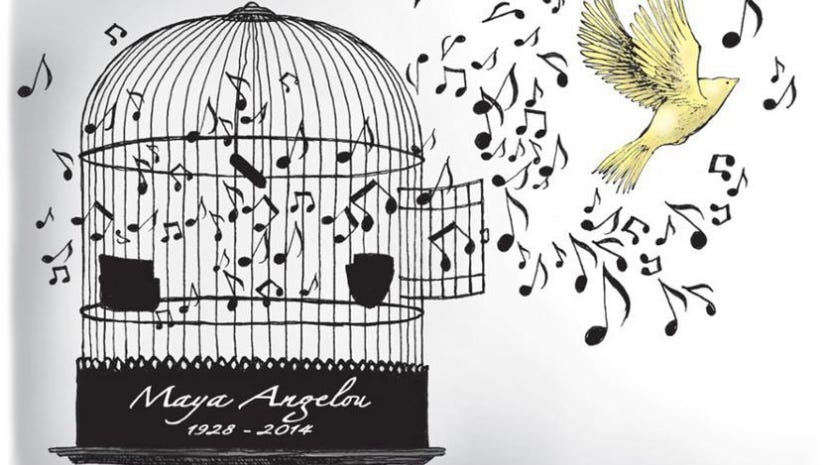
Angelou’s poem doesn’t just dwell on confinement; it celebrates the strength to endure. The caged bird sings not out of joy but out of hope and defiance. This act of singing is a form of resistance and a way to maintain identity.
When you face challenges, how do you find the strength to keep going? The poem suggests that hope can be a powerful tool against despair. Your resilience can become your voice, just like the caged bird’s song.
Credit: dedrickconway.medium.com
Structure And Language Techniques
Maya Angelou uses simple language and clear structure to show the contrast between freedom and confinement. The poem’s rhythm and repetition highlight the caged bird’s pain and hope. Vivid imagery helps readers feel the bird’s struggle and desire for freedom.
Understanding the ‘Structure and Language Techniques’ in Maya Angelou’s “Caged Bird” is essential to fully appreciate the depth of the poem. Angelou uses a variety of literary devices that not only enhance the poem’s thematic elements but also evoke a strong emotional response from readers. These techniques are skillfully woven together to create a poignant narrative about freedom and confinement, mirroring the human experience.Poetic Devices And Imagery
Maya Angelou employs vivid imagery to contrast the lives of the free bird and the caged bird. The free bird’s world is filled with open skies and soft breezes, creating a sense of limitless possibilities. In stark contrast, the caged bird’s clipped wings and tied feet evoke feelings of restriction and longing. This imagery not only paints a picture in your mind but also allows you to feel the confinement and yearning for freedom. Angelou’s powerful use of metaphors and similes deepens this experience, making the reader question what freedom truly means.Tone And Mood
The tone of “Caged Bird” shifts between hopeful and despairing. When describing the free bird, the tone is light and joyful, reflecting a sense of hope and possibility. Conversely, the tone becomes somber and heavy when the poem turns to the caged bird. This shift in tone creates a mood that oscillates between optimism and melancholy, encouraging you to empathize with the caged bird’s plight. It’s a clever way to engage your emotions and provoke thought about the inequalities in society.Repetition And Rhythm
Repetition is a powerful tool used by Angelou to emphasize the poem’s central themes. The repeated references to the caged bird singing despite its confinement highlight resilience and hope. This repetition creates a rhythm that mirrors the persistence of the caged bird’s spirit. The poem’s rhythm is both musical and haunting, drawing you into the caged bird’s world. It encourages you to reflect on your own constraints and the ways you strive to overcome them. What keeps you singing in the face of adversity? By analyzing these elements, you gain a deeper understanding of Maya Angelou’s masterful use of language in “Caged Bird”. It’s not just a poem about birds; it’s a reflection on the human condition and the universal desire for freedom.Relevance In Today’s Society
The poem “Caged Bird”by Maya Angelou remains strikingly relevant in today’s society. Its themes reflect ongoing struggles and aspirations that many still face worldwide. Understanding this relevance can help you see the poem not just as literature but as a call to awareness and action.
Continuing Fight For Equality
Angelou’s depiction of a caged bird yearning for freedom mirrors the persistent inequalities in society. You might notice how barriers based on race, gender, or economic status still limit opportunities for many. This poem challenges you to recognize these invisible cages around people and question how we can break them down together.
Inspiration For Activism
The poem encourages you to speak up against injustice. It shows that feeling trapped can fuel strength and resilience. When you read about the caged bird’s struggle, ask yourself: how can your voice help others find freedom? This personal reflection can motivate real change in your community.
Universal Message Of Freedom
Freedom is a desire everyone shares, regardless of background or circumstance. Maya Angelou’s words remind you that this longing is universal and timeless. Whether it’s physical, emotional, or social freedom you seek or defend, the poem connects deeply with your own experiences and hopes.
Credit: medium.com
Frequently Asked Questions
What Is The Main Theme Of “caged Bird” By Maya Angelou?
The main theme is freedom versus oppression. The poem contrasts a free bird with a caged bird, symbolizing racial and social inequality.
How Does Maya Angelou Use Symbolism In “caged Bird”?
Angelou uses birds to symbolize freedom and captivity. The free bird represents privilege, while the caged bird symbolizes struggle and confinement.
What Emotions Does “caged Bird” Evoke?
The poem evokes feelings of hope, pain, and resilience. It highlights the longing for freedom despite suffering and hardship.
Why Is “caged Bird” Important In Literature?
It’s important for its powerful message on racial injustice. The poem raises awareness about oppression and inspires social change.
Conclusion
Maya Angelou’s “Caged Bird” shows the contrast between freedom and pain. The poem uses the bird to tell a story of hope and struggle. It helps readers feel the pain of being trapped. At the same time, it shares a message of strength and courage.
The poem stays important because it speaks about human rights and dreams. Everyone can relate to the wish for freedom. This powerful poem reminds us to keep hoping, no matter the hardships.




