
If you want a plant that brings a tropical splash to your home or garden, the Bird of Paradise is a perfect choice. Its bold, colorful flowers and large, glossy leaves make it a standout.
But to keep your Bird of Paradise healthy and blooming, you need to know how to care for it properly. You’ll discover simple, effective tips that will help your plant thrive. Whether you’re a beginner or have some experience, these easy steps will make sure your Bird of Paradise stays vibrant and beautiful year-round.
Keep reading to unlock the secrets to caring for this stunning plant!

Credit: sanjaynursery.com
Choosing The Right Location
Choosing the right location for your Bird of Paradise plant is key to its health and growth. The plant thrives in specific environmental conditions. Giving it a spot that meets these needs helps it bloom beautifully and stay strong.
Light Requirements
Bird of Paradise loves bright, indirect light. It grows best near windows that get plenty of sunlight but not harsh direct rays. Direct sun can burn its leaves. Low light slows growth and stops flowering. Aim for a spot with at least 4-6 hours of bright light daily.
Temperature Preferences
This plant enjoys warm temperatures between 65°F and 75°F (18°C to 24°C). It does not like cold drafts or sudden temperature changes. Keep it away from air conditioners or heaters. Night temperatures should not drop below 50°F (10°C) to avoid stress.
Humidity Needs
Bird of Paradise prefers moderate to high humidity. Dry air can cause leaf edges to brown. Mist the leaves regularly or place a humidifier nearby. Grouping plants together also helps increase humidity. Aim for 60% humidity for best results.
Soil And Potting Tips
Proper soil and potting are essential for a healthy Bird of Paradise plant. These tropical beauties need the right balance of drainage and nutrients to thrive. Using the correct soil and pot ensures strong roots and vibrant growth. Let’s explore how to create the perfect home for your Bird of Paradise.
Best Soil Types
Choose well-draining soil to prevent root rot. A mix that holds moisture but drains quickly works best. Use a combination of:
- Potting soil
- Perlite or pumice for aeration
- Peat moss or coconut coir to retain moisture
This blend keeps roots moist but not soggy. Avoid heavy garden soil or clay, which trap water.
Pot Selection
Select a pot with drainage holes to stop water buildup. Terracotta pots are ideal because they breathe well. Choose a pot slightly larger than the root ball. A tight fit helps prevent overwatering. Too large a pot keeps soil wet too long and harms roots.
Repotting Guidelines
Repot every 2-3 years to refresh soil and allow growth. Spring or early summer is the best time. Gently remove the plant and loosen the root ball. Trim any dead or crowded roots. Place it in a new pot with fresh soil. Water lightly after repotting to settle the soil.
Watering Your Bird Of Paradise
Watering your Bird of Paradise is key to keeping it healthy and vibrant. This tropical plant loves moisture but dislikes sitting in water. Giving the right amount of water helps the plant grow strong leaves and beautiful flowers. Too much or too little water can cause stress and damage.
Understanding how often to water, spotting signs of overwatering, and ensuring good drainage will keep your Bird of Paradise happy. These simple tips help you care for your plant with confidence.
Watering Frequency
Water your Bird of Paradise once a week during spring and summer. The soil should stay moist but not soaked. Reduce watering in fall and winter to every two weeks. Check the top two inches of soil; water only when dry.
Signs Of Overwatering
- Yellowing leaves, especially at the base
- Soft, mushy stems or roots
- Wilting despite wet soil
- Foul smell from the soil
These signs mean your plant gets too much water. Cut back watering and let the soil dry out.
Tips For Proper Drainage
- Use pots with drainage holes to let extra water escape
- Add a layer of small stones or gravel at the pot’s bottom
- Use well-draining soil mix with sand or perlite
- Empty the saucer under the pot after watering
Good drainage prevents water buildup and root rot. It helps your Bird of Paradise thrive.

Credit: www.leafenvy.co.uk
Fertilizing For Growth
Fertilizing your Bird of Paradise is key to encouraging vibrant growth and those stunning flowers. Without the right nutrients, your plant might struggle to reach its full potential. Let’s look at how you can feed your Bird of Paradise to keep it thriving.
Choosing The Right Fertilizer
Your Bird of Paradise needs a balanced fertilizer that supports both leaf growth and blooming. Look for fertilizers with a ratio close to 10-10-10 or 20-20-20, which supply nitrogen, phosphorus, and potassium evenly.
Slow-release fertilizers work well because they feed the plant steadily over time. If you prefer liquid fertilizers, make sure they’re diluted properly to avoid burning the roots.
I once used a fertilizer high in nitrogen alone, and my plant grew leaves quickly but never flowered. That taught me to pick balanced options instead.
Feeding Schedule
Regular feeding is essential, but overdoing it can harm your Bird of Paradise. During the growing season, feed it every 4 to 6 weeks.
In winter, reduce feeding or stop altogether since the plant’s growth slows down. Always follow the product instructions, but watch your plant’s response to adjust accordingly.
Have you noticed your plant’s leaves turning yellow or brown after feeding? It might be a sign of over-fertilizing, which means you should ease up or switch to a gentler formula.
Organic Vs Synthetic Options
Choosing between organic and synthetic fertilizers depends on your gardening style and goals. Organic options like compost, fish emulsion, or seaweed extracts release nutrients slowly and improve soil health.
Synthetic fertilizers offer precise nutrient delivery and can show faster results but may risk nutrient build-up if overused.
Personally, I blend both types by using organic fertilizers for long-term soil health and synthetic ones for a quick nutrient boost before flowering. What balance could work best for your plant and lifestyle?
Pruning And Maintenance
Pruning and Maintenance Regular pruning helps the Bird of Paradise thrive. Remove dead leaves and spent flowers to encourage new growth. Keep the plant clean and free from pests by wiping the leaves with a damp cloth.
Caring for a Bird of Paradise plant involves more than just watering it. Pruning and maintenance play a crucial role in ensuring your plant remains healthy and thriving. Regularly trimming your plant not only enhances its appearance but also encourages new growth, keeping it vibrant and lush.When To Prune
Timing is everything when it comes to pruning your Bird of Paradise. The best time to prune is in late winter or early spring, just before new growth begins. This timing allows the plant to recover quickly and focus energy on new growth. If you notice any dead or damaged leaves, you can remove them any time of year to keep the plant looking its best.How To Remove Dead Leaves
Removing dead leaves is straightforward but requires attention to detail. Use clean, sharp scissors or pruning shears to avoid damaging the plant. Cut the leaf stem close to the base, ensuring you don’t harm the surrounding healthy leaves. Regularly inspect your plant for any signs of wilting or browning leaves, and address them promptly to prevent any potential diseases.Encouraging New Growth
Pruning isn’t just about removing the old; it’s about encouraging the new. After trimming, your Bird of Paradise will redirect its energy to produce fresh, robust leaves. You can also encourage growth by ensuring the plant gets adequate sunlight and nutrients. Consider feeding your plant with a balanced fertilizer during the growing season to boost its vitality. Engage with your plant regularly. Notice how it responds to different care techniques, and adjust your approach as needed. Have you ever wondered how a small change in your routine might impact your plant’s health and appearance? Observing and adapting can lead to a flourishing Bird of Paradise in your home.Pest And Disease Control
Bird of Paradise plants need careful pest and disease control. These plants are strong but can face issues that harm their growth. Watching for signs and acting fast keeps your plant healthy.
Common Pests
- Aphids: Small green or black bugs feeding on sap.
- Spider Mites: Tiny, often red, causing webbing on leaves.
- Mealybugs: White, cotton-like bugs found on stems and leaves.
- Scale Insects: Hard or soft bumps that stick to stems and leaves.
Disease Symptoms
- Yellowing leaves: Often a sign of root rot or nutrient issues.
- Brown spots: May indicate fungal infections or leaf blight.
- Wilting: Could mean root damage or poor watering habits.
- Sticky residue: Often caused by pest secretions like honeydew.
Natural Remedies
Start with wiping leaves using a soft cloth and water. This removes dust and some pests. Spray a mix of water and mild soap to fight bugs. Neem oil works well against many insects and fungi.
Introduce beneficial insects like ladybugs to eat pests. Keep the plant area clean by removing dead leaves. Avoid overwatering to reduce fungal diseases. Use natural compost to boost plant health and resistance.
Promoting Flowering
Encouraging a Bird of Paradise to bloom can be rewarding. These plants offer dramatic, colorful flowers that brighten any space. Understanding how to promote flowering helps the plant show its best.
Age And Maturity
Bird of Paradise plants need time to mature before flowering. Most take about 3 to 5 years to bloom. Younger plants focus on growing leaves and roots first. Patience is key during this stage. Avoid expecting flowers too soon.
Environmental Triggers
Flowering depends on specific environmental conditions. Bright light encourages blooms but avoid harsh direct sunlight. Temperatures between 65°F and 70°F are ideal for growth. Consistent watering keeps the soil moist but not soggy. Using fertilizer high in phosphorus can support flower development.
- Provide 6 hours of indirect sunlight daily
- Maintain steady warmth without drafts
- Use well-draining soil to prevent root rot
- Apply balanced fertilizer monthly during growing season
Patience And Care Tips
Keep caring regularly even if flowers delay. Avoid moving the plant often, as stress hinders blooming. Trim dead leaves to help energy focus on flowers. Repot every 2 to 3 years to refresh nutrients. Watch for pests or diseases that can weaken the plant. A calm environment and steady care lead to blooming success.
Troubleshooting Common Issues
Troubleshooting common problems helps keep your Bird of Paradise healthy and vibrant. These plants need proper care to thrive. Spotting issues early prevents damage and supports growth.
Understanding the signs of distress makes care easier. Some problems show clearly on leaves and stems. Others affect how the plant grows. Identifying these signs helps fix problems fast.
Yellowing Leaves
Yellow leaves often signal watering problems. Overwatering causes roots to rot, leading to yellow leaves. Underwatering makes leaves dry and pale. Check soil moisture regularly. Water only when the top inch feels dry.
Yellowing can also mean low light. Bird of Paradise plants need bright, indirect sunlight. Move your plant closer to a window if leaves turn yellow.
Brown Leaf Tips
Brown tips usually come from dry air or inconsistent watering. These plants prefer humid conditions. Use a humidifier or mist leaves weekly. Keep watering steady but avoid waterlogging.
Too much fertilizer can cause brown edges. Flush the soil with water to remove excess salts. Use fertilizer at half strength during growing season.
Stunted Growth
Slow growth means the plant lacks nutrients or light. Use a balanced fertilizer every two weeks in spring and summer. Provide at least 4-6 hours of bright light daily.
Check root health if growth stalls. Roots may be crowded or rotting. Repot into fresh soil with good drainage to encourage growth.
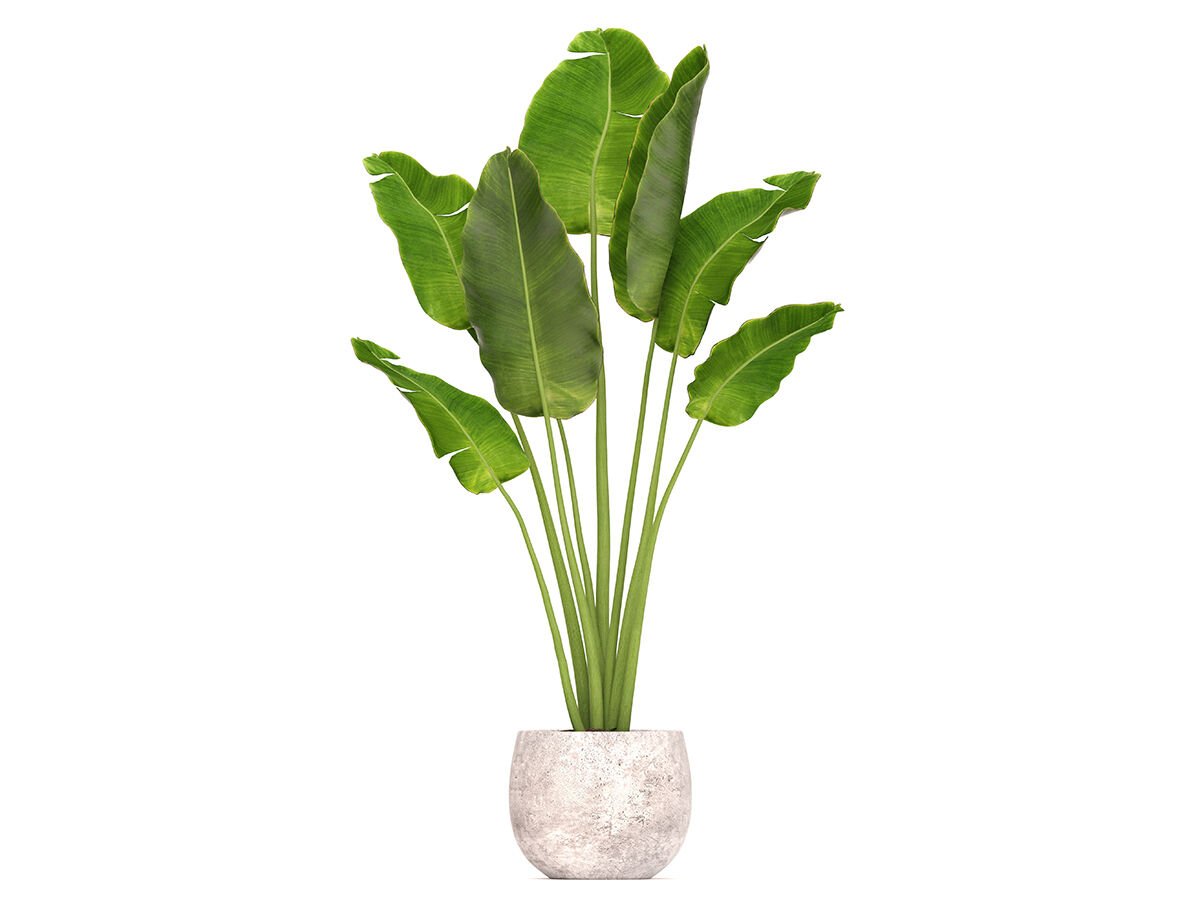
Credit: sandiegomagazine.com
Frequently Asked Questions
How Often Should I Water A Bird Of Paradise Plant?
Water your Bird of Paradise once a week during spring and summer. Reduce watering in fall and winter to every two weeks. Ensure the soil is moist but not soggy to avoid root rot.
What Is The Best Light For Bird Of Paradise Growth?
Bird of Paradise thrives in bright, indirect sunlight. It tolerates some direct sun but avoid harsh afternoon rays. Insufficient light can stunt growth and reduce flowering.
How Do I Fertilize A Bird Of Paradise Plant?
Feed your Bird of Paradise monthly during growing seasons with a balanced, water-soluble fertilizer. Avoid fertilizing in winter. Proper feeding encourages vibrant foliage and blooms.
Can Bird Of Paradise Survive Indoors?
Yes, Bird of Paradise adapts well indoors with enough bright light. Keep it near a sunny window. Maintain humidity and avoid cold drafts for best results.
Conclusion
Caring for a Bird of Paradise takes patience and simple steps. Provide bright light and water regularly. Keep the soil moist but not soggy. Watch for pests and remove dead leaves. Give your plant enough space to grow tall. With these tips, your Bird of Paradise will thrive.
Enjoy its vibrant flowers and tropical feel at home. A little care goes a long way in keeping it healthy and beautiful. Keep learning and observing your plant every day. It will reward you with stunning blooms and lush leaves.




