
Are you ready to give your bird bath a fresh, beautiful look that will attract more feathered friends to your garden? Painting your bird bath is easier than you think, and with the right steps, you can transform it into a vibrant centerpiece.
Imagine watching colorful birds gather around a sparkling, freshly painted bath—that’s the kind of joy you can create. In this guide, you’ll discover simple tips and tricks to paint your bird bath safely and beautifully. Keep reading to learn how you can bring new life to your outdoor space with just a few brushstrokes!
Choosing The Right Paint
Choosing the right paint is key to a beautiful and lasting bird bath. The paint must stand up to outdoor weather. It should resist water, sun, and temperature changes. Picking the right type and color also keeps the bird bath safe for birds.
Consider paints designed for outdoor use. They last longer and protect the surface well. Also, think about the environment and the health of birds that visit your bird bath.
Types Of Paint For Outdoor Use
Outdoor paints come in several types. Acrylic paint is popular. It dries fast and handles weather well. Latex paint is another good choice. It is water-based and easy to clean. Oil-based paint offers strong protection but takes longer to dry. Look for paints labeled for outdoor or exterior use.
Color Selection Tips
Choose colors that blend with your garden. Earth tones like green, brown, or beige look natural. Bright colors attract birds but may fade faster. Dark colors absorb heat and can get hot for birds. Light colors reflect sunlight and keep the bath cooler. Pick a color that suits your style and the local climate.
Eco-friendly Options
Eco-friendly paints are safe for birds and the environment. They have low or no volatile organic compounds (VOCs). Look for natural or water-based paints. Avoid paints with heavy chemicals or strong fumes. These options keep your bird bath healthy for wildlife and safe to enjoy.

Credit: www.dukemanorfarm.com
Gathering Supplies
Gathering the right supplies sets a strong base for painting a bird bath. It saves time and avoids frustration during the project. Having everything ready makes the process smooth and enjoyable.
Choosing suitable tools and materials helps achieve a clean, long-lasting finish. Preparing the surface properly allows paint to stick well. Wearing protective gear keeps you safe from dust and chemicals.
Essential Tools
- Paintbrushes of various sizes for detailed and broad strokes
- Paint roller for even coverage on larger areas
- Sandpaper or sanding block to smooth the surface
- Painter’s tape to protect areas you don’t want painted
- Drop cloth or old newspapers to catch drips
- Paint tray for easy access to paint
Protective Gear
- Gloves to protect your hands from paint and chemicals
- Safety glasses to shield your eyes from dust and splashes
- Mask to avoid inhaling dust and paint fumes
- Old clothes or apron to keep paint off your clothing
Surface Preparation Materials
- Mild detergent or soap for cleaning the bird bath
- Water for rinsing off dirt and soap
- Scrub brush or sponge to remove grime
- Putty or filler to repair cracks or chips
- Primer suitable for outdoor use to help paint adhere
Preparing The Bird Bath
Preparing your bird bath before painting is key to achieving a beautiful, lasting finish. Skipping this step can lead to peeling paint and an uneven surface that ruins the look. Taking time to clean, sand, and fix any damage sets the foundation for success.
Cleaning And Removing Old Paint
Start by thoroughly cleaning your bird bath. Use a mixture of warm water and mild soap to scrub away dirt, algae, and grime. If the old paint is peeling or flaking, you’ll need to remove it using a paint scraper or a wire brush.
For stubborn paint, a paint stripper might be necessary, but always wear gloves and work in a well-ventilated area. Leaving any loose paint can cause your new coat to chip quickly. Have you noticed how much easier painting goes when the surface is truly clean?
Sanding For Smooth Finish
Sanding smooths out rough patches and helps the paint adhere better. Use medium-grit sandpaper to gently sand the entire surface, focusing on any areas where old paint was removed. Don’t forget the edges and curves where paint tends to peel first.
After sanding, wipe down the bird bath with a damp cloth to remove dust. This step makes a noticeable difference in the finish’s durability and appearance. Imagine how satisfying it is to run your hand over a perfectly smooth surface before painting!
Repairing Cracks And Chips
Inspect your bird bath closely for cracks, chips, or other damage. Small cracks can be filled with an outdoor-grade epoxy or filler designed for stone or concrete. Use a putty knife to apply the filler evenly and smooth it out.
Allow the filler to dry completely before sanding it flush with the surface. Repairing these imperfections prevents water from seeping in and causing further damage. Have you ever painted over cracks only to see them reappear? Fixing them now saves you from that frustration.
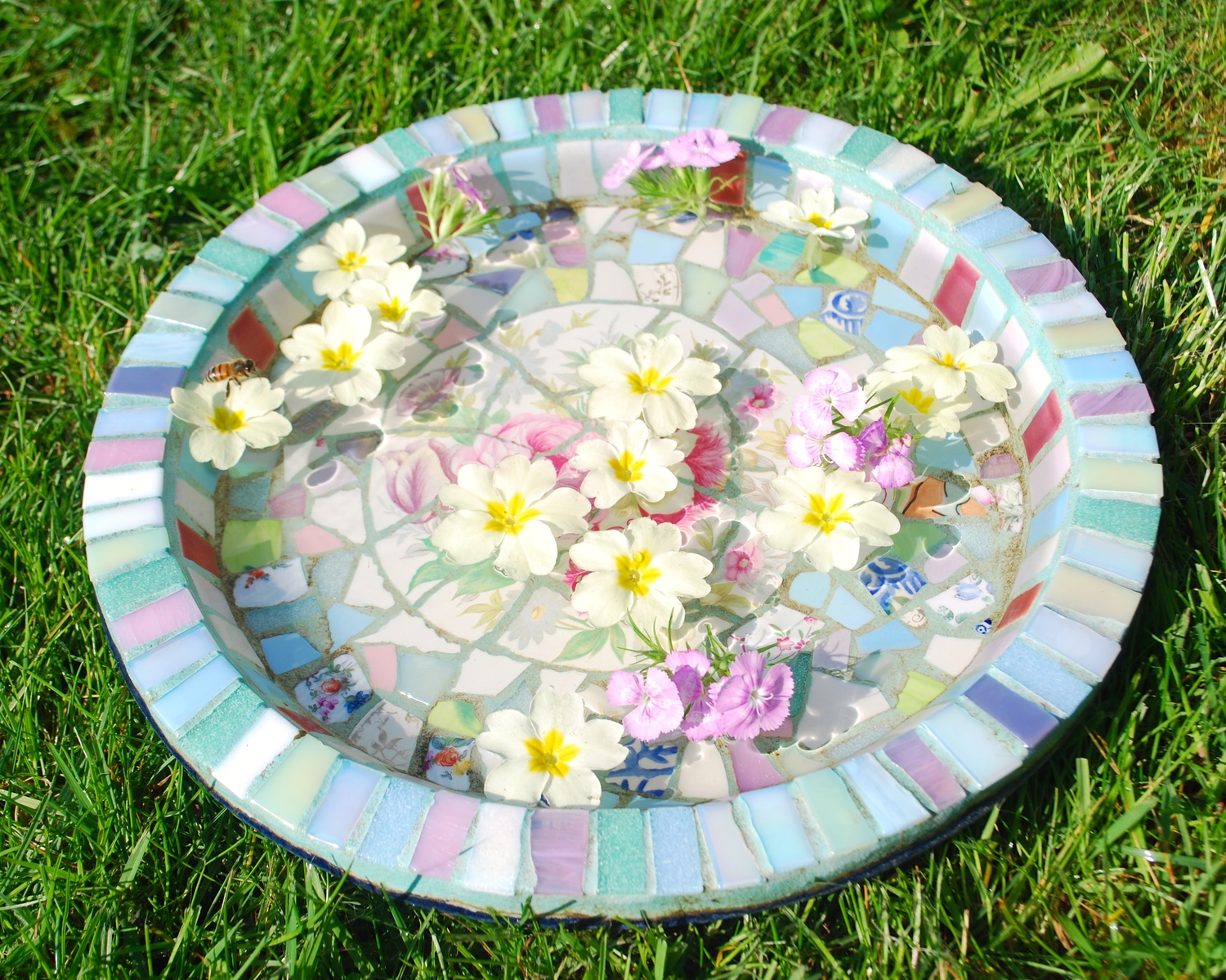
Credit: www.emmaleith.co.uk
Applying Primer
Begin by cleaning the bird bath thoroughly. Apply a suitable primer to ensure the paint adheres well. Let it dry completely for a smooth finish.
Applying primer is a crucial step when painting a bird bath. It ensures that the paint adheres well and lasts longer. A well-applied primer can make a significant difference in the final look of your bird bath.Choosing The Right Primer
Selecting the correct primer is the first step. Opt for a primer specifically designed for outdoor use. This type of primer can withstand weather changes and prevent peeling. Look for products labeled as water-resistant and rust-proof. If your bird bath is made of concrete, a masonry primer is ideal. For metal bird baths, choose one that prevents rust.Primer Application Techniques
Before applying, ensure the surface is clean and dry. Use a brush or roller to apply an even coat of primer. Start from the top and work your way down. This technique prevents drips and ensures thorough coverage. For intricate designs, a smaller brush might be necessary. This allows you to reach tight spaces without missing any spots.Drying Time
Patience is key when waiting for primer to dry. Check the label for recommended drying times, usually a few hours. Avoid rushing the process to ensure the primer sets properly. If you apply paint too soon, it can lead to a patchy finish. Consider using a fan to speed up drying, especially in humid conditions. This ensures the next layer adheres perfectly.Painting Techniques
Painting a bird bath requires the right techniques for a smooth, lasting finish. Choosing how to apply paint affects the look and durability. Applying paint in layers helps protect against weather damage. Adding small decorative touches makes your bird bath unique and charming.
Brush Vs Spray Methods
Brush painting gives you control over details and edges. It works well for small areas and textured surfaces. Spray painting covers large areas quickly and evenly. It creates a smooth finish without brush marks. Use spray paint outdoors or in a well-ventilated space. Both methods need clean, dry surfaces for best results.
Layering Paint For Durability
Start with a primer to help paint stick better. Apply thin, even coats of paint for strong coverage. Let each layer dry fully before adding the next. Two to three layers usually provide good protection. Finish with a clear sealant to guard against water and sun damage. Layering helps your bird bath last longer outdoors.
Adding Decorative Details
Use small brushes for patterns or shapes on the bird bath. Stencils can create neat designs quickly. Try painting simple flowers, leaves, or birds for a natural look. Use contrasting colors to make details stand out. Seal decorations with a clear coat to keep them bright. Decorative touches give your bird bath a personal style.
Sealing And Protecting
Sealing and protecting your painted bird bath keeps the colors fresh and guards against weather damage. It forms a barrier that stops water, dirt, and sun from wearing down the paint. Proper sealing extends the life of your bird bath and keeps it looking beautiful for years.
Types Of Sealants
- Polyurethane:Offers strong protection and a glossy finish. Good for outdoor use.
- Clear Acrylic Sealer:Dries fast and resists UV rays. Ideal for bright colors.
- Epoxy Resin:Creates a thick, durable coat. Best for heavy wear and water exposure.
- Marine Varnish:Designed for wet conditions. Protects from water and sun damage.
Application Tips
- Clean the bird bath surface thoroughly before sealing.
- Apply sealant in thin, even layers for best coverage.
- Use a soft brush or spray for smooth application.
- Let each coat dry completely before adding the next.
- Seal all painted areas, including edges and undersides.
- Work in a well-ventilated area to avoid fumes.
Maintaining The Finish
Check the bird bath regularly for chips or peeling paint. Clean gently with mild soap and water. Avoid harsh scrubbing to protect the sealant. Reapply sealant every 1–2 years to maintain durability. Cover the bird bath during harsh weather or winter months. This care helps keep the paint and sealant strong.
Drying And Curing
Drying and curing are vital steps after painting a bird bath. Proper drying ensures the paint sets well. Curing strengthens the paint, making it last longer outdoors. Both steps protect your work from weather and wear. Skipping or rushing these stages may cause peeling or fading. Patience here guarantees a beautiful, durable finish.
Ideal Conditions
Choose a dry, shaded area for drying. Avoid direct sunlight, which can cause paint to crack. The temperature should be between 50°F and 85°F (10°C to 29°C). High humidity slows drying and can make paint sticky. Good air circulation helps the paint dry evenly. Keep the bird bath away from dust and debris during this time.
Time Frames
Allow the paint to dry for at least 24 hours. Some paints need up to 72 hours to fully cure. Check the paint label for specific instructions. Avoid touching or moving the bird bath during drying. Full curing may take up to two weeks. This time strengthens the paint to withstand outdoor conditions.
Troubleshooting Common Issues
- Sticky Paint:Increase airflow and lower humidity around the bird bath.
- Peeling Paint:Ensure the surface was clean before painting and avoid rushing drying.
- Uneven Finish:Apply paint in thin, even coats and maintain steady drying conditions.
- Cracking:Avoid drying in direct sunlight or extreme temperatures.
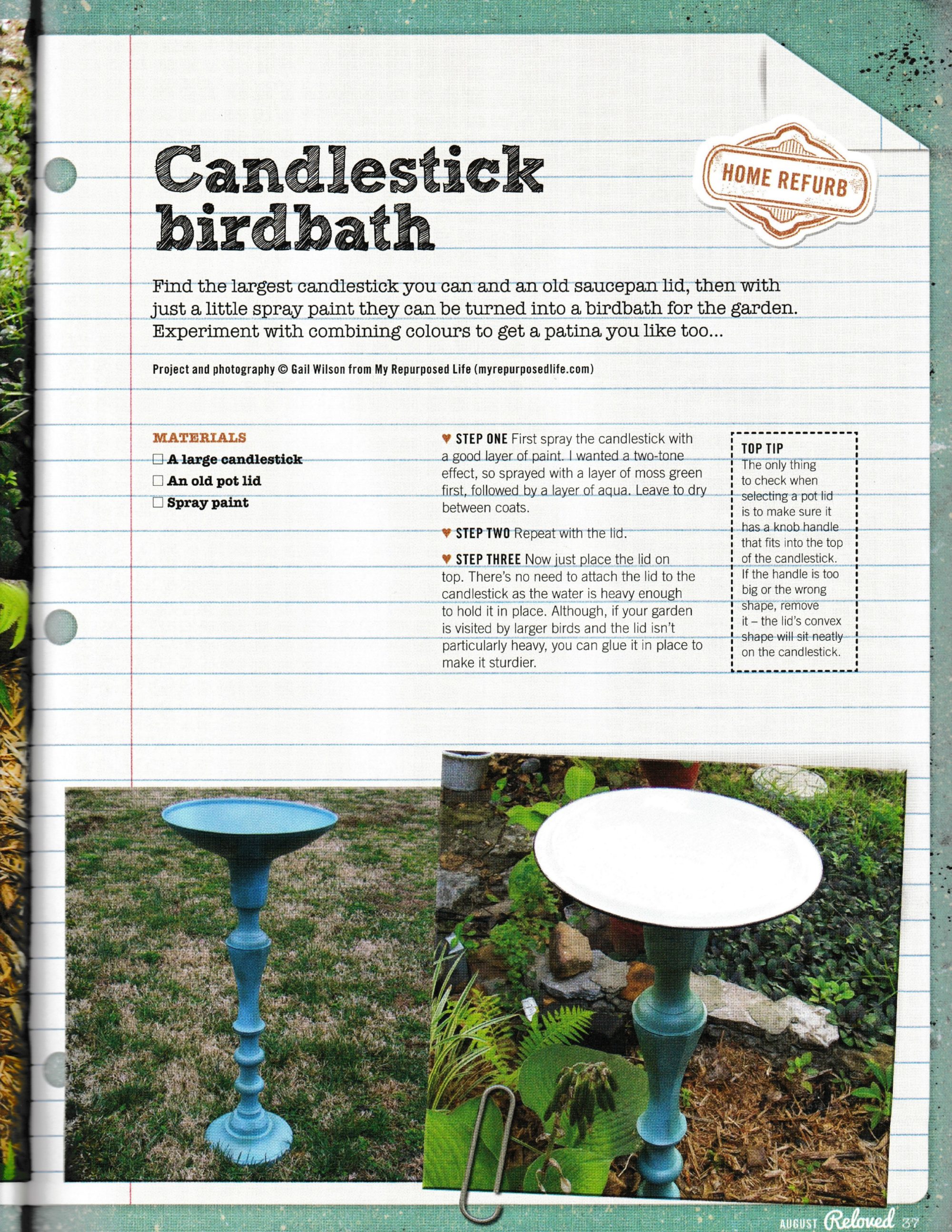
Credit: www.myrepurposedlife.com
Placement And Care
Choosing the right spot and caring for your bird bath keeps it inviting for birds. Proper placement ensures birds feel safe and comfortable. Good care helps maintain clean water and extends the bath’s life.
Small efforts in placement and maintenance create a welcoming space for birds. It also keeps your bird bath looking fresh and colorful after painting.
Best Locations For Bird Baths
- Place the bath in a quiet area away from heavy foot traffic.
- Choose a spot near shrubs or trees for bird shelter and quick escape.
- Ensure the area gets some sunlight to keep water warm and fresh.
- Avoid locations under dense trees to reduce falling leaves and debris.
- Keep the bath away from places where predators can hide, like thick bushes.
Regular Maintenance
- Clean the bird bath weekly with mild soap and water.
- Rinse thoroughly to remove all soap traces before refilling.
- Change water daily to prevent mosquito breeding and algae growth.
- Check for cracks or chips in the paint and touch up as needed.
- Remove debris like leaves and twigs to keep water clear.
Seasonal Tips
- In summer, provide fresh water twice daily during hot weather.
- In winter, use a bird bath heater or change water frequently to prevent freezing.
- Bring the bath indoors or store it in a sheltered spot during harsh weather.
- Apply a fresh coat of paint each spring to protect the surface.
- Inspect and repair any damage caused by frost or cold temperatures.
Frequently Asked Questions
What Type Of Paint Is Best For Bird Baths?
Use outdoor acrylic paint or enamel for bird baths. These paints resist water and weather damage. They provide a smooth, durable finish that lasts. Avoid lead-based or toxic paints to keep birds safe.
How Do I Prepare A Bird Bath For Painting?
Clean the bird bath thoroughly with soap and water. Remove dirt, algae, and loose paint with a scraper. Let it dry completely before applying primer. Proper prep ensures better paint adhesion and longevity.
Can I Paint A Plastic Bird Bath?
Yes, use spray paint designed for plastic surfaces. Clean and lightly sand the bath first to improve paint grip. Choose non-toxic, weather-resistant paint safe for outdoor use. Multiple thin coats give the best finish.
How Long Should Paint Dry On A Bird Bath?
Allow paint to dry for at least 24 hours. Drying times vary by paint type and weather conditions. Ensure the surface is completely dry before adding water or placing outdoors.
Conclusion
Painting a bird bath can bring new life and color to your garden. Choose the right paint and take your time for best results. Let the paint dry completely before use. A well-painted bird bath invites birds and adds charm outside.
Keep it clean and enjoy watching birds splash and play. Simple steps make a big difference in your outdoor space. Try it yourself and see how it brightens your garden.




