
Have you ever wondered if placing a bird bath on the ground is a good idea? You might think it’s simple—just set it down and let the birds enjoy.
But there’s more to it than that. Where you put your bird bath can change how often birds visit and how safe they feel. If you want to attract more feathered friends to your yard and keep them coming back, understanding the best spot for your bird bath is key.
Let’s explore whether bird baths can be on the ground and what you should consider to make your outdoor space a bird paradise.

Credit: www.erva.com
Benefits Of Ground-level Bird Baths
Placing bird baths at ground level offers several advantages that can enrich your backyard experience. It invites a different variety of birds and encourages natural behaviors you might not see otherwise. Plus, it often makes caring for your bird bath simpler and more enjoyable.
Attracting More Birds
Bird baths on the ground tend to draw a wider range of bird species, especially ground feeders like sparrows, doves, and juncos. These birds feel safer drinking and bathing at eye level rather than having to perch high up. If you want to see more activity and diversity, try setting a shallow bath on the ground and watch who shows up.
Ease Of Maintenance
Cleaning and refilling a bird bath on the ground is much easier—no ladders or awkward stretching required. You can quickly scoop out debris or change the water without much hassle. This convenience means you’re more likely to keep the water fresh, which birds need to stay healthy.
Natural Bird Behavior
Birds behave differently at ground level, offering you a chance to observe natural interactions like dust bathing and foraging. You might notice ground birds using the bath as part of their daily routine, which is a unique sight. Could this closer look at their behavior deepen your connection to nature?

Credit: duncraft.com
Choosing The Right Location
Choosing the right location for your bird bath is key to attracting birds and keeping them safe. Where you place the bath affects how often birds visit and how comfortable they feel while drinking or bathing. Think about the surroundings carefully to create a welcoming spot for your feathered friends.
Safety From Predators
Birds are cautious creatures. If your bird bath is too close to bushes or tall grass, it might give predators like cats or snakes easy hiding spots. Position the bath at least 10 feet away from dense cover so birds can spot danger early.
Have you noticed birds avoiding certain areas in your yard? It might be because they feel exposed or threatened. Placing the bath where birds have a clear escape route, such as near low shrubs or open spaces, helps them feel secure.
Sunlight And Shade Balance
Birds prefer baths that aren’t baking under the hot sun all day. Too much heat can make water evaporate quickly and become less inviting. Aim for a spot that gets morning sun and afternoon shade to keep the water cool and fresh longer.
Shady areas also help prevent algae growth, which can turn the water green and discourage visits. Have you tried moving your bath to a partly shaded spot and noticed more bird activity? Small adjustments can make a big difference.
Visibility For Birds
Birds like to see what’s around them while they drink or bathe. Placing the bath in a visible open area helps them feel safe and attracts more visitors. Avoid hiding the bath behind large objects or inside dense foliage.
Think about your own experience: would you prefer to relax in a hidden corner or a spot with a clear view? Birds feel the same way. Make your bird bath a centerpiece they can easily find and enjoy.
Selecting Suitable Bird Bath Designs
Choosing the right bird bath design can make all the difference in attracting birds to your garden and keeping them safe. Your selection should balance beauty, functionality, and safety. Let’s look at key aspects to consider when picking a bird bath for ground placement.
Material Options
Materials affect how long your bird bath lasts and how easy it is to maintain. Concrete and stone are heavy, so they stay put and resist tipping. They also blend naturally into outdoor settings.
Plastic and resin options are lightweight and easier to move. However, they may shift with wind or curious animals, so you might need to secure them. Metal bird baths offer durability but can heat up quickly in the sun, which may be uncomfortable for birds.
Size And Depth Considerations
The size of your bird bath matters for attracting different bird species. A wider basin allows more birds to bathe together, creating lively scenes to enjoy. Depth is even more critical—too deep can be dangerous.
Ideal water depth is about 1 to 2 inches. Shallow water helps birds splash safely without the risk of drowning. You can add small stones or pebbles to the basin to create shallow areas and give birds a secure footing.
Stability And Durability
A bird bath on the ground must be stable to avoid tipping and spilling water. Heavy materials naturally provide this, but if you choose lighter options, place the bath on a flat, firm surface.
Durability is key to withstanding weather changes. Look for UV-resistant coatings if you pick plastic or resin. Check for cracks or chips regularly—water leaks not only waste water but discourage birds from visiting.
Water Quality And Cleanliness
Keeping bird baths clean is essential for the health of visiting birds. Water quality directly affects the well-being of our feathered friends. A clean bird bath can prevent diseases and attract more birds. Let’s explore how to maintain water quality and cleanliness in ground-level bird baths.
Regular Cleaning Tips
Regular cleaning prevents algae and bacteria growth. Use a brush to scrub the bird bath every few days. Ensure you rinse it thoroughly to remove any soap residue. This simple routine keeps the water fresh and inviting.
Preventing Mosquito Breeding
Stagnant water attracts mosquitoes. Change the water every couple of days to avoid this. Placing a small fountain or bubbler can keep the water moving. This discourages mosquitoes from laying eggs.
Using Fresh Water
Always use clean, fresh water in your bird bath. Avoid using tap water that might contain chemicals harmful to birds. Rainwater or distilled water is a better option. Fresh water is more appealing and healthy for birds.
Enhancing Bird Bath Appeal
Enhancing the appeal of a bird bath on the ground helps attract more birds. Simple changes create a welcoming space for birds to drink and bathe. These additions also make your garden look natural and inviting. Small details can make a big difference for your feathered visitors.
Adding Natural Elements
Place stones or pebbles around the bird bath base. Use plants like ferns or grasses nearby. These natural touches blend the bath into the environment. They provide a safe feeling for birds. Water plants can also add beauty and attract insects birds like.
Creating Nearby Shelter
Birds feel safer with cover close to water. Plant shrubs or small trees near the bath. A nearby bush offers quick hiding spots from predators. Even placing a small wooden box or brush pile helps. Shelter close by encourages birds to stay longer.
Incorporating Perches
Add small branches or sticks around the bath edge. Perches give birds a place to rest before drinking. They also help birds watch for danger. Use natural wood for a comfortable grip. Multiple perches allow several birds to visit at once.
Seasonal Care For Ground Bird Baths
Ground bird baths bring nature closer to your garden. They need care through different seasons to stay clean and safe for birds. Each season has specific needs that help keep water fresh and prevent damage. Proper care encourages birds to visit often.
Winter Preparation
Empty the bird bath before freezing temperatures arrive. Ice can crack the bath’s material. Store it indoors or cover it with a tarp. Use a bird bath heater or place warm water daily if left outside. Remove snow and ice regularly to give birds access.
Summer Maintenance
Refill the bird bath often during hot days. Water evaporates quickly in summer heat. Clean the bath weekly to stop algae and mosquito growth. Use a scrub brush and mild soap. Place the bath in shade to keep water cool longer.
Adjusting For Weather Changes
Check the bird bath after storms or strong winds. Remove fallen leaves, dirt, and debris. Move the bath to a sheltered spot during heavy rain or wind. Adjust water levels based on rainfall. Keep water fresh and safe for birds all year round.
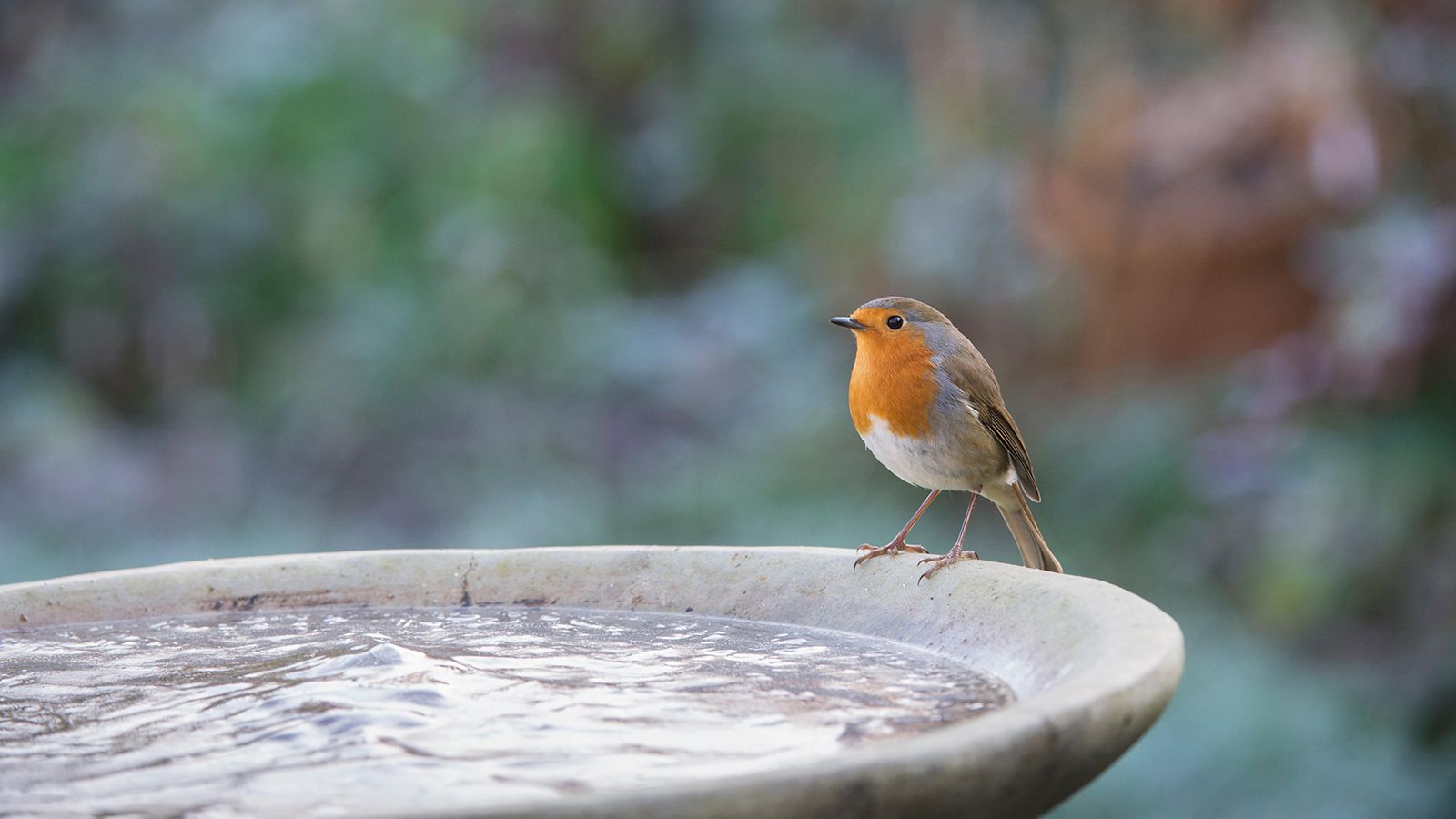
Credit: www.homesandgardens.com
Frequently Asked Questions
Can Bird Baths Be Placed Directly On The Ground?
Yes, bird baths can be placed on the ground. Ground placement attracts ground-feeding birds and is easier for small species to access safely.
What Are The Benefits Of Ground-level Bird Baths?
Ground bird baths provide easy access for ground birds and reduce tipping risks. They also blend naturally into garden landscapes.
How Do Ground Bird Baths Affect Bird Safety?
Placing bird baths on the ground can increase predator risks. Use nearby shrubs or rocks to offer birds quick escape routes.
Should Ground Bird Baths Have Drainage Holes?
Yes, drainage holes prevent water stagnation and mosquito breeding. They help keep the water clean and fresh for visiting birds.
Conclusion
Bird baths on the ground work well for many birds. They offer easy access and feel safe for small birds. Keep the water clean and change it often. Place the bath where cats cannot hide nearby. Ground baths can attract a variety of wildlife.
They also add charm to your garden. Small steps make your outdoor space inviting. Try a ground bird bath and enjoy watching birds close. Simple, natural, and good for birds too.




