
Have you ever wondered which bird stands tallest and spreads the widest wings in the feather family? If you think you know the biggest bird, you might be surprised by what’s really out there.
Understanding this giant of the bird world not only sparks your curiosity but also connects you to nature in a whole new way. Keep reading, and you’ll discover fascinating facts that will change the way you see birds forever. Your next favorite bird might just be the biggest one!
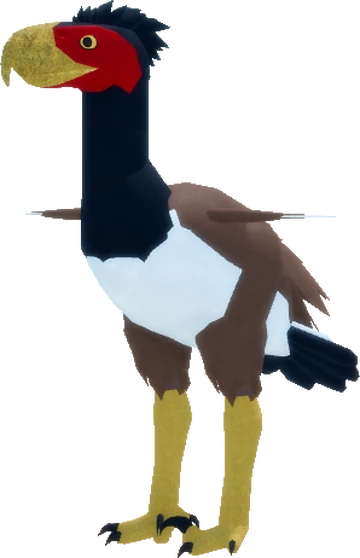
Credit: feather-family.fandom.com
The Feather Family Basics
The Feather Family is a diverse and fascinating group of creatures that share one common feature: feathers. These birds vary widely in size, shape, and behavior, but their feathers link them all together. Understanding the basics of this family helps you appreciate the incredible variety and unique adaptations of these winged animals.
Types Of Feathered Birds
Feathered birds fall into many categories based on their habitats, diets, and physical traits. You can find them in forests, deserts, cities, and even the ocean. Some well-known types include:
- Raptors:Birds of prey like eagles and hawks known for sharp talons and keen eyesight.
- Waterfowl:Ducks, swans, and geese that thrive in aquatic environments.
- Songbirds:Small birds celebrated for their melodious calls, such as sparrows and finches.
- Flightless birds:Ostriches and emus, which have feathers but cannot fly.
Each type plays a different role in the ecosystem, showing how feathers have adapted to support various lifestyles.
Common Traits Among Feathered Birds
Feathers are the most obvious trait, but there are several other features you’ll notice in every feathered bird. These include:
- Beaks:Birds use beaks instead of teeth, and their shape varies according to diet and environment.
- Lightweight skeletons:Hollow bones help birds fly by reducing body weight.
- High metabolism:Birds burn energy quickly to maintain flight and body temperature.
- Egg-laying:All feathered birds lay eggs, often building nests to protect their young.
Have you ever noticed how your backyard bird’s beak shape matches its favorite food? This connection between form and function is a key to their survival. Feathers themselves serve multiple purposes beyond flight—they provide insulation, camouflage, and even play a role in mating displays.

Credit: feather-family.fandom.com
Meet The Giant Bird
When you think of the biggest bird in the feather family, the image of a giant, towering creature often comes to mind. This bird isn’t just large; it holds a unique place in the animal kingdom because of its size and strength. Let’s take a closer look at this fascinating giant bird and discover what makes it truly remarkable.
Physical Characteristics
The giant bird stands out with its impressive height, often reaching up to 9 feet tall. It can weigh as much as 320 pounds, making it the heaviest bird that cannot fly. Its long, powerful legs are built for running, allowing it to sprint at speeds close to 45 miles per hour.
You’ll notice its neck and body are covered with soft feathers, but its wings are small and not designed for flight. Instead, these wings help the bird maintain balance while running and make intimidating displays to predators. Its large eyes give it excellent vision, helping it spot danger from far away.
Habitat And Distribution
This giant bird is native to the open lands of Africa, where it thrives in savannas and semi-arid regions. It prefers areas with wide spaces to run and few trees to block its view. You won’t find it in dense forests or cold climates because it needs warmth and room to move quickly.
Have you ever wondered how this bird manages to survive in such harsh environments? Its strong legs not only help it escape threats but also allow it to cover long distances searching for food. Its diet mainly consists of plants, seeds, and insects, making it well adapted to the available resources.
Size Comparison With Other Birds
Understanding the size of the biggest bird in the feather family means putting it side by side with other large birds. Size isn’t just about length or height; it includes wingspan, weight, and body mass. Comparing these factors helps you grasp how truly massive these birds can be.
Largest Flightless Birds
Flightless birds are some of the biggest birds on Earth because they don’t need to stay light for flying. The ostrich tops the list, standing up to 9 feet tall and weighing as much as 320 pounds. This makes it heavier and taller than most other birds you might be familiar with.
Other notable flightless birds include the emu and the cassowary. Both are large but still smaller than the ostrich. The emu can grow up to 6 feet tall and weigh around 130 pounds, while cassowaries are a bit shorter but very robust.
- Ostrich:Up to 9 feet tall, 320 pounds
- Emu:Up to 6 feet tall, 130 pounds
- Cassowary:Around 5 feet tall, 130 pounds
Biggest Flying Birds
Flying birds have a different challenge—they must stay light enough to lift off but still need strong bodies. The wandering albatross has one of the longest wingspans, stretching over 11 feet. This allows it to glide effortlessly over oceans for hours.
The Andean condor is another giant flyer, weighing up to 33 pounds with a wingspan that can reach nearly 10 feet. Its size helps it soar high in the mountains while searching for food. These birds show you that being big and flying is a special balance.
- Wandering Albatross:Wingspan over 11 feet, weighs about 20 pounds
- Andean Condor:Wingspan up to 10 feet, weighs up to 33 pounds
Have you ever wondered how these birds manage their size and still survive in the wild? Their unique adaptations teach us a lot about nature’s balance between size, strength, and survival skills.
Adaptations For Size
Large birds in the feather family have unique body features to support their size. Strong legs and wide wings help them move and balance easily. These adaptations make living as the biggest bird easier.
Adaptations for Size When you think about the biggest bird, the ostrich likely comes to mind. With its towering height and impressive bulk, the ostrich is a marvel of nature. But how does such a large bird manage to thrive in its environment? The answer lies in its unique adaptations for size. These adaptations allow the ostrich to maintain its stature and agility, from the way its feathers are structured to the strength of its skeletal frame.Feather Structure
Ostrich feathers are unlike those of other birds. They are fluffy and soft, lacking the hooks that help most birds’ feathers stay streamlined. This makes them less effective for flight but perfect for temperature regulation. The loose structure allows air to flow through, keeping the ostrich cool under the blazing sun. Have you ever wondered why ostriches seem unbothered by the heat? Their feather structure plays a crucial role in this natural air-conditioning system.Skeletal Strength
The ostrich’s skeletal system is another marvel. Despite their size, ostriches have lightweight bones that are incredibly strong. This strength is essential to support their massive bodies. Their legs are particularly noteworthy. With powerful muscles and a unique bone structure, ostriches can run at speeds up to 45 mph. Imagine the balance required to stay upright at such speeds! This skeletal strength is what enables them to escape predators with ease. Consider how these adaptations might inspire human engineering. Could we learn from the ostrich to design better cooling systems or stronger, lighter structures? Nature often holds the answers to our most pressing challenges. How might the ostrich’s adaptations for size influence your own perspective on problem-solving?Behavior And Lifestyle
The behavior and lifestyle of the biggest bird in the feather family reveal fascinating survival strategies and adaptations. Observing these giants in their natural habitat offers clues about how they thrive despite their size. Their daily routines, social interactions, and survival tactics can inspire you to see nature’s design from a fresh perspective.
Feeding Habits
The largest bird in the feather family has a unique diet that suits its size and energy needs. It primarily feeds on large quantities of vegetation, such as leaves, fruits, and seeds, which provide the necessary nutrients to sustain its massive body.
Unlike smaller birds that often catch insects or small prey, this giant bird spends hours foraging on the ground. Watching one eat, you’ll notice it uses its strong beak to strip leaves or crack open tough shells.
You might wonder how it balances the need to find enough food with the risk of predators. This bird often feeds in groups, which helps in spotting danger early and allows individuals to relax while eating. Your own strategies for staying safe during routine tasks might benefit from this collective approach.
Reproduction And Lifespan
Reproduction in the biggest bird of the feather family is a slow but steady process. They usually lay a small number of eggs, focusing on quality over quantity to ensure the survival of their offspring.
The parents invest significant time in nurturing their young, teaching them essential skills for survival. This dedication increases the chances that the chicks will grow strong and independent.
These birds tend to live long lives compared to smaller birds, sometimes reaching several decades. Their extended lifespan means they experience many seasons and changes, adapting as they grow older. How might you apply patience and long-term thinking to your own challenges, just like these birds do in their life cycle?
Conservation Status
The conservation status of the biggest bird in the feather family is a critical topic. This bird faces challenges that impact its survival. Understanding its status helps in protecting it better.
Conservation status shows how close a species is to extinction. For this giant bird, the status varies depending on habitat and human impact. Some populations are stable, while others are declining rapidly. Efforts to monitor these birds are ongoing worldwide.
Threats To The Giant Bird
- Loss of habitat due to deforestation and farming
- Hunting and poaching for feathers and meat
- Climate change affecting food supply and breeding grounds
- Pollution and human disturbances in nesting areas
These threats reduce the bird’s numbers and limit its ability to reproduce. The large size of this bird makes it vulnerable to predators and human activities.
Protection Efforts
- Creating protected areas and wildlife reserves
- Strict laws against hunting and trade
- Breeding programs in captivity to boost populations
- Community education to raise awareness and support
Conservation groups work closely with governments to enforce these measures. Success depends on continued support and monitoring of the bird’s population.

Credit: feather-family.fandom.com
Frequently Asked Questions
What Is The Biggest Bird In The Feather Family?
The ostrich is the biggest bird in the feather family. It can grow up to 9 feet tall and weigh over 320 pounds. Ostriches have large, powerful legs for running and large feathers for insulation, but they cannot fly.
How Does The Biggest Bird In The Feather Family Live?
Ostriches live mainly in African savannas and deserts. They are fast runners, reaching speeds up to 45 mph. They feed on plants, seeds, and small insects. Ostriches live in groups and use their strong legs for defense.
Why Can’t The Biggest Bird In The Feather Family Fly?
Ostriches cannot fly due to their large size and heavy body weight. Their wings are too small to lift their massive bodies. Instead, they rely on running fast to escape predators and use their strong legs for protection.
What Unique Features Does The Biggest Feathered Bird Have?
The ostrich has long legs, large eyes, and a long neck. Its feathers are soft and fluffy but not suitable for flying. Ostriches have two toes on each foot, which help them run quickly on rough terrain.
Conclusion
The biggest bird in the feather family is truly fascinating. It stands out with its large size and unique features. Many people find its strength and beauty amazing. This bird shows how diverse and interesting nature can be. Learning about it helps us appreciate wildlife more.
Keep exploring to discover other incredible animals too. Nature always has something surprising to share.




