
Your cement bird bath is more than just a garden decoration—it’s a peaceful retreat for birds and a charming focal point for your outdoor space. But over time, dirt, algae, and debris can build up, making it look dull and uninviting.
If you want your bird bath to stay fresh and welcoming, knowing how to clean it properly is key. In this guide, you’ll discover simple, effective steps to restore your cement bird bath’s beauty and keep your feathered friends happy.
Ready to bring your bird bath back to life? Let’s dive in!
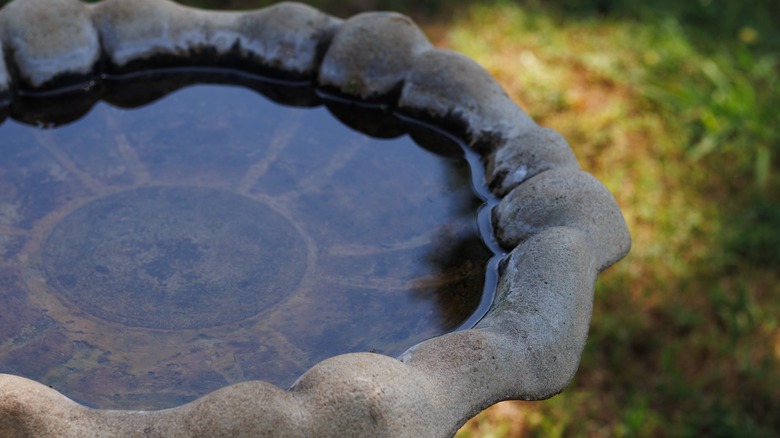
Credit: www.hunker.com
Gather Cleaning Supplies
Before you start scrubbing your cement bird bath, it’s important to have all your cleaning supplies ready. Gathering the right tools and materials makes the process smoother and helps protect your bird bath from damage. Have you ever started a cleaning job only to realize you’re missing a key item? Avoid that frustration by preparing everything in advance.
Essential Tools And Materials
Start with basic supplies like a soft-bristle brush or sponge. Avoid anything too abrasive to prevent scratching the cement surface.
- A bucket for mixing cleaning solutions
- Garden hose or access to water for rinsing
- Protective gloves to keep your hands safe
- Plastic scraper to remove stubborn debris without damaging the bath
- Old towels or rags for drying and wiping
These items are easy to find and will cover most cleaning needs. Having them on hand means you won’t have to stop halfway through the job.
Choosing Safe Cleaning Agents
Picking the right cleaning agents is crucial. Harsh chemicals can erode cement or harm visiting birds.
Consider using mild options like:
- White vinegar diluted with water – a natural cleaner that breaks down algae and mineral deposits
- Dish soap mixed with warm water – gentle yet effective for general dirt
- Baking soda paste – good for scrubbing without scratching
Have you checked the labels for any toxic ingredients? Avoid bleach or strong acids that might cause long-term damage.
By choosing safe supplies, you protect not only your bird bath but also the wildlife that depends on it. What cleaning agents do you already have at home that fit these guidelines?
Prepare The Bird Bath
Preparing your cement bird bath is the first step to a clean and safe water spot for birds. Proper preparation helps avoid damage and keeps the water fresh. Take time to clear out old water and dirt before cleaning. This makes the washing process easier and more effective.
Emptying The Water
Start by removing all water from the bird bath. Use a small bucket or cup to scoop out the water carefully. Pour the water on your garden or lawn, not on walkways. Make sure no water remains, especially in cracks or crevices. Standing water can cause stains and attract unwanted insects.
Removing Debris And Dirt
Clear out leaves, twigs, and dirt from the basin. Use a soft brush or cloth to sweep away loose debris. Avoid harsh scrubbing that can damage the cement surface. For stubborn dirt, a gentle rinse with a garden hose works well. Keep the bird bath free from algae and moss buildup for healthy bird visits.
Scrub The Surface
Scrubbing the surface of your cement bird bath is a key step to keep it clean and inviting for your feathered visitors. Dirt, algae, and bird droppings can build up over time, making the bath less attractive and hygienic. Taking the time to scrub properly ensures your bird bath stays fresh and safe.
Using Brushes And Sponges
Choose a soft-bristled brush or a non-abrasive sponge to avoid scratching the cement surface. A stiff brush can damage the porous texture and cause small cracks. Gently scrub in circular motions to lift dirt without harming the structure.
It helps to dip your brush or sponge in a mixture of warm water and mild dish soap. This simple solution loosens grime effectively. Have you noticed how much easier dirt comes off when you soak the area first?
Tackling Stubborn Stains
Stubborn stains may require a bit more effort. Try using a paste made from baking soda and water—apply it directly to the stain and let it sit for 10-15 minutes before scrubbing. This gentle abrasive can break down tough spots without harsh chemicals.
For really persistent algae or mineral deposits, a diluted white vinegar solution works well. Spray it on, wait a few minutes, then scrub and rinse thoroughly. Always test a small hidden area first to ensure the vinegar won’t discolor your bird bath.

Credit: www.dukemanorfarm.com
Rinse Thoroughly
Rinse the bird bath with clean water until all soap and dirt are gone. Make sure no residue remains to keep birds safe. Use a gentle stream of water for best results.
Rinsing your cement bird bath thoroughly is an essential step in maintaining its cleanliness and ensuring a healthy environment for your feathered visitors. After scrubbing away dirt and algae, it’s crucial to remove all cleaning agents and residues. A properly rinsed bird bath not only looks pristine but also ensures that no harmful chemicals are left behind to harm the birds. Let’s dive into the specifics of rinsing effectively.Using Clean Water
Use fresh, clean water to rinse your bird bath. Tap water is usually sufficient, but if you’re concerned about chemicals like chlorine, consider using filtered water. The goal is to thoroughly wash away soap or vinegar used during cleaning. If you’ve ever scrubbed a bird bath only to find residue left behind, you know how frustrating it can be. Ensure you’re using enough water pressure to wash away all remnants. A garden hose with a spray nozzle can make this task much easier and more efficient.Ensuring No Residue Remains
Make sure to rinse every nook and cranny of the bird bath. Pay attention to the edges and any decorative features where residue might hide. A final rinse can help you catch these sneaky spots. Imagine the satisfaction of seeing a spotless bird bath with crystal clear water. That’s the result of thorough rinsing. Once you’ve rinsed it well, run your hand along the surface to check for any leftover slickness from soap or cleaning agents. Ensuring no residue remains is not just about aesthetics; it’s about safety. Birds are sensitive to chemicals, and even small amounts of residue can be harmful. Rinsing thoroughly is a simple yet effective way to protect your backyard visitors.Disinfect The Bird Bath
Disinfecting your cement bird bath is essential to keep the water safe and fresh for visiting birds. Over time, algae, bacteria, and other harmful organisms can build up, making the bath unhealthy. Taking the time to clean and disinfect properly helps protect wildlife and keeps your outdoor space inviting.
Safe Disinfection Methods
Use a mild bleach solution made by mixing one part bleach with nine parts water to disinfect your bird bath safely. Scrub the surface gently using a soft brush to remove algae and dirt without damaging the cement. Rinse thoroughly with clean water to ensure no bleach residue remains that could harm the birds.
If you prefer natural alternatives, white vinegar works well as a disinfectant. Soak the bird bath with a vinegar-water solution (about 50/50 mix) and let it sit for 10-15 minutes before scrubbing and rinsing. This method avoids harsh chemicals while still killing bacteria and algae.
Drying Before Refilling
After disinfecting, let your bird bath dry completely before adding fresh water. Moisture left behind can encourage new algae growth or harbor bacteria. Placing the bird bath in a sunny spot speeds up the drying process and helps keep it clean longer.
Have you noticed that damp bird baths attract more insects? Drying thoroughly reduces this problem and makes your bird bath more inviting. It’s a small step that makes a big difference in maintaining a healthy environment for your feathered visitors.
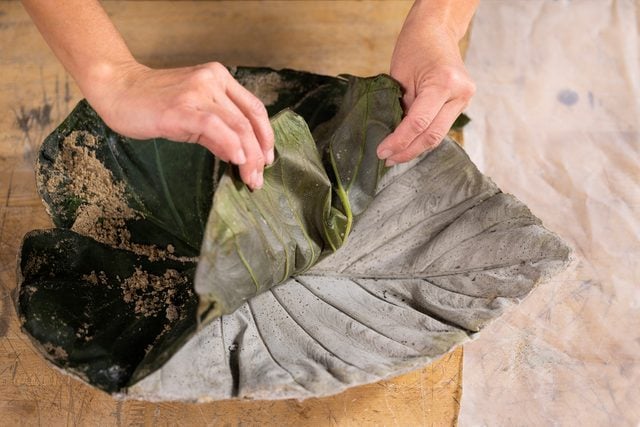
Credit: www.familyhandyman.com
Maintain Regular Cleaning
Maintaining regular cleaning of your cement bird bath is key to keeping it a safe and inviting spot for birds. Dirt, debris, and algae can quickly build up and spoil the water quality. Consistency in cleaning not only extends the life of the bird bath but also protects the health of the visiting birds.
Cleaning Frequency Tips
How often you clean your bird bath depends on your local climate and how much debris falls into the water. In warm weather, cleaning once or twice a week helps prevent the buildup of harmful bacteria. During cooler months, a biweekly cleaning might be enough.
Watch for signs like cloudy water or an unpleasant smell—these are red flags that cleaning is overdue. If your yard has many trees, you may need to clean more frequently due to falling leaves and bird droppings. Setting a regular cleaning schedule makes the task less overwhelming and keeps your bird bath ready for visitors.
Preventing Algae Growth
Algae can turn your bird bath green and slippery, making it unappealing and unsafe for birds. To prevent algae, change the water every few days and scrub the surface with a brush. Avoid harsh chemicals; a mixture of water and white vinegar works well to clean without harming wildlife.
Consider placing your bird bath in a shaded area to reduce sunlight exposure, which fuels algae growth. Adding a few drops of food-grade hydrogen peroxide can also help keep algae at bay without affecting the birds. Have you noticed how small changes in cleaning routine can make a big difference in water clarity?
Frequently Asked Questions
How Often Should I Clean A Cement Bird Bath?
Clean your cement bird bath every two weeks to prevent algae and bacteria buildup. Frequent cleaning keeps the water fresh and safe for birds.
What Materials Are Safe For Cleaning Cement Bird Baths?
Use mild dish soap, water, and a soft brush or sponge. Avoid harsh chemicals that can damage cement or harm birds.
Can I Use Bleach To Clean My Cement Bird Bath?
Yes, but dilute bleach properly (1 part bleach to 9 parts water). Rinse thoroughly to remove all bleach residue before refilling.
How Do I Remove Algae From A Cement Bird Bath?
Scrub gently with a soft brush and a vinegar-water solution. Rinse well to eliminate algae without harming the cement surface.
Conclusion
Cleaning a cement bird bath keeps birds healthy and happy. Regular care stops dirt and algae build-up. Use gentle tools and safe cleaners to protect the cement. Rinse well to avoid harmful residue. Drying prevents mold and cracking. A clean bird bath invites more birds to visit your garden.
Small effort brings big benefits for nature around you. Keep your bird bath fresh and enjoy watching birds daily. Simple steps make a big difference in bird care.




