
Have you ever wondered if birds really use bird baths or if they’re just pretty garden decorations? If you’ve set up a bird bath in your yard, you might be curious whether it’s actually helping your feathered visitors.
Understanding how and why birds use these baths can change the way you care for your outdoor space. Keep reading to discover surprising facts that will make you see bird baths in a whole new light—and learn how you can attract more birds to enjoy them every day.
Why Birds Need Water
Water is essential for birds in many ways. It helps them stay healthy and active. Birds need water for drinking and for keeping their feathers clean. Bird baths provide a safe spot for birds to get fresh water. Understanding why birds need water shows why bird baths matter in gardens and parks.
Hydration And Health
Birds need water to stay hydrated. Water helps their bodies work well. It supports digestion and keeps their temperature steady. Without enough water, birds can become weak and sick. Drinking fresh water from bird baths helps birds survive hot or dry days.
Bathing For Feather Care
Bathing is important for birds’ feathers. Clean feathers help birds fly better and stay warm. Bathing removes dirt, dust, and parasites. Birds splash and shake in water to clean hard-to-reach spots. Bird baths offer a safe place for this important daily routine.
Bird Baths As A Water Source
Bird baths serve as a vital water source for many birds, especially during hot or dry weather. Birds need water not only to drink but also to clean their feathers, which helps them stay healthy and fly efficiently. If you’ve ever watched a bird splash energetically in a shallow pool, you know how much they appreciate having easy access to fresh water.
Attracting Different Bird Species
Different birds have different preferences when it comes to water sources. Smaller birds like finches and sparrows prefer shallow water where they can quickly hop in and out. Larger birds, such as robins and doves, need a bit more space to bathe comfortably.
Offering a variety of water depths can attract a wider range of species to your yard. You might notice unexpected visitors like woodpeckers or even hummingbirds stopping by if you provide water near plants and trees. Have you tried changing water levels to see which birds show up?
Preferred Bird Bath Designs
Birds are picky about their baths. Smooth, non-slippery surfaces with gradual slopes work best to prevent slipping. Avoid deep or steep-sided bowls because they can scare birds away or be unsafe for smaller species.
Materials also matter. Ceramic and stone baths keep the water cool and attract birds during hot days. Adding a drip feature or a gentle fountain can create moving water, which many birds find irresistible.
- Keep baths clean and filled with fresh water daily.
- Place bird baths near shrubs or trees for quick escape routes.
- Consider heated baths in winter to provide year-round water.
Have you noticed your local birds favoring a specific type of bird bath? Observing their habits can help you fine-tune your setup and enjoy more frequent visits.
How Birds Use Bird Baths
Bird baths serve more than just a decorative purpose in gardens. Birds actively use them for daily needs. These small water sources play a crucial role in their survival and comfort. Understanding how birds use bird baths reveals their simple yet vital habits.
Drinking Habits
Birds visit baths primarily to drink fresh water. They need water to stay hydrated, especially during hot days. Birds perch on the edge and dip their beaks into the water. Some small birds even hover briefly to take quick sips. Clean, shallow water attracts more species. It provides a safe spot for drinking without much risk.
Bathing Behavior
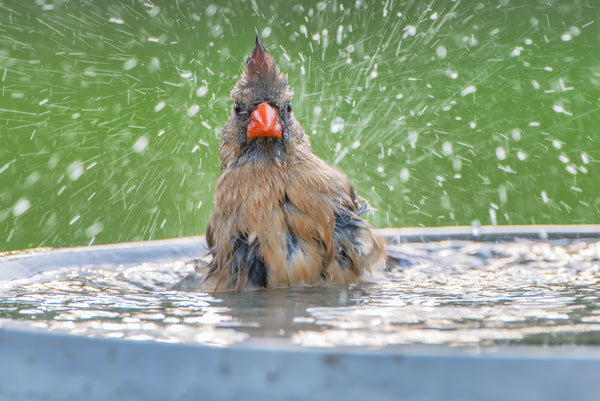
Birds use baths to clean their feathers and remove dirt. Bathing keeps their feathers in good condition for flying and warmth. They splash water by flapping wings and shaking their bodies. This behavior also helps control parasites. Bathing is a quick, lively activity, often lasting just a minute or two. Fresh water and gentle ripples encourage birds to bathe often.

Credit: www.birdwatchingdaily.com
Factors Influencing Bird Bath Usage
Bird baths can attract various bird species to your garden. However, certain factors influence their usage. Understanding these factors can increase your chances of seeing birds enjoy your bird bath.
Location And Safety
The bird bath’s location plays a crucial role. Place it in a quiet area, away from predators. Birds need to feel safe when they visit. Avoid placing the bath too close to dense bushes. This could hide lurking predators. Also, choose a spot with good visibility. Birds prefer open spaces where they can spot danger easily.
Water Cleanliness And Depth
Clean water is essential for attracting birds. Dirty water can deter them. Change the water daily to keep it fresh. The depth of the water also matters. Most birds prefer shallow water. A depth of about 1-2 inches is ideal. This allows birds to bathe comfortably. Deeper water might discourage smaller birds.
Common Misconceptions About Bird Baths
Many people have wrong ideas about bird baths. These common myths stop them from setting up bird baths in their gardens. Understanding what is true helps birds get the water and rest they need. Bird baths offer more than just water. They can be a safe spot for birds to clean and cool off.
Birds Avoiding Bird Baths
Some think birds do not like bird baths. This is not true. Birds use baths to drink and bathe often. If birds avoid a bath, it usually means the water is dirty or the bath is in a bad spot. Birds prefer quiet, safe places away from people and pets. Moving the bath to a calmer area can help. Keeping water fresh and clean invites birds back again.
Bird Baths As Feeding Spots
People worry that bird baths attract unwanted animals looking for food. Bird baths are for water, not food. Birds come to drink and bathe, not eat. Feeding birds near baths can cause problems. It may attract pests like ants or rodents. It is better to keep feeding and bathing areas separate. This keeps the garden clean and safe for all wildlife.

Credit: www.allaboutbirds.org
Tips To Encourage Birds To Use Baths
Encouraging birds to use your bird bath requires simple care and thoughtful touches. Birds seek clean, fresh water and safe surroundings. Small changes can make your bird bath more inviting and popular among local birds.
Maintenance And Water Replacement
Keep the water clean to attract birds. Dirty water can scare them away. Change the water every two days or more often in hot weather. Remove leaves, dirt, and algae regularly. Clean the bath with mild soap and rinse well to avoid harming birds. Standing water can breed mosquitoes, so regular cleaning is vital.
Adding Natural Elements
Place the bath near shrubs or trees for cover and safety. Birds feel safer when they can quickly hide from predators. Add smooth stones or pebbles inside the bath for birds to perch on. These also help smaller birds reach the water easily. Surround the bath with native plants to provide food and shelter. Natural elements create a welcoming, bird-friendly environment.
Benefits Of Bird Baths For Birdwatchers
Bird baths do more than just attract feathered visitors; they open a window into the natural world right in your backyard. For birdwatchers, having a bird bath offers a unique chance to witness birds up close, observe their behaviors, and contribute to their well-being. These simple water features can turn an ordinary day into a memorable birdwatching experience.
Observation Opportunities
Having a bird bath nearby lets you see birds in action—drinking, bathing, and even socializing. This close-up view reveals details that are often missed, like the way a cardinal splashes or how a sparrow preens its feathers.
Watching these moments can sharpen your identification skills and deepen your connection with nature. Have you noticed how different species prefer various bath depths or water movement? These insights can guide you in setting up your own bird bath to attract more visitors.
Supporting Local Wildlife
Providing fresh water is crucial for birds, especially during hot or dry periods. Your bird bath can become a vital resource that supports their survival and health.
By keeping the bath clean and filled, you help local birds stay hydrated and maintain their plumage. This small act can encourage more species to visit, including those that might not be seen otherwise.
Have you ever thought about how your bird bath contributes to the local ecosystem? It’s a simple way to make a positive impact while enjoying the beauty of wild birds every day.
Credit: sunnydazedecor.com
Frequently Asked Questions
Do Birds Really Use Bird Baths Regularly?
Yes, many bird species use bird baths for drinking and bathing. Bird baths provide essential water, especially in dry areas. Clean, shallow water attracts birds and helps them maintain healthy feathers.
Why Do Birds Prefer Bird Baths Over Natural Water?
Birds often choose bird baths because they are safer and easier to access. Bird baths offer clean, still water free from predators and strong currents. This makes bird baths a reliable water source near their habitat.
How Can I Attract More Birds To My Bird Bath?
Keep the water fresh and shallow, about 1-2 inches deep. Place the bird bath in a quiet, shaded area near shrubs. Regularly clean the bath to prevent algae and mosquitoes, ensuring a safe environment for birds.
What Types Of Birds Commonly Use Bird Baths?
Common visitors include sparrows, finches, robins, cardinals, and doves. Waterfowl and larger birds may also use baths if they are spacious. The type of birds depends on your location and local habitat.
Conclusion
Birds do use bird baths for drinking and cleaning. Bathing helps birds stay healthy and cool. A clean bird bath attracts more feathered visitors. Place your bird bath where birds feel safe. Regularly change the water to keep it fresh.
Watching birds enjoy baths brings joy and peace. Simple steps can support local wildlife easily. Bird baths are small but helpful tools for birds. Give birds a friendly spot to refresh and thrive.




