
Have you ever wondered how birds manage to sneak into your house? It can be surprising—and a little unsettling—to find a feathered visitor fluttering around your living room.
Understanding how birds get inside can help you prevent these unexpected guests and protect your home. You’ll discover the common ways birds find their way indoors and simple steps you can take to keep your space bird-free. Keep reading to learn how to spot the hidden entry points and stop birds from turning your home into their next stop.
Common Entry Points
Birds can sneak into your home through surprisingly simple openings. Knowing the common entry points helps you spot vulnerabilities before they become a problem. These spots often go unnoticed during regular checks but can easily invite feathered visitors inside.
Open Doors And Windows
Leaving doors or windows open, even for a short time, is the easiest way for birds to fly right in. Birds may be attracted by indoor plants, food, or even their reflection in glass surfaces. Have you ever seen a bird suddenly appear inside when you opened a window? It happens more often than you think.
To prevent this, try installing screens or keep an eye on open entryways. If you enjoy fresh air, consider using fine mesh screens that still let air flow but block birds.
Chimneys And Vents
Chimneys and vents often provide a perfect hidden route for birds. They can enter quietly and build nests, causing blockages or fire hazards. I once discovered a family of pigeons nesting inside my chimney after noticing unusual noises—an unwelcome surprise that could have been avoided with a simple cover.
Adding chimney caps or vent guards can stop birds from making your home theirs. Regular inspections help catch nests before they become a bigger issue.
Gaps In Roof And Eaves
Small gaps or cracks around the roofline and eaves are easy entry points for birds looking for shelter. These spaces may be as tiny as a quarter but still large enough for certain birds to squeeze through. During a home repair, I found several gaps around the eaves where sparrows had already started nesting.
Sealing these gaps with weatherproof materials not only keeps birds out but also improves your home’s insulation. Have you checked your roofline for tiny openings lately?

Credit: www.amazon.com
Unusual Access Routes
Birds can find surprising ways into homes. They do not need large openings. Small gaps or hidden spots can be entry points. These unusual routes often go unnoticed. Understanding them helps protect your space from unwanted feathered guests.
Attic And Crawl Space Openings
Birds often enter through attic or crawl space vents. These areas have small holes or gaps. If these openings lack proper screening, birds slip inside easily. Attics and crawl spaces offer shelter and warmth. Birds may nest there, causing noise and damage.
Broken Screens And Vents
Damaged window screens and vents invite birds indoors. Torn screens create perfect entry points. Birds squeeze through these small openings. Vents without covers also let birds in. Regular checks on screens and vents prevent this problem.
Pet Doors And Other Small Openings
Pet doors are another common way for birds to enter. Birds may fly through if the door stays open. Small gaps around pipes, cables, or wiring can also let birds in. These tiny spaces often go unnoticed but serve as easy access points.
Attracted By Shelter And Food
Birds often find their way into homes because they are drawn to easy shelter and accessible food. Your house might seem like a safe haven to them, especially when natural options are limited. Understanding why birds are attracted to your living space can help you prevent unexpected visits.
Nesting Sites Near Human Habitation
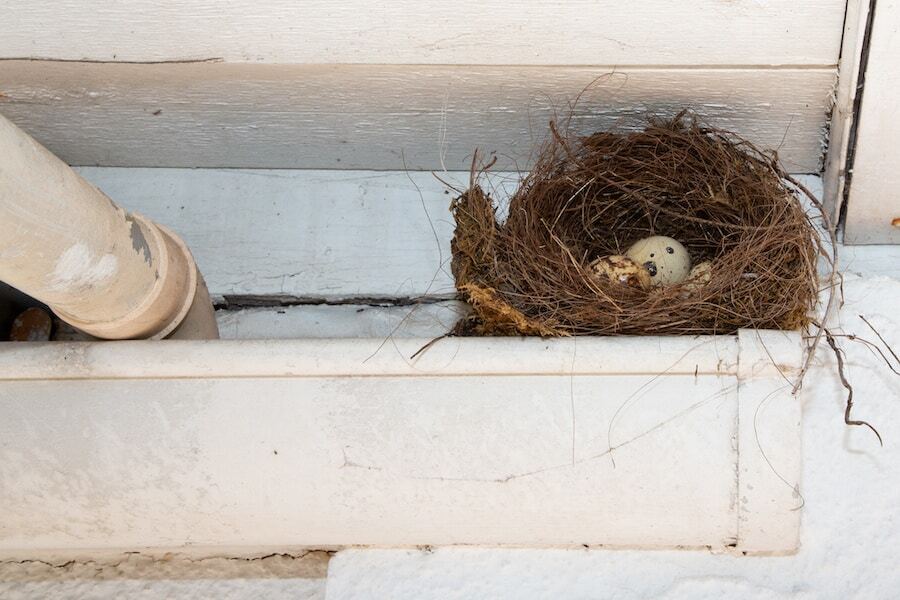
Birds look for quiet, protected places to build their nests close to human homes. Eaves, attics, and even unused chimneys offer ideal spots that shield them from predators and bad weather.
If you’ve ever noticed birds peeking around your porch or tucked away in your garden shed, they might be scouting for a nesting site. You might not realize it, but the small gaps in your window frames or vents can become perfect entrances for them.
Ask yourself: Are there areas around your home that stay undisturbed for long periods? These are exactly the places birds prefer for nesting.
Food Sources Inside The Home
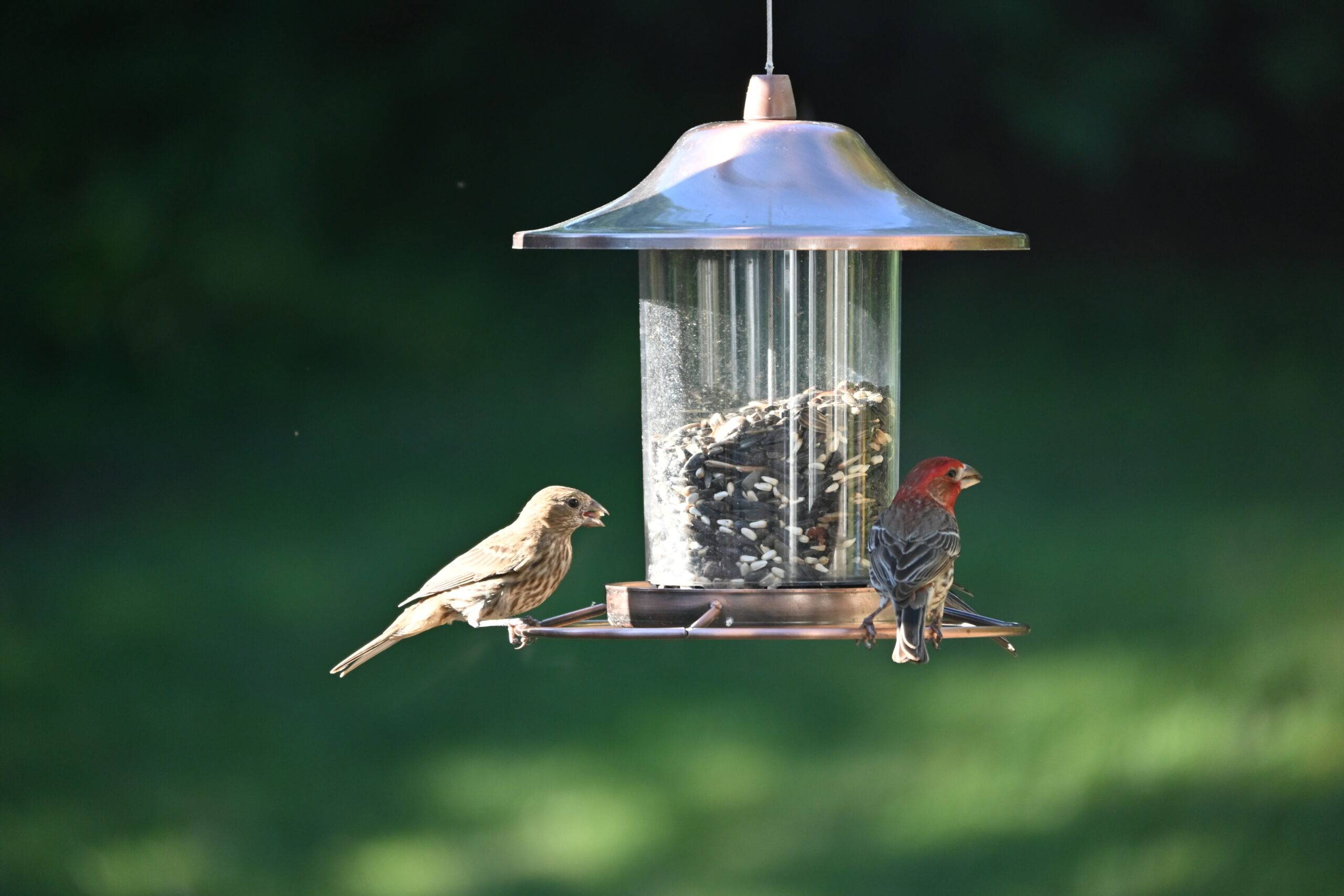
Birds don’t just come for shelter; your kitchen might be an unexpected buffet. Crumbs on the floor, open pantry containers, or fruit bowls left out can easily attract them.
Even pet food left uncovered can become a feast. If you’ve noticed birds fluttering near your windows or doors, they might be attracted by the smell of food inside.
Consider whether your home has easy food access points. Are pantry doors always tightly closed? Is food stored in bird-proof containers? These small habits can make a big difference in keeping birds out.
Credit: www.manmadediy.com
Signs Of Bird Intrusion
Birds often enter homes through open windows, vents, or small gaps in walls. Signs include feathers near doors, droppings on ledges, or unusual noises inside. These clues show birds have found a way into your living space.
Spotting the signs of bird intrusion in your home can save you from potential damage and health risks. Birds might seem harmless from afar, but once inside, they can create a whirlwind of mess and chaos. Understanding these signs will help you take swift action and restore peace in your home.Sounds And Sightings Indoors
Have you ever heard mysterious chirping or flapping sounds when you’re alone at home? These noises might be coming from birds that have found their way indoors. Keep your ears open for persistent sounds that seem out of place, especially during early morning or late evening. Visual sightings are another clue. You might catch a glimpse of a bird perched on a curtain rod or fluttering in the kitchen. If you notice feathers or bird shadows darting across your rooms, it’s time to investigate further.Droppings And Nest Materials
Bird droppings are a clear, albeit unpleasant, indication that birds have invaded your space. These droppings can be found on window sills, floors, or even furniture, posing health risks and staining surfaces. Look out for nest materials such as twigs, feathers, or dried leaves. Birds often gather these items to create cozy nests in attic corners, chimneys, or vents. Finding such materials indoors is a strong signal that you have feathered intruders. Do you often notice bits of grass or string in unusual places around your home? This could be a nesting attempt by a crafty bird, trying to make your home its own. Observing these materials early can help you take preventative measures before they settle in for good.Preventing Bird Entry
Keeping birds out of your home starts with understanding how they find their way inside. Birds are curious creatures and often slip through unnoticed gaps or openings. Preventing their entry not only protects your living space but also avoids the mess and noise they bring.
Sealing Gaps And Openings
Check your home’s exterior carefully for small holes, cracks, or gaps. Birds can squeeze through openings as small as half an inch. Use weatherproof caulk or foam sealant to close off these entry points effectively.
Pay special attention to areas around vents, chimneys, and roof edges. I once found a sparrow nesting inside a gap near my attic vent because it was left unsealed. Sealing these areas prevents birds from making your home their next nesting site.
Installing Screens And Guards
Adding screens to windows, doors, and vents creates a physical barrier that keeps birds out. Choose sturdy mesh screens with small openings to block even tiny birds. Metal or fiberglass screens work well for durability.
Consider installing guards around chimneys or roof vents. These guards stop birds from perching or entering through these spots. Think about the last time you noticed birds near your vents—are there guards in place to deter them?
Regular Home Maintenance
Routine checks around your home can catch new entry points before birds use them. Inspect your roof, gutters, and eaves regularly for damage or wear. Repairing loose shingles or broken tiles can close off easy access for birds.
Keep an eye on any outdoor equipment or decorations that might provide perches close to your windows. Regular cleaning and upkeep reduce attractants and make your home less inviting to birds. How often do you take a walk around your house to spot these potential problems?
Credit: www.callnorthwest.com
Frequently Asked Questions
How Do Birds Find Entry Points Into Houses?
Birds enter homes through open windows, doors, or gaps in roofing and vents. They are attracted to accessible spaces for shelter and nesting.
Why Do Birds Choose To Nest Inside Houses?
Birds seek safe, warm, and sheltered spots. Houses provide protection from predators and harsh weather, making them ideal nesting sites.
Can Birds Enter Through Chimneys Or Vents?
Yes, birds often use chimneys or vents to access attics or living spaces. These openings offer easy entry and hidden shelter.
What Attracts Birds To Come Near Or Inside Homes?
Food sources, water, and nesting materials attract birds. Bright reflections on windows or indoor plants can also lure them inside.
Conclusion
Birds can enter your home through small gaps or open windows. They look for shelter, food, or a safe place to rest. Keeping doors and windows closed helps keep birds out. Sealing cracks and holes blocks their entry points. Regular checks around your home prevent unwanted guests.
Understanding how birds get inside helps you protect your space. Stay alert and take simple steps to avoid surprises. A bird-free home feels safe and comfortable for everyone.




