
Do you want to fill your backyard with the cheerful songs and colorful sights of birds? Imagine stepping outside and seeing a variety of birds fluttering around, bringing life and joy to your space.
Attracting birds to your backyard is easier than you think, and it can turn your outdoor area into a peaceful retreat. You’ll discover simple, effective ways to invite birds to visit you often. Keep reading, and soon your backyard could become a lively haven for feathered friends.

Credit: www.youtube.com
Choosing The Right Plants
Choosing the right plants makes your backyard inviting for birds. Plants provide food, shelter, and places to rest. Different plants attract different bird species. A mix of trees, shrubs, and flowers creates a welcoming habitat. Native plants are especially good because local birds know them well. They offer natural food sources and safe shelter. Below are some plant types to consider for your bird-friendly garden.
Native Trees And Shrubs
Native trees and shrubs support birds year-round. They provide fruits, seeds, and nesting spots. Examples include oak, maple, and dogwood. These plants attract various birds like robins and cardinals. Plant them in clusters for better protection and shelter. Trees also offer safe places for birds to hide from predators.
Flowering Plants For Nectar
Flowering plants that produce nectar bring hummingbirds and butterflies. Choose bright colors like red, orange, and yellow. Examples are trumpet vine, bee balm, and salvia. These plants bloom at different times, ensuring food for birds all year. Place flowers near trees or shrubs for added shelter.
Berry-producing Bushes
Berry-producing bushes supply essential food in fall and winter. Birds like thrushes, waxwings, and finches enjoy berries. Good choices include elderberry, holly, and serviceberry. Plant bushes in sunny spots to help berries ripen fully. They add color and life to your backyard while feeding birds.
Credit: www.kingsyard.com
Setting Up Bird Feeders
Setting up bird feeders is one of the most rewarding ways to attract birds to your backyard. It gives you a front-row seat to observe their behaviors and enjoy their vibrant colors. But not all feeders and seeds are equal, and where you place them can make a huge difference in the type and number of birds that visit.
Types Of Feeders
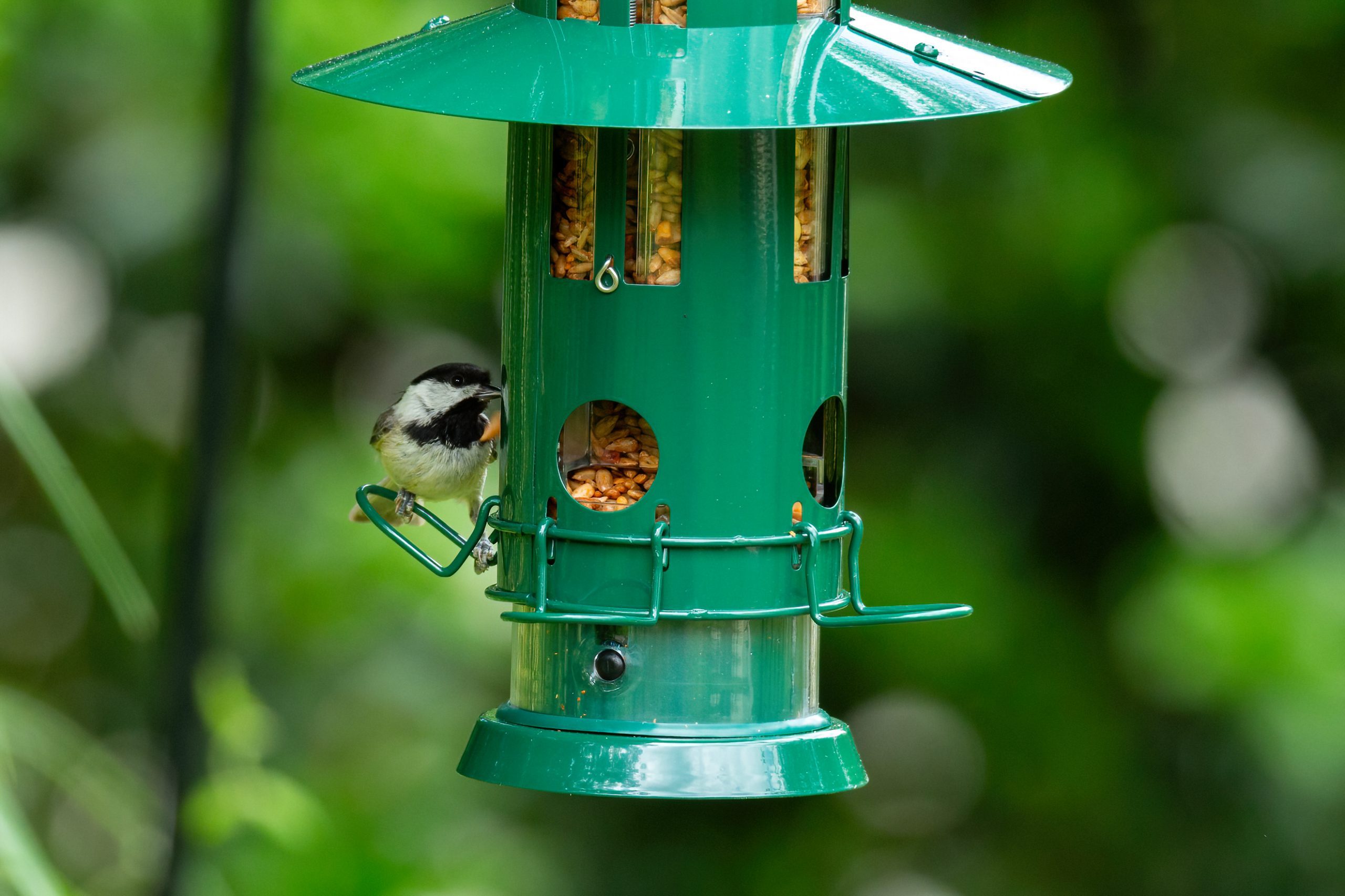
Different birds prefer different feeder styles, so having a variety can increase your backyard visitors. Tube feeders are great for small songbirds like finches and chickadees. Platform feeders attract a wider range, including cardinals and doves, because they offer open space to land.
Squirrel-proof feeders help protect your food investment and keep the focus on birds. Suet feeders are perfect if you want to attract woodpeckers and nuthatches. Think about your local bird species and choose feeders accordingly to match their feeding habits.
Best Bird Seeds
Choosing the right seeds is key to keeping birds coming back. Black oil sunflower seeds are a top pick because they appeal to many species and have a thin shell that’s easy to crack. Nyjer seed is a favorite for finches and smaller birds, but it requires a special feeder with tiny holes.
Milo and millet attract ground feeders like sparrows and doves, so consider mixing seeds if you want variety. Avoid cheap seed mixes with fillers like red millet or wheat as many birds ignore these, wasting your money. Have you noticed which seeds your local birds prefer? Adjusting your seed choice can make your feeder the most popular spot in your yard.
Feeder Placement Tips
Where you hang your feeders affects bird safety and visibility. Place feeders near shrubs or trees so birds have a quick escape route from predators. However, avoid locations too close to windows to reduce collision risks.
Keep feeders at least 5 feet off the ground to discourage cats and other predators. Think about sun and wind exposure—birds prefer feeders in sheltered spots to stay warm and dry. How often do you check your feeder’s placement? Moving them around can attract different bird species and improve your viewing experience.
Providing Fresh Water
Providing fresh water is essential for attracting birds to your backyard. Birds need water for drinking and bathing. Clean water sources help keep birds healthy and active. Offering water also makes your yard a welcoming place for various bird species.
Birdbaths And Water Features
Birdbaths are simple ways to provide water. Choose shallow dishes or basins about 1 to 2 inches deep. Place them where birds feel safe, near trees or shrubs. Water features like small fountains or ponds can also attract birds. These add beauty and offer more water options.
Maintaining Clean Water
Keep water fresh by changing it regularly. Stagnant water can spread disease. Clean birdbaths weekly using mild soap and water. Rinse well before refilling. Remove leaves, dirt, and algae to keep water clear. Clean water encourages birds to return often.
Attracting Birds With Moving Water
Birds prefer moving water over still water. Sounds of flowing water catch their attention. Use small pumps to create gentle streams or drips. Bubbling fountains or drippers work well. Moving water also stops mosquitoes from breeding. This keeps water fresh and inviting.
Creating Shelter And Nesting Spots
Providing safe shelters and nesting spots helps birds feel secure in your backyard. Use birdhouses or natural materials like twigs and leaves to create cozy homes. Placing these in quiet, sheltered areas encourages birds to stay and build nests.
Creating a welcoming environment for birds involves providing essential elements. Shelter and nesting spots are crucial for attracting them. Birds need safe places to rest and raise their young. Providing these spaces encourages birds to visit and stay in your backyard.Birdhouses And Nesting Boxes
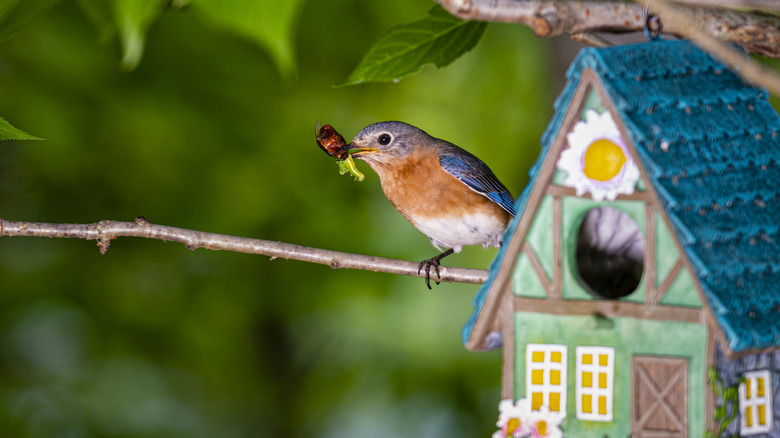
Birdhouses offer safe nesting options for many bird species. Choose birdhouses that fit the birds you want to attract. Ensure the entrance hole size is appropriate. Position birdhouses away from heavy foot traffic. Hang them at a safe height, away from predators. Clean them regularly to maintain a healthy environment.Natural Shelter With Brush Piles
Brush piles mimic a natural habitat for birds. They provide excellent protection and nesting spots. Gather fallen branches, twigs, and leaves in a corner of your yard. Stack them loosely to allow birds easy access. This simple setup offers safety and comfort for many species.Safe Spaces From Predators
Protect birds by creating safe spaces from predators. Plant dense shrubs where birds can hide quickly. Avoid placing nesting boxes in exposed areas. Keep your yard free of outdoor cats to increase bird safety. Use fencing or netting if predators are a concern. This ensures a safe environment for birds to thrive.Avoiding Common Pitfalls
Attracting birds to your backyard can be a joyful experience, but it requires more than just putting out feeders or birdbaths. Avoiding common pitfalls is crucial to create a safe and welcoming environment for your feathered visitors. Small changes in your habits and setup can make a big difference in keeping birds healthy and happy.
Minimizing Chemical Use
Birds are very sensitive to chemicals, especially pesticides and herbicides. Using these in your garden might kill the insects birds rely on for food or directly harm the birds themselves. Instead, try natural pest control methods like planting herbs that repel bugs or attracting beneficial insects.
Have you noticed fewer birds around after applying chemicals? That might be why. Switching to organic gardening practices not only protects birds but also improves the overall health of your backyard ecosystem.
Keeping Cats Indoors
Cats are natural hunters and can be a serious threat to backyard birds. Even well-fed cats often chase birds just for the thrill. Keeping your cat indoors or providing a secure outdoor enclosure protects birds from unnecessary harm.
If you love both your cat and your birds, consider creating a cat-free zone in your yard. This small adjustment helps birds feel safe and encourages them to visit more often. Have you tried this yet?
Preventing Window Collisions
Birds often cannot see glass and may crash into windows, causing injury or death. Reflective surfaces or large clear windows near feeders are especially dangerous. To reduce collisions, add decals, screens, or external shutters that break up reflections.
One easy trick is to place feeders either within 3 feet of windows or more than 30 feet away. This limits the bird’s flight speed near glass and lowers collision risks. Do you have large windows facing your feeding spots? Taking action here can save lives.
Seasonal Tips For Year-round Attraction
Attracting birds to your backyard throughout the year takes some planning. Each season offers unique opportunities to support local birds. Understanding what birds need in winter, spring, summer, and fall helps you create a welcoming habitat. This section covers simple tips for every season.
Winter Feeding Strategies
Winter is hard for birds. Food is scarce and cold weather is tough. Provide high-energy foods like sunflower seeds, suet, and peanuts. Use feeders that protect seeds from snow and wind. Keep water from freezing by using heated birdbaths or changing water often. Place feeders near shrubs or trees for shelter. Clean feeders regularly to prevent disease.
Spring Nesting Support
Spring is the breeding season. Birds look for safe places to build nests. Offer nesting materials like small twigs, dry grass, and feathers. Install birdhouses suitable for local species. Keep pets away from nesting areas. Avoid trimming trees and shrubs during nesting. Provide fresh water for bathing and drinking.
Summer And Fall Food Sources
In summer and fall, birds need food for energy and to prepare for migration. Plant native flowers, berries, and seed-producing plants. Leave some dead plants and seed heads for natural food. Provide fresh water, especially in hot weather. Reduce pesticide use to keep insects safe for insect-eating birds. Clean feeders and birdbaths regularly.
Credit: www.outdoorguide.com
Frequently Asked Questions
How Do I Attract Birds With Food?
Offer a variety of seeds like sunflower and millet. Fresh water and fruit also attract many bird species. Use feeders to keep food clean and accessible.
What Plants Attract Birds To My Backyard?
Plant native flowers, shrubs, and trees that produce berries and seeds. These provide natural food and shelter for birds. Diverse plants support different bird types.
How Can I Provide Water For Birds?
Use birdbaths or shallow dishes with fresh water. Keep water clean and change it regularly. Moving water, like a fountain, attracts more birds.
What Types Of Birdhouses Should I Use?
Choose birdhouses that match local bird species’ needs. Ensure proper size, ventilation, and safety from predators. Place houses in quiet, sheltered spots.
Conclusion
Creating a bird-friendly backyard brings joy and life to your space. Offer fresh water, food, and safe shelter for birds. Plant native flowers and trees to attract more species. Keep your yard clean and quiet to make birds feel safe.
Small changes can make a big difference over time. Watch and enjoy as birds visit your garden daily. Nature’s beauty is closer than you think. Start today and see your backyard come alive with birds.




