
Have you ever wanted to invite beautiful birds right to your backyard? Building your own bird house is easier than you think, and it gives you a chance to connect with nature like never before.
Imagine watching colorful birds nest, sing, and flutter just outside your window. In this guide, you’ll discover simple steps to create a safe and cozy home for your feathered friends. Ready to bring more life and joy to your outdoor space?
Let’s dive in and make a bird house that both you and the birds will love.
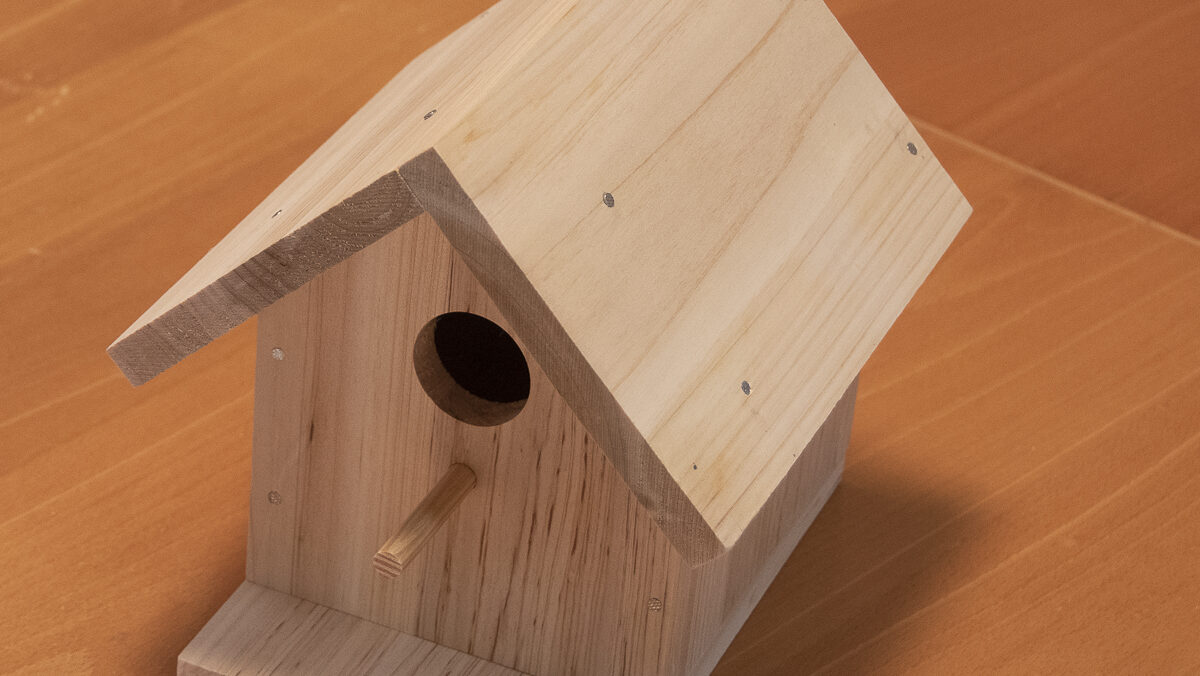
Credit: bringbinoculars.com
Choosing The Right Materials
Choosing the right materials is a key step in building a birdhouse that will last and truly welcome feathered friends. The materials you pick affect durability, safety, and how inviting the house will be. Think about what will stand up to weather and keep birds comfortable through changing seasons.
Best Wood Types
Wood is the top choice for birdhouses because it breathes and offers natural insulation. Cedar and pine are popular options. Cedar resists rot and insects, making it ideal for outdoor use. Pine is easier to find and works well if properly sealed and maintained.
Hardwoods like oak or maple can also be used, but they are heavier and sometimes harder to work with. Avoid treated wood or plywood that might release harmful chemicals. Your goal is to create a safe, non-toxic environment for birds.
Essential Tools
Having the right tools makes your project smoother and safer. Basic tools include a handsaw or jigsaw for cutting, a drill for making entrance holes and ventilation, and a hammer or screwdriver for assembly. Sandpaper helps to smooth edges, preventing injuries to birds.
Consider clamps to hold pieces steady and a tape measure for accurate cuts. If you’re new to woodworking, simple hand tools will do, but power tools can speed up the work once you get comfortable.
Safety Tips
Safety matters both for you and the birds. Wear safety glasses and gloves to protect yourself from splinters and dust. Work in a well-ventilated area, especially if using any finishes or sealants.
Make sure all nails or screws are flush or recessed to avoid harming the birds. Double-check that the entrance hole size matches the bird species you want to attract, preventing predators or larger birds from getting inside.
Planning Your Bird House Design
Planning your bird house design is a crucial step that sets the foundation for a safe and welcoming home for birds. Paying close attention to details like size, features, and environmental needs ensures your birdhouse will attract the right feathered visitors. Thoughtful design not only benefits birds but also makes your project more satisfying and successful.
Sizing For Different Birds
Different bird species require different sizes of bird houses. Small birds like chickadees and wrens need a cozy space, typically around 4×4 inches with a 1 1/8-inch entrance hole. Larger birds like bluebirds or woodpeckers need bigger houses, sometimes up to 8×8 inches with entrance holes up to 2 inches.
Consider the birds common in your area and look up their preferred house dimensions. Too small, and the birds won’t use it; too large, and predators might sneak in. Have you checked which birds visit your yard most often?
Design Features To Include
Adding practical features can make your birdhouse much more inviting. A sloped roof helps rainwater run off easily. Including a hinged side or roof makes cleaning simple, which is essential for bird health.
- Use untreated wood to avoid harming birds with chemicals.
- Add a small perch only if you’re targeting species that use them; otherwise, skip it to discourage predators.
- Paint the exterior with non-toxic paint in light colors to reflect heat.
Have you thought about how easy it will be to maintain your birdhouse after building it? Small design choices can make a big difference.
Ventilation And Drainage
Proper ventilation keeps the air inside fresh and prevents overheating during hot days. Drill small holes near the top on the sides for airflow. Avoid placing holes directly under the roof to keep rain out.
Drainage is equally important to keep the floor dry. Drill tiny holes in the bottom to let water escape after rain or cleaning. Wet interiors can harm eggs and chicks, so don’t skip this step.
What steps will you take to ensure your birdhouse stays dry and comfortable all year round?
Building The Bird House
Building the bird house is an exciting part of the project. It brings your design to life. Careful work ensures the bird house is strong and safe. Use the right tools and follow simple steps. This helps birds find a cozy home.
Cutting The Pieces
Start by cutting all wood pieces to size. Use a saw to make clean, straight cuts. Measure twice to avoid mistakes. You will need pieces for the walls, floor, and roof. Sand the edges to remove splinters. Smooth edges keep birds safe and improve the look.
Assembling The Parts
Arrange the cut pieces on a flat surface. Join the walls first using nails or screws. Use wood glue for extra strength. Attach the floor piece to the bottom of the walls. Check that all parts fit tightly together. Make sure the house stands steady and square.
Adding The Roof
The roof protects birds from rain and sun. Choose a flat or sloped roof design. Attach the roof pieces to the top of the walls. Use waterproof glue or sealant to stop leaks. Allow the roof to overhang slightly. This helps keep rain away from the entrance.
Finishing Touches
Finishing touches can make or break your bird house project. They not only improve the look but also protect your creation from weather damage. Let’s focus on the small details that ensure your bird house lasts and becomes a cozy home for birds.
Sanding And Smoothing
After assembling your bird house, feel the surfaces with your hand. Are there any rough spots or sharp edges? Sand these areas with medium-grit sandpaper first, then finish with fine-grit for a smooth feel.
Sanding does more than improve appearance—it helps paint and sealant stick better. I once skipped this step, and the paint peeled off quickly. Don’t make the same mistake if you want your bird house to look great for years.
Painting And Sealing
Choose non-toxic, water-based paint to keep the birds safe. Bright colors can attract certain bird species, but natural tones like green or brown blend well with surroundings.
Apply at least two coats of paint, letting each dry completely. Then, add a clear, weatherproof sealant to protect wood from rain and sun damage. Without sealing, your bird house may warp or rot faster.
Mounting Options
Think about where you want to place your bird house. Mounting it on a tree, pole, or building each has pros and cons. For example, pole mounts often keep predators away better than trees.
- Tree Mount:Use straps or brackets to avoid damaging the tree.
- Pole Mount:Secure the bird house with screws and add a predator guard.
- Wall Mount:Attach with sturdy hooks or brackets ensuring stability.
Have you considered how easy it will be to clean the bird house after mounting? Accessibility helps maintain a healthy environment for your feathered visitors.
Placing Your Bird House
Placing your bird house correctly is vital for attracting birds and keeping them safe. The right spot offers shelter from weather and predators. It also ensures birds feel comfortable nesting. Careful placement increases the chances birds will use your house.
Best Locations
Choose a quiet area with little human traffic. Trees or shrubs nearby provide cover and food sources. Avoid open fields or spots near busy roads. Look for places with natural shelter from wind and rain. A shaded area helps keep the house cool in summer.
Height And Orientation
Mount the bird house 5 to 10 feet above the ground. This height suits most small birds and protects them from ground threats. Face the entrance hole away from prevailing winds. East or southeast directions work well. This keeps the house warm and dry by morning sunlight.
Predator Protection
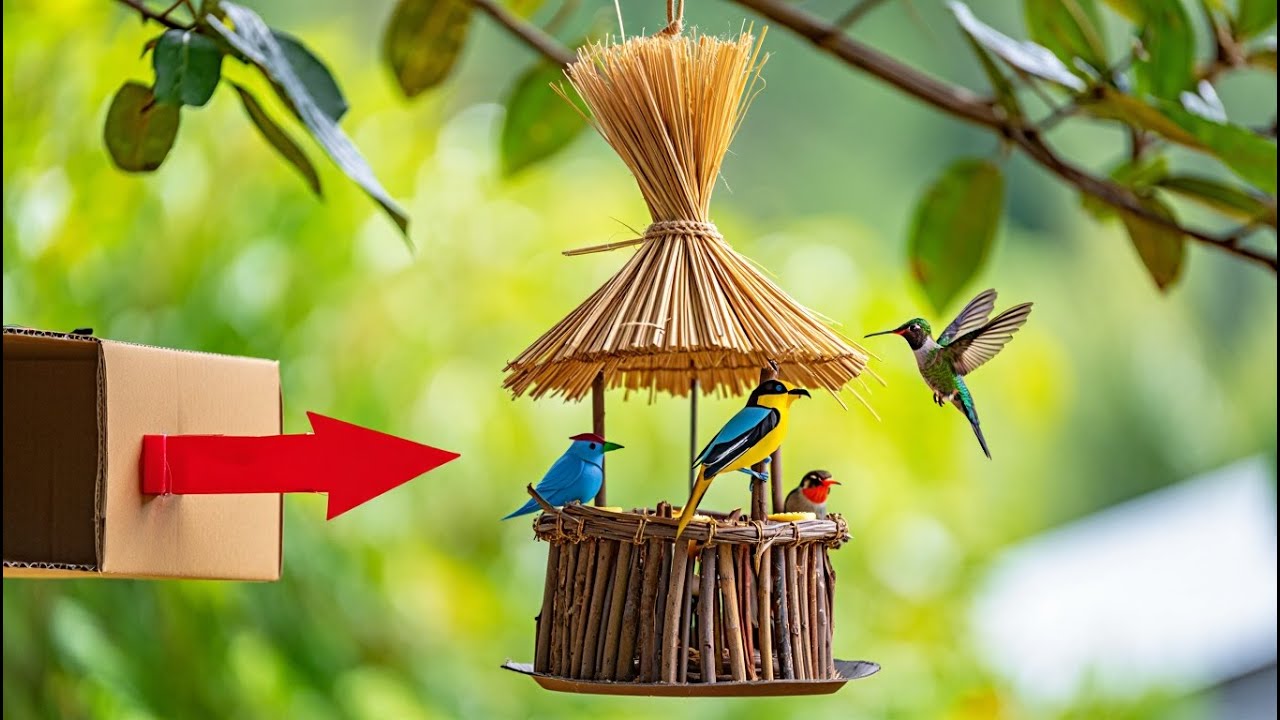
Protect birds from cats, raccoons, and snakes. Use metal guards around the pole or tree trunk. Avoid perches near the entrance hole. Keep the area clear of branches that predators could jump from. Check the house regularly for signs of predators or damage.
Credit: www.youtube.com
Maintaining Your Bird House
Keeping your bird house clean and dry helps birds stay safe and healthy. Check for damage regularly and fix any cracks or loose parts. Proper care ensures your bird house lasts longer and attracts more birds.
Maintaining your bird house is vital for attracting feathered friends. Proper upkeep ensures a safe and inviting environment. Let’s explore essential maintenance tips to keep your bird house in top condition.Cleaning Schedule
Regular cleaning prevents disease and promotes healthy birds. Clean your bird house every two to four weeks. Remove old nests, debris, and unhatched eggs. Use a mild soap and water solution. Rinse thoroughly and let it dry before reassembly. This routine keeps the bird house inviting and safe.Seasonal Care
Each season requires specific maintenance tasks. In spring, prepare for new visitors by ensuring the bird house is ready. In summer, check for any damage caused by weather. Fall is the time to clean and prepare for winter. Insulate the house in winter to provide warmth. These steps help your bird house last through the years.Monitoring Bird Activity
Keep an eye on the bird house occupants. Observe which species visit and nest. Note any changes in behavior or activity. This helps in understanding the needs of your bird guests. Adjust maintenance practices based on these observations. Happy birds mean successful bird houses!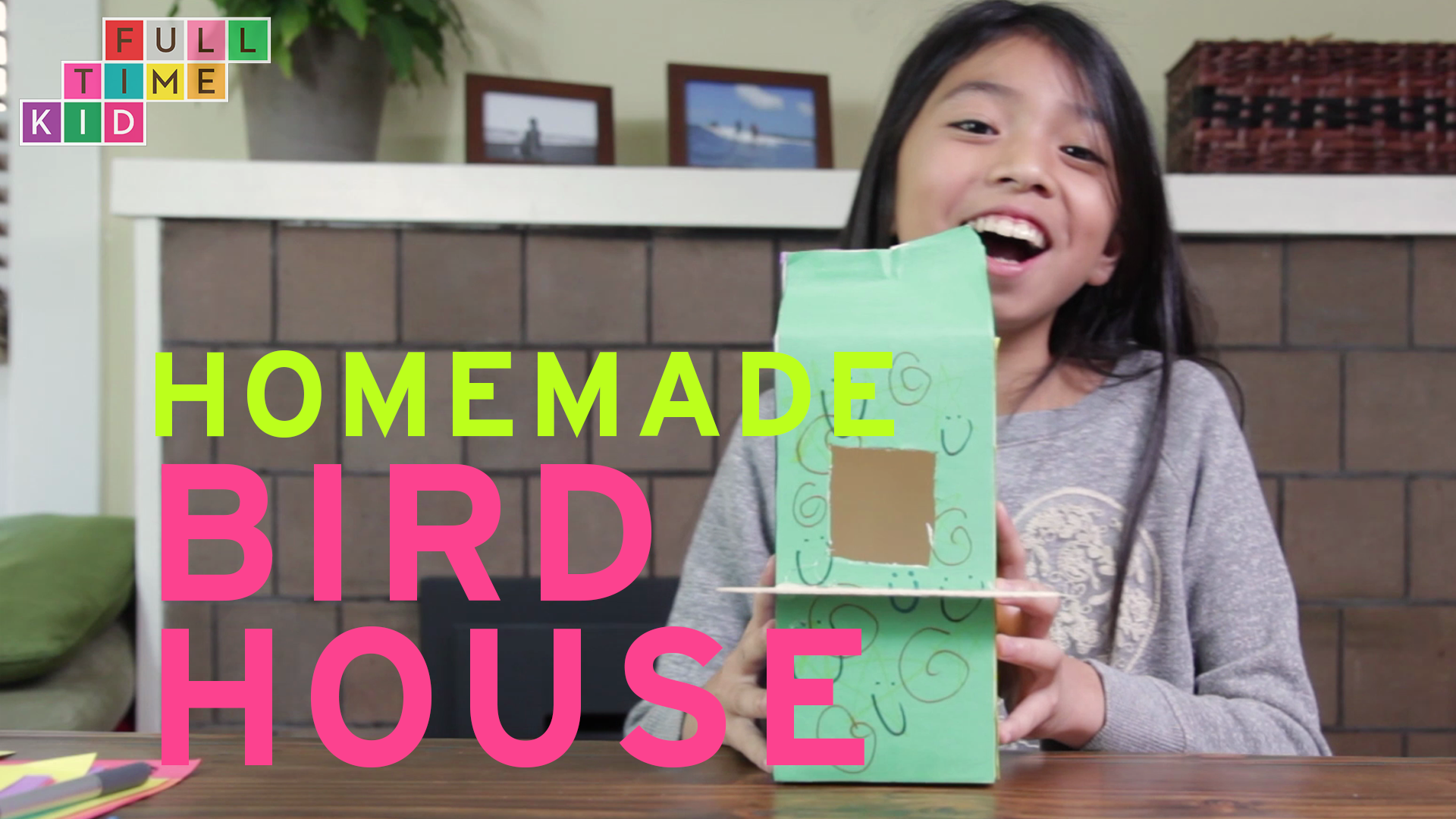
Credit: www.pbslearningmedia.org
Frequently Asked Questions
What Materials Are Best For Making Bird Houses?
Wood is the best material for bird houses. Use untreated, natural wood like cedar or pine. Avoid metal or plastic as they can overheat or harm birds.
How Do I Choose The Right Bird House Size?
Select a bird house size based on the bird species. Small birds like wrens need smaller houses, while larger birds like bluebirds require bigger ones.
Where Should I Place A Bird House Outdoors?
Place bird houses 5 to 10 feet above ground in a quiet, shaded area. Avoid direct sunlight and predators for safety and comfort.
How Do I Clean And Maintain Bird Houses?
Clean bird houses yearly after breeding season. Remove old nests and debris to prevent parasites and keep birds healthy.
Conclusion
Building bird houses brings joy and helps nature thrive. Simple tools and wood can create safe homes for birds. Watching birds visit your house feels rewarding and peaceful. You protect small creatures and add beauty to your garden. Try different designs and find what works best.
Making bird houses teaches patience and care for wildlife. Start your project today and enjoy nature up close.




