
Are you worried about the safety of the eggs from your backyard chickens? With bird flu making headlines, it’s natural to wonder if your fresh eggs could carry risks for you and your family.
You might be asking yourself, “Can I still enjoy my homegrown eggs without fear? ” you’ll discover clear, simple facts about bird flu and how it affects backyard eggs. By the end, you’ll know exactly what steps to take to keep your eggs safe and your loved ones protected.
Keep reading to learn how to enjoy your backyard eggs with confidence.

Credit: agwaycapecod.com
Bird Flu And Backyard Chickens
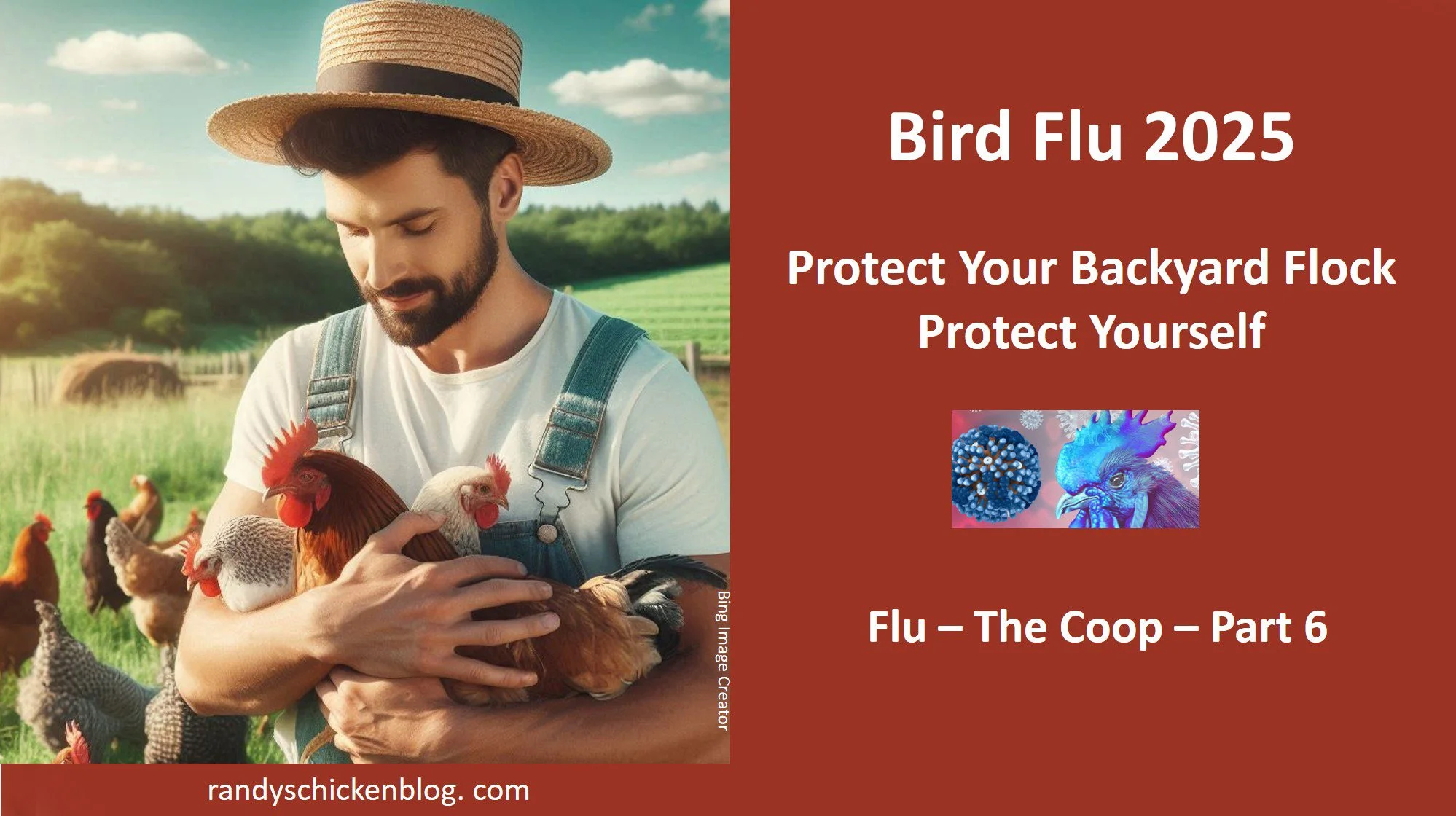
Bird flu, also known as avian influenza, affects many types of birds, including backyard chickens. Small flocks can face risks just like commercial farms. Understanding how bird flu spreads and the risks for backyard flocks helps keep your chickens safe and your eggs healthy.
How Bird Flu Spreads
Bird flu spreads mainly through contact with infected birds. Wild birds often carry the virus without showing signs. They can pass it to backyard chickens through:
- Direct contact with wild birds
- Contaminated water or feed
- Contact with droppings or feathers
- Shared equipment or clothing
The virus can survive in the environment for days. This makes hygiene very important in backyard flocks.
Risk Factors For Backyard Flocks
Several factors increase bird flu risk in backyard chickens. These include:
- Free-range chickens exposed to wild birds
- Poor coop sanitation and hygiene
- Sharing feeders or waterers with other birds
- Lack of protective barriers around the flock
- Visitors or equipment moving between flocks
Knowing these risks helps owners take steps to protect their birds and eggs from infection.
Credit: www.randyschickenblog.com
Egg Safety Concerns
Egg safety concerns often top the list for backyard chicken keepers, especially with the rise of bird flu cases globally. You might wonder if the eggs you collect daily are truly safe to eat. Understanding how bird flu affects eggs and recognizing signs of contamination can help you protect your family’s health without unnecessary worry.
Can Bird Flu Infect Eggs?
Bird flu viruses primarily infect birds’ respiratory and digestive systems, but can they get inside the eggs? Research shows that the virus rarely penetrates the eggshell to contaminate the inside of the egg. Most infections happen when eggshells get contaminated with virus particles from infected feces or secretions.
This means if your hens are healthy and kept in clean conditions, the eggs they lay are generally safe. However, if you suspect a bird flu outbreak nearby, extra caution is necessary. Cleaning eggs properly and cooking them thoroughly reduces any risk significantly.
Signs Of Contaminated Eggs
How can you tell if an egg might be unsafe due to bird flu contamination? Visual inspection is a good first step. Look for:
- Cracks or damage on the eggshell, which can allow germs inside.
- Unusual discoloration or spots on the shell.
- Off smell when you crack the egg open.
Remember, eggs that seem normal on the outside can still carry bacteria if not handled properly. Always wash your hands after handling eggs and store them in a clean, cool place.
Have you ever found a suspicious egg in your collection? How did you handle it? Sharing these experiences helps everyone stay safer.
Preventive Measures For Backyard Flocks
Keeping your backyard flock safe from bird flu requires consistent and careful preventive measures. You have control over many factors that affect your birds’ health. Simple steps can make a big difference in reducing the risk of infection and keeping your eggs safe.
Biosecurity Practices
Start by limiting who and what enters your chicken area. Only allow essential visitors and make sure they clean their shoes or wear boot covers. Always wash your hands before and after handling your birds to avoid spreading germs.
Separate new birds from your flock for at least two weeks. This quarantine period helps you spot any signs of illness before mixing them with healthy chickens. Think about how often you check your birds—regular observation helps catch problems early.
Cleaning And Disinfection
Clean your coop regularly to remove droppings, feathers, and dirt where viruses can hide. Use disinfectants proven effective against bird flu viruses. Remember, cleaning removes dirt, but disinfecting kills germs—both steps are necessary.
Focus on feeders, waterers, and nesting boxes, as these are high-contact areas. You might find that weekly deep cleaning reduces health risks significantly. Have you noticed your birds behaving differently after a cleaning session? That can be a clue to their well-being.
Controlling Wild Bird Access
Wild birds often carry diseases without showing signs. Prevent them from mingling with your flock by covering outdoor runs with netting or wire mesh. Even small openings can allow wild birds to enter, so inspect your coop carefully.
Remove food scraps or spilled feed promptly to avoid attracting wild birds. Using feeders designed to limit spillage can help keep your area clean. Ask yourself: Are you unknowingly inviting wild birds into your backyard? Simple changes can keep them away and protect your flock.
Safe Egg Handling
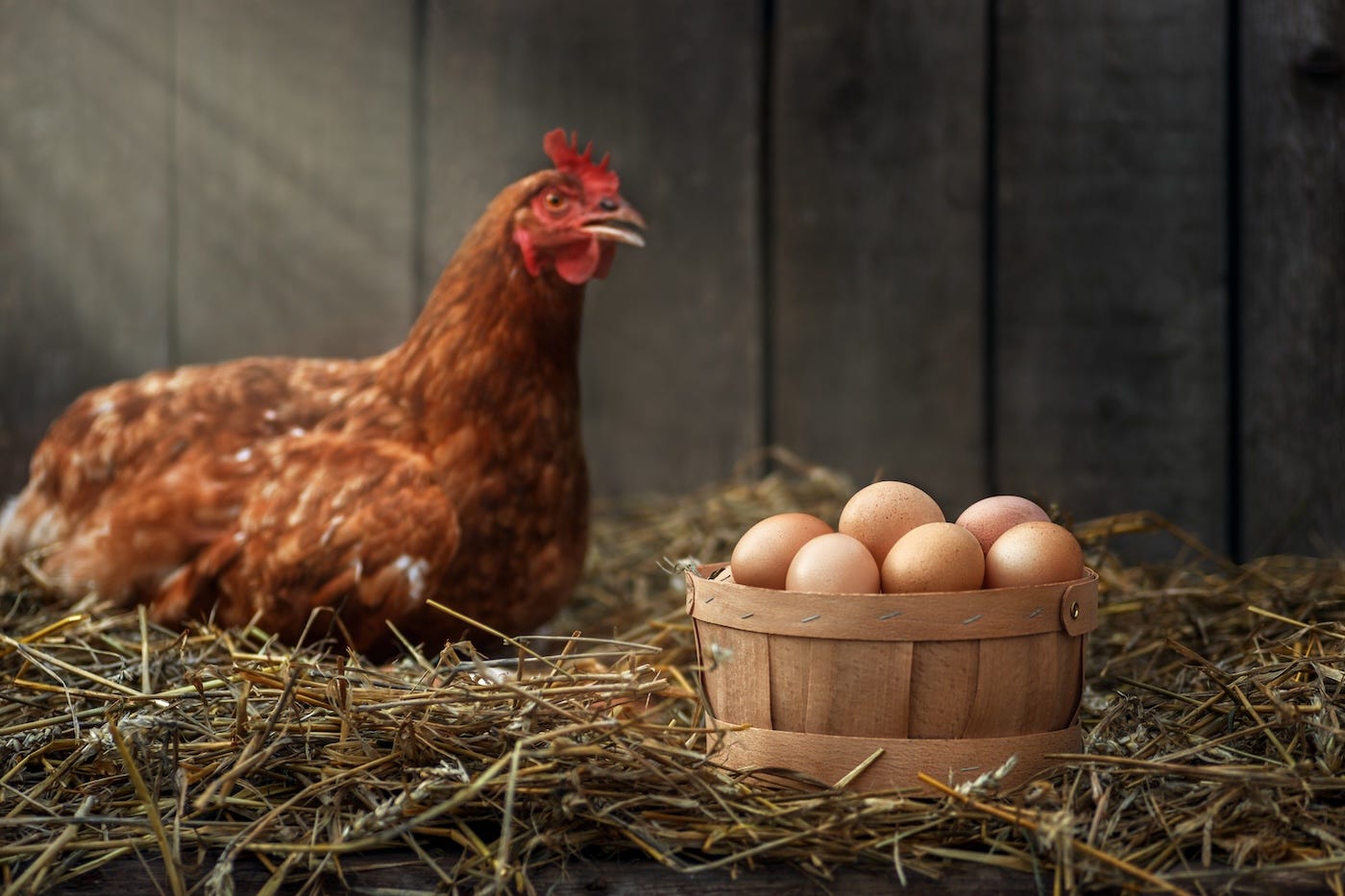
Backyard eggs can be safe from bird flu with proper care. Always wash eggs and keep hens healthy to reduce risks. Handling eggs gently and storing them well helps prevent contamination.
Safe egg handling is crucial to ensure that your backyard eggs remain safe and healthy. While raising chickens at home can be rewarding, it’s important to follow certain practices to prevent any risk of contamination, including bird flu. Paying attention to how you collect, wash, and store your eggs can make a significant difference in maintaining their safety and quality.Proper Egg Collection
Collect eggs daily to reduce the risk of contamination. Leaving eggs in the coop for too long can expose them to bacteria and dirt. Use a clean basket or container to gather the eggs, ensuring it’s free from any debris or droppings. If possible, collect eggs at the same time each day to establish a routine.Washing And Storage Tips
Contrary to what you might think, washing eggs immediately after collection can sometimes do more harm than good. Washing can remove the protective bloom that keeps bacteria out. If you must wash, use warm water and gentle soap, and dry them thoroughly. Store eggs in a cool, dry place, preferably in the refrigerator. Use a dedicated egg tray or container to keep them safe and avoid cross-contamination. Label the eggs with the collection date, using the oldest ones first to ensure freshness. Considering these practices, what new steps can you take in your egg handling routine to enhance safety?Cooking And Consumption
Handling backyard eggs safely is important to avoid bird flu risks. Proper cooking kills harmful viruses and bacteria. Understanding safe cooking temperatures and methods helps protect your health. This section explains how cooking affects egg safety and reduces infection risk.
Effective Cooking Temperatures
Heat destroys bird flu viruses in eggs. Cooking eggs until both yolk and white are firm is safest. The USDA recommends cooking eggs to 160°F (71°C). At this temperature, harmful pathogens die quickly. Use a food thermometer for accuracy. Soft or runny eggs may still carry risks.
Reducing Infection Risk Through Cooking
Thorough cooking limits bird flu infection risk from eggs. Avoid eating raw or lightly cooked eggs. Cook dishes like omelets, scrambled eggs, and baked goods thoroughly. Clean hands and surfaces after handling raw eggs. Do not use cracked or dirty eggs. These steps reduce chances of contamination and illness.
Credit: medium.com
When To Seek Expert Help
Knowing when to seek expert help is key to keeping your backyard flock safe from bird flu. Early action can stop the disease from spreading and protect your eggs. Watch for signs that need professional attention. Quick response can save your birds and your peace of mind.
Recognizing Symptoms In Birds
Bird flu symptoms can be hard to spot at first. Look for:
- Sudden loss of appetite
- Swelling around the eyes or neck
- Weakness or difficulty walking
- Unusual respiratory sounds like coughing or sneezing
- Drop in egg production or misshapen eggs
These signs mean the bird needs a health check immediately. Early detection helps prevent serious outbreaks.
Reporting And Veterinary Support
Report any sick birds to local animal health authorities quickly. This helps track and control bird flu spread. A veterinarian can confirm the disease with tests. They will guide on treatment or humane measures if needed. Follow their advice strictly to protect your flock and community.
Frequently Asked Questions
Are Backyard Eggs At Risk Of Bird Flu Contamination?
Backyard eggs can be at risk if hens are exposed to infected wild birds. Proper coop hygiene and biosecurity reduce this risk. Regular health checks help keep flocks safe from bird flu.
How To Protect Backyard Hens From Bird Flu?
Limit contact with wild birds and rodents. Clean and disinfect coops regularly. Use secure feeders and waterers. Quarantine new birds before introducing them to the flock.
Can Bird Flu Virus Pass Through Backyard Eggs?
Bird flu virus rarely infects eggs internally. Properly cooked eggs are safe to eat. Avoid consuming raw or undercooked eggs during outbreaks for safety.
Should I Stop Eating Backyard Eggs During A Bird Flu Outbreak?
No, if eggs are handled and cooked properly, they remain safe. Cooking destroys the bird flu virus effectively. Maintain good hygiene when collecting and storing eggs.
Conclusion
Backyard eggs can be safe from bird flu with proper care. Keep your chickens healthy and clean their living spaces often. Avoid contact between wild birds and your flock. Cook eggs well to kill any germs. Stay informed about bird flu outbreaks in your area.
Taking these simple steps helps protect your family. Eggs from your backyard can remain a safe food source. Safe habits make a big difference in preventing disease spread.




