
Imagine a small bird fluttering nervously inside your home. It’s easy to feel overwhelmed or unsure about what to do next.
But don’t worry—you can safely catch that bird without causing it harm or creating a mess. You’ll discover simple, step-by-step methods to guide the bird outside quickly and calmly. By the end, you’ll feel confident and ready to handle this unexpected visitor with ease.
Keep reading, because the solution is easier than you think.
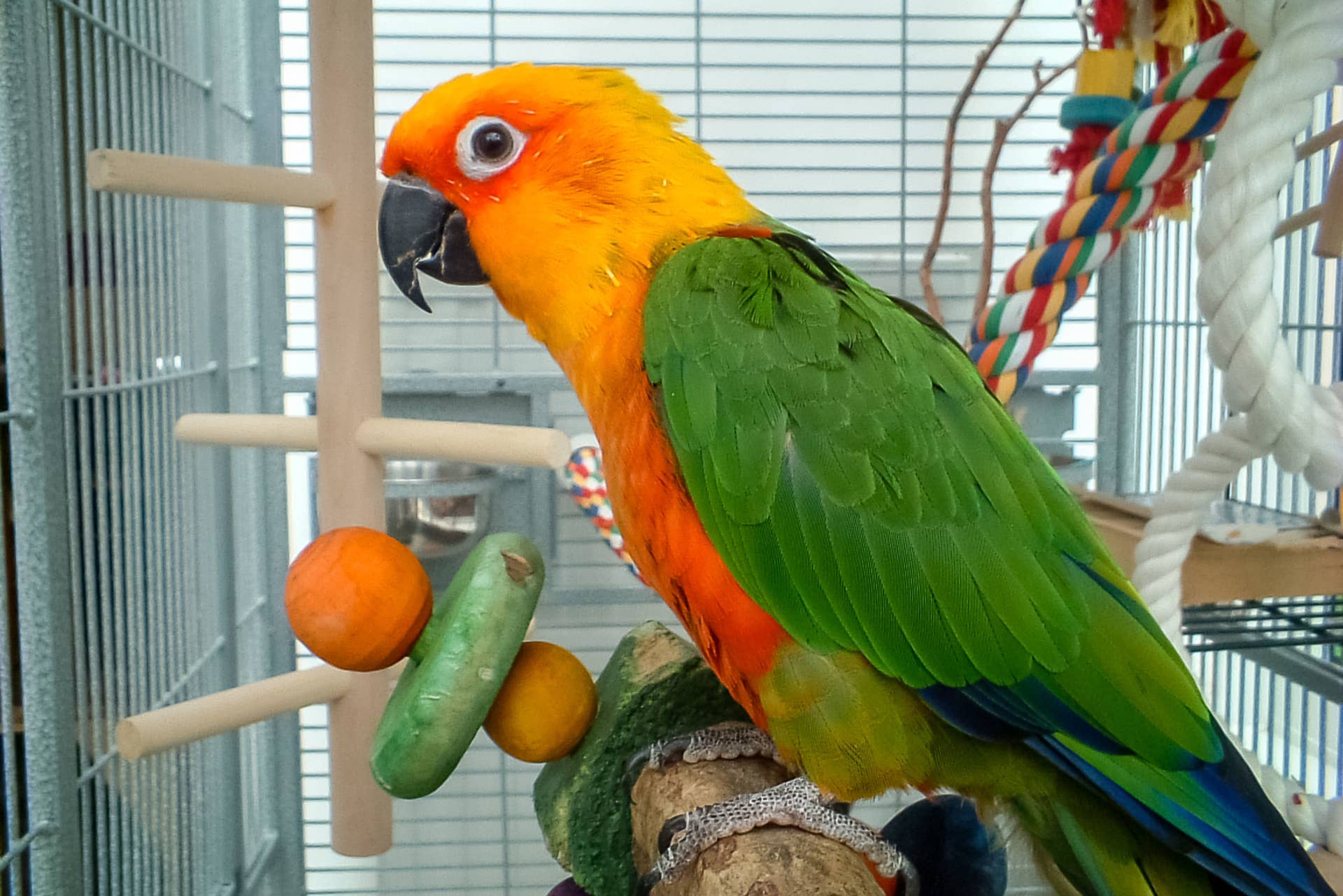
Credit: pethelpful.com
Prepare The Room
Before you try to catch a bird inside your house, setting up the room properly makes a huge difference. The right preparation reduces the bird’s stress and increases your chances of guiding it outside safely. Let’s look at how to get your space ready for this delicate task.
Close Doors And Windows
Start by closing all doors and windows except the ones you plan to use as exit points. This limits the bird’s movement and keeps it from flying into other rooms, which can cause more chaos.
Think about a time when you chased a bird only to have it dart into a hallway or another room. Closing off those routes avoids that frustration and saves time.
Turn Off Lights
Birds are naturally drawn to light, so turning off all indoor lights helps prevent them from getting confused or trapped inside.
Instead, rely on natural light coming from the open exit points to guide the bird out. You’ll notice the bird moves toward the brighter spots, making it easier for you to lead it outside.
Open Exit Points
Open windows, doors, or even a back porch screen to create clear exit paths for the bird. The more visible and accessible the exit, the faster the bird will find its way out.
Place these openings strategically so the bird’s focus stays on the exit and not on hiding spots like curtains or ceiling corners. Have you checked if your screens are secure but removable? That can be a perfect temporary exit option.
Calm The Environment
Calming the environment helps the bird feel less scared and stressed. A peaceful space makes it easier to guide the bird out. Sudden noises or bright lights can frighten the bird and make it fly wildly. Creating calm surroundings helps the bird stay still and safe.
Reduce Noise
Turn off loud appliances like TVs, radios, and fans. Speak softly or stay silent to avoid startling the bird. Close doors to block outside sounds. Quiet helps the bird relax and stay in one place.
Dim The Lights
Bright lights can confuse and scare the bird. Lower the lighting in the room by turning off some lights or closing curtains. Use natural light from windows if possible. Soft light makes the bird feel safer and calmer.
Avoid Sudden Movements
Move slowly and carefully around the bird. Quick motions can cause panic and make the bird fly erratically. Keep your hands low and steady. Calm, slow actions help the bird trust you and stay still.
Choose The Right Tools
Choosing the right tools is key to safely and effectively catching a bird inside your house. Without the proper items, you risk hurting the bird or yourself. Before you act, gather tools that give you control and protect both you and the bird.
Use A Towel Or Blanket
A soft towel or blanket works great to gently catch a bird. It helps you trap the bird without squeezing or injuring it. Make sure the fabric is large enough to cover the bird completely, so it feels calm and can’t flap its wings wildly.
Have you noticed how a sudden movement can scare the bird more? Using a towel slowly and calmly increases your chances of success. A thin sheet may not be enough—opt for something thick but flexible.
Consider A Box Or Container
A box or container gives you a safe space to secure the bird once caught. Cardboard boxes with a lid or plastic containers with holes for air work well. This prevents the bird from escaping while you figure out the next step.
Try to pick a container that is easy to handle and not too heavy. You’ll want to move the bird outside without causing it stress. Have you ever tried guiding a bird into a box? It takes patience but makes release safer.
Wear Protective Gloves
Gloves protect your hands from sharp claws and possible bites. Thick gardening gloves or leather gloves are perfect choices. They also help you hold the bird firmly but gently, reducing the chance of accidental injury.
Consider how gloves might affect your grip and touch sensitivity. You want to feel the bird’s movements but keep your hands safe. Have you prepared gloves before handling small animals? It makes a big difference in confidence and control.
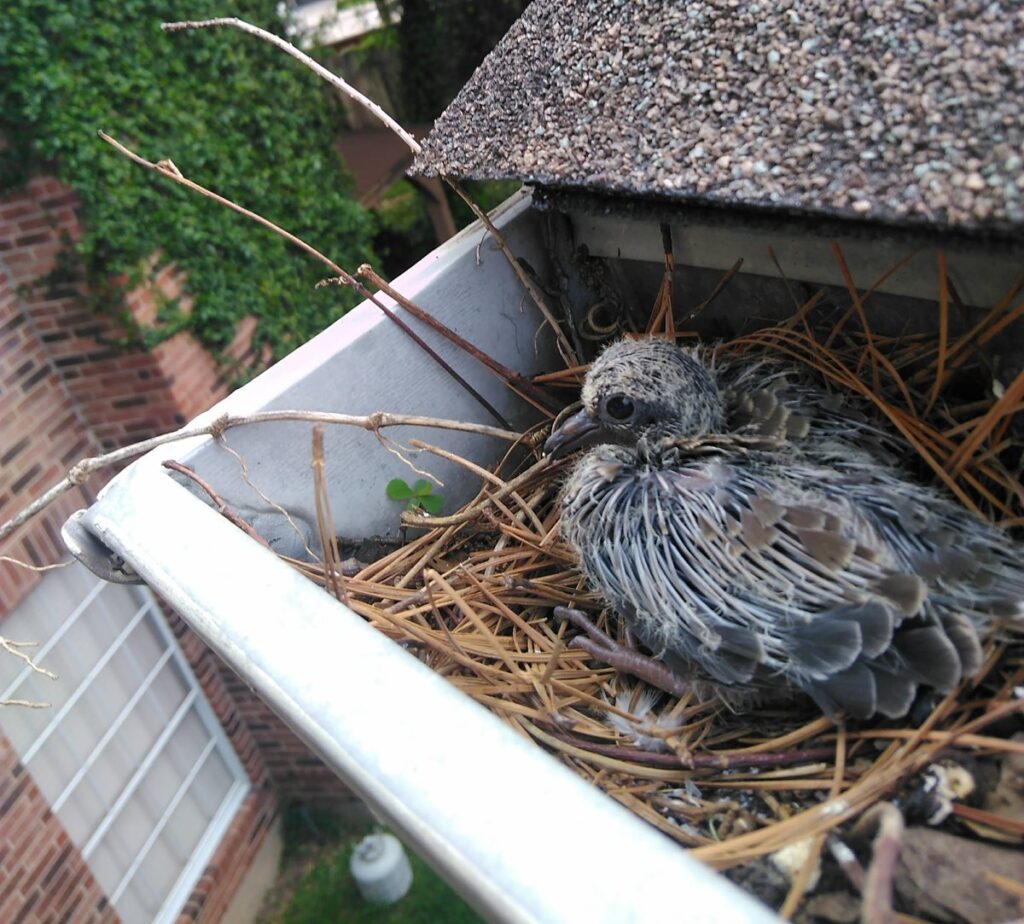
Credit: www.crittercontrol.com
Approach The Bird
Calmly move toward the bird to avoid scaring it. Use slow, gentle motions and keep your hands low. Create a clear path for the bird to fly outside safely.
Approaching a bird inside your house requires patience and strategy. Birds can be easily startled, so understanding the best way to move towards them is crucial. By carefully considering your actions, you can increase your chances of safely guiding the bird back outside without causing it harm.Move Slowly And Quietly
Speed and noise can turn a calm situation into chaos. When you move quickly, you risk frightening the bird, causing it to fly erratically. Instead, take slow, deliberate steps and keep your movements gentle. Consider your footsteps and any rustling sounds your clothes might make. Silence can be your ally. Think about how you would want to be approached if you were in an unfamiliar place.Observe Bird’s Behavior
Understanding the bird’s behavior can provide you with valuable insights. Is the bird perched somewhere high, or is it flying from corner to corner? Its actions might indicate how stressed or tired it is. Notice if the bird is chirping or if it’s silent. These cues can help you decide whether to approach or wait a little longer. You might even find that the bird is trying to find its own way out.Position Yourself Strategically
Your positioning plays a crucial role in directing the bird towards an exit. Place yourself between the bird and the areas you want to keep it away from, such as other rooms or fragile items. Think about creating a clear path to the open window or door. If the bird is near the ceiling, try to stay low to avoid intimidating it. Your goal is to gently guide it, not to corner or trap it. Have you ever noticed how a bird responds to your presence? The key is to use that awareness to your advantage, ensuring a peaceful resolution for both you and your unexpected guest.Catch The Bird Safely
Handling a bird inside your house requires care and calmness. The goal is to catch the bird safely without causing harm to it or yourself. A gentle approach helps keep the bird calm and reduces its stress.
Use soft movements and avoid loud noises. Prepare the space by closing doors to limit where the bird can fly. Patience is key to a safe capture.
Gently Cover The Bird
Use a light cloth or towel to cover the bird slowly. Move calmly and avoid sudden actions. Covering the bird helps calm it down and prevents injury.
Hold the cloth loosely at first, then gradually place it over the bird. This limits its movement without squeezing.
Secure The Bird In A Container
Find a small box or container with air holes. Line it with a soft cloth or paper towel for comfort. Place the bird gently inside after covering it.
Close the container lid carefully. Keep it in a quiet, warm place until you can release the bird outside or seek help.
Avoid Injuring The Bird
- Do not grab the bird too tightly.
- Avoid touching its wings or beak forcefully.
- Keep your hands steady and calm.
- Do not chase the bird around the room.
- Watch for signs of distress and stop if needed.
Gentle handling prevents harm and helps the bird recover quickly. Your care can make a big difference.

Credit: www.birdwatchingdaily.com
Release The Bird Outdoors
Releasing the bird outdoors is the final and most important part of catching it inside your house. This step ensures the bird returns safely to its natural environment. Handle this process gently to avoid stressing the bird. A calm approach helps the bird regain freedom quickly and safely.
Choose A Safe Location
Select a quiet outdoor spot away from busy roads and predators. Look for an area with trees or bushes where the bird can hide. Avoid open spaces where the bird feels exposed. A sheltered area helps the bird feel secure after release.
Open The Container Carefully
Hold the container steady and open it slowly. Avoid sudden movements that might scare the bird. Keep your hands clear so the bird can leave easily. Allow the bird to see the open space clearly before it flies out.
Allow The Bird To Fly Away
Give the bird time to adjust inside the open container. Step back to give it room and avoid frightening it. Wait patiently for the bird to fly out on its own. Watch quietly to ensure the bird flies safely away and lands comfortably.
Prevent Future Incidents
Preventing birds from flying into your home again is just as important as catching one safely. Taking a few simple steps can save you the trouble and stress of another unexpected visitor. Let’s look at practical ways you can stop birds from getting inside and keep your living space bird-free.
Check For Entry Points
Start by thoroughly inspecting your home for any gaps or openings that a bird could use to get inside. Pay attention to areas around doors, windows, vents, and even small cracks in walls. Sometimes, a tiny hole in a screen or an open chimney can be the perfect entry spot.
Have you ever noticed how a bird managed to slip in through a barely open window? That’s why it’s crucial to find and seal these weak points. Use weather stripping, caulk, or mesh to close off potential access.
Install Screens Or Barriers
Adding screens or barriers to windows and vents creates a physical block that keeps birds out but still lets fresh air in. Choose sturdy materials like metal mesh or heavy-duty plastic screens that can withstand pecking or weather damage.
Think about your kitchen or attic vents—are they properly covered? Installing barriers there can prevent birds from nesting inside your walls or attic spaces. It’s a simple fix that can save you from bigger problems down the line.
Keep Windows Closed Or Monitored
Open windows invite birds in, especially if they see light or reflections inside. Try to keep windows closed when you’re not actively using them or install window guards that allow airflow without letting birds enter.
If you enjoy fresh air but want to avoid uninvited guests, consider setting up a routine to monitor open windows. Maybe you can keep blinds partially drawn or place plants near windows to reduce reflections that confuse birds.
Could a small change in your daily habits prevent another bird from flying into your home? Paying attention to these details helps create a safer, bird-free environment for you and your feathered neighbors outside.
Frequently Asked Questions
How Do I Safely Catch A Bird Inside My House?
Close all doors to limit the bird’s movement. Use a towel or lightweight net to gently capture it. Move slowly to avoid stressing the bird. Once caught, release it outside immediately.
What Should I Avoid When Catching A Bird Indoors?
Avoid loud noises and sudden movements that scare the bird. Do not try to catch it with bare hands. Avoid using harmful substances or traps. Always prioritize the bird’s safety and your own.
How Can I Guide A Bird Toward An Open Window?
Turn off indoor lights and open the window fully. Use natural light outside to attract the bird. Remove obstacles near the window for easy exit. Stay calm and give the bird space to fly out.
What Tools Are Best For Catching A Bird Inside?
A lightweight net or a large towel works best. Gloves protect your hands from scratches. A box or container can help safely transport the bird outside. Avoid using sticky or sharp tools.
Conclusion
Catching a bird inside your house can be tricky but possible. Stay calm and move slowly to avoid scaring it. Use a gentle approach with a towel or box. Open windows or doors to help the bird find its way out.
Always be patient and careful to protect both you and the bird. With these simple steps, you can safely guide the bird outside. Remember, kindness and calmness work best in this situation.




