
Have you ever wondered how birds find their way inside your house? It can be surprising—and sometimes frustrating—to discover a feathered visitor fluttering around your living room.
Understanding how birds get into your home can help you prevent unwanted surprises and keep both your space and the birds safe. You’ll learn the common ways birds enter houses and simple steps you can take to stop them. Keep reading—you’ll be glad you did!
Common Entry Points
Birds are surprisingly skilled at finding their way inside homes. Understanding where they commonly enter can help you prevent unexpected visitors. Let’s look at the typical spots birds use to get inside and what you can do about them.
Open Windows And Doors
Open windows and doors are the easiest access points for birds. Even a slightly ajar window can invite a curious bird inside, especially if it sees plants or food near the opening.
Have you noticed birds flying in when you leave the door open for just a moment? It happens more often than you think. Installing screens or using doorstops can help keep birds out without sacrificing fresh air.
Chimneys And Vents
Chimneys and vents act like hidden gateways for birds. They’re often overlooked but provide direct access to your home’s interior, especially if they don’t have proper covers.
One homeowner I know found a family of birds nesting in their chimney, causing smoke issues. Adding a sturdy mesh cover can keep birds out while still allowing airflow. It’s a simple fix that protects your home and the birds.
Attic And Roof Gaps
Gaps in the attic or roof are popular entry points for birds seeking shelter. These spaces can be as small as a quarter and still allow a bird to slip inside.
Regularly inspect your roofline for holes or loose shingles. Sealing these gaps with weatherproof materials not only stops birds but also improves your home’s insulation. Have you checked your attic for unexpected feathered guests lately?

Credit: www.reddit.com
Unusual Access Spots
Birds often find surprising ways to enter homes. They explore small openings and unusual spots, seeking shelter or food. These access points are often overlooked by homeowners. Understanding these entry spots helps prevent unexpected bird visits.
Broken Screens And Holes
Damaged window screens or torn mesh create easy entry points. Birds slip through even small holes. These openings often form near doors and windows. Regularly check screens for rips or gaps. Repair any damage quickly to block bird access.
Garage And Shed Openings
Garages and sheds are common bird entry spots. Open doors invite birds inside. Birds also slip through gaps under doors or side vents. These spaces provide shelter and nesting spots. Keep garage and shed doors closed or sealed tight.
Pet Doors And Small Openings
Pet doors can be tempting entry points for birds. Small holes or gaps around these doors allow birds inside. Birds may also enter through other small openings like vents or cracks. Inspect pet doors and seal any gaps to keep birds out.
Why Birds Enter Homes
Understanding why birds enter homes can help you prevent unexpected visitors and protect both your living space and the birds themselves. Birds don’t just fly into houses randomly; there are specific reasons behind their curious behavior. Let’s look at the most common motivations that lead birds indoors.
Seeking Shelter
Birds often seek shelter to escape harsh weather conditions like heavy rain, strong winds, or extreme heat. Your home might seem like a safe haven compared to the unpredictable outdoors. Have you noticed birds hanging around your windows or porch during storms? They might be scouting for a dry, quiet place to rest.
Sometimes, birds get confused by open doors or windows, especially in winter when they are searching for warmth. This natural instinct to find safety can accidentally lead them into your living room or attic.
Nesting Purposes
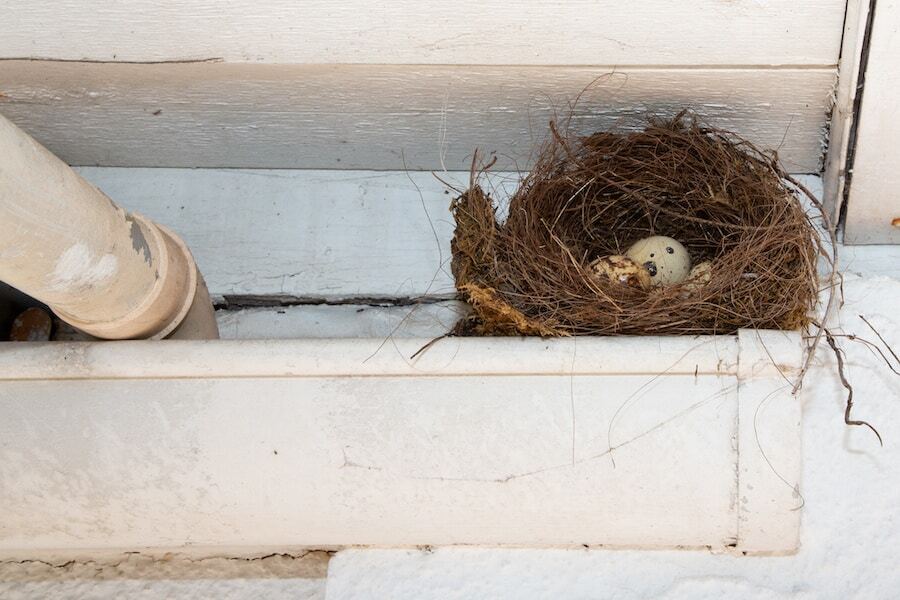
Birds look for quiet, undisturbed places to build their nests and raise their young. Your home may provide the perfect nesting spot if you have sheltered areas like attics, chimneys, or even unused vents. It’s surprising how often birds choose such unusual places because they feel protected from predators and harsh weather.
Have you ever found a nest in an odd corner of your house? Birds are persistent in finding the right spot, even if it means entering your home. Understanding this can help you check and secure potential nesting areas before it becomes an issue.
Attracted By Food
Food is a powerful lure for birds. Crumbs left on counters, open pet food dishes, or even fruit bowls can attract curious birds inside your home. Once they realize food is available, they might return frequently, causing repeated visits.
Think about your kitchen habits—do you leave food out overnight? Birds have excellent memories and can learn where to find easy meals. Keeping food sealed and cleaning up spills promptly can make your home less inviting to feathered guests.
Credit: www.callnorthwest.com
Signs Birds Have Entered
Birds can be charming creatures, but not when they invade your home. Knowing the signs of their presence can help you act quickly. Let’s explore some common indicators that birds have made their way inside.
Noise And Movement
Scratching sounds might echo in your attic or walls. Flapping wings can create unexpected noise. These movements often indicate birds nesting. Their activity becomes more noticeable in the early morning.
Droppings And Nest Materials
Bird droppings around your home are a clear sign. Look for nesting materials like twigs and feathers. These often gather near entry points. Such materials might clog vents or chimneys.
Damaged Property
Check for damage around windows or rooflines. Birds may peck at insulation or wires. Their presence can lead to costly repairs. Act quickly to prevent further harm.
Preventing Bird Intrusions
Preventing birds from entering your home requires a careful approach that targets their access points and discourages them from lingering. You can protect your living space by making it less inviting and harder for birds to get inside. Taking these steps not only keeps your home clean but also avoids potential damage caused by nesting or droppings.
Sealing Entry Points
Check your home for small gaps or cracks where birds might slip in. These can be around vents, chimneys, or gaps in siding. Use weather-resistant caulk or mesh to seal these spaces tightly.
Even tiny holes can be an invitation to birds searching for shelter. I once ignored a small vent gap and found a bird had nested inside the attic. Don’t let this happen to you—inspect regularly and seal any openings immediately.
Using Bird Deterrents
Bird deterrents come in many forms, from reflective tape to ultrasonic devices. Reflective objects can confuse birds, making your home less attractive. Hanging shiny strips near windows or eaves often keeps birds away.
Consider installing spikes or netting in areas where birds like to perch or nest. These solutions don’t harm the birds but make it uncomfortable for them to settle. Have you tried any bird deterrents that worked well or failed miserably? Your experience can guide your next choice.
Maintaining Screens And Doors
Screens on windows and doors act as a physical barrier to keep birds outside. Ensure your screens are in good condition without tears or holes. Even a small rip can become an entry point.
Keep doors closed as much as possible, especially during early morning or evening when birds are most active. Installing self-closing hinges or door sweeps can help maintain a secure barrier. Regular upkeep of these simple fixtures saves you from unexpected bird visits.

Credit: www.npr.org
Removing Birds Safely
Removing birds safely from your home protects both the birds and your living space. It requires patience and care to avoid injury or stress to the animals. Using safe methods ensures birds can leave without harm and prevents future visits.
Humane Trapping Methods
Humane traps capture birds without hurting them. These traps use gentle nets or cages designed to hold birds safely. Place traps near entry points or where birds gather. Check traps often to release birds quickly. Always release birds outdoors far from your home.
Professional Help
Experts handle bird removal with skill and proper tools. They know how to identify bird species and nesting habits. Professionals use safe techniques to remove birds and clean affected areas. Hiring help reduces risk and ensures lasting results.
Avoiding Harmful Chemicals
Do not use poisons or toxic sprays to remove birds. These chemicals can hurt birds, pets, and people. They also damage the environment around your home. Choose natural deterrents or physical barriers instead. Safe methods protect everyone and prevent repeat problems.
Frequently Asked Questions
How Do Birds Usually Enter Houses?
Birds often enter houses through open windows, doors, or chimneys. They seek shelter or food inside. Small gaps or broken vents can also allow entry.
Why Do Birds Fly Into Houses Accidentally?
Birds can get confused by reflections or glass windows. Bright indoor lights attract them at night. Sudden movements may cause panic flights inside homes.
Can Birds Nest Inside House Walls Or Attics?
Yes, birds often build nests in attics, vents, or wall cavities. These spots offer warmth and protection from predators. Regular home inspections help prevent nesting.
How To Prevent Birds From Entering Your House?
Keep windows and doors closed or use screens. Seal gaps around vents and chimneys. Use bird deterrents like reflective tape or spikes near entry points.
Conclusion
Birds enter houses through open windows, doors, or small gaps. They seek food, shelter, or escape from predators. Knowing common entry points helps prevent their visits. Seal cracks and keep doors closed to block access. Regular home checks reduce surprise bird guests indoors.
Understanding bird behavior supports peaceful living spaces. Stay alert and protect your home from unwanted bird entries. Simple steps make a big difference in keeping birds outside.




