
Feeding birds can bring joy and life to your outdoor space. But if you’re not careful, it can also invite unwanted guests—like rats.
You want to enjoy watching your feathered friends, not deal with pests scurrying around. So, how can you feed birds without attracting rats? This guide will show you simple, effective tips that protect your home and keep your bird feeders a safe haven.
Keep reading, and you’ll learn how to create a bird-friendly space that stays rodent-free.
Choosing Bird Feeders
Choosing the right bird feeder plays a big role in keeping unwanted visitors like rats away from your garden. The feeder you select can either invite rodents or help keep them at bay. Understanding which types discourage rats and where to place them can make your bird feeding experience much more enjoyable and less troublesome.
Types That Deter Rats
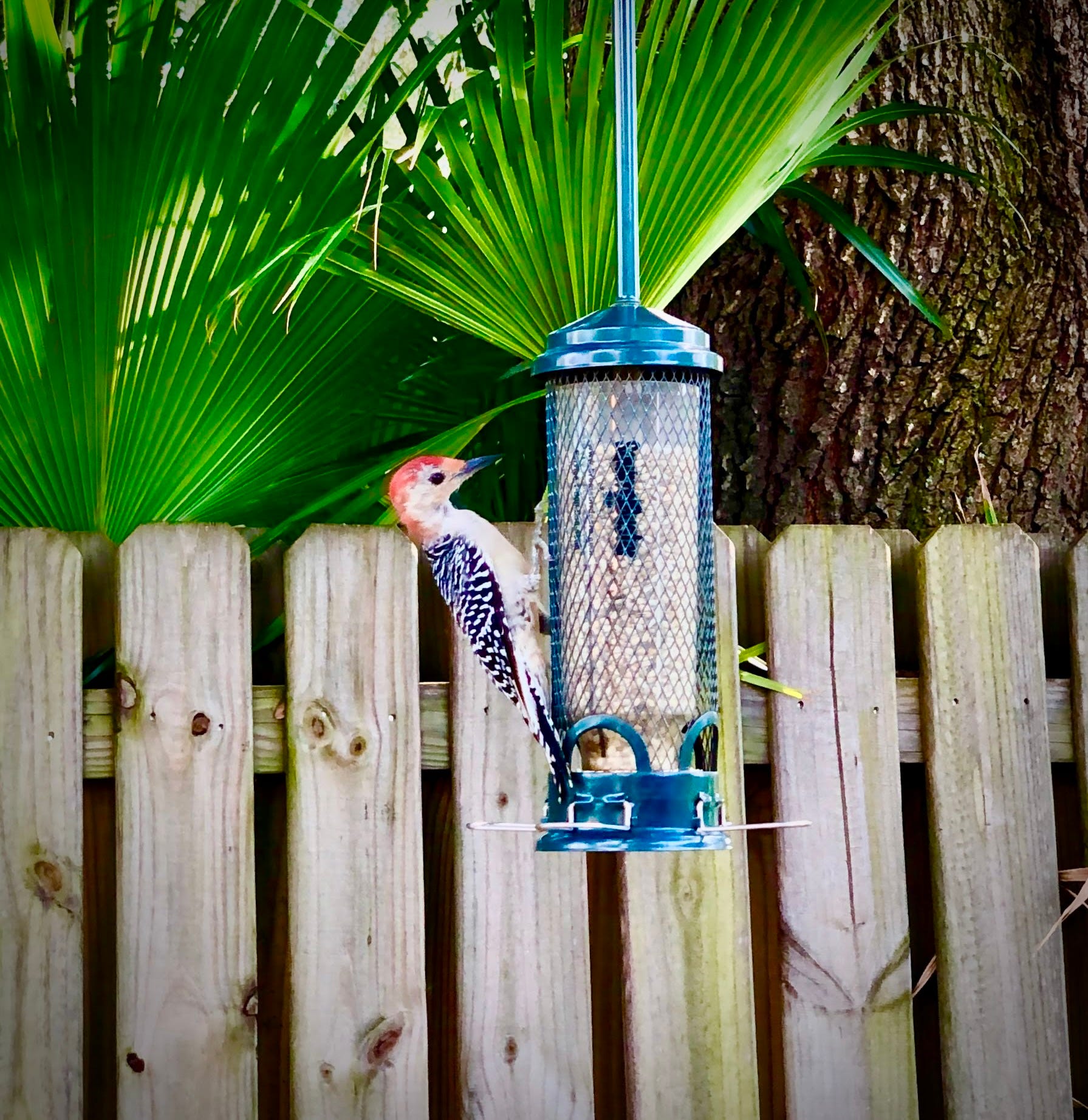
Some bird feeders are designed to make it harder for rats to access the food. Tube feeders with small feeding ports limit the amount of seed that spills out, reducing the chance of attracting rats.
Metal feeders with smooth surfaces are also effective because rats find it difficult to grip and climb them. Consider feeders with built-in baffles or guards that block rats from climbing up or jumping onto the feeder.
- Weight-sensitive feeders:These close access ports when heavy animals, like rats, try to feed.
- Hopper feeders with enclosed seed trays:They minimize spillage and keep the seed contained.
- Feeders with seed catch trays:These catch dropped seeds before they hit the ground, preventing easy access for rats.
Have you noticed how some feeders leave a mess underneath while others keep your lawn clean? Choosing the right feeder can reduce leftover seeds that attract rodents.
Placement Strategies
Where you place your bird feeder can be just as important as the feeder itself. Position feeders at least five feet off the ground to make it harder for rats to reach them.
Use poles fitted with baffles or guards to block rats from climbing up. Avoid placing feeders near trees, fences, or walls that rats can use as launching points.
- Keep feeders away from dense shrubbery where rats can hide.
- Consider hanging feeders from thin wires or branches that don’t support rat movement.
- Clean up spilled seeds regularly to remove food sources that encourage rats to stick around.
Does the spot you chose for your feeder give rats an easy way to sneak in? Adjusting placement can make a big difference in who visits your feeder.

Credit: www.providingisloving.co.uk
Selecting Bird Food
Choose bird food that birds like but rats do not, such as nyjer seeds or safflower. Use feeders designed to limit spillage and clean up leftovers regularly to keep rats away.
Selecting the right bird food is crucial to avoid attracting unwanted guests like rats. Choosing the right seeds and managing portions can make a big difference. Let’s explore how to feed birds without inviting rodents.Seeds That Don’t Attract Rodents
Certain seeds are less appealing to rats. Safflower seeds, for example, are a great choice. Rats generally dislike their bitter taste, while birds enjoy them. Nyjer seeds are another excellent option. These tiny seeds are favored by finches and sparrows but not by rodents. You can also opt for hulled sunflower seeds. They leave less mess, reducing leftovers that might attract rats.Using Fresh And Controlled Portions
Always provide fresh bird food. Stale seeds might attract pests more than birds. Use controlled portions to minimize waste. Only put out as much food as birds can eat in a day. This reduces leftovers that could attract rats. Consider using bird feeders with smaller openings. These allow birds to access the food but deter larger pests. Regularly clean the feeding area. This helps prevent the build-up of spilled seeds that rodents might find tempting.Maintaining Clean Feeding Areas
Keeping your bird feeding areas clean is essential to enjoy watching birds without inviting unwanted guests like rats. A tidy feeding spot reduces the chances of leftover food attracting pests. It also creates a healthier environment for the birds you want to feed.
Regular Cleaning Routine
Set a schedule to clean your bird feeders and surrounding areas frequently. Wipe down feeders with warm, soapy water to remove old seeds and droppings. Dry them thoroughly before refilling to prevent mold and bacteria growth.
Don’t forget to check the ground beneath feeders. Clear away any fallen seeds or husks daily. This simple habit can stop rats from finding easy meals near your feeding station.
Removing Spilled Seeds
Spilled seeds are a major attractant for rats. Use a small broom or handheld vacuum to sweep up any loose seeds around the feeding area. You might be surprised how much seed can accumulate without you noticing.
Consider placing feeders over hard surfaces like concrete or paving stones. These are easier to clean and don’t hide spilled seeds in grass or mulch. Have you ever noticed how much cleaner a feeder area looks when placed on a smooth surface?

Credit: www.amazon.ie
Using Physical Barriers
Using physical barriers is an effective way to feed birds without attracting rats. These barriers block rats from reaching the bird feed. Birds can still access their food easily. Physical barriers create a safe feeding space for birds while keeping pests away.
Baffles And Guards
Baffles and guards are devices placed on bird feeder poles. They stop rats from climbing up to the feeder. Baffles are usually round or cone-shaped. They make it hard for rats to get a grip. Guards cover the base of the feeder to block rat access.
These barriers work well in many outdoor settings. Place them about halfway up the feeder pole. Choose materials like metal or hard plastic for durability. Keep the area around feeders clean to boost their effectiveness.
Elevated Feeders
Elevated feeders keep bird food off the ground. Raising feeders makes it harder for rats to reach the food. Use poles or hang feeders from tree branches high above the ground.
Make sure the feeder stands are smooth and slippery. This prevents rats from climbing up. Elevating feeders also helps keep food dry and fresh. Position feeders away from walls or fences that rats can use as bridges.
Natural Deterrents
Natural deterrents offer a gentle way to keep rats away while feeding birds. These options use plants and sprays that rats dislike but are safe for birds. They help maintain a clean and healthy feeding area. Using natural methods reduces the need for harmful chemicals. This supports a better environment for wildlife.
Plants That Repel Rats
Certain plants can discourage rats from coming near bird feeders. Rats avoid strong smells and tastes. Planting these near feeding spots helps create a natural barrier.
- Mint:Its strong aroma keeps rats at a distance.
- Lavender:Rats dislike its scent and will avoid it.
- Rosemary:This herb is both fragrant and a natural rat deterrent.
- Chili Peppers:The spicy smell and taste repel rodents.
Place these plants around feeding stations or in pots nearby. They also add beauty to your garden. This method works quietly without disturbing the birds.
Safe Repellent Sprays
Natural sprays can keep rats away without harming birds. These sprays use ingredients rats dislike, such as essential oils and vinegar. They provide a protective layer around feeders.
- Mix peppermint oil with water for a simple spray.
- Use vinegar diluted with water to spray around the area.
- Commercial natural sprays made from essential oils are also available.
Spray these solutions around the feeder base and nearby surfaces. Reapply regularly, especially after rain. These sprays are safe for plants and animals. They help keep the feeding zone rat-free and inviting for birds.
Timing Your Feeding
Timing your bird feeding can make a big difference in keeping unwanted visitors like rats away. Feeding birds at the right times not only supports their natural habits but also reduces leftover food that attracts pests. Let’s look at how adjusting your feeding schedule helps maintain a clean, safe environment for your feathered friends.
Daytime Feeding Only
Birds are most active during the day, so feeding them only in daylight hours matches their natural behavior. When you put out food in the morning, birds have plenty of time to eat it all before nightfall. This reduces the chances of leftover seeds or crumbs sitting out overnight, which rats love.
I once switched to feeding my backyard birds only after sunrise and noticed a sharp drop in rat activity. The birds quickly learned the routine, and the feeders stayed cleaner. Could sticking to daylight feeding make your yard less appealing to pests too?
Avoiding Overnight Food Leftouts
Leaving bird food out overnight invites rodents to help themselves. Rats are nocturnal and will take advantage of any easy meal while the birds sleep. By removing or covering feeders after dusk, you cut off this opportunity.
Try setting an alarm or reminder to clear feeders in the evening. If you use platform feeders, consider bringing them indoors overnight. You’ll protect your birds’ food and keep rats from making a midnight snack of your offerings.
What simple steps can you add to your routine to make sure no food is left behind when the sun goes down?
Managing Surrounding Environment
Managing the environment around your bird feeding area helps keep rats away. Rats look for places to hide and food scraps. Changing the surroundings can make rats less comfortable. This keeps birds safe and the feeding spot clean.
Reducing Shelter For Rats
Rats hide in tall grass, wood piles, and clutter. Remove these spots near your bird feeders. Keep the grass short and clear dead plants. Store firewood and tools away from the feeding area. This leaves rats fewer places to hide and rest.
Proper Waste Disposal
Leftover birdseed and trash attract rats quickly. Use containers with tight lids for all waste. Clean spilled seeds from the ground every day. Avoid overfilling feeders to reduce seed drop. Regular cleaning stops rats from finding easy meals.
Credit: medium.com
Frequently Asked Questions
How Can I Feed Birds Without Attracting Rats?
Use bird feeders that limit seed spillage. Clean up fallen seeds daily. Avoid using peanuts or corn, which attract rats. Place feeders away from rat-friendly hiding spots like dense bushes or woodpiles.
What Bird Food Is Least Attractive To Rats?
Nyjer seeds and safflower seeds are less appealing to rats. These seeds are preferred by finches and cardinals but ignored by rodents. Avoid sunflower seeds and peanuts, as rats are attracted to them.
How Often Should I Clean Bird Feeding Areas?
Clean bird feeders and surrounding areas at least once a week. Remove spilled seeds and droppings promptly. Regular cleaning reduces food sources for rats and keeps birds healthy.
Can Bird Feeder Placement Reduce Rat Problems?
Yes, placing feeders at least five feet above ground helps. Use pole-mounted feeders with baffles to prevent rat climbing. Avoid placing feeders near walls or dense vegetation where rats hide.
Conclusion
Feeding birds can bring joy to your yard and heart. Keep your bird feeders clean and place food carefully. Use seeds that birds love but rats avoid. Clear spilled food from the ground every day. Choose feeding times when rats are less active.
These small steps help protect your garden and home. Enjoy watching birds without the worry of rats. Simple habits make a big difference in keeping pests away. Stay patient and consistent for the best results. Your birds will thank you with their cheerful visits.




