
If you want to attract more birds to your garden, knowing where to place bird houses is key. The right spot can make all the difference in creating a safe and inviting home for your feathered visitors.
You might think any tree or corner will do, but small changes in location can boost bird activity and keep them coming back year after year. Keep reading, and you’ll discover simple tips that help you choose the perfect place for your bird house—making your yard a lively, beautiful haven for birds.
Choosing The Right Location
Choosing the right location for your bird house is key to attracting feathered friends and ensuring their safety. Where you place it can make a huge difference in whether birds decide to settle in or fly away. Let’s look at some important factors to keep in mind.
Consider Bird Species
Different birds have different preferences for where they like to nest. Some prefer open spaces, while others look for hidden spots among trees or shrubs.
Research the species you want to attract. For example, bluebirds like houses mounted on poles in open fields, while chickadees prefer wooded areas with plenty of cover.
Think about the size of the bird, too. Larger birds need bigger houses placed higher up. Are you ready to tailor your bird house location to the specific needs of your local birds?
Assess Sunlight And Shade
Birds need the right balance of sunlight and shade to keep their nests comfortable. Too much sun can overheat the nest, while too much shade can make it damp and cold.
Look for spots that get morning sun and afternoon shade. This helps keep the nest warm without causing heat stress.
Notice how the light changes throughout the day in your yard. Does that spot offer the right conditions? Adjust the placement if you find it too hot or too chilly.
Evaluate Safety From Predators
Protecting birds from predators is critical. Cats, raccoons, and snakes can easily raid nests if the house is too low or accessible.
Place the bird house at least 5 to 10 feet off the ground and away from branches that predators can jump from. Using a smooth pole or adding predator guards can increase safety.
Have you checked your yard for common predator paths? Position your bird house where it’s hardest for predators to reach and you’ll see more nesting success.
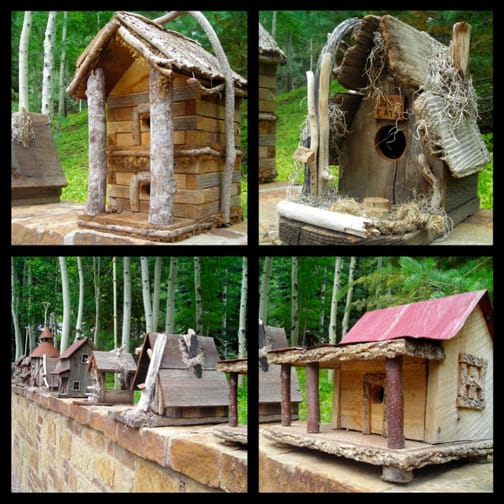
Credit: soffiawardy.com
Height And Orientation
Choosing the right height and orientation for your birdhouse plays a crucial role in attracting birds and ensuring their safety. Birds are sensitive to their surroundings, so placing the house at the correct height and facing the right direction can make all the difference. Let’s break down how to get these details right.
Optimal Height For Different Birds
Different bird species prefer different heights for their nests. Small songbirds like chickadees and wrens usually choose birdhouses placed 5 to 10 feet above the ground. Bluebirds and woodpeckers often prefer heights between 6 and 12 feet.
For larger birds such as owls or kestrels, mounting birdhouses 10 to 20 feet high is best. Think about the birds you want to attract and adjust the height accordingly. Have you noticed where birds naturally nest in your yard or nearby woods? Use those clues to guide your placement.
Face Entrance Away From Wind
The direction your birdhouse entrance faces can protect birds from harsh weather. Ideally, position the entrance hole away from prevailing winds to shield the birds and their young. This reduces the chance of rain and cold drafts entering the nest.
In many areas, facing the entrance east or southeast works well because it catches morning sun but avoids strong afternoon winds. If you’re unsure about wind direction, watch leaves or flags in your yard to find the prevailing flow. Your birds will thank you for the extra shelter.
Avoid Direct Sun Exposure
Too much sun can overheat a birdhouse, especially during hot summer days. Place the house where it gets some shade, like near a tree or under a porch roof. This helps keep the temperature inside comfortable for nesting birds.
Notice how some trees cast shadows during different times of the day. Position the house so it’s shaded during the hottest hours, usually midday to afternoon. Have you ever checked the inside of a birdhouse on a sunny day? It can get surprisingly warm, so shading is vital.
Mounting Options
Choosing the right mounting option for your bird house can make a big difference in attracting birds and keeping them safe. The placement affects not only visibility but also protection from predators and weather. Let’s look at some practical ways to mount your bird house that you can try in your own yard.
Tree Placement Tips
Attaching a bird house directly to a tree offers a natural setting that many birds prefer. Select a healthy tree with sturdy branches or a solid trunk to support the weight securely.
Place the house at least 5 to 10 feet above the ground to avoid predators like cats or raccoons. Avoid mounting on trees with dense foliage around the entrance to keep the opening clear and accessible.
Have you noticed how some birds prefer certain trees? Try observing local bird habits to pick the best spot. Remember to use straps or bungee cords rather than nails to protect the tree’s health.
Using Poles And Posts
Mounting bird houses on poles or posts gives you more control over height and location. You can easily move the house if needed or adjust for the best sunlight and shelter.
Metal or wooden poles work well, but metal is better at deterring climbing predators. Consider adding a predator guard below the house to keep curious animals away.
Poles are especially useful in open spaces where trees are scarce. You might be surprised how quickly birds find a well-placed pole, especially near food and water sources.
Wall And Fence Mounting
Walls and fences provide sturdy and convenient spots for bird houses, especially if you lack trees or open space. Make sure the surface is stable and the house is firmly attached to prevent movement in the wind.
Choose a location that gets morning sun but stays shaded during the hottest part of the day. This balance helps keep the bird house comfortable and inviting.
Have you thought about how your fence’s orientation affects bird activity? South-facing walls often receive more sunlight, which some birds prefer. Use screws or strong brackets to ensure the house stays secure.

Credit: www.amazon.ca
Maintenance And Accessibility
Place bird houses where they are easy to reach for cleaning and repairs. Choose spots that protect them from strong winds and predators. Regular checks keep birds safe and homes well-maintained.
Placing bird houses requires careful thought about maintenance and accessibility. Ensuring that the bird houses are easy to maintain helps keep birds healthy and safe. Accessible locations make regular checks and cleanings simple. This also ensures the houses provide a welcoming habitat year-round.Easy Cleaning Access
Position bird houses so they are easy to reach. Low placements allow quick cleaning without ladders. Ensure houses have removable panels or doors. This design feature simplifies the cleaning process. Choose spots with clear ground access, free from dense bushes or thorns.Regular Inspection Schedules
Establish a routine for inspecting bird houses. Check for wear and tear monthly. Look for signs of pests or damage. Regular inspections help catch problems early. This keeps the bird houses in good condition. Create a checklist to ensure nothing is missed.Safe Handling Practices
Handle bird houses gently to avoid disturbing nests. Use gloves to protect against sharp edges. Ensure ladders are stable if climbing is needed. Avoid sudden movements that might scare birds. Always prioritize safety when accessing high spots.Enhancing Attractiveness
Enhancing the attractiveness of your bird houses is key to inviting feathered friends to your yard. Birds look for safe, comfortable, and resourceful spots to nest. Placing bird houses thoughtfully can make all the difference in whether your garden becomes a bustling bird haven or stays quiet.
Adding Natural Cover
Birds feel safer when their homes are shielded by natural cover like shrubs, trees, or vines. Adding bird houses near leafy branches or dense foliage provides protection from predators and harsh weather.
Try to avoid placing houses in open, exposed areas. Instead, position them where birds can quickly hide if danger appears. A friend of mine placed a bird house right next to a thick bush, and within days, it was occupied.
Avoiding Human Disturbance
Birds prefer quiet spots away from constant human activity. Placing bird houses in calm corners of your yard reduces stress on nesting birds.
Think about where you usually walk or play. Avoid those high-traffic zones. If you want more visits, give birds a peaceful retreat where they won’t be startled by sudden movements or loud noises.
Providing Nearby Food And Water
Bird houses are more attractive when placed close to reliable food and water sources. Birds won’t travel far if they can easily find what they need nearby.
Consider putting bird feeders or planting berry bushes near the houses. A shallow birdbath also encourages visits and helps birds stay hydrated. Wouldn’t you choose a home with a grocery store and water fountain just steps away?

Credit: www.amazon.ca
Frequently Asked Questions
Where Is The Best Height To Place Bird Houses?
Mount bird houses 5 to 10 feet above ground. This height protects birds from predators and harsh weather. It also attracts common backyard birds.
Should Bird Houses Face A Specific Direction?
Yes, face bird houses away from prevailing winds. East or southeast facing houses get morning sun and afternoon shade. This direction keeps nests warm and dry.
Can Bird Houses Be Placed Near Feeders?
Avoid placing bird houses too close to feeders. Keep at least 10 feet distance to reduce predator risks. This separation ensures birds feel safe nesting.
Is It Okay To Place Bird Houses On Trees?
Yes, but choose sturdy branches at recommended height. Avoid dense foliage that blocks entry or attracts predators. Secure houses firmly to prevent movement.
Conclusion
Placing bird houses in the right spots helps birds feel safe. Choose quiet areas away from busy paths and predators. Sunlight and shelter matter for bird comfort. Keep houses at the right height to attract more birds. Watching birds visit brings joy and supports nature.
Small efforts make a big difference for local wildlife. Try different places and see what works best. Enjoy the peaceful moments bird watching creates in your yard.




