
Winter can be tough on the birds that visit your backyard. You want to help them stay safe and comfortable, and a heated bird bath might seem like the perfect solution.
But is it really safe for your feathered friends? You might be wondering if the warmth could harm them or if there are hidden risks you need to know about. Keep reading to discover the truth about heated bird baths and how you can make sure your birds stay happy and healthy all winter long.
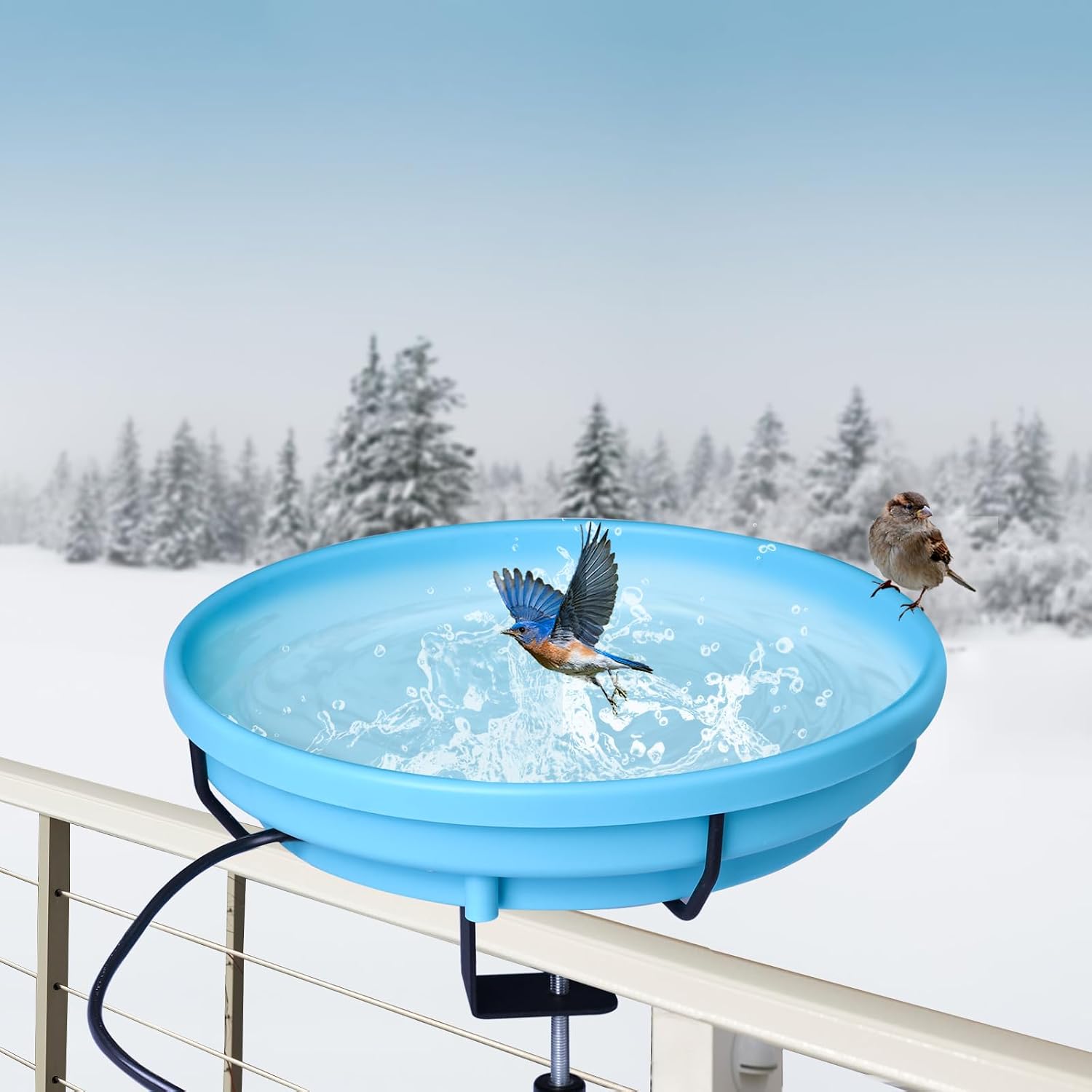
Credit: advantia.com.au
Benefits Of Heated Bird Baths
Heated bird baths offer several important benefits that can make a real difference for birds during cold winter months. These baths provide a reliable source of water when natural sources are frozen solid. They also help keep birds healthy and active through the season.
Preventing Water Freezing
One of the biggest challenges for birds in winter is finding unfrozen water. Heated bird baths keep the water liquid even on the coldest days. This means birds don’t have to waste energy searching for scarce water or risking dehydration.
Think about your own experience on a freezing day—how much easier it is to drink from a warm cup than to chip ice off a frozen bottle. Birds feel the same way.
Supporting Bird Hydration
Water is crucial for birds, especially in winter when their bodies work harder to stay warm. Heated baths ensure they stay hydrated, which supports their metabolism and feather maintenance.
Without enough water, birds can become weak or stressed, making them vulnerable to illness. By providing a dependable water source, you help them maintain their health and energy.
Attracting Winter Birds
Heated bird baths are a magnet for birds that might otherwise skip your yard during winter. Species like chickadees, cardinals, and finches are more likely to visit if they know fresh water is available.
This gives you a chance to observe a wider variety of birds and enjoy their company throughout the cold months. Have you noticed how your backyard changes when more birds come by? A heated bath can create that change.

Credit: www.yahoo.com
Potential Risks To Birds
Heated bird baths can be a great help to birds during cold months, but they are not without risks. Understanding these potential dangers can help you create a safer environment for your feathered visitors. It’s important to balance warmth with caution to avoid unintended harm.
Overheating Concerns
While keeping water from freezing is beneficial, too much heat can be dangerous. Birds are sensitive to sudden temperature changes, and water that’s too warm might cause stress or burns. You should check your bird bath regularly to ensure the temperature stays comfortably above freezing but not hot enough to harm.
Have you noticed birds avoiding your heated bath? It could be a sign that the water is too warm. Maintaining a steady, mild temperature is key to attracting and protecting them.
Electrical Safety Issues
Heated bird baths rely on electricity, which introduces risks like short circuits or electric shocks. Moisture and outdoor conditions increase the chance of electrical hazards. Make sure your device is waterproof and properly grounded to protect both birds and your home.
Unplug your heater during storms or heavy snow to avoid accidents. Regularly inspect cords and plugs for damage. Safety checks are simple but crucial steps you should never skip.
Impact On Natural Behavior
Providing warm water year-round might change how birds behave in winter. They could become dependent on heated baths and less likely to seek natural water sources. This reliance may affect their survival skills and migration patterns.
Think about offering heated water as a supplement, not a replacement, to natural sources. Have you ever wondered how your backyard feeding habits influence wild birds’ instincts? Keeping this balance helps birds stay healthy and independent.
Choosing The Right Heated Bird Bath
Choosing the right heated bird bath helps keep birds safe and comfortable during winter. The right bath prevents water from freezing and protects birds from harsh cold. It also ensures birds can drink and bathe easily without risk of injury or stress. Some features matter more than others for safety and effectiveness.
Safe Temperature Settings
Heated bird baths should stay just above freezing. Temperatures between 32°F and 40°F keep water liquid but avoid overheating. Too warm water can harm birds or attract unwanted pests. Look for baths with adjustable thermostats. This allows control to match outdoor weather. Overheating can cause burns or stress in birds. Safety sensors that turn off heating if water is low add protection.
Material And Design
Durable, non-toxic materials are best for bird baths. Ceramic, heavy plastic, and metal with rust protection last long. Smooth edges prevent injury to birds’ feet. Design should allow easy landing and takeoff. Shallow water areas help small birds bathe safely. Covers or wind guards reduce heat loss and keep water clean. Avoid baths with sharp parts or unstable bases.
Energy Efficiency
Energy-saving models reduce electricity use and costs. Look for low-watt heaters with good insulation. Some baths use thermostats that switch off when heating is unnecessary. Solar-powered options can cut power bills. Efficient heating keeps water warm without wasting energy. Proper placement also helps—avoid windy spots and direct sun exposure.
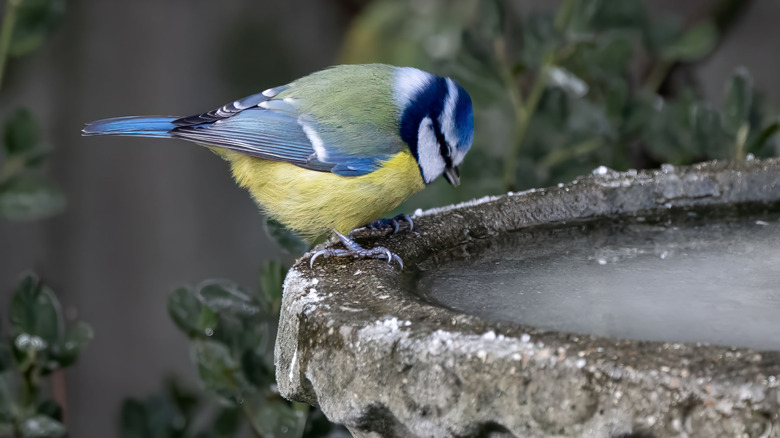
Credit: www.outdoorguide.com
Installation And Maintenance Tips
Heated bird baths offer much-needed water for birds during winter. Proper installation and maintenance ensure their safety and functionality. Below are crucial tips to keep your bird bath both safe and effective throughout the cold months.
Proper Placement
Place the bird bath in a sheltered spot. This helps reduce exposure to harsh winds. Choose a location with easy access to electricity. Ensure the cord is safe from water and snow. Avoid spots under bird feeders to reduce debris.
Regular Cleaning
Clean the bird bath weekly to prevent algae and bacteria. Use a mild soap and rinse thoroughly. Regular cleaning keeps the water safe for birds. Remove any ice or debris that may accumulate.
Monitoring Water Temperature
Check the water temperature regularly to prevent overheating. Use a thermostat-controlled heater for safety. Ensure the water remains unfrozen but not too warm. Proper monitoring maintains a safe environment for birds.
Alternatives To Heated Bird Baths
If you’re concerned about the safety of heated bird baths, there are several effective alternatives to keep your feathered friends hydrated and happy during the cold months. These options focus on maintaining water availability without the risks sometimes linked to heated units. You might find one or a combination of these solutions fits your backyard setup perfectly.
Insulated Bird Baths
Insulated bird baths are designed to keep water from freezing without using electricity. They have thick walls or double layers that trap heat from the sun and surrounding air. You can even create your own insulated bath by placing your bird bath inside a larger container filled with straw or leaves to add extra warmth.
Have you noticed how some birds prefer shallow water that doesn’t freeze quickly? Insulated baths can help maintain that condition, making them safer and more inviting.
Frequent Water Replacement
Changing the water regularly is a simple way to prevent it from freezing solid. This method requires a bit more attention, but it’s very effective. Refill your bird bath every few hours during the day if temperatures drop below freezing.
Try to do this when birds are less active to avoid disturbance. You’ll be surprised how quickly fresh, unfrozen water attracts more visitors to your yard.
Natural Water Sources
Using natural water sources like ponds, streams, or even melted snow can provide birds with a safe hydration spot. If you have a garden pond, consider keeping a small area ice-free by breaking the ice gently or adding floating objects to reduce freezing.
Providing a natural water source mimics the birds’ usual environment, which can encourage regular visits. Do you have a nearby stream or wetland that birds use? Observing these natural habits can help you better support them in winter.
Frequently Asked Questions
Are Heated Bird Baths Safe For All Bird Species?
Yes, heated bird baths are generally safe for most bird species. They prevent water from freezing, offering birds access to fresh water in winter. However, always ensure the temperature is moderate to avoid harming smaller or sensitive birds.
How Do Heated Bird Baths Benefit Birds In Winter?
Heated bird baths provide essential liquid water during freezing temperatures. This helps birds stay hydrated and maintain their body heat. Access to unfrozen water supports their survival and overall health in harsh winter conditions.
Can Heated Bird Baths Prevent Ice-related Injuries?
Yes, heated bird baths reduce ice formation, lowering the risk of injuries. Birds avoid slipping on ice or damaging their feet on frozen surfaces. This makes their environment safer and more comfortable during cold months.
Are There Energy-efficient Heated Bird Baths Available?
Yes, many heated bird baths are designed to be energy-efficient. They use thermostats to activate heating only when necessary. Solar-powered models also offer eco-friendly options for winter bird care.
Conclusion
Heated bird baths help birds stay safe and warm in winter. They stop water from freezing, so birds can drink and bathe. Always check the heater works well and is safe to use. Clean the bath often to keep birds healthy.
A warm water source supports birds during cold months. It shows care for nature and helps birds survive. Simple steps make a big difference for winter bird care.




