
Have you ever wondered if hummingbirds actually live in bird houses? You might imagine these tiny, colorful birds making their homes in cozy little houses just like other birds do.
But the truth might surprise you. If you want to learn where hummingbirds really nest and how you can attract them to your yard, keep reading. By the end of this article, you’ll know exactly what hummingbirds need and how to create the perfect environment for these amazing creatures right outside your window.
Hummingbird Nesting Habits
Hummingbirds have unique nesting habits that differ significantly from many other birds. Their nests are tiny masterpieces, crafted with great care to provide safety and comfort for their young. Understanding these habits helps you create a welcoming environment for hummingbirds around your home.
Where Hummingbirds Build Nests
Hummingbirds rarely use traditional bird houses. Instead, they prefer natural, sheltered spots like tree branches, shrubs, or sometimes even hanging plants. The location is usually well-hidden and close to food sources, offering protection from predators and harsh weather.
Have you noticed small nests tucked under leafy branches in your garden? That’s a classic hummingbird choice. They often select spots near flowering plants to stay close to nectar sources.
Materials Used For Nests
Hummingbirds use soft, flexible materials to build their nests. They gather plant down, spider silk, moss, and even feathers. Spider silk is especially important because it acts like elastic, allowing the tiny nest to stretch as the baby birds grow.
Think about the delicate balance they achieve—combining strength and softness to protect their eggs. Next time you see a hummingbird, consider how much effort goes into creating that tiny home.
Credit: www.dutchcrafters.com
Purpose Of Bird Houses
Bird houses provide safe spaces for birds to rest, nest, and raise their young. They protect birds from harsh weather and predators. These small shelters help maintain bird populations in urban and rural areas. People enjoy watching birds use these cozy homes. Bird houses also support local ecosystems by encouraging birds to stay nearby.
Types Of Birds That Use Bird Houses
Many birds prefer bird houses for nesting. Common visitors include:
- Bluebirds
- Chickadees
- Wrens
- Swallows
- Tree swifts
Each bird species has unique needs for house size and entrance hole diameter. Proper design helps attract the right birds.
Suitability For Hummingbirds
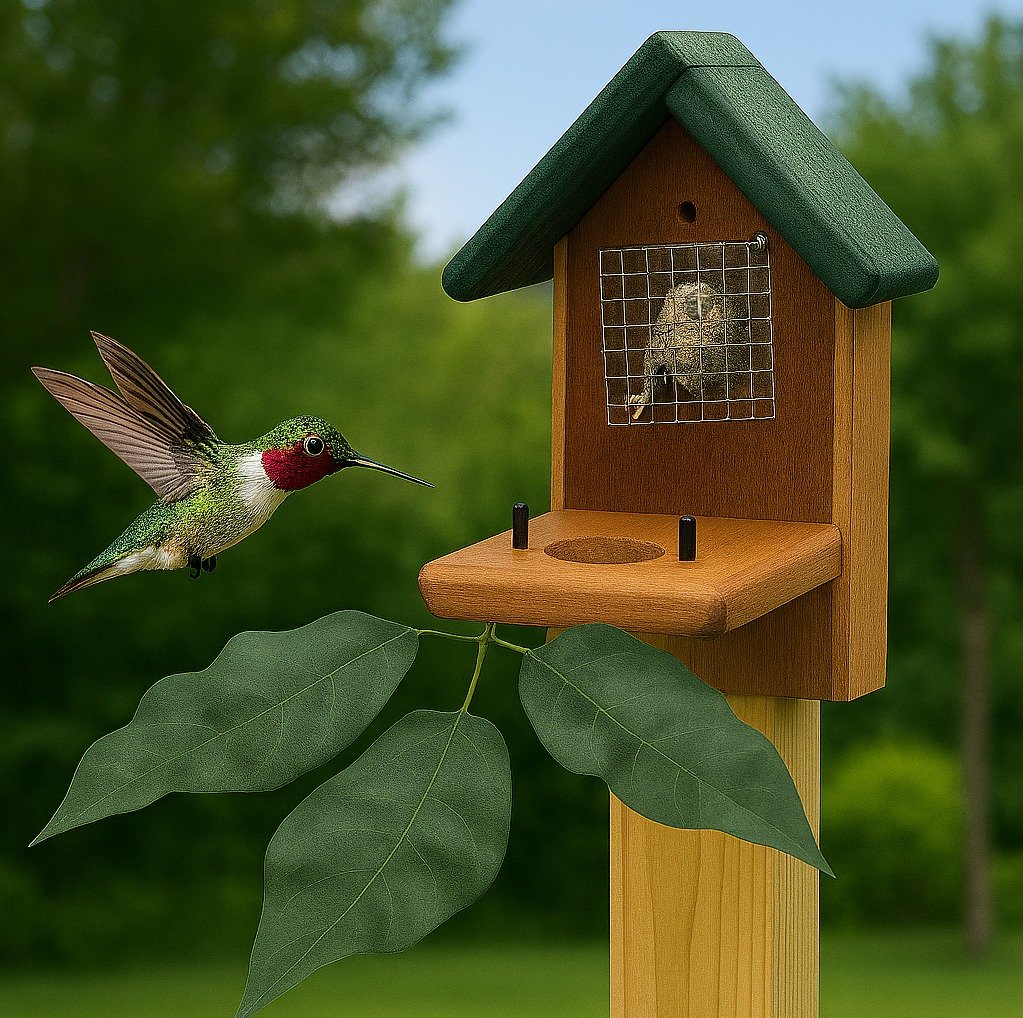
Hummingbirds do not usually live in bird houses. They build tiny, cup-shaped nests on tree branches or shrubs. These nests blend well with their surroundings. Bird houses are often too big and enclosed for hummingbirds. Instead, they prefer natural, open spaces that allow easy access. Special hummingbird feeders offer food but do not replace natural nesting sites.
Why Hummingbirds Avoid Bird Houses
Hummingbirds rarely use bird houses. Their unique needs and habits make traditional bird houses unsuitable for them. Understanding why they avoid these shelters helps in creating better environments for these tiny birds.
Size And Structure Preferences
Hummingbirds are very small, about 3 to 5 inches long. They prefer open spaces rather than enclosed spaces like bird houses. Bird houses are often too big and dark for them. Hummingbirds like to perch on thin branches or feeders. They need easy access and a clear view to spot predators quickly.
Natural Habitat Needs
Hummingbirds build tiny, cup-shaped nests from soft materials. They place these nests on tree branches or shrubs. These spots provide good protection and camouflage. Bird houses do not mimic this natural setting. Hummingbirds need sunlight, fresh air, and natural surroundings. They rely on flowers for food, which bird houses cannot provide.

Credit: www.amazon.com
How To Attract Hummingbirds
Hummingbirds do not live in bird houses since they prefer natural nests made from soft materials. Offering nectar feeders and planting colorful flowers helps attract them nearby. Creating a safe, quiet garden spot encourages these tiny birds to visit often.
Attracting hummingbirds to your garden can be a rewarding experience. These tiny birds bring joy with their vibrant colors and swift movements. Creating a welcoming environment for them involves providing food and suitable plants.Feeding Stations And Feeders
Set up hummingbird feeders in your garden. They provide a reliable food source. Fill them with a sugar-water solution. Mix four parts water with one part sugar. Avoid using honey or artificial sweeteners. Place feeders in shaded areas to keep the nectar fresh. Clean the feeders regularly to prevent mold. Hummingbirds are territorial. Install multiple feeders to reduce conflict.Planting Nectar-rich Flowers
Choose flowers that produce nectar. Bright colors like red and orange are attractive. Plants such as trumpet vine, bee balm, and salvia are excellent choices. Arrange these plants in clusters for easy access. Native plants are best suited for local hummingbirds. They adapt well to the climate and soil. Provide a mix of flowering times. This ensures nectar is available throughout the season.Alternative Shelter Options For Hummingbirds
Hummingbirds rarely use traditional bird houses for shelter. These tiny birds prefer more natural and safe places for nesting and resting. Providing alternative shelter options helps support their needs and keeps them protected from predators and bad weather. Simple steps in your garden can create a welcoming space for hummingbirds.
Creating Safe Natural Spaces
Plant native flowering shrubs and trees to offer shelter and food. Dense foliage gives hummingbirds cover and a place to hide. Avoid trimming plants during nesting season. Leave dead branches as natural perches. Keep the area free from pesticides. This helps hummingbirds stay healthy and safe.
- Choose plants like trumpet vine, bee balm, and salvia
- Provide water sources like shallow birdbaths or misters
- Create quiet zones away from heavy human activity
Using Hummingbird-specific Nesting Aids
Standard bird houses do not suit hummingbirds. Instead, use nesting aids designed for their small size. These include tiny cups made from soft materials. Hang them in sheltered spots, close to food sources. Place them at a height of 5 to 10 feet. Avoid bright colors to keep the nests hidden from predators.
- Use natural fibers like cotton or moss for lining
- Install small platforms or shelves for additional support
- Check and clean nesting aids only after breeding season

Credit: www.amazon.ca
Frequently Asked Questions
Do Hummingbirds Live In Bird Houses?
Hummingbirds do not typically live in bird houses. They prefer natural nests made of soft materials, usually built on tree branches or shrubs. Special hummingbird feeders attract them more effectively than traditional bird houses designed for other birds.
Can Hummingbirds Use Man-made Bird Houses?
Hummingbirds rarely use man-made bird houses. They require small, cup-shaped nests that bird houses can’t replicate. Instead, they build nests from plant fibers, spider silk, and other soft materials in natural locations.
What Attracts Hummingbirds To A Garden?
Bright flowers, especially red or orange tubular types, attract hummingbirds. Providing fresh nectar feeders and water sources also helps. Avoid pesticides to create a safe environment for these tiny birds.
How To Build A Hummingbird-friendly Nest Area?
Create a quiet, sheltered spot with thin branches or shrubs. Avoid artificial bird houses; instead, plant native plants and flowers. This encourages hummingbirds to build their natural nests nearby.
Conclusion
Hummingbirds do not usually live in bird houses. They prefer small nests made from soft materials. These nests attach to tree branches or shrubs. Bird houses are often too big and closed for them. Providing feeders with sugar water helps attract hummingbirds.
Planting flowers with nectar also invites them close. Watching these tiny birds up close brings joy. Understanding their needs helps keep them safe and happy. Enjoy the beauty of hummingbirds in your garden naturally.




