
Are you worried that your backyard chickens might be sick? Bird flu can spread quickly and cause serious problems for your flock.
Knowing the signs early can help you protect your birds and keep your home safe. You’ll learn how to spot the warning signs of bird flu in your chickens before it’s too late. Keep reading to make sure your feathered friends stay healthy and strong.
Credit: www.merckvetmanual.com
Symptoms Of Bird Flu In Chickens
Identifying bird flu in your backyard chickens early can make a significant difference. Recognizing the symptoms helps you act quickly to protect your flock and prevent the disease from spreading. Let’s look closely at the key signs that may indicate your chickens are infected.
Respiratory Distress
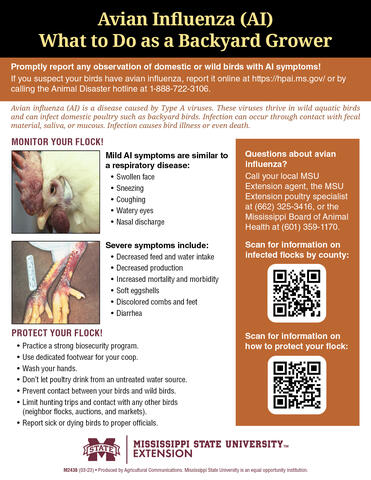
One of the most noticeable symptoms is trouble breathing. Your chickens might cough, sneeze, or have nasal discharge. Watch for open-mouth breathing or gasping, which suggests severe respiratory issues.
Have you noticed your birds making unusual sounds or struggling to breathe? These signs often signal that something serious is affecting their lungs.
Sudden Drop In Egg Production
A sharp decrease in egg laying is another red flag. Healthy hens usually produce eggs consistently, so any sudden change should raise concern. Bird flu disrupts their reproductive system, causing them to stop or lay fewer eggs.
If your hens’ egg count drops overnight, ask yourself if there are other symptoms present. This drop rarely happens without other health issues.
Swelling And Discoloration
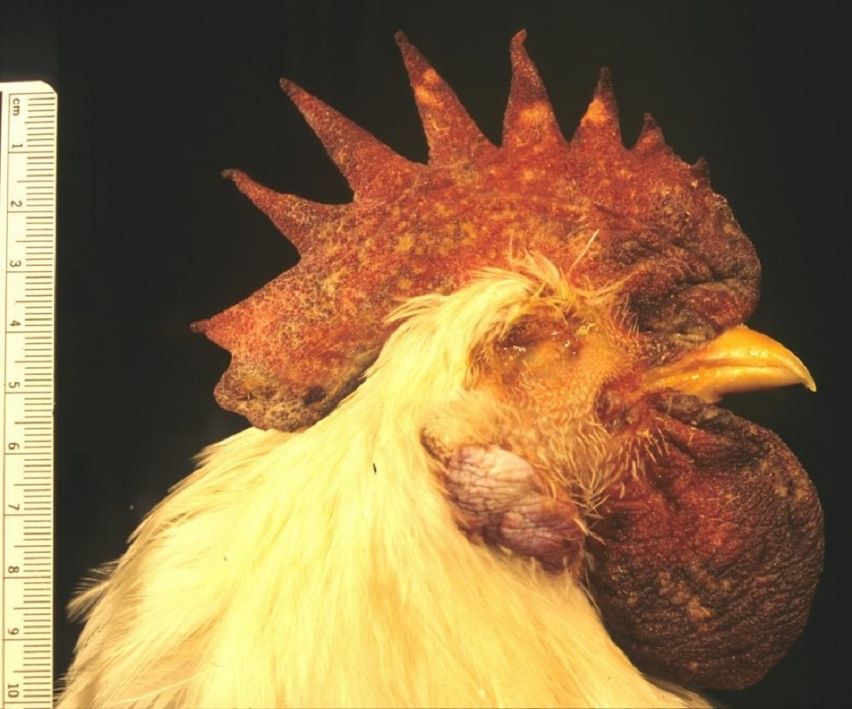
Look for swelling around the head, comb, wattles, and eyes. The skin might turn purple, blue, or red due to poor blood circulation. These visual clues are strong indicators of bird flu infection.
Have you ever seen your chickens’ combs change color drastically? Such changes are not normal and should prompt immediate attention.
Lethargy And Weakness
Infected chickens often appear unusually tired and weak. They may isolate themselves, stop eating, and show little interest in their surroundings. This lack of energy is a clear warning sign of illness.
When your flock seems less active than usual, consider whether they’re showing other symptoms. Early detection can help you make quick decisions to protect your birds.
Behavioral Changes To Watch For
Behavioral changes often serve as the first clues that something is wrong with your backyard chickens. Observing your flock closely can help you spot early signs of bird flu before physical symptoms become obvious. Paying attention to subtle shifts in how your chickens act can make a crucial difference in responding quickly and protecting your entire flock.
Isolation From Flock
Healthy chickens usually stick together, enjoying the company of their flockmates. If you notice a chicken suddenly separating itself and staying alone, it might be feeling unwell. This isolation can be a defense mechanism to avoid spreading illness or because the bird lacks the energy to keep up.
Have you seen a normally social hen suddenly retreat to a quiet corner? That change could be an early warning sign worth investigating immediately.
Loss Of Appetite
Chickens with bird flu often stop eating or drink less water. A decrease in appetite leads to rapid weakness and makes recovery harder. Watch for birds that ignore their feed or seem uninterested during feeding times.
If you catch this behavior early, you can act fast by isolating the bird and consulting a vet, potentially saving other chickens from infection.
Unusual Vocalizations
Your chickens usually make familiar clucking or crowing sounds. Changes in their vocal patterns—such as coughing, wheezing, or softer and less frequent noises—can signal respiratory distress. These unusual sounds often go unnoticed but can be a clear sign of bird flu.
Listen carefully during your daily routines. Do any chickens sound different or quieter than usual? Those vocal changes could mean it’s time for a closer look.
Physical Signs On Feathers And Skin
Physical signs on feathers and skin often reveal early clues about bird flu in backyard chickens. These signs are usually visible and easy to check during daily care routines. Pay attention to sudden changes in feather condition or skin color. Such changes may indicate illness and need immediate attention.
Ruffled Or Drooping Feathers
Chickens with bird flu often have feathers that look ruffled or untidy. These feathers may droop instead of lying flat against the body. The bird might appear weak and less active. Feathers can also look dull, losing their usual shine and smoothness. These changes happen quickly and can be a warning sign of disease.
Skin Lesions And Bluish Comb
Look closely at the skin and comb of your chickens. Bird flu can cause skin lesions, which appear as small sores or scabs. The comb may turn a bluish or purplish color instead of its normal red. This color change happens because of poor blood flow or oxygen levels. These skin symptoms often come with other signs like coughing or sneezing.

Credit: agwaycapecod.com
How Bird Flu Spreads In Backyard Flocks
Bird flu spreads quickly through contact with infected birds, their droppings, or contaminated surfaces. Watch for signs like coughing, sneezing, and sudden weakness in your chickens to spot the illness early.
Understanding how bird flu spreads in backyard flocks is crucial to protecting your chickens. With various transmission routes, backyard flocks can be vulnerable if preventive measures aren’t taken seriously. By recognizing these pathways, you can minimize risk and keep your chickens healthy.Contact With Wild Birds
Wild birds often carry the virus without showing symptoms. They can easily spread bird flu to your backyard chickens through direct contact. If your chickens roam freely, they’re at a higher risk of interacting with wild birds, which can lead to infection. You might notice wild birds frequenting your backyard for food or water. Limiting these interactions is key. Consider installing barriers or netting to prevent wild birds from mingling with your flock.Contaminated Feed And Water
Bird flu can also spread through contaminated feed and water sources. When wild birds visit your backyard, they might leave droppings in your chickens’ feed or water, introducing the virus. Ensure your chickens’ feed and water are covered and kept clean. Regularly inspect and clean feeding areas to prevent contamination. This simple step can significantly reduce the risk of infection.Human Activity And Equipment
Humans can unknowingly bring the virus into a backyard flock. This can happen if you’ve been in contact with infected birds or contaminated environments. Always wash your hands and change your shoes before entering your chicken coop. Disinfect equipment and tools regularly to prevent spreading germs. These precautions can help you keep your flock safe from bird flu. Have you considered how your daily activities might impact your chickens’ health? Taking small, consistent steps can make a big difference in preventing bird flu in your backyard flock.Steps To Confirm Bird Flu Infection
Confirming bird flu in your backyard chickens is crucial to protect your flock and prevent the disease from spreading. Identifying symptoms is only the first step; accurate diagnosis requires specific testing and careful sample handling. Taking prompt and correct actions can save many birds from serious illness or death.
Veterinary Testing Options
You will need to contact a veterinarian who can perform specialized tests to detect bird flu. These tests include:
- PCR (Polymerase Chain Reaction) Test:This is the most common and reliable test to identify the virus’s genetic material.
- Virus Isolation:The vet can attempt to grow the virus from your bird’s samples, confirming its presence.
- Rapid Antigen Tests:These provide quicker results but are less sensitive than PCR.
Which test your vet chooses depends on your location and the severity of symptoms. It’s important to act fast because early detection can limit the impact on your entire flock.
Sample Collection Methods
Proper sample collection is essential for accurate results. You or your vet will typically collect:
- Swabs from the throat and cloaca:These areas often carry the virus and yield reliable samples.
- Tracheal or nasal swabs:Useful for respiratory symptoms.
- Blood samples:Sometimes taken to check for antibodies against the virus.
Make sure to wear gloves and handle your chickens gently to reduce stress and avoid spreading the virus. Have you considered how you would safely collect samples without risking your own health?
Understanding these steps helps you respond confidently if bird flu threatens your chickens. It’s a hands-on approach that can make all the difference in protecting your flock.
Preventive Measures To Protect Your Flock
Protecting your backyard chickens from bird flu requires careful planning and action. Taking preventive measures helps keep your flock healthy and safe. These steps reduce the risk of infection and limit virus spread.
Biosecurity Practices
Set clear rules for anyone entering the chicken area. Use footbaths with disinfectant at entrances. Clean and disinfect tools, feeders, and waterers regularly. Avoid contact between your chickens and wild birds. Keep new birds separate for at least two weeks before mixing. Remove dead birds quickly and safely. Wear dedicated clothes and shoes when handling chickens.
Vaccination And Health Monitoring
Vaccinate your flock according to local veterinary advice. Keep detailed health records for each bird. Check chickens daily for signs of sickness or unusual behavior. Watch for coughing, sneezing, or loss of appetite. Report sudden deaths or many sick birds to a vet immediately. Maintain a clean environment with fresh water and quality feed. Early detection helps stop the spread and protects your flock.
What To Do If You Suspect Bird Flu
Suspecting bird flu in backyard chickens requires quick and careful action. Early steps protect your flock and nearby birds from spreading the disease. Acting fast reduces risks and helps manage the situation properly.
Isolation And Quarantine
Keep sick chickens away from healthy ones immediately. Use a separate pen or coop for the infected birds. Limit access to this area to prevent the virus from spreading. Clean hands and tools after contact with the isolated birds. Monitor the healthy flock closely for any signs of illness.
Notifying Authorities
Report suspected bird flu cases to local animal health officials. They provide guidance and support on handling the outbreak. Early notification helps control the disease in your area. Follow their instructions carefully to protect your flock and community.
Safe Disposal Of Infected Birds
Dispose of dead or infected chickens safely to stop contamination. Use heavy-duty plastic bags to contain the carcasses. Avoid leaving them where other animals can access. Contact local authorities for approved disposal methods like burial or incineration. Always wear gloves and wash hands after handling birds.
Credit: extension.msstate.edu
Frequently Asked Questions
What Are Common Symptoms Of Bird Flu In Backyard Chickens?
Bird flu symptoms include sudden death, coughing, sneezing, nasal discharge, and swollen eyes. Infected chickens may also show lethargy and decreased egg production. Early detection helps prevent spread and protects your flock.
How Can I Differentiate Bird Flu From Other Chicken Diseases?
Bird flu often causes rapid death and severe respiratory signs. Unlike mild infections, it spreads quickly and affects many birds. Confirm diagnosis with a vet through lab tests for accurate treatment and control.
Can Bird Flu Spread From Backyard Chickens To Humans?
Yes, bird flu can spread to humans through direct contact with infected birds or their secretions. Always use protective gear and practice good hygiene when handling sick chickens to reduce risk.
What Should I Do If I Suspect Bird Flu In My Flock?
Immediately isolate sick birds and contact local animal health authorities. Avoid contact with the flock and disinfect equipment. Early reporting helps control outbreaks and protects other birds and humans.
Conclusion
Watching your chickens closely helps catch bird flu early. Notice changes in behavior or appearance quickly. Act fast to keep your flock safe and healthy. Clean their coop often and keep new birds separate. Contact a vet if you see worrying signs.
Staying alert protects your backyard birds from serious illness. Healthy chickens mean happy eggs and a happy home. Keep learning about their care for the best results.




