
Have you ever paused to watch the colorful birds visiting your backyard? These feathered friends bring life and joy right outside your window.
But do you know who they really are? This guide will help you recognize and understand the most common backyard birds of North America. Whether you’re a beginner or just curious, you’ll find simple tips and fun facts to make birdwatching easy and exciting.
Keep reading, and soon you’ll see your backyard in a whole new light.
Popular Backyard Birds
Backyard birdwatching opens a window to nature right outside your door. Recognizing popular backyard birds helps you appreciate their unique behaviors and appearances. Whether you’re a beginner or seasoned watcher, knowing which birds are likely to visit your yard enhances the experience.
Common Species To Spot
Several bird species are frequent visitors across North American backyards. The Northern Cardinal, with its bright red feathers, often catches the eye. House Sparrows and American Robins are also widespread and easily recognizable.
These birds adapt well to urban environments and often rely on backyard feeders. Have you noticed how House Finches flock around seed feeders? Their cheerful chirps add life to any outdoor space.
Seasonal Visitors
Some birds appear only during certain seasons, turning your backyard into a dynamic birdwatching spot. Warblers and Baltimore Orioles are examples that grace northern yards mainly in spring and summer. Their vibrant colors and swift movements make spotting them exciting.
In fall and winter, look out for Dark-eyed Juncos and Snow Buntings. They arrive as temperatures drop, offering a different palette of feathered friends. What seasonal changes in bird activity have you observed in your area?
Birds That Stay Year-round
Certain birds choose to stay through all seasons, providing consistent company. Blue Jays, Chickadees, and Downy Woodpeckers are among those that endure cold winters and hot summers. Their behaviors often shift with the seasons, keeping your observations fresh.
Having year-round visitors means you can enjoy birdwatching anytime. Try placing a birdbath or feeder to encourage these residents. What small changes could you make to invite more birds to your yard?

Credit: www.amazon.ca
Attracting Birds To Your Yard
Attracting birds to your yard turns your outdoor space into a lively sanctuary full of color and song. It’s not just about putting out food; it’s about creating an inviting habitat that meets their needs. You might be surprised how a few simple changes can bring a variety of feathered friends right to your window.
Choosing The Right Feeders
Different birds prefer different types of feeders, so selecting the right ones can make a big difference. Tube feeders are great for small songbirds like finches and chickadees, while platform feeders attract larger birds such as cardinals and jays.
Consider the placement too—feeders near trees or shrubs give birds quick cover from predators. Have you noticed how birds flock to certain feeders and ignore others? That’s a good sign to adjust your setup.
Best Bird Seeds And Foods
Offering the right seeds is key to attracting a variety of species. Black oil sunflower seeds are a favorite because they have a high oil content and thin shells, making them easy to eat.
Mix in nyjer seed to attract finches or offer suet in colder months for woodpeckers and nuthatches. Don’t forget fresh fruit or mealworms for species like orioles and bluebirds—they add diversity to your backyard menu.
Water Sources For Birds
Birds need fresh water not just for drinking but also for bathing. A shallow birdbath with a rough surface can prevent slipping and make birds feel safer.
Keeping the water clean and changing it regularly encourages repeat visits. Have you tried adding a dripper or small fountain? Moving water catches birds’ attention and keeps them coming back.
Creating Bird-friendly Habitats
Creating safe spaces with native plants and fresh water helps attract many backyard birds. Providing shelter and food supports their daily needs and encourages visits.
Creating a bird-friendly habitat in your backyard is a rewarding endeavor, inviting nature’s melodies right to your doorstep. Birds are not just beautiful to watch; they play a vital role in maintaining ecological balance. But how do you make your outdoor space a haven for these feathered friends? Let’s dig into some practical tips to transform your garden into a bird paradise.Native Plants For Shelter
Choosing the right plants is crucial for attracting birds. Native plants are your best bet because they thrive in local conditions and provide natural shelter. Consider planting shrubs like the American holly or red chokeberry, which offer both coverage and berries. These plants create safe havens for birds to nest and find food. If you’ve ever noticed more birds in a friend’s yard than yours, the secret could be native vegetation. Make your garden irresistible with plants that birds are naturally drawn to.Nest Box Tips
Providing nest boxes is a great way to encourage birds to settle in your yard. Ensure the boxes are placed at the right height and location. A box too exposed might deter potential residents. Consider installing a nest box with a sloped roof to prevent rain from entering. Ventilation holes are important for airflow, keeping the box at a comfortable temperature. Remember, different species prefer different sizes, so research what types of birds you’re hoping to attract.Avoiding Pesticides And Hazards
Pesticides can be harmful to birds, affecting their health and the food chain. Opt for natural pest control methods to keep your yard safe for avian visitors. Encourage beneficial insects that prey on pests, reducing the need for chemical interventions. Keep an eye out for other hazards like open water sources or shiny objects that can confuse birds. A reflective surface might look beautiful to you, but it could be a danger to birds in flight. By making small adjustments, you can make your garden a safer place for them to thrive.
Credit: www.amazon.ca
Birdwatching Basics
Birdwatching is a peaceful and rewarding hobby anyone can enjoy. It connects you with nature and helps you notice the little things around your home. Starting out might seem tricky, but with a few tips, you can quickly enjoy spotting birds in your backyard.
Essential Gear For Beginners
Good gear makes birdwatching easier and more fun. Start with binoculars that are lightweight and clear. A field guide helps you recognize different birds. Choose one focused on North American species for best results.
A notebook or birding app lets you keep track of your sightings. Wear comfortable clothes in natural colors to avoid scaring birds. A hat and sunscreen protect you during long outdoor sessions.
Identifying Birds By Sight And Sound
Birds show many clues to their identity. Look at size, shape, and color patterns. Notice how they move and where they perch. Pay attention to their calls and songs. Each bird has unique sounds that help identification.
Practice listening carefully. Try to match sounds with pictures in your guide. Watch birds quietly to avoid startling them. Over time, your recognition skills will improve.
Recording Your Sightings
Keeping records makes birdwatching more rewarding. Note the date, time, and location of each sighting. Write down the bird’s name and any special behavior you observe. Use a notebook or digital app to save your notes.
Review your records to see patterns in bird visits. This helps you learn more about bird habits and seasons. Sharing your sightings can connect you with other bird lovers.
Seasonal Birding Strategies
Seasonal changes shape the behavior and appearance of backyard birds throughout North America. Adjusting your birdwatching strategies with the seasons helps you spot a wider variety of species and understand their habits better. Each season offers unique opportunities and challenges that can transform your birding experience.
Spring And Summer Activities
Spring and summer bring an explosion of bird activity. You’ll notice many species building nests, feeding young, or displaying vibrant breeding plumage. Spend time near blossoming trees or shrubs where birds gather to feed on insects or nectar.
Try setting up a water source like a shallow birdbath—it attracts a variety of species seeking hydration and a quick bath. Early mornings are prime time for spotting songbirds singing to establish territory or attract mates. Have you ever paused to listen closely to identify different bird calls? It can reveal who’s around without even seeing them.
Fall Migration Tips
Fall is a season of movement as many birds migrate south. You can catch glimpses of transient species that don’t stay in your area year-round. Keep binoculars handy and watch the skies and treetops during calm, clear days when migration is most active.
Planting native shrubs with berries can help attract hungry migrants needing energy for their journey. Notice how some birds gather in flocks—this is a great time to observe their flight patterns and behavior. What signs do you look for to know migration is underway in your backyard?
Winter Birdwatching Challenges
Winter birdwatching demands patience and preparation. Food is scarcer, so birds rely heavily on feeders and natural shelter. Offering high-energy foods like sunflower seeds or suet can increase your chances of visits.
Cold weather can make birds less active, but you might spot species not seen during other seasons. Use this time to study the subtle differences in feather patterns and size among winter visitors. Have you noticed how some birds fluff up their feathers to stay warm? Observing these survival tactics adds depth to your birding knowledge.
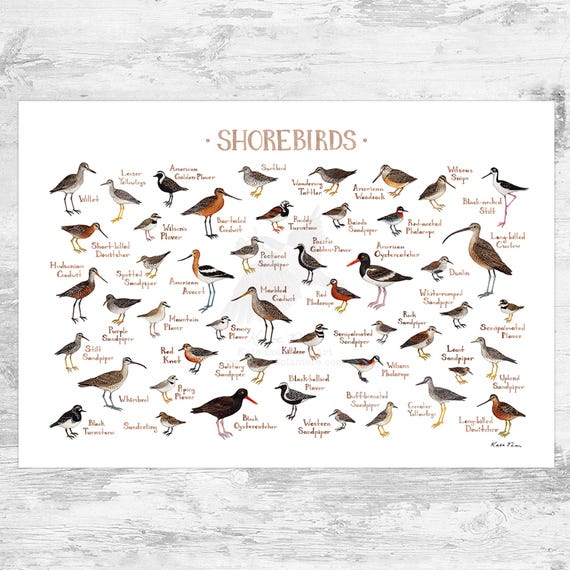
Credit: www.etsy.com
Common Bird Behavior
Backyard birds show a variety of behaviors that reveal their survival skills and lifestyles. Observing these behaviors helps identify different species and understand their needs. Birds adapt their actions based on the environment and season. Their feeding, mating, and flight habits are key to their daily life.
Feeding Habits
Birds eat seeds, insects, fruits, and nectar. Some prefer eating on the ground, while others feed in trees or shrubs. Watch for quick pecks or slow, careful searches. Birds like woodpeckers tap trees to find insects inside. Hummingbirds hover near flowers to sip nectar.
- Seed eaters often visit feeders with sunflower or millet seeds.
- Insect eaters catch bugs mid-air or pick them off leaves.
- Fruit lovers enjoy berries and soft fruits in your garden.
Mating And Nesting
Birds build nests to protect eggs and young chicks. Nest shapes vary from cups to holes or woven balls. Males often sing or show bright feathers to attract females. Some birds perform dances or bring nesting materials. Both parents may help feed and guard the chicks.
- Nesting sites include tree branches, bushes, and cavities.
- Many birds return to the same nesting spot each year.
- Watch for birds carrying twigs, grass, or feathers.
Flight Patterns
Birds fly in different ways depending on species and purpose. Some glide smoothly, while others flap wings rapidly. Watch for soaring birds riding air currents without much wing movement. Flocks often fly in V-shapes or tight groups for safety. Quick, zigzag flights help birds escape predators.
- Migrating birds fly long distances in organized formations.
- Smaller birds use fast wingbeats to move through dense trees.
- Birds use flight to find food, mates, or new homes.
Protecting Backyard Birds
Protecting backyard birds helps keep their populations strong and healthy. Birds face many dangers near homes. Predators, window collisions, and habitat loss threaten their survival. Small efforts can make a big difference in their safety. Understanding simple ways to protect birds creates a bird-friendly yard.
Dealing With Predators
Predators like cats, hawks, and snakes can harm backyard birds. Keep pet cats indoors or supervise them outside. Use bird feeders with baffles to block climbing predators. Clear dense brush near feeders to reduce hiding places for predators. Place feeders where birds have quick escape routes. These steps reduce bird deaths and stress.
Safe Window Practices
Birds often fly into windows because they see reflections or clear views. Install window decals or stickers to break up reflections. Use screens or netting outside windows to create a soft barrier. Close curtains or blinds during peak bird activity times. Window collisions cause many bird injuries and deaths. Safe window habits save lives.
Supporting Conservation Efforts
Join local bird conservation groups to help protect habitats. Plant native trees and shrubs that provide food and shelter. Avoid using pesticides that harm birds and their insects. Support bird research by reporting sightings to citizen science projects. Small actions support wider efforts to protect North American birds.
Frequently Asked Questions
What Are Common Backyard Birds In North America?
Common backyard birds include the American Robin, Northern Cardinal, Blue Jay, and House Sparrow. These birds are frequently spotted across various regions and habitats. They adapt well to urban and suburban environments, making them familiar and easy to observe in most North American backyards.
How Can I Attract Backyard Birds Year-round?
To attract birds year-round, provide fresh water, native plants, and diverse food sources like seeds and berries. Use bird feeders and nesting boxes. Maintain a pesticide-free garden to create a safe habitat. Changing food types seasonally helps meet birds’ nutritional needs throughout the year.
What Is The Best Bird Feeder For North American Birds?
Tube feeders are ideal for small birds like finches and chickadees. Hopper feeders attract a variety of species, including cardinals and grosbeaks. Platform feeders suit ground-feeding birds. Choose feeders based on the species common in your area to maximize bird visits.
When Is The Best Time To Observe Backyard Birds?
Early morning is the best time to observe backyard birds. Birds are most active then, searching for food and singing. Late afternoon also offers good viewing opportunities. Avoid midday when birds tend to rest and seek shade to stay cool.
Conclusion
Birdwatching brings joy and calm to your backyard space. Spotting colorful birds can brighten any day. Each bird has its own story and charm. Keep your feeders full and water fresh to invite them. Watching birds helps you connect with nature nearby.
This guide makes identifying birds easier and fun. Enjoy the simple pleasure of nature at home. Your backyard can become a bird’s favorite spot. Start small, watch closely, and learn every day.




