
Have you ever wondered if feeding birds during the hot summer months is a good idea? You might think birds can find enough food on their own when it’s warm outside.
But what if your simple act of putting out seeds or water could make a big difference for your feathered friends? You’ll discover why summer feeding might help more than you expect—and how you can do it the right way.
Keep reading to find out how your backyard can become a safe haven for birds all year long.
Reasons To Feed Birds In Summer
Feeding birds in the summer might seem unnecessary since nature is abundant during this season. However, there are several important reasons why providing food can make a big difference for your local birds. Understanding these reasons helps you decide if summer feeding fits your backyard routine.
Supporting Nesting Birds
Summer is nesting season for many bird species. Parents work hard to feed their hungry chicks, often visiting feeders multiple times an hour. By offering extra food, you reduce the energy parents spend searching for insects or seeds, helping their young grow stronger.
I once watched a pair of finches tirelessly collecting bugs for their babies. When I added a feeder nearby, the parents seemed less stressed and spent more time caring for their chicks. Could your backyard become a vital support spot for nesting birds?
Helping During Hot Weather
High temperatures can drain birds’ energy quickly. Water sources may dry up, and finding food takes more effort as insects hide from the heat. Providing fresh water and easy-to-digest foods like mealworms or fruit can keep birds hydrated and nourished when they need it most.
Think about how you feel on a hot day—wouldn’t you appreciate a cool drink and a snack? Birds feel the same way. Your feeders and birdbaths can be a lifesaver during heatwaves.
Attracting Diverse Bird Species
Summer feeding attracts a wider variety of birds than you might expect. Different species have unique diets and feeding habits. By offering a mix of seeds, fruits, and suet, you invite both common backyard birds and more unusual visitors.
This diversity can turn your yard into a lively birdwatching spot. Have you noticed how certain foods bring in specific birds? Trying new feeders or food combinations could reveal unexpected feathered friends.

Credit: www.allaboutbirds.org
Choosing The Right Food
Choosing the right food for birds during the summer is crucial to keep them healthy and active. Birds have different nutritional needs depending on the season, and summer offers a unique opportunity to provide a variety of fresh and natural foods. Paying attention to what you feed can make a real difference in supporting local wildlife.
Best Seeds For Summer
Sunflower seeds remain a top favorite among many bird species. They are rich in fat and protein, helping birds stay energized during hot days. You can also offer millet and nyjer seeds, which attract smaller birds like finches and sparrows.
Consider mixing seeds to create a diverse feeding option. A colorful seed blend not only looks inviting but also caters to different bird preferences. Have you noticed which seeds attract the most visitors to your feeder?
Fruits And Insects
Summer is the season when many birds enjoy fresh fruits. Try offering berries, chopped apples, or melon pieces to add natural sweetness to their diet. These foods provide essential vitamins and hydration, which are especially important in warmer weather.
Insects are another vital summer food source. Mealworms, crickets, and other small insects are packed with protein. I once added live mealworms to my feeding station and quickly saw an increase in bird activity, especially from bluebirds and wrens.
Avoiding Harmful Foods
Not all foods are safe for birds, and some can even be deadly. Avoid feeding birds bread, salty snacks, or anything processed. These can cause malnutrition or digestive problems.
Chocolate, avocado, and caffeine are toxic to birds and should never be offered. Always double-check what you’re putting out, especially if guests or children are involved. How careful are you about the foods you share with your feathered friends?
Feeding Tips For Hot Weather
Feeding birds during hot weather requires some extra care to keep them safe and healthy. The summer heat can cause food to spoil quickly and water to evaporate fast. Adjusting how and when you feed birds can make a big difference in supporting their needs during these warmer months.
Providing Fresh Water
Birds need water just as much as food, especially when temperatures rise. Make sure to offer fresh, clean water daily to help them stay hydrated. A shallow birdbath or a small dish placed in a shady area works well.
Change the water frequently to prevent bacteria and mosquitoes from breeding. You might notice more birds visiting your yard just for a drink when it’s hot. Have you ever watched them splash around in the water? It’s a simple way to keep them cool and healthy.
Keeping Feeders Clean
Heat can cause birdseed to mold or spoil faster than usual. Regularly clean your feeders to avoid spreading disease among visiting birds. Use warm, soapy water and rinse thoroughly before refilling.
Check feeders daily for wet or clumped seeds and remove anything that looks off. This small effort can prevent many health problems and keep your feathered friends coming back safely.
Timing Your Feeding
Feeding birds during the coolest parts of the day helps reduce food spoilage and attracts more visitors. Early mornings and late evenings are ideal times to put out fresh seed and water. Birds are most active during these hours and will benefit from your timely support.
Think about your schedule and when you can consistently refresh feeders. Could adjusting your routine help the birds in your area thrive through the heat?
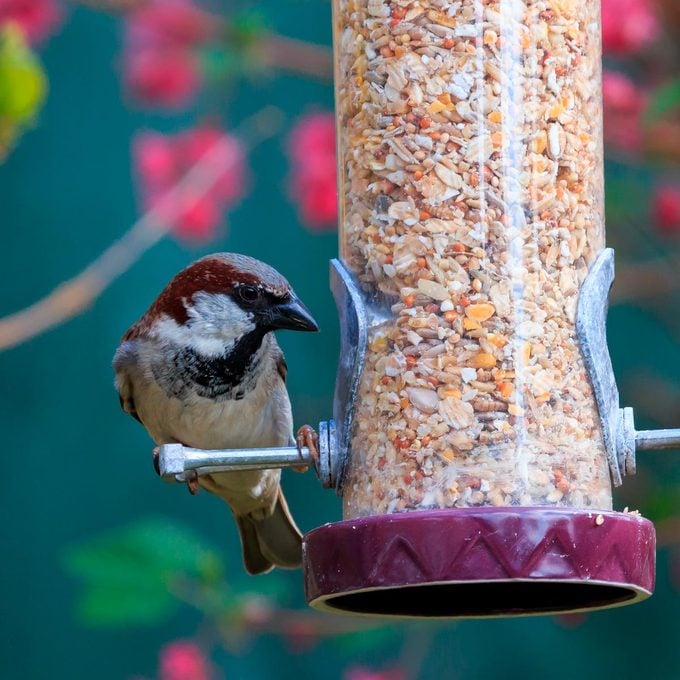
Credit: www.familyhandyman.com
Benefits Of Summer Bird Feeding
Feeding birds in summer helps them find extra food during hot, dry days. It supports their energy and keeps your garden lively with birdsong. Many birds enjoy the easy meal and stay close by.
Feeding birds during the summer might not be the first thing that comes to mind. Many believe that birds find plenty of food in the warm months. However, feeding them in summer holds surprising benefits that extend beyond just the birds themselves. Let’s explore how summer bird feeding can enhance both the lives of our feathered friends and our own.Encouraging Bird Health
Providing a steady food source in the summer ensures that birds get the nutrition they need. This is especially crucial for young birds who are learning to fend for themselves. Offering a variety of seeds and suet can boost their energy and support healthy growth. Imagine watching a fledgling take its first flight, knowing you played a part in its strength. Isn’t that a rewarding thought?Enhancing Backyard Biodiversity
Feeding birds invites a diverse range of species to your backyard. You might spot vibrant cardinals, cheeky sparrows, and even elusive woodpeckers. This diversity not only enriches your garden’s ecosystem but also helps control pests naturally. Think about it: Your humble backyard could become a bustling microhabitat, teeming with life. Isn’t it exciting to contribute to nature in such a direct way?Enjoying Birdwatching Opportunities
Summer bird feeding opens up a world of birdwatching right from your window. The longer daylight hours give you more time to observe and enjoy their antics. This can be a peaceful, meditative practice that enhances your connection with nature. Every visit from a bird is a chance to learn something new about their behavior. Do you have a favorite bird that visits your feeder? Watching them can be more entertaining than the latest TV show!Common Mistakes To Avoid
Feeding birds in the summer can be rewarding, but mistakes can harm them. Avoid these common errors to keep birds safe and healthy. Careful feeding helps birds stay strong during hot months.
Overfeeding Birds
Giving too much food causes birds to rely on feeders only. They may stop searching for natural food sources. Overfeeding can attract pests like rats and insects. Offer small amounts of food and refill often.
Ignoring Hygiene
Dirty feeders spread diseases among birds. Clean feeders regularly with warm water and mild soap. Remove old or moldy food immediately. Place feeders where water can drain to avoid mold growth.
Feeding At The Wrong Times
Feeding birds during the hottest part of the day is not ideal. Birds eat mostly in the early morning and late evening. Provide food during these cooler times for best results. Avoid feeding at midday to prevent spoilage.
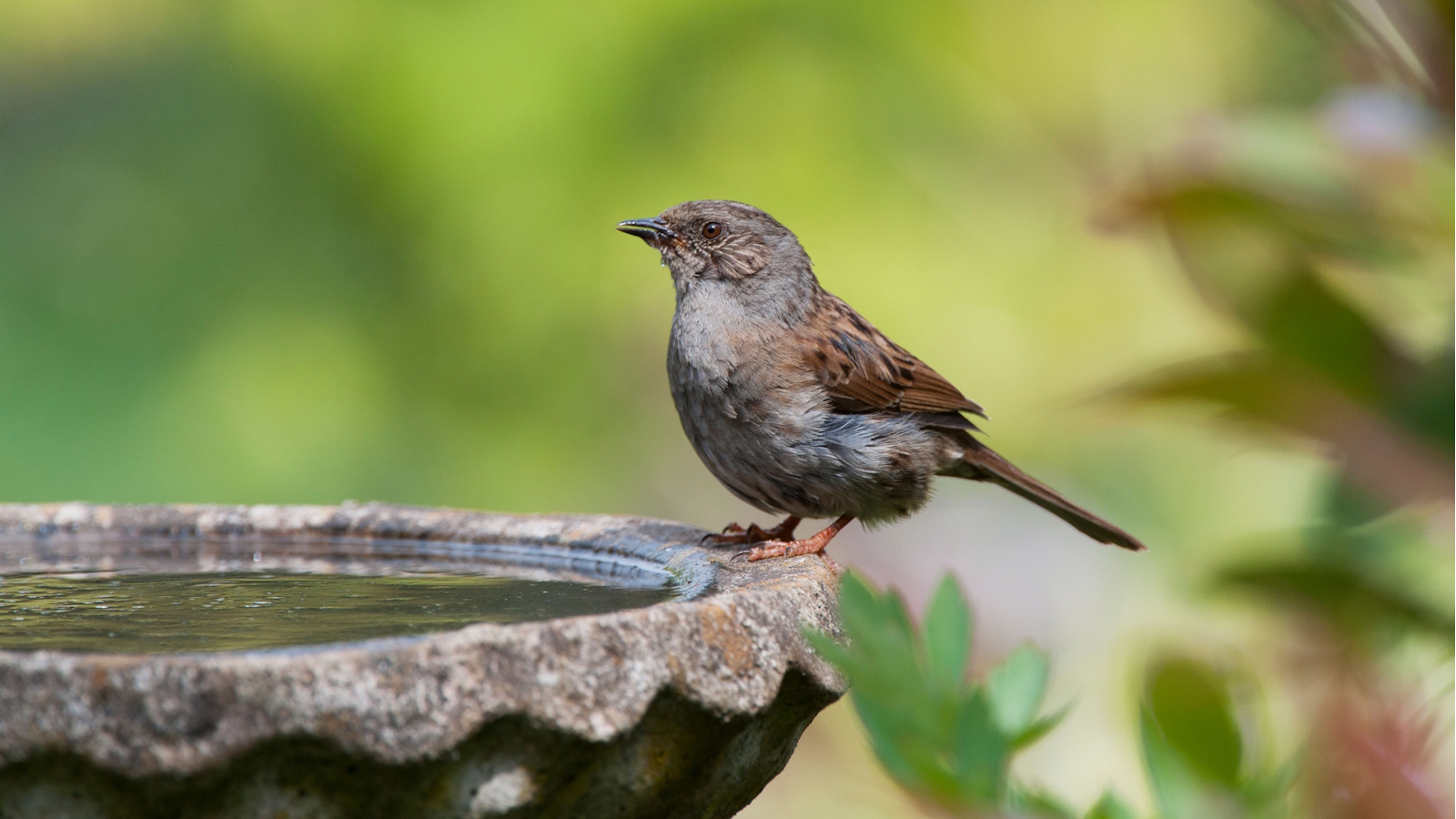
Credit: www.homesandgardens.com
Frequently Asked Questions
Should I Feed Birds During Summer Months?
Yes, feeding birds in summer can help them during dry spells. It supplements their natural food, especially in urban areas with less greenery.
What Are The Best Summer Bird Foods?
Offer high-energy foods like mealworms, suet, and fruit. Avoid moldy or wet seeds as they can harm birds.
How Often Should I Clean Bird Feeders In Summer?
Clean feeders weekly to prevent mold and bacteria growth. This keeps birds healthy and avoids spreading diseases.
Can Feeding Birds In Summer Attract Pests?
Yes, leftover food can attract pests like ants and rodents. Regular cleaning and removing uneaten food minimize this risk.
Conclusion
Feeding birds in summer can help them stay healthy and strong. Birds find food more easily in warm months, but extra food can support young or tired birds. Choose fresh, clean food and keep feeders clean to avoid harm. Watch birds enjoy your care and learn about their habits.
Feeding birds can bring joy and help nature thrive nearby. Small efforts make a big difference in your garden’s life. Consider the needs of birds and act kindly every season.




