
Are you tired of missing the perfect shot when you’re out birdwatching? Choosing the right camera can make all the difference in capturing those beautiful moments.
But with so many options, finding the best bridge camera for birding can feel overwhelming. This guide will help you discover which camera fits your needs, so you can focus on your passion and snap stunning photos every time. Keep reading to find out how to elevate your birding experience with the perfect camera.
Key Features For Birding Cameras
Choosing the right bridge camera for birding means focusing on features that truly matter in the field. Birds move fast, often from a distance, and lighting conditions can change suddenly. Your camera needs to keep up with these demands to capture sharp, detailed shots that bring your birding experience to life.
Zoom Range And Lens Quality
Birds are often small and far away, making zoom range a crucial factor. A powerful zoom lens, ideally 30x or more, lets you capture close-up details without disturbing your subject. But zoom isn’t everything—lens quality matters just as much.
Look for lenses with low distortion and good sharpness across the zoom range. Some cameras offer lenses with extra-low dispersion glass, which reduces color fringing—a common issue in bird photography.
Autofocus Speed And Accuracy
Birds rarely stay still. Fast autofocus helps you lock onto your subject quickly before it flies away. Accuracy is just as important; you don’t want your camera focusing on the background instead of the bird.
Try cameras with advanced autofocus systems featuring multiple focus points and tracking capabilities. These features help keep your bird sharp, even when it moves erratically.
Image Stabilization
When zooming in on distant birds, even small hand movements can blur your shot. Image stabilization compensates for this shake, letting you shoot sharper photos without a tripod. Optical stabilization in the lens or sensor-shift stabilization inside the camera body both work well.
Consider cameras that combine both for even better results. This makes handheld birding photography easier and more enjoyable, especially during long sessions outdoors.
Sensor Size And Resolution
A larger sensor generally captures better image quality, especially in low light, which is common during early morning or late afternoon birding. However, bridge cameras usually have smaller sensors than DSLRs, so resolution becomes key.
High resolution helps you crop photos without losing detail, letting you zoom in digitally when needed. Look for cameras with at least 20 megapixels to ensure sharp images that hold up when enlarged.
Battery Life And Portability
Birding often involves long hours outdoors, sometimes far from charging options. A camera with strong battery life means you won’t miss critical moments. Always check how many shots a camera can take on a single charge.
Portability also matters—you want a camera light enough to carry comfortably but sturdy enough to handle rough terrain. A well-balanced design helps you stay steady during long birding walks.
Credit: shreyas-yadav.com
Why Choose A Bridge Camera
Choosing the right camera for birding can make a big difference in your experience. Bridge cameras offer a unique blend of features that suit many bird watchers well. They fill the gap between simple point-and-shoot cameras and complex DSLR or mirrorless systems. This makes them an attractive option for both beginners and hobbyists. Understanding why bridge cameras stand out helps you pick the best one for your birding needs.
Advantages Over Dslr And Mirrorless
Bridge cameras combine a long zoom lens with a fixed body. This means no lens changes are needed. They are lighter and easier to carry than DSLRs. You get a wide zoom range in one device. Autofocus systems in bridge cameras work well for moving birds. They also tend to have good image stabilization. This helps reduce blur from hand movements. For quick shots, bridge cameras can be faster to use. No need to carry multiple lenses or extra gear.
Compactness And Ease Of Use
Bridge cameras are smaller than most DSLRs. Their compact size fits easily in a backpack or hand. Controls are simple and user-friendly. Many models have automatic modes to help beginners. You can still use manual settings if you want more control. The built-in electronic viewfinder makes composing shots easier. This is useful in bright outdoor light. Overall, bridge cameras offer convenience without much hassle.
Cost-effectiveness
Bridge cameras are generally more affordable than DSLR kits. You get a versatile zoom lens included, saving extra costs. No need to buy multiple lenses for different distances. Repairs and maintenance tend to be cheaper too. This makes bridge cameras a good choice for those on a budget. They provide great value for bird photography without high expenses. A smart investment for casual birders and beginners alike.
Top Bridge Cameras For Birding
Choosing the best bridge camera for birding depends on zoom power and image clarity. Cameras with long zoom lenses help capture birds from a distance. Easy-to-use models with fast autofocus improve your bird photography experience.
Capturing the elegance of birds in their natural habitat can be a thrilling experience. For bird enthusiasts, choosing the right camera is crucial to documenting those fleeting moments. Bridge cameras offer a perfect blend of versatility and performance. They bridge the gap between the simplicity of point-and-shoot cameras and the complexity of DSLRs. Let’s dive into the top bridge cameras for birding that can elevate your bird-watching adventures.Best Overall Performer
When it comes to overall performance, the Sony RX10 IV stands out. It combines a large zoom range with an impressive autofocus system. The fast autofocus ensures you never miss a moment, even when birds are in flight. Its robust build and weather-sealed design make it ideal for outdoor use. The camera’s 24-600mm lens offers incredible reach, perfect for capturing distant subjects with clarity.Best Budget Option
Looking for quality without breaking the bank? The Panasonic Lumix FZ80 is a fantastic choice. Despite its affordability, it boasts a 60x zoom lens, allowing you to get up close to your feathered friends. It also features 4K video capability, so you can capture stunning footage alongside your photos. Its ergonomic design ensures comfortable handling, even during extended bird-watching sessions.Best For Beginners
If you’re just starting out, the Canon PowerShot SX70 HS is an excellent beginner-friendly option. It offers an intuitive interface, making it easy to navigate through settings. With its 65x zoom lens, you can capture detailed images without needing to get too close. The camera’s smart auto mode adjusts settings automatically, so you can focus on enjoying the birding experience.Best For Advanced Users
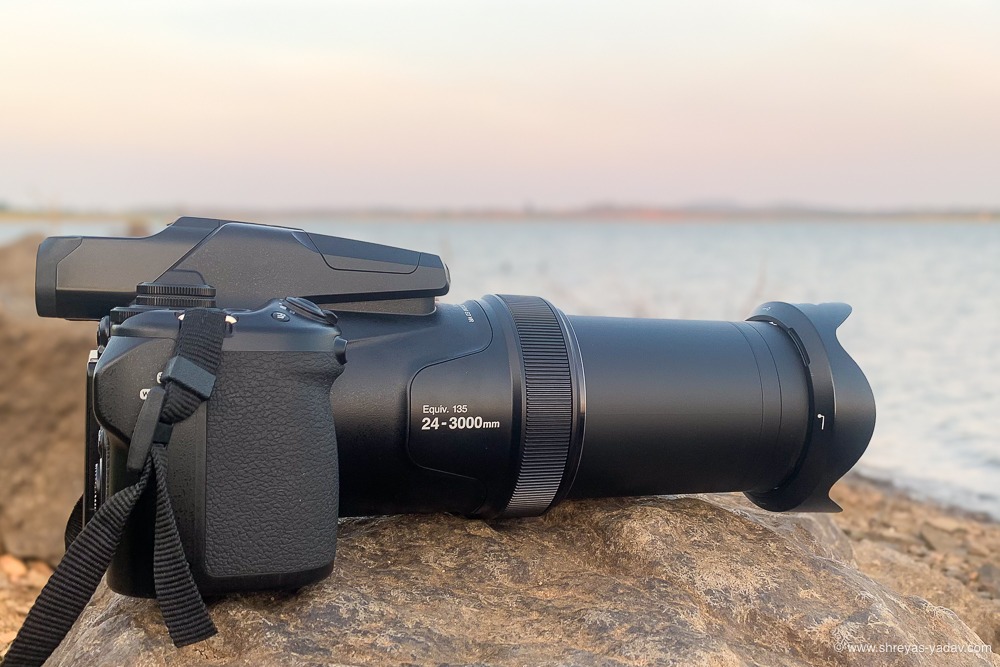
For those who require more advanced features, the Nikon Coolpix P1000 is a game-changer. Its standout feature is the 125x optical zoom lens, which lets you photograph birds that are barely visible to the naked eye. The manual controls give seasoned photographers the flexibility to fine-tune their shots. Additionally, its RAW support offers greater post-processing capabilities for those looking to perfect their images. Whether you’re a beginner or an advanced user, these bridge cameras offer something for everyone. Which one aligns with your birding goals?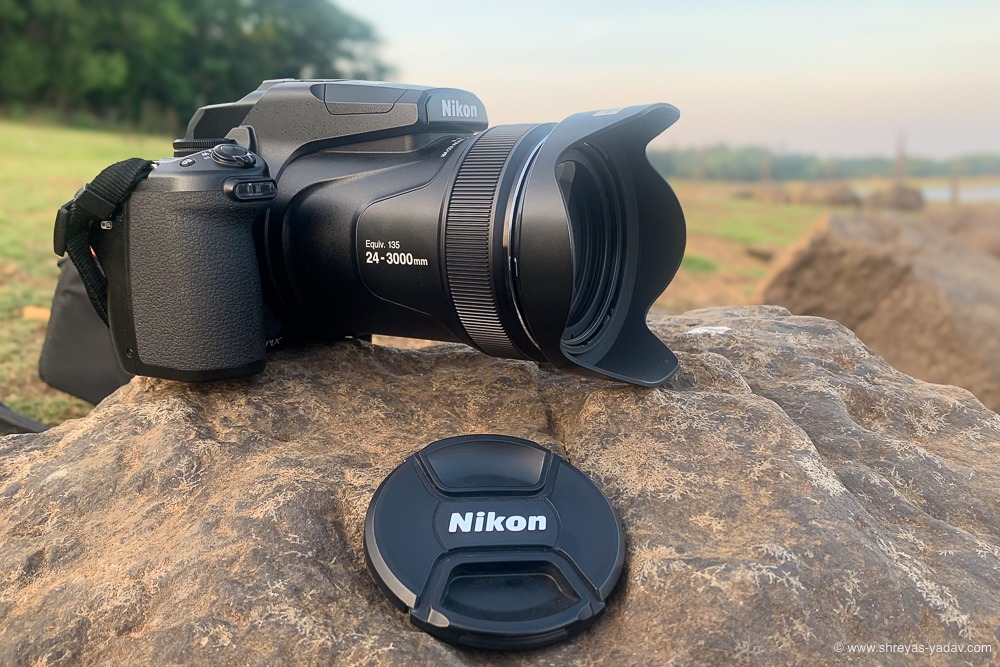
Credit: shreyas-yadav.com
Comparing Camera Specs
Choosing the best bridge camera for birding requires understanding key specs. These specs affect your ability to capture sharp, detailed images of birds. Comparing them helps find the right balance between zoom, image quality, durability, and extra features. Each aspect plays a vital role in your bird photography experience.
Zoom Capabilities
Zoom range matters most in birding. A longer zoom lets you capture distant birds clearly. Optical zoom is better than digital zoom. It keeps the image sharp without pixelation. Look for cameras with at least 20x optical zoom. Some models offer 50x or more for extreme close-ups. Variable zoom speed helps track moving birds smoothly. Zoom lens quality affects clarity at high zoom levels.
Image Quality
Image quality depends on sensor size and resolution. Larger sensors capture more light and detail. Aim for at least 20 megapixels for crisp photos. Low noise at high ISO is crucial for shooting in low light. Fast autofocus helps catch birds in motion. Some cameras have image stabilization to reduce blur. RAW format support allows better editing later.
Build And Weather Resistance
Birding often happens outdoors in varied weather. A sturdy camera withstands rough use and changes in weather. Look for models with weather sealing. Dust and moisture resistance protect internal parts. A solid grip and ergonomic design improve handling. Compact size and lightweight build ease long walks and hikes. Check user reviews for durability feedback.
Additional Features
- Electronic viewfinder for clear framing in sunlight
- Tilting or articulating LCD screen for shooting at odd angles
- High-speed continuous shooting to capture fast bird movements
- Built-in Wi-Fi or Bluetooth for easy photo sharing
- Manual controls for fine-tuning exposure and focus
- Silent shooting mode to avoid scaring birds away
Tips For Bird Photography
Mastering bird photography takes more than just having the best bridge camera. Your approach to settings, zoom, and stabilization can make a huge difference in capturing that perfect shot. Here are some practical tips to help you enhance your birding photos right away.
Choosing The Right Settings
Start by adjusting your camera’s ISO, shutter speed, and aperture to suit the lighting and bird movement. A faster shutter speed—around 1/1000th of a second or higher—helps freeze the bird’s quick motions.
Don’t hesitate to raise the ISO if you’re in low light, but keep it as low as possible to avoid grainy images. Aperture matters too; a wider aperture (smaller f-number) blurs the background nicely, making your bird stand out sharply.
Using Manual Vs Auto Modes
Auto mode is tempting, especially if you’re new to photography, but manual mode gives you full control. Have you noticed how your camera might focus on the wrong object when using auto? Manual focus lets you decide exactly where to lock in.
Try switching between modes depending on the situation—auto for quick snapshots, manual for deliberate, creative shots. This flexibility can turn an average photo into something memorable.
Maximizing Zoom Effectiveness
Bridge cameras often come with powerful zoom lenses, but zooming in too much can reduce image quality. Instead of maxing out the zoom, try to get closer to the bird if possible, or crop your photo afterward for better clarity.
Use zoom gradually and avoid sudden zooms to keep your subject steady in the frame. Have you experimented with digital zoom versus optical zoom? Optical zoom keeps detail sharp, while digital zoom can degrade quality quickly.
Stabilization Techniques
Even the best zoom can’t save a shaky shot. Use your camera’s built-in image stabilization to reduce blur, especially at high zoom levels. If you’re standing, brace yourself against a tree or use a monopod to steady your camera.
Try holding your breath just before clicking the shutter to minimize movement. Have you tried using burst mode? Taking multiple shots in quick succession increases your chances of a sharp image.

Credit: www.yahoo.com
Frequently Asked Questions
What Features Matter Most In A Birding Bridge Camera?
The best birding bridge cameras have long zoom lenses, fast autofocus, and high image quality. Good stabilization and weather resistance also help capture sharp bird photos outdoors.
How Far Can A Bridge Camera Zoom For Birding?
Bridge cameras typically offer optical zoom ranges from 20x to 60x. Higher zoom lets you capture distant birds clearly without disturbing them.
Are Bridge Cameras Better Than Dslrs For Birding?
Bridge cameras are more compact and affordable than DSLRs. They offer long zooms and easy use, making them ideal for casual birders.
Can Bridge Cameras Shoot High-quality Bird Videos?
Yes, many bridge cameras record Full HD or 4K video. Fast autofocus and zoom help capture detailed bird behavior videos.
Conclusion
Choosing the best bridge camera for birding depends on your needs. Consider zoom range, image quality, and ease of use. A good camera helps capture clear, sharp bird photos. Portability matters for long trips or hikes. Remember to balance price with features.
Take time to compare different models carefully. Enjoy your birding with the right camera by your side. Happy shooting!




