
Are you curious about how to get a government bird bath for your community or property? Understanding the process might seem tricky at first, but it’s simpler than you think.
Whether you want to support local wildlife or add a peaceful spot to your outdoor space, knowing the steps will help you move forward with confidence. Keep reading to discover exactly what you need to do to bring a government bird bath to life—and why it’s worth every effort.
Your guide starts here.

Credit: uk.style.yahoo.com
Choosing The Right Location
Choosing the right location for a government bird bath is crucial to attract birds while keeping them safe and comfortable. The spot you select affects how often birds visit and how well they thrive around the bath. Let’s look at important factors to keep in mind before placing your bird bath.
Consider Bird Safety
Birds need a safe place to drink and bathe without feeling threatened. Avoid spots near thick bushes or places where cats and other predators can hide. Open areas near trees or shrubs work well because birds can quickly escape if danger appears.
Think about how visible the bath is to predators. Is there a clear line of sight for birds to spot danger early? Also, avoid placing the bath too close to busy footpaths or noisy equipment that could scare the birds away.
Assess Sunlight And Shade
Birds prefer baths that offer a balance of sun and shade throughout the day. Too much sun can cause the water to heat up quickly, making it uncomfortable for birds and encouraging algae growth. On the other hand, full shade might keep the water cool but can make it less inviting.
Look for a location that gets morning sunlight and afternoon shade. This setup warms the water early, but keeps it cool enough during the hottest parts of the day. Have you noticed your local birds avoiding certain baths on hot days? This might be why.
Check Accessibility
You’ll want a location that’s easy for you to reach for regular cleaning and refilling. Bird baths need fresh water daily to stay healthy for the birds. If the bath is hard to access, you might skip maintenance, which can harm the birds.
Also, consider how accessible the spot is during different seasons. Will snow or fallen leaves block your path? Planning ahead can save you effort and ensure the bath stays inviting year-round.

Credit: uk.style.yahoo.com
Selecting A Suitable Bird Bath
Selecting a suitable bird bath is key to attracting birds to your garden. The right choice provides a safe place for birds to drink and bathe. It also fits well with your outdoor space. Consider materials, size, and design carefully. Each factor affects how birds use the bath and how long it lasts.
Materials And Durability
Choose materials that withstand weather and last long. Stone and concrete are strong but heavy. Metal bird baths can rust but look stylish. Plastic is light and affordable but may fade or crack. Ceramic offers bright colors but can break easily. Pick a material that suits your climate and maintenance ability.
Size And Depth
Bird baths should be shallow and wide. Water depth should be no more than 2 inches. Birds prefer shallow water for easy landing and safety. A wider basin lets more birds use it at once. Small bird baths suit limited spaces. Larger baths attract a variety of bird species.
Design And Style
Design affects how birds feel and how the bath fits your garden. Smooth edges are safer for birds’ feet. A simple, natural look blends well with plants. Decorative baths add charm but may need more care. Consider a stable base to prevent tipping. Choose a style that matches your outdoor decor.
Preparing The Site
Preparing the site for a government bird bath is key to its success and longevity. A well-prepared area ensures the bird bath stays stable and safe. It also helps keep the water clean for the birds. Taking time to prepare the ground creates a strong base. This step prevents problems later.
Clear Debris And Level Ground
Start by removing all leaves, sticks, and stones from the spot. Clear away any grass or weeds that might grow around the bird bath. This cleaning stops pests and dirt from entering the water. After clearing, check the ground’s level. Use a small tool or board to make sure it is flat. A level surface keeps the bird bath from tipping or spilling.
Ensure Proper Drainage
Good drainage is important to avoid standing water around the bird bath. Standing water can cause mud and attract unwanted insects. Test the site by pouring a little water on the ground. Watch how quickly it disappears or soaks into the soil. If water pools, improve drainage by adding sand or gravel. This helps water move away from the bird bath. Proper drainage keeps the area dry and clean for birds.
Installing The Bird Bath
Obtaining approval is essential before placing a government bird bath. Follow local rules and submit necessary forms for permission. Installation must meet safety and location guidelines set by authorities.
Installing a government bird bath in your local park or community garden can greatly enhance the area’s appeal to both birds and bird enthusiasts. But how do you ensure that this project is a success? The secret lies in careful planning and meticulous execution. Let’s explore the key steps to make your bird bath installation a hit.Positioning The Bath
Choosing the right spot for the bird bath can make all the difference. Look for a location that receives partial sunlight. This ensures the water doesn’t heat up too much and remains fresh. Make sure it’s within view of a window or a seating area. This allows visitors to enjoy watching the birds while they bathe and play. Consider the proximity to trees or shrubs. These provide birds with a safe retreat from predators, encouraging more feathered visitors to use your bath.Securing The Structure
Stability is key to a successful bird bath installation. Ensure the ground where you plan to place the bath is level. This prevents water from sloshing out and keeps the bath steady. Use durable materials that can withstand weather changes. Concrete or heavy stone bases are excellent choices for preventing toppling. Secure the bath with stakes or a weighted base if wind is a concern. This not only ensures safety but also minimizes maintenance needs. Have you ever noticed how a well-placed bird bath becomes a hub of activity? By following these steps, you ensure your installation is both inviting and enduring.Maintaining The Bird Bath
Maintaining a government bird bath ensures it stays inviting for birds and safe from harmful buildup. Regular care keeps the water clean and fresh. This encourages more birds to visit and enjoy the bath. Simple steps can keep the bird bath in top shape all year.
Regular Cleaning
Clean the bird bath every few days to stop dirt and bacteria. Use a soft brush to scrub the surface gently. Avoid harsh chemicals; a mixture of water and mild soap works well. Rinse thoroughly to remove all soap before refilling with water.
Refilling Water
Birds need fresh water daily. Check the bird bath often and refill with clean water. Remove any leaves or debris floating on top. Use cool water to keep birds comfortable, especially in warm weather.
Preventing Algae Growth
Algae can make the water slippery and unsafe for birds. Place the bird bath in a shaded area to reduce sunlight exposure. Use natural treatments like vinegar to control algae. Scrub algae off the surface during regular cleaning to keep it clear.
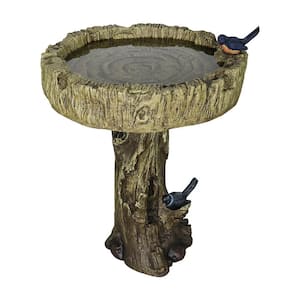
Credit: www.homedepot.com
Promoting Bird Activity
Promoting bird activity is key to creating a lively and healthy bird bath environment. Birds feel safer and more comfortable when their needs are met. This leads to frequent visits and longer stays. Encouraging birds to come and stay benefits local wildlife and enhances your garden’s beauty.
Adding Natural Surroundings
Natural surroundings attract birds by mimicking their habitat. Plant native shrubs and flowers near the bird bath. These provide shelter and resting spots. Use rocks and logs around the bath for perching. This creates a familiar and inviting setting for birds.
Avoiding Predators
Birds avoid areas with predators. Keep the bird bath away from open spaces where cats or hawks can hide. Place it near trees or bushes for quick escape routes. Avoid placing the bath too close to places where predators can easily reach.
Providing Food Sources
Food draws birds to the area. Offer seeds, berries, and suet feeders near the bath. Choose food types that suit local bird species. Keep feeders clean and stocked to maintain bird visits. Food combined with water makes the bird bath a hotspot.
Frequently Asked Questions
What Is A Government Bird Bath?
A government bird bath is a public water feature designed to attract and support local birdlife. It promotes wildlife conservation and community engagement. These baths are typically maintained by local authorities or environmental organizations to provide safe drinking and bathing spots for birds.
How To Apply For A Government Bird Bath Installation?
To apply, contact your local environmental or parks department. Submit a proposal explaining the location and benefits. Follow their specific guidelines and wait for approval. Some regions may require community support or environmental assessments before installation.
What Materials Are Used In Government Bird Baths?
Government bird baths often use durable, weather-resistant materials such as concrete, stone, or metal. These materials ensure longevity and safety for birds. The design usually includes shallow basins and textured surfaces to prevent slipping and ensure easy access for birds.
Are Government Bird Baths Environmentally Friendly?
Yes, government bird baths are environmentally friendly. They support local wildlife by providing clean water sources. Proper maintenance prevents water stagnation and mosquito breeding. They also help raise awareness about wildlife conservation in communities.
Conclusion
The process for a government bird bath is clear and simple. You start by submitting an application with the right documents. Next, officials review your request carefully. After approval, you receive instructions to follow. Patience is key during this waiting period.
Following each step ensures smooth progress. This helps you enjoy your bird bath legally and safely. Understanding the process saves time and avoids mistakes. Keep these steps in mind for a hassle-free experience.




