
Have you ever wished you could get a closer look at the birds visiting your feeder without disturbing them? Bird feeder cameras make this possible, capturing every flutter and chirp right from your own backyard.
But how exactly do these tiny devices work to bring you such clear, up-close views? Understanding their features can help you choose the best one for your birdwatching hobby. Keep reading, and you’ll discover the simple technology behind bird feeder cameras—and how they can transform your outdoor experience.

Credit: www.amazon.ca
How Bird Feeder Cameras Capture Wildlife
Bird feeder cameras provide a unique window into the lives of wild birds. These cameras capture clear images and videos of birds as they visit feeders. This helps bird watchers and nature lovers observe behaviors and species close up. The technology behind these cameras makes capturing wildlife simple and effective.
Types Of Bird Feeder Cameras
Several types of bird feeder cameras are available, each with unique features. Some are small and attach directly to the feeder. Others are larger with adjustable lenses for better zoom. Wireless cameras send live video to phones or computers. Wired models offer steady power and high-quality images. Some cameras include night vision to capture nocturnal wildlife.
Camera Placement And Setup
Proper placement is key to capturing great footage. Cameras should face the feeder without blocking birds’ paths. Positioning the camera at eye level or slightly above works best. Avoid harsh sunlight or deep shadows for clear images. Secure the camera firmly to prevent shaking from wind or birds landing. Many setups use weatherproof housings to protect equipment outdoors.
Motion Detection Technology
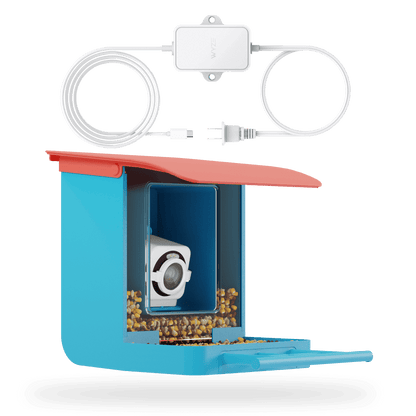
Motion detection triggers the camera to start recording when birds approach. This saves memory and battery by capturing only active moments. Sensors detect movement and heat, activating the camera quickly. Some models allow users to adjust sensitivity to avoid false triggers. This technology ensures no important bird visits are missed.
Credit: ca.wyze.com
Features That Enhance Bird Watching
Bird feeder cameras come packed with features designed to make your bird watching more immersive and detailed. These enhancements let you catch every flutter and chirp with clarity, even when the light fades or you’re not right next to the feeder. Let’s look at the key features that bring the magic of bird watching right to your screen.
High-resolution Imaging
Sharp, clear images reveal the vibrant colors and intricate patterns of birds up close. High-resolution cameras capture fine details, like the texture of feathers or subtle movements, which are often missed by the naked eye.
Imagine spotting a rare bird species in your garden and being able to study its features closely without disturbing it. This clarity makes your bird watching more rewarding and helps with accurate identification.
Night Vision Capabilities
Bird watching doesn’t have to stop when the sun sets. Cameras with night vision allow you to observe nocturnal birds or early morning visitors in low-light conditions.
Infrared sensors provide clear black-and-white images without startling the birds. Have you ever wondered what your garden’s feathered friends do after dark? Night vision answers that curiosity effortlessly.
Live Streaming Options
Watching birds in real time from anywhere adds a whole new layer of engagement. Live streaming lets you share the experience with friends or tune in while at work or on the go.
Some cameras even offer two-way audio, so you can hear bird calls or play sounds to attract specific species. How much more fun would your bird watching be if you could interact and share moments instantly?
Benefits Of Using Bird Feeder Cameras
Using bird feeder cameras opens up a new world of discovery right in your backyard. These devices don’t just capture images—they provide valuable insights and enhance your experience as a bird watcher. Here’s how they can benefit you and your feathered visitors.
Monitoring Bird Behavior
Bird feeder cameras let you observe birds closely without disturbing them. You can watch feeding habits, social interactions, and even nesting activities in real time or through recorded footage. This helps you understand bird routines and spot unusual behaviors that might indicate environmental changes.
Have you noticed how some birds come early in the morning while others prefer late afternoon visits? Cameras reveal these patterns, helping you adjust your feeding times to suit different species.
Identifying Bird Species
Not all birds are easy to identify with the naked eye. Bird feeder cameras capture detailed images and videos that you can review slowly to spot unique markings and colors. This makes it easier to distinguish between similar species and expand your bird knowledge.
Plus, sharing these clear photos with birdwatching communities online can lead to helpful identification tips and new friendships. It’s a simple way to become a part of a larger bird-loving network.
Promoting Backyard Conservation
By using bird feeder cameras, you gain a better understanding of which species visit your area and what they need. This information allows you to create a more bird-friendly environment by planting native plants or providing the right kind of food.
When you see the positive effects of your efforts through the camera, it encourages you to keep improving your backyard habitat. Have you ever thought about how small changes in your garden might impact local wildlife? Bird feeder cameras make that impact visible.
Tips For Getting The Best Footage
Capturing amazing footage of birds at your feeder can be rewarding. With the right tips, you can get clear and vibrant shots. Follow these guidelines to optimize your bird feeder camera setup.
Choosing The Right Feeder Location
Location is key to attracting birds. Place the feeder where birds feel safe. Choose a spot with natural cover like trees or bushes. This offers protection and attracts more birds. Avoid busy areas with lots of human activity. Birds prefer quiet and calm surroundings. Ensure the feeder is visible and not blocked by branches or leaves.
Adjusting Camera Settings
Proper camera settings can enhance your footage quality. Set the resolution to high for clear images. Adjust the focus to capture close-up shots of birds. Use a wide-angle lens if possible. It covers more area and captures more action. Test different settings during the day and adjust for lighting changes. Ensure the camera is stable to avoid shaky footage.
Maintaining Camera Equipment
Regular maintenance keeps your camera in good condition. Clean the lens to prevent dust and smudges. Check the battery level and replace or charge it as needed. Protect the camera from weather elements like rain and sun. Use a waterproof cover if possible. Inspect the camera mount and tighten it to keep the camera secure.
Common Challenges And Solutions
Bird feeder cameras offer a unique view of nature but face some common challenges. These issues can affect video quality and camera function. Finding practical solutions helps keep your camera working well all year.
Dealing With Weather Conditions
Weather changes can impact camera performance. Rain, snow, and strong winds may damage the camera or blur the image. Cameras with waterproof and weatherproof features last longer outdoors. Using a protective cover can shield the lens and body. Placing the camera in a sheltered spot reduces exposure to harsh weather.
Preventing Camera Obstruction
Leaves, bird droppings, or spider webs often block the camera lens. This lowers image clarity and frustrates viewers. Cleaning the lens regularly keeps the view clear. Trim nearby branches to avoid leaves in front of the camera. Installing a small hood above the lens can prevent debris buildup.
Managing Battery Life And Power
Battery life limits how long a camera can record. Power shortages cause missed moments and shutoffs. Use rechargeable batteries to save money and reduce waste. Solar panels provide continuous power in sunny areas. Setting motion-activated recording helps save battery by capturing only when birds appear.

Credit: www.amazon.com
Frequently Asked Questions
How Do Bird Feeder Cameras Capture Clear Images?
Bird feeder cameras use motion sensors to detect bird movement. They activate the lens quickly, capturing sharp and clear photos or videos. High-resolution sensors and proper lighting help maintain image quality even in varied outdoor conditions.
What Features Make Bird Feeder Cameras Effective?
Effective bird feeder cameras have motion detection, night vision, and weather resistance. They offer wireless connectivity for easy monitoring. High-quality lenses and adjustable angles ensure detailed and versatile bird watching experiences.
Can Bird Feeder Cameras Record Videos Continuously?
Most bird feeder cameras record videos only when triggered by motion. This saves storage and battery life. Some models offer continuous recording, but they require more power and memory capacity.
How Do Bird Feeder Cameras Connect To Devices?
Bird feeder cameras typically connect via Wi-Fi or Bluetooth. This allows live streaming and easy photo transfer to smartphones or computers. Some use memory cards for offline storage and later viewing.
Conclusion
Bird feeder cameras help you watch birds up close. They capture clear photos and videos without disturbing birds. These cameras use motion sensors to start recording automatically. You can enjoy bird watching from home anytime. They also help learn about bird behavior and species.
Setting up a camera is easy and fun. Bird feeder cameras bring nature closer to your daily life. A simple way to connect with wildlife and enjoy peaceful moments. Try one and see the birds in a new way.




