
Are you ready to capture stunning photos of birds but don’t know which camera to choose? Finding a good camera for birding can be tricky.
You want clear, sharp images that show every feather and color. But with so many options out there, how do you pick the right one for your needs and budget? Keep reading, and you’ll discover exactly what features to look for and which cameras will help you take your bird photography to the next level.
Your perfect birding camera is closer than you think!
Key Features For Birding Cameras
Choosing the right camera for birding means focusing on features that enhance your ability to capture fast-moving, often distant subjects clearly and quickly. Bird photography challenges your gear with rapid movements, small details, and varying light conditions. Knowing which camera features matter most will help you pick a tool that keeps up with your passion and sharpens your results.
Sensor Size And Resolution
A larger sensor captures more light, which helps in low-light situations like dawn or dusk when birds are most active. Full-frame sensors usually offer better image quality, but APS-C sensors can provide extra reach due to their crop factor—great for photographing distant birds.
Resolution plays a role too. Higher megapixels let you crop tightly without losing detail, essential when you can’t get physically close. But more megapixels also mean larger files and slower processing, so balance is key.
Autofocus Speed And Accuracy
Birds rarely pose, so your camera’s autofocus must be fast and precise. Look for cameras with advanced autofocus systems that track moving subjects reliably. Features like eye-detection autofocus can help keep sharp focus on a bird’s eye, making your shots more engaging.
Have you ever missed a perfect shot because your camera focused on the background? That frustration highlights why autofocus performance is a top priority.
Lens Compatibility
Your camera is only as good as the lenses you can use with it. Telephoto lenses, often 300mm or longer, are essential for birding to bring distant subjects close. Check that the camera supports a wide range of lenses, including third-party options, to suit different budgets and needs.
Also, consider if the camera allows easy use of teleconverters to extend your lens reach without sacrificing too much image quality.
Image Stabilization
Birding often involves handheld shooting or using long lenses, which can magnify camera shake. Cameras with built-in image stabilization reduce blur, letting you shoot sharper images at slower shutter speeds. This feature is especially helpful in low light or when you don’t have a tripod.
Have you noticed how a slight shake ruins an otherwise perfect bird photo? Image stabilization can be a game changer.
Portability And Weight
Birding usually means walking through forests, fields, or wetlands. A lightweight camera setup reduces fatigue and lets you stay out longer. Compact mirrorless cameras with good telephoto lenses can offer a great balance of quality and portability.
Would you rather carry a heavy rig that tires you quickly or a lighter setup that encourages longer, more rewarding sessions?
Weather Sealing
Birds don’t wait for perfect weather. Rain, dust, and humidity are common challenges in the wild. Cameras with weather sealing protect your gear so you can shoot confidently in tough conditions without fear of damage.
This durability means more shooting days and fewer worries, letting you focus on capturing stunning bird moments wherever you are.
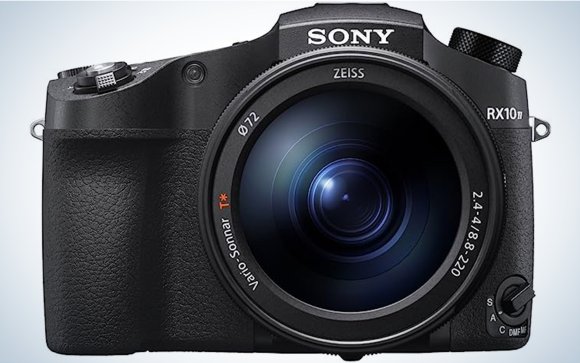
Credit: www.outdoorlife.com
Types Of Cameras For Birding
Choosing the right camera for birding depends on the type of photography you want. Different cameras offer various features. Some focus on image quality, others on portability or zoom power. Understanding the types of cameras helps make a better choice. Here are the main camera types used in birding.
Dslr Cameras
DSLR cameras are popular among bird photographers. They offer excellent image quality and fast autofocus. These cameras use interchangeable lenses, allowing for long telephoto options. DSLRs handle different lighting conditions well. They are usually larger and heavier but provide better control.
Mirrorless Cameras
Mirrorless cameras are lighter and more compact than DSLRs. They also use interchangeable lenses, ideal for bird photography. Mirrorless models have fast shooting speeds and good autofocus. Their electronic viewfinders show real-time image previews. Battery life can be shorter than DSLRs.
Bridge Cameras
Bridge cameras sit between compact and DSLR cameras. They have fixed lenses with powerful zoom ranges. This makes them great for birding without changing lenses. Bridge cameras are easier to carry and use. Image quality is good but not as high as DSLRs or mirrorless.
Compact Cameras
Compact cameras are small and very portable. They are easy to carry on hikes or trips. Some models have decent zoom lenses for bird photography. These cameras suit beginners or casual bird watchers. Image quality and zoom range are limited compared to other types.
Top Dslr Cameras For Birding
Choosing the right DSLR camera can make a huge difference in your birding experience. The perfect camera not only captures sharp images but also helps you react quickly to fast-moving birds. Here’s a look at some top DSLR cameras tailored for birding, from high-end to budget-friendly options.
High-end Options
If you want the best quality and performance, investing in a high-end DSLR is worth considering. These cameras offer fast autofocus, high frame rates, and excellent image quality—essentials for capturing birds in flight or low light.
- Nikon D500:Known for its incredible autofocus system and fast continuous shooting at 10 frames per second, this camera handles action shots with ease. Its crop sensor also gives extra reach with telephoto lenses.
- Canon EOS-1D X Mark III:A powerhouse for professionals, it boasts superb autofocus, impressive low-light performance, and a robust build for tough outdoor conditions.
- Sony A99 II:Though a bit older, this full-frame DSLR offers great image quality and excellent tracking autofocus, making it a solid choice for serious birders.
Have you noticed how quickly birds can change direction? These high-end cameras help you keep up without missing a shot.
Budget-friendly Models
Not everyone needs or can afford a top-tier DSLR. Fortunately, there are budget-friendly models that still deliver great results for birding enthusiasts.
- Nikon D5600:Offers a good balance of image quality and ease of use, with a responsive autofocus system and a lightweight body, perfect for beginners.
- Canon EOS Rebel T7i (800D):Known for its user-friendly interface and solid autofocus, it’s an excellent entry point without sacrificing performance.
- Pentax K-70:Weather-sealed and rugged, this camera is ideal if you often shoot in challenging outdoor environments on a budget.
Choosing a budget model doesn’t mean you have to compromise on capturing stunning bird photos. What features matter most to you when selecting your camera?
Best Mirrorless Cameras For Bird Photography
Selecting a good camera for birding involves finding a mirrorless model with fast autofocus and high-quality zoom. Popular choices include cameras with excellent image stabilization and lightweight design, perfect for capturing birds in motion. Look for a model that offers versatile lens options for different bird photography needs.
Capturing the delicate beauty of birds requires a camera that’s both powerful and portable. Mirrorless cameras have emerged as a favorite among birding enthusiasts. They offer the perfect blend of lightweight design and superior image quality. Whether you’re a seasoned professional or just starting out, finding the right mirrorless camera can transform your bird photography experience.Professional Choices
For those seeking top-tier performance, the Sony A9 II is a standout. Its lightning-fast autofocus and silent shooting mode make it ideal for capturing birds in flight without disturbing them. You’ll appreciate its robust build and weather-sealed body when shooting in unpredictable outdoor conditions. The Canon EOS R5 is another exceptional choice. It delivers stunning image resolution and has impressive image stabilization, crucial for sharp shots during handheld shooting. Its advanced tracking capabilities ensure you won’t miss a moment, even with the most elusive birds.Affordable Alternatives
If you’re budget-conscious, the Fujifilm X-T4 offers great value. It combines excellent image quality with versatile shooting modes, perfect for those learning the ropes. Its compact design doesn’t compromise on performance, making it easy to carry on long treks. Consider the Nikon Z50 if you’re looking for a cost-effective option. It features an intuitive interface and offers a good balance of speed and quality. You’ll find its lightweight frame beneficial for spontaneous birding adventures. Choosing the right camera can make all the difference in your bird photography journey. What features matter most to you when selecting a camera? Let your priorities guide you as you explore these mirrorless marvels.Recommended Bridge Cameras
Recommended bridge cameras offer a perfect balance between the powerful zoom of DSLRs and the simplicity of compact cameras. They suit birders who want quality images without carrying heavy gear. Choosing the right bridge camera can enhance your birding experience, making those distant feathered friends appear vividly detailed.
Zoom Capabilities
Zoom is crucial for birding because birds often keep their distance. Bridge cameras usually provide impressive optical zoom ranges, sometimes up to 60x or more. This lets you capture close-up shots of birds without disturbing them.
Consider the Nikon Coolpix P1000, which features a 125x zoom lens. It’s perfect for spotting small birds perched high or far away. But remember, higher zoom means you’ll need steady hands or a tripod to avoid blurry shots.
Ease Of Use
As you focus on your feathered subjects, the last thing you want is complicated camera settings. Bridge cameras are designed with user-friendly interfaces, making it easy to adjust settings on the fly.
Many models include automatic modes that help you get clear shots even if you’re new to photography. Plus, features like touchscreen controls and quick access buttons speed up your shooting process in the field.
Essential Lenses For Birding
Choosing the right lenses is crucial for birding photography. The lens you pick can make the difference between capturing sharp, detailed images and missing the perfect shot. Let’s break down the essential lenses you should consider for your birding adventures.
Telephoto Lenses
Telephoto lenses bring distant birds closer, allowing you to capture fine details without disturbing them. A focal length of 300mm or more is usually ideal for birding, as it helps fill the frame with your subject.
From my experience, a 400mm lens gave me sharp images even when birds were perched far away. It’s also easier to isolate the bird from busy backgrounds, making your photos cleaner and more striking.
Prime Vs Zoom Lenses
Prime lenses have a fixed focal length, offering superior image quality and wider apertures. Zoom lenses give you flexibility to adjust framing quickly, which is handy when birds move unpredictably.
If you value sharpness and low-light performance, a prime lens like a 400mm f/2.8 can be a game-changer. But if you want versatility in the field, a 100-400mm zoom lens lets you adapt to different distances without swapping gear constantly.
Lens Aperture Importance
A wider aperture (lower f-number) lets more light in, helping you shoot faster shutter speeds to freeze bird movement. It also creates a beautiful background blur that highlights your subject.
Birds don’t wait around, so a lens with f/4 or wider aperture makes a big difference when lighting isn’t perfect. Have you noticed how some bird photos pop with creamy backgrounds? That’s the power of a good aperture.
Accessories To Enhance Birding Shots
Having the right camera is just one part of capturing stunning bird photos. Accessories play a crucial role in enhancing your shots by adding stability, better lighting, and control. These tools help you get closer to the action without disturbing the birds, making your photography more precise and enjoyable.
Tripods And Monopods
Steady shots are essential for bird photography because birds move quickly and often in low light. A tripod provides firm support, eliminating camera shake during long waits or slow shutter speeds. Monopods offer more mobility while still giving enough stability when you need to follow a bird’s flight.
Think about your typical birding environment: Are you hiking through dense forests or standing on open plains? Your choice between a tripod and monopod depends on how much gear you want to carry and how quickly you need to move.
External Flashes
Natural light can be unpredictable, especially in shaded areas or early mornings. An external flash adds controlled light without startling your subjects when used carefully. Some flashes allow you to bounce the light off surfaces, creating softer, more natural lighting that highlights feathers and colors.
Have you noticed how bird feathers reflect light differently at certain angles? Using an external flash gives you the power to manage these reflections and capture vibrant details that your camera’s built-in flash can’t achieve.
Remote Shutters
Remote shutters let you take photos without touching your camera, reducing vibrations that blur your shots. This is particularly useful when using heavy telephoto lenses or when your camera is mounted on a tripod in a quiet spot. Some remotes even allow you to trigger the shutter from a distance, letting you stay hidden and avoid scaring the birds away.
Imagine waiting silently for a rare bird to land nearby—wouldn’t it be better if you didn’t have to move at all to snap the perfect shot? A remote shutter gives you that advantage, helping you capture more natural and sharp images.
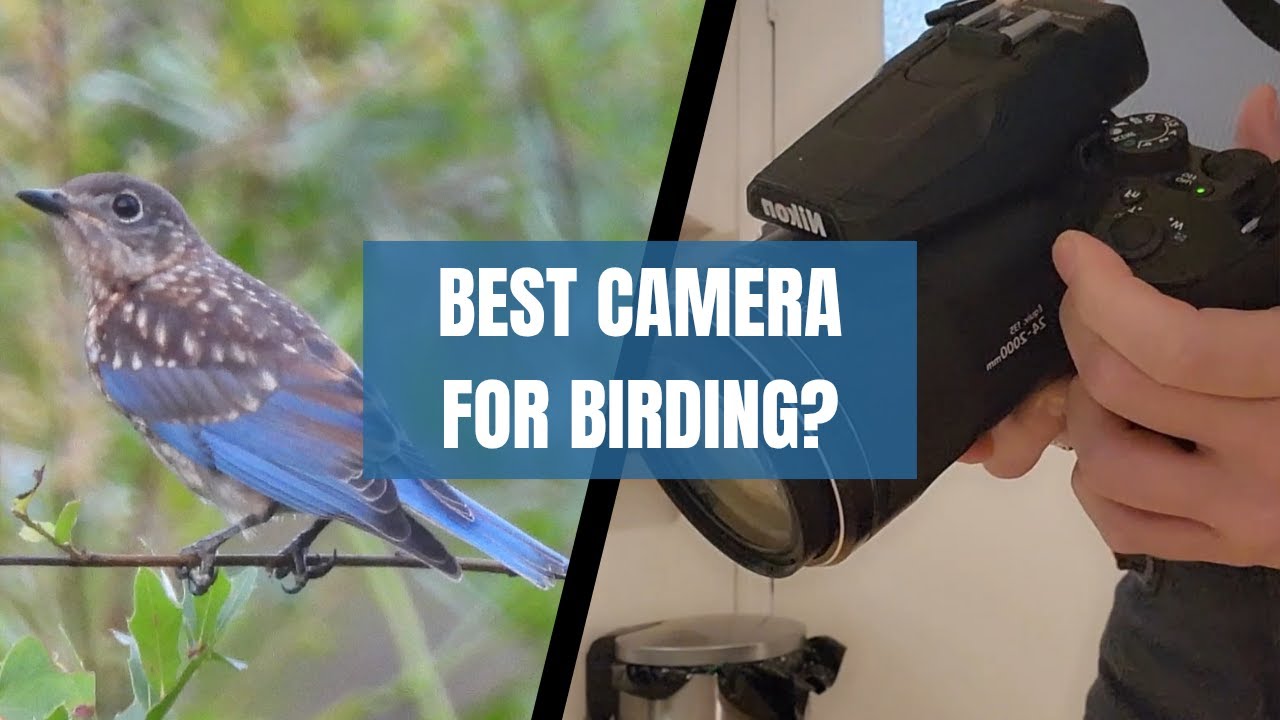
Credit: www.youtube.com
Tips For Capturing Stunning Bird Photos
Capturing stunning bird photos requires more than just a good camera. Your technique, timing, and understanding of settings play crucial roles. Let’s dive into practical tips that can elevate your bird photography and help you create images that truly stand out.
Optimal Settings
Use a fast shutter speed to freeze motion—birds rarely stay still. Aim for at least 1/1000 second to avoid blur. Adjust your ISO to keep the image bright without adding too much noise; start around ISO 400 and increase if the light is low.
Set your camera to continuous autofocus mode. This helps keep the bird sharp even when it moves quickly. Use burst mode to take several shots in a row, increasing your chances of capturing the perfect moment.
Patience And Timing
Birds don’t pose, so waiting quietly is key. Find a spot where birds often visit and stay still for extended periods. Early morning or late afternoon offers softer light and more bird activity—have you noticed how birds behave differently during these times?
Watch for natural behavior like feeding or preening. These moments add life to your photos and tell a story. Sometimes, waiting calmly for a long time pays off with a shot that no quick click could capture.
Composition Techniques
Place the bird off-center using the rule of thirds to create a balanced photo. Leave space in the direction the bird is looking or flying to add a sense of motion. Think about the background—clear, uncluttered backgrounds make your subject pop.
Try different angles—eye level shots often connect better with viewers. Don’t be afraid to zoom in tightly on interesting details like feathers or eyes. How can you use light and shadows to add depth or highlight textures in your bird photos?

Credit: photographyconcentrate.com
Frequently Asked Questions
What Camera Features Are Best For Birding Photography?
A good birding camera has fast autofocus, high zoom, and good image stabilization. It should perform well in low light and have quick burst shooting. These features help capture sharp, detailed bird images in various conditions.
Is A Dslr Or Mirrorless Camera Better For Birding?
Mirrorless cameras are lighter and offer faster autofocus, ideal for birding. DSLRs have longer battery life and often better lens options. Choose based on your preference for weight, lens availability, and shooting speed.
How Important Is Lens Quality For Bird Photography?
Lens quality is crucial; a telephoto lens with at least 300mm zoom is ideal. Sharp optics and image stabilization improve detail and reduce blur. Investing in a good lens enhances your birding photos significantly.
Can I Use A Smartphone Camera For Birding?
Smartphones can work for casual birding but lack zoom and autofocus speed. Dedicated cameras offer better image quality and flexibility for serious bird photographers. Use smartphones only for quick, easy shots.
Conclusion
Choosing the right camera helps capture birds clearly and beautifully. Focus on features like zoom, image quality, and ease of use. A good camera makes birding more enjoyable and rewarding. Remember, practice and patience improve your photos over time. Happy birding and capturing nature’s wonders!




