
Have you ever wondered how your car seems to have eyes all around it? The Bird’s Eye Camera is the secret behind that amazing view.
It gives you a complete picture of what’s happening around your vehicle, making parking and driving safer and easier. But how exactly does this clever system work? Keep reading, and you’ll discover how your car’s Bird’s Eye Camera combines multiple views into one clear image, helping you avoid obstacles and drive with confidence every time.

Credit: www.rearviewsafety.com
Bird’s Eye Camera Basics
Understanding the basics of a bird’s eye camera system is key to appreciating how it helps you navigate tight spots with ease. This technology gives you a unique, all-around view of your car, making parking and maneuvering safer and less stressful. Let’s break down what exactly a bird’s eye camera is and what makes it work.
What Is A Bird’s Eye Camera?
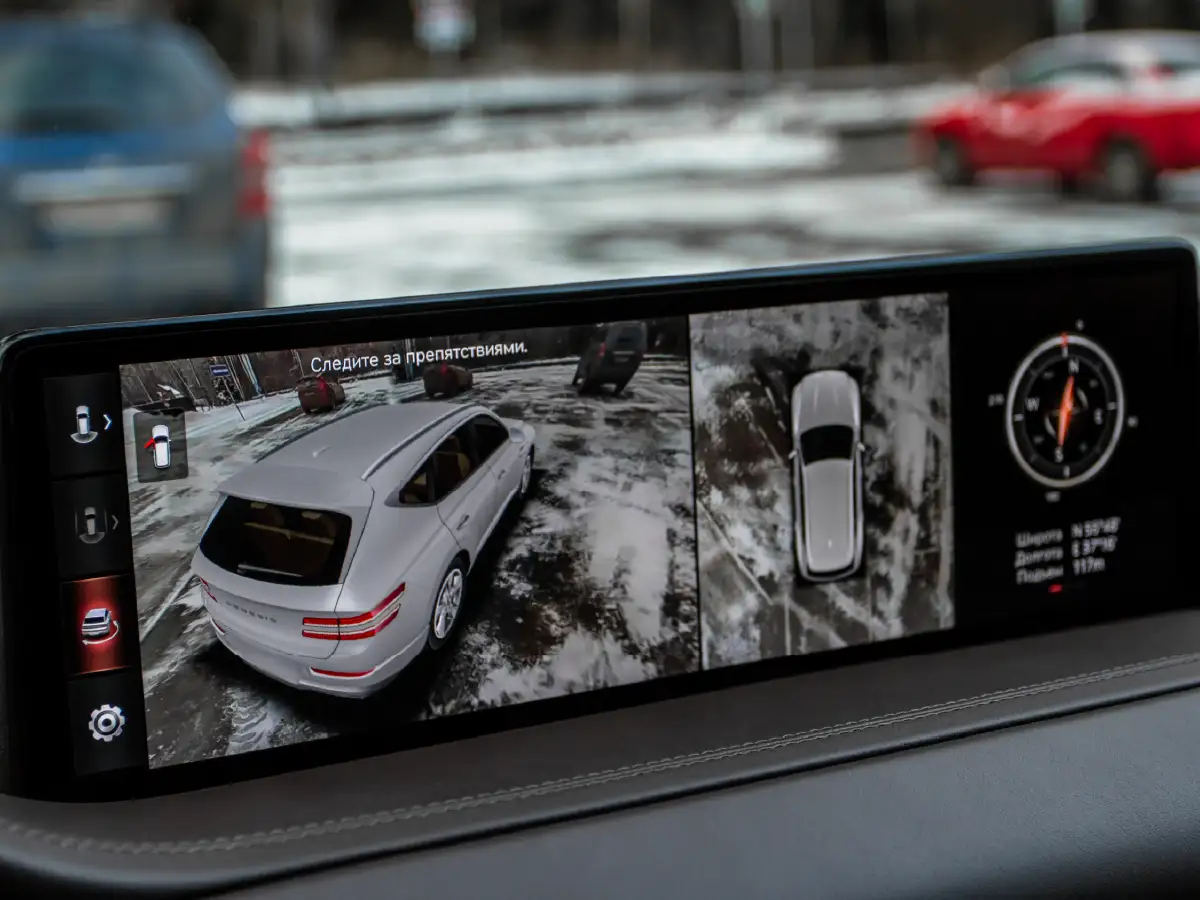
A bird’s eye camera, also known as a surround-view or 360-degree camera, provides a top-down view of your vehicle and its surroundings. It stitches together images from multiple cameras placed around the car to create one seamless, overhead picture.
Imagine having eyes on all sides of your car at once. This system eliminates blind spots, so you can spot obstacles you might miss with just your mirrors or rearview camera.
Key Components
The bird’s eye camera system relies on several key parts working together:
- Cameras:Usually four or more wide-angle cameras are mounted on the front, rear, and sides of the vehicle.
- Image Processor:This central unit combines the different camera feeds into one single image.
- Display Screen:The stitched image is shown on your dashboard screen, allowing you to see your car’s surroundings from above.
- Sensors and Software:These help adjust the images to correct any distortions and provide real-time updates as you move.
When I first used a car with this system, I was amazed at how it made parking in a crowded lot so much simpler. Have you ever felt unsure about how close you are to the curb or another car? This technology answers that question clearly and instantly.
Credit: www.cars24.com
How The System Captures Images
Understanding how a bird’s eye camera system captures images is key to appreciating its value in modern driving. This system provides a complete 360-degree view around your vehicle by cleverly combining images from several cameras. Let’s take a closer look at where these cameras sit on your car and how their images come together to form one seamless view.
Camera Placement On Vehicles
The cameras are strategically placed around your car to cover every angle. You’ll find one on the front grille, giving a clear view of the road ahead. Another camera is mounted on the rear, usually near the license plate, capturing everything behind your vehicle.
Side mirrors also hide cameras to monitor the areas beside your car. This setup ensures no blind spots remain, which can be a lifesaver in tight parking spots or busy streets. Have you ever wondered how your car knows exactly what’s around it without turning your head?
Image Stitching Process
Once the cameras capture their individual shots, the system stitches these images together in real time. This process uses software that aligns the edges of each picture, correcting any distortions caused by wide-angle lenses. The result is a smooth, continuous overhead view as if you were looking down from above.
Think of it as piecing together a puzzle instantly, where each camera’s image is a puzzle piece. This stitched image updates dynamically as you move, giving you an accurate sense of your surroundings. How often do you rely on this view when parking or navigating tight spaces?
Technology Behind The View
The bird’s eye camera system gives drivers a clear view around the car. It uses a mix of cameras and smart tech. This system helps avoid blind spots and makes parking safer. The technology behind this view is both clever and precise.
Wide-angle Lenses
Each camera on the car has a wide-angle lens. These lenses capture a broad area, including sides and rear. They take images that cover almost 180 degrees. This wide view helps show objects near the car.
The lenses reduce blind spots. They create images that overlap slightly. This overlap is important for stitching the views together smoothly.
Software Algorithms
Software algorithms combine images from all cameras. They process and blend the pictures into one seamless view. This creates the “bird’s eye” effect, showing the car from above.
The software corrects lens distortion. It adjusts angles so the view looks natural. It also updates the image in real time as the car moves.
Advanced algorithms detect obstacles and highlight them. This makes it easier to spot dangers around the car. The system runs fast to give instant feedback to the driver.
Benefits For Drivers
Bird’s eye cameras offer numerous benefits for drivers. They enhance the driving experience significantly. These cameras provide a 360-degree view around the car. This helps drivers in various ways. From parking to ensuring safety, the advantages are clear.
Enhanced Parking Assistance
Parking can be stressful for many drivers. Bird’s eye cameras simplify this task. They display a full view of the surroundings. Drivers see all obstacles clearly. This reduces the chances of accidental bumps.
The camera helps with tight parking spaces. It guides the driver with precision. Parallel parking becomes less daunting. This results in fewer parking-related mishaps.
Improved Safety
Safety is a top priority for all drivers. Bird’s eye cameras play a big role here. They reveal blind spots effectively. Drivers gain a better view of the immediate area.
This is crucial during lane changes. It helps in avoiding collisions with unseen vehicles. Pedestrians and cyclists are more visible too. This reduces the risk of accidents significantly.
Drivers feel more confident with this technology. It ensures a safer driving environment for everyone.
Limitations And Challenges
The bird’s eye camera system offers a unique view around the car. It helps drivers park and avoid obstacles. Despite its benefits, the system faces some limits and challenges. These can affect the image quality and overall performance. Understanding these issues helps users set the right expectations.
Image Distortion Issues
The bird’s eye view combines images from several cameras. Each camera has a wide-angle lens to capture more area. This lens causes image distortion at the edges. Objects can look stretched or curved. This distortion may confuse drivers about the actual size or distance of objects.
Software tries to correct this distortion. But the correction is not always perfect. Small errors can remain, especially near the corners. These errors may make the view less accurate. Drivers should be aware of this and rely on direct sight as well.
Performance In Adverse Conditions
Weather conditions can reduce the camera’s effectiveness. Rain, fog, snow, or dirt can blur the lenses. This blur lowers image clarity and detail. Cameras may also struggle in very bright or low light. Glare from the sun or headlights can create spots or shadows.
Cold weather can cause lenses to fog up or freeze. This further blocks the camera’s view. Because the system depends on clear images, these conditions limit its reliability. Regular cleaning and maintenance help but do not solve all problems.
Integration With Other Systems
The bird’s eye camera system does not work alone. It connects with other car systems to give drivers a complete view. This integration improves safety and ease of driving. The system communicates with sensors and driver aids to offer real-time information.
Connection With Parking Sensors
Parking sensors detect objects near the car. The bird’s eye camera combines these sensor signals with video images. This link helps show exact distances around the vehicle. Drivers see obstacles clearly on the screen. This reduces the risk of hitting objects while parking.
The system alerts drivers with sounds or visuals. It warns about nearby objects even in blind spots. The camera view and sensors work together smoothly. This cooperation improves parking accuracy and confidence.
Role In Advanced Driver Assistance
The bird’s eye camera supports many driver assistance features. It feeds data to systems like automatic braking and lane keeping. The camera helps detect lanes, pedestrians, and other vehicles. This data allows the car to react faster to dangers.
Advanced driver aids use the camera to monitor surroundings continuously. This constant watch helps prevent accidents. The bird's eye view enhances the car’s awareness beyond human vision. It is key in making driving safer and easier.
Future Developments
The bird’s eye camera system is evolving rapidly. New technologies will make these systems smarter and more useful for drivers. Future developments will focus on clearer images and better integration with car systems. These changes will improve safety and convenience on the road.
Improved Image Processing
Future bird’s eye cameras will use better image processing technology. Cameras will capture sharper and brighter images, even in low light. Advanced software will merge images from multiple cameras more smoothly. This will create clearer, more accurate 360-degree views around the car. Drivers will see obstacles and surroundings more easily. The system will also reduce blind spots effectively.
Integration With Autonomous Driving
Bird’s eye cameras will play a bigger role in self-driving cars. These cameras will work with sensors and radar to guide the vehicle. The system will help the car understand its environment better. It will detect other vehicles, pedestrians, and objects in real time. This data will help autonomous cars make safer driving decisions. The integration will lead to smoother and safer automated driving experiences.

Credit: www.teslaownersonline.com
Frequently Asked Questions
How Does A Bird’s Eye Camera Improve Car Safety?
A bird's eye camera provides a 360-degree view around the car. It helps drivers avoid blind spots and obstacles. This reduces accidents while parking and maneuvering in tight spaces. The camera system enhances overall vehicle safety by improving spatial awareness.
What Technology Powers Bird’s Eye Cameras In Cars?
Bird’s eye cameras use multiple wide-angle cameras placed around the vehicle. These cameras capture images that are stitched together by software. The result is a seamless overhead view, aiding drivers in navigation and parking. Advanced algorithms ensure real-time, clear video display.
Can Bird’s Eye Cameras Work In Low Light Conditions?
Yes, many bird’s eye cameras feature night vision or infrared sensors. These technologies improve visibility in low-light or dark environments. They ensure the driver has a clear, detailed view even at night or in poor lighting. This enhances safety during nighttime driving.
Are Bird’s Eye Cameras Standard In All Car Models?
No, bird's eye cameras are typically available in mid to high-end car models. They may be offered as optional features or part of advanced safety packages. As technology advances, more models are integrating this feature for improved safety and convenience.
Conclusion
The bird’s eye camera helps drivers see all around the car. It uses several cameras to create one clear view. This view shows obstacles and helps with parking. Drivers feel safer and more confident using this system. It makes tight spots easier to navigate.
The technology keeps improving, making driving simpler and safer. Many cars now include this helpful feature. Understanding how it works can help you use it better. A small tool with big benefits for every driver.




