
Are you wondering if you can put apple cider vinegar in your bird bath? You want to keep your feathered visitors safe and happy, but also clean the water naturally.
It’s easy to get confused about what’s safe for birds and what isn’t. This article will help you understand if apple cider vinegar is a good choice for your bird bath and how to use it properly. Keep reading to make sure your bird bath stays a refreshing and safe spot for your backyard friends.
Why Use Apple Cider Vinegar In Bird Baths
Wondering if apple cider vinegar has a place in your bird bath routine? It’s more than just a kitchen staple. Apple cider vinegar offers simple, natural benefits that can keep your bird bath clean and welcoming for your feathered friends.
Natural Cleaning Agent
Apple cider vinegar works as a gentle cleaner without harsh chemicals. It breaks down dirt and algae that build up in bird baths. Just a small amount diluted in water can help you scrub away grime effectively.
Using apple cider vinegar means avoiding toxic substances that could harm birds. It’s safe to use regularly and helps maintain a fresh environment. Have you tried natural solutions before, or are you still relying on traditional cleaners?
Repelling Pests Safely
Keeping pests like mosquitoes and ants away from your bird bath is crucial. Apple cider vinegar’s strong scent naturally repels many unwanted insects. This keeps the water cleaner and more appealing to birds.
You won’t have to worry about harmful chemicals affecting wildlife. Simply adding a bit of apple cider vinegar to the water or surrounding area can reduce pest problems. Isn’t it great when a simple, safe ingredient does double duty?
Potential Risks For Birds
Adding apple cider vinegar (ACV) to your bird bath might seem like a natural way to keep the water fresh. However, it’s important to consider the potential risks this could pose to the birds that visit. Understanding these risks helps you make safer choices for your feathered friends.
Effect On Bird Health
Apple cider vinegar is acidic, and even a small amount can change the water’s pH level significantly. Birds are sensitive to changes in their environment, and acidic water might irritate their skin, eyes, or digestive systems.
Some bird species may avoid the bath altogether if the water smells or tastes unusual. This could reduce their access to clean drinking water, which is essential during hot weather.
Have you noticed birds skipping your bath after adding anything unusual? That’s a sign they might be reacting negatively.
Impact On Bird Bath Materials
ACV’s acidity doesn’t just affect birds; it can also wear down the materials of your bird bath. Stone, concrete, and metal baths might corrode or develop surface damage over time.
This damage can create rough spots or cracks where bacteria and algae thrive, making the bath less sanitary. Plastic baths might also degrade or discolor faster when exposed to vinegar regularly.
Consider whether your bird bath’s material can handle acidic substances before adding anything to the water. Protecting your bird bath ensures it remains a safe and inviting spot for wildlife.
Safe Ways To Use Apple Cider Vinegar
Using apple cider vinegar in your bird bath can be a natural way to keep it clean and fresh. However, it’s important to use it safely to avoid harming the birds or damaging the bath itself. Let’s look at how you can use apple cider vinegar effectively without any risks.
Proper Dilution Ratios
Apple cider vinegar is acidic, so you must dilute it before adding it to your bird bath. A safe ratio is about one part apple cider vinegar to ten parts water. This balance helps maintain cleanliness while being gentle enough for birds to drink from.
Using stronger concentrations can irritate birds’ skin and feathers or even harm their health. You might start with a smaller amount and observe how the birds react before making it a regular practice. Have you noticed how sensitive birds can be to changes in their environment?
Application Techniques
Instead of pouring vinegar directly into the bird bath, try mixing it with water in a separate container first. Then, pour the diluted solution into the bath to ensure even distribution. This method reduces the risk of concentrated spots that could upset the birds.
Cleaning your bird bath with the vinegar solution once a week can prevent algae and bacteria buildup. Use a soft brush to scrub gently, then refill with fresh water and the diluted vinegar mix. This routine keeps the water safe and inviting for your feathered visitors.

Credit: www.yahoo.com
Alternatives To Apple Cider Vinegar
Bird baths need safe, gentle cleaning options. White vinegar or lemon juice work well as mild, natural alternatives to apple cider vinegar. Avoid strong chemicals to keep birds safe and happy.
If you’re looking for alternatives to apple cider vinegar for your bird bath, you’re in luck. There are several options that are both safe and effective. These alternatives ensure your feathered friends can enjoy a clean and inviting space without any harm. Let’s dive into these bird-friendly solutions.Bird-safe Cleaning Solutions
Using bird-safe cleaning solutions is essential for maintaining your bird bath. Baking soda is a great option. Simply mix it with water to form a paste, scrub the bath, and rinse thoroughly. Another safe choice is white vinegar. It’s non-toxic and can effectively clean the bird bath. Mix equal parts of water and vinegar, scrub, and rinse well.Natural Pest Deterrents
Keeping pests away from your bird bath can be a challenge, but nature provides solutions. Consider adding a few drops of peppermint oil around the base of the bird bath. The scent deters pests without harming birds. You can also use cinnamon powder as a natural pest deterrent. Sprinkle a small amount around the bird bath to keep insects at bay. What other natural solutions have you tried? Share your experiences and help others keep their bird baths safe and clean!Maintaining A Healthy Bird Bath
Maintaining a healthy bird bath is essential for attracting birds and keeping them safe. Clean water encourages birds to visit regularly, while dirty or stagnant water can pose health risks. You might wonder how often you should clean your bird bath or what kind of water is best for your feathered friends.
Regular Cleaning Schedule
Cleaning your bird bath frequently prevents algae buildup and harmful bacteria. Aim to scrub it out at least once a week using a stiff brush and mild soap. Rinse thoroughly to remove all soap residue—birds are sensitive to chemicals.
During hot weather, clean it more often since water evaporates faster and contaminants concentrate. I once skipped a cleaning for two weeks and noticed fewer birds visiting. Keeping a simple calendar reminder can help you stick to a routine.
Water Quality Tips
Fresh water is key to a healthy bird bath. Use tap water if it’s safe in your area, but avoid softened or chlorinated water when possible. Rainwater is ideal and free from chemicals.
If you add anything to the water, be cautious. Some people ask if apple cider vinegar is safe to add—it’s best to avoid it since it can alter the pH and might harm birds. Instead, change the water daily or every other day during warm seasons.
Consider placing your bird bath in a shady spot to slow algae growth and keep water cooler. Have you noticed birds staying longer in baths with cooler water? This small change can make a big difference in attracting more visitors.

Credit: www.youtube.com
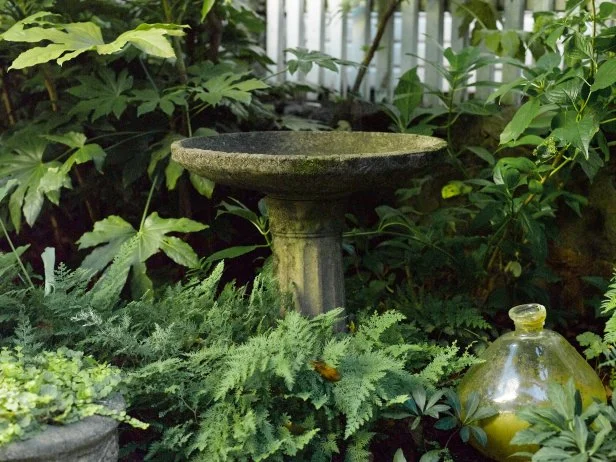
Credit: www.hgtv.com
Frequently Asked Questions
Can I Safely Add Apple Cider Vinegar To My Bird Bath?
Yes, you can add a small amount of apple cider vinegar to your bird bath. It helps keep the water clean and prevents algae growth without harming birds. Use about one tablespoon per gallon of water to maintain a safe, natural environment.
Does Apple Cider Vinegar Repel Birds From Bird Baths?
No, apple cider vinegar does not repel birds. It gently cleans the water and discourages harmful bacteria. Birds continue to visit and drink normally, making it a safe additive for maintaining a healthy bird bath.
How Often Should I Add Apple Cider Vinegar To Bird Baths?
Add apple cider vinegar weekly to keep the water fresh. Regular use prevents algae and bacteria buildup. This simple routine ensures a clean and safe water source for your feathered visitors.
Can Apple Cider Vinegar Harm Birds In Bird Baths?
When used in small amounts, apple cider vinegar is safe for birds. It is a natural cleaner that does not irritate or poison them. Avoid using concentrated vinegar, as it can be too strong for birds.
Conclusion
Apple cider vinegar can help keep your bird bath clean and fresh. Use it in small amounts mixed with water. Avoid strong vinegar smells that might scare birds away. Clean the bird bath regularly for the best results. Healthy water means happy birds visiting your yard.
Simple steps make a big difference in bird care. Try it carefully and watch the birds enjoy. Keep nature close and your bird bath safe.




