
Having a bird fluttering around inside your home can quickly turn from a surprising moment into a stressful challenge. You might feel unsure about how to guide it outside safely without causing harm to yourself or the bird.
If this sounds familiar, you’re in the right place. This article will show you simple, effective steps to get rid of a bird in your house—calmly and quickly. By the end, you’ll know exactly what to do to restore peace to your space and keep both you and the bird safe.
Keep reading to find out how!
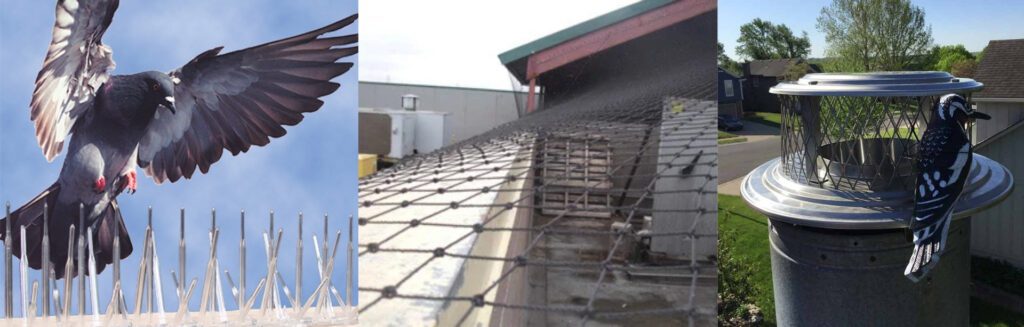
Credit: www.modernexteriorroofing.com
Reasons Birds Enter Homes
Birds can sometimes find their way inside houses. They do not mean harm but can cause a lot of noise and mess. Understanding why birds enter homes helps prevent these visits. Common reasons include searching for food, shelter, or a place to nest. Birds may also get confused by reflections or open doors and windows. Identifying these reasons is key to keeping birds outside where they belong.
Common Entry Points
- Open windows and doors
- Chimneys and vents
- Gaps in roofs or eaves
- Broken screens on windows
- Pet doors left open
Birds often use these openings to fly inside. Some entry points are hard to see. Regular home checks can find and seal these gaps.
Attractive Indoor Features
- Bright lights that attract insects
- Houseplants that mimic natural habitats
- Food crumbs or open food containers
- Warm areas near heaters or sunny windows
- Indoor water sources like pet bowls
Birds look for food, water, and shelter. These indoor features can draw them in. Keeping these areas clean and closed helps avoid visits.
Signs Of A Bird Inside
Noticing a bird inside your house can be unsettling. Before you act, it’s important to recognize the signs that confirm a bird’s presence. Spotting these early clues helps you respond quickly and safely, avoiding damage or stress for both you and the bird.
Sounds To Listen For
Birds trapped indoors often make distinct noises. You might hear soft fluttering or wings beating against walls and windows. Listen for sudden chirps or tweets that don’t belong to outdoor birds—these sounds can reveal a hidden visitor.
Have you ever heard a persistent tapping or scratching noise in the ceiling or behind furniture? That could be a bird trying to find its way out or searching for a nesting spot. Pay close attention to sounds during quiet moments, especially at dawn or dusk when birds are most active.
Visible Clues
Look around for feathers scattered near windowsills, vents, or corners. Feathers can tell you not only that a bird is inside but also where it might be hiding. Keep an eye on small movement or shadows darting across walls or ceilings.
Check for smudges or droppings on furniture, floors, or window ledges. These marks often go unnoticed but are clear signs of a bird’s presence. Have you seen sudden bursts of dust or debris falling from vents or light fixtures? That might indicate a bird nesting in hidden spaces.
Safe Ways To Remove Birds
Removing a bird from your home can be tricky, but keeping the process safe for both you and the bird is crucial. Sudden moves or harsh actions may scare the bird, causing it to injure itself or damage your property. Instead, use calm and gentle techniques that guide the bird toward freedom without stress.
Opening Windows And Doors
Start by opening all windows and doors that lead outside. This creates natural escape routes and encourages the bird to leave on its own. Make sure any screens are removed or opened wide enough for the bird to fly through easily.
Turn off ceiling fans and close interior doors to prevent the bird from getting trapped in other rooms. If you can, dim the indoor lights and increase outdoor light by opening curtains or blinds. This contrast helps the bird locate the exit more quickly.
Using Gentle Guides
If the bird hesitates, gently guide it toward the exit using soft movements. You can use a broom or towel to slowly direct the bird without touching it. Avoid swinging or waving aggressively; steady, calm gestures work best.
Try to stay quiet and avoid sudden noises that might panic the bird. Talking softly or clapping lightly can sometimes help the bird understand where to go. Have you noticed how animals respond better when you stay calm and patient?
Creating A Clear Exit Path
Remove obstacles near exits to make the bird’s flight path easy and stress-free. Clear furniture, decorations, or hanging objects that could confuse or block the bird. The clearer the path, the faster it can find its way out.
Also, ensure that pets or children are kept away during the removal process. Their presence might scare the bird and cause it to fly erratically. A calm and quiet environment gives the bird the best chance to leave safely.
Preventing Future Bird Intrusions
Sealing entry points helps stop birds from coming inside again. Keep windows and doors closed or screened to block access. Removing food and nesting spots also discourages birds from returning.
Preventing birds from entering your home again is crucial. It saves you from future stress and potential damage. Birds often find ways into homes through small gaps. By addressing these areas, you can maintain a bird-free environment.Sealing Entry Points
Birds enter through small openings. Inspect your home thoroughly. Look for gaps in windows and doors. Check for holes in walls and roofs. Use caulk or weatherstripping to seal these gaps. Ensure vents have screens to block entry. Regular maintenance keeps these barriers strong.Removing Food Sources
Birds are attracted to food. Make sure to keep food sealed. Store pet food in airtight containers. Clean up crumbs and spills promptly. Avoid leaving fruit or vegetables out. Secure your trash cans tightly. A clean area deters hungry birds.Installing Deterrents
Deterrents discourage birds from approaching. Consider using visual repellents like shiny objects. Hanging CDs or foil strips can be effective. Use sound devices that emit bird distress calls. Install fake predators like owls or hawks. Motion-activated sprinklers can also scare birds away. Choose deterrents suitable for your area.When To Call Professionals
Knowing when to call professionals is crucial when you have a bird trapped in your house. Sometimes, the situation might seem manageable, but certain signs indicate that expert help is necessary. Recognizing these signs early can save you stress and prevent harm to both you and the bird.
Signs You Need Help
If the bird keeps flying into windows or walls repeatedly, it may be injured or disoriented. You might notice droppings or feathers scattered around, which can signal distress or sickness. A bird that hides in hard-to-reach places, like inside vents or chimneys, can be very difficult to remove safely on your own.
Also, if you’re allergic to bird feathers or droppings, or if the bird acts aggressively, it’s better to avoid direct contact. Have you tried everything from opening windows to gently guiding the bird out, but it just won’t leave? These are clear indicators that it’s time to reach out for professional support.
What Experts Can Do
Professionals use specialized equipment to safely capture and remove birds without causing them harm. They understand bird behavior and can identify if the bird is injured or carrying diseases that need attention.
They also know how to inspect your home to find entry points and recommend ways to seal them, preventing future visits. Calling experts can save you time and reduce the risk of property damage or personal injury. Have you considered how much easier the process could be with someone who handles this every day?
Credit: www.wildliferemoval.com

Credit: emktermitepest.com.au
Frequently Asked Questions
How Do I Safely Catch A Bird Indoors?
To catch a bird safely, use a lightweight cloth or towel. Approach calmly to avoid scaring it. Slowly cover the bird, then gently hold it. Release it outside immediately to prevent stress and injury.
What Attracts Birds Inside The House?
Birds enter houses due to open windows, food crumbs, or indoor plants. Bright light and reflections can also lure them inside. Sealing entry points and keeping food sealed help prevent birds from entering.
How Can I Encourage A Bird To Leave My House?
Open windows and doors wide to create an exit path. Turn off indoor lights and close curtains to reduce attraction. Gently guide the bird toward the exit using soft movements or a broom.
Is It Harmful To Keep A Bird Inside Temporarily?
Keeping a wild bird indoors stresses it and may cause injury. Only keep it briefly if injured or trapped. Provide water and a quiet space until release. Always prioritize quick, safe release outdoors.
Conclusion
Getting a bird out of your house can feel tricky. Stay calm and act quickly. Open windows and doors to guide the bird outside. Use gentle movements to avoid scaring it more. Avoid chasing or grabbing the bird, as this can cause harm.
Patience helps the bird find its way out safely. Keep pets and people away during the process. After the bird leaves, check for any openings to block. This stops future visits. A calm approach makes the process easier for both you and the bird.




