
Have you ever wished you had eyes all around your car to see every blind spot clearly? That’s exactly what birds eye view cameras do for you.
These smart cameras give you a complete picture of your car’s surroundings, making parking and tight maneuvers much easier and safer. But how do they actually work? Understanding this technology can change the way you drive and protect your vehicle.
Keep reading to discover the magic behind birds eye view cameras and how they can help you every time you get behind the wheel.

Credit: www.prestigeautosound.com
Basics Of Birds Eye View Cameras
Understanding the basics of birds eye view cameras helps you appreciate how they enhance your driving experience. These cameras provide a comprehensive, top-down view of your vehicle’s surroundings, making parking and maneuvering safer and easier. Let’s break down how these systems work and what makes them so effective.
Key Components
Birds eye view camera systems rely on several key components working together seamlessly.
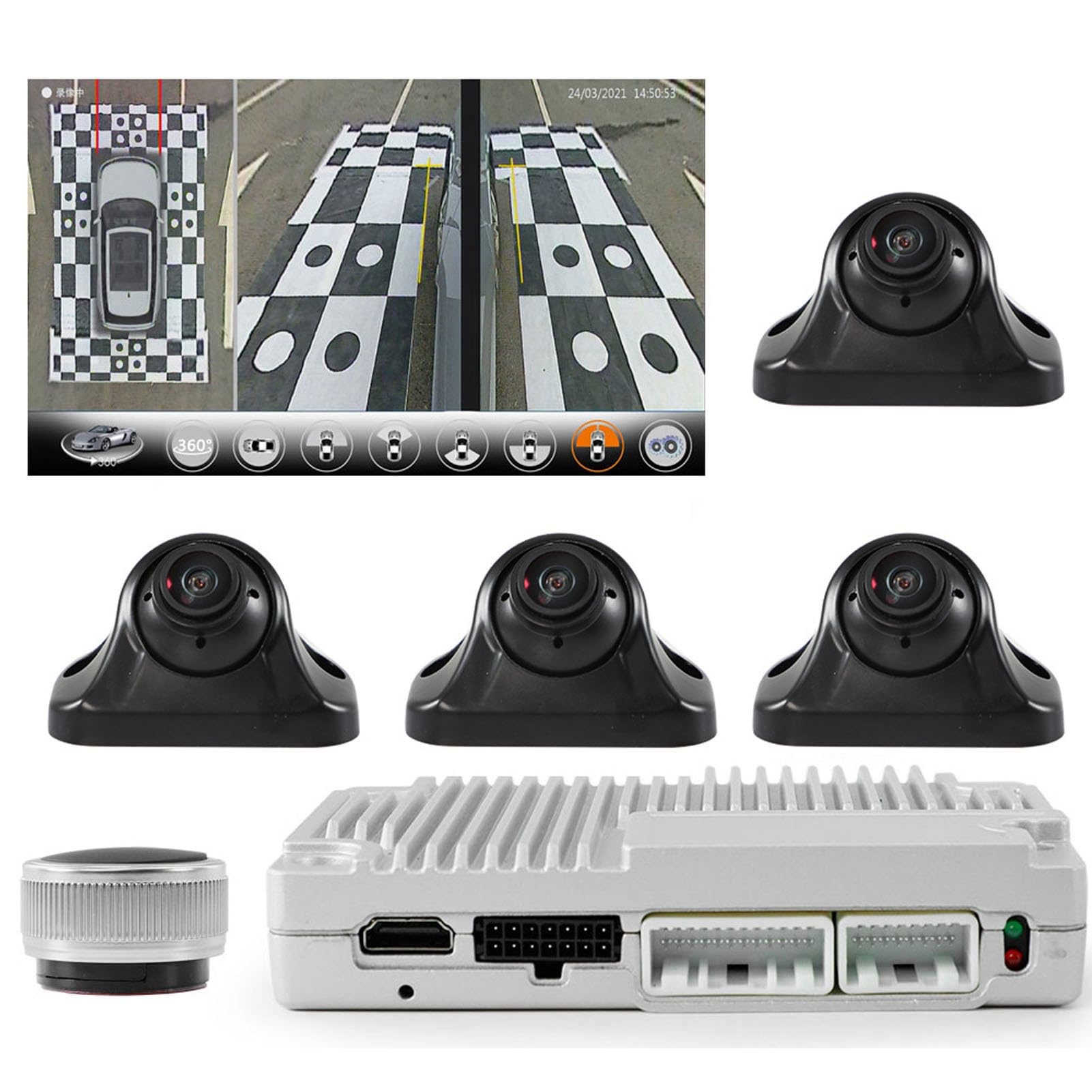
- Cameras:Multiple wide-angle cameras capture images from different angles around your car.
- Image Processing Unit:This unit stitches the images from each camera to create a single, continuous overhead view.
- Display Screen:The combined image is shown on your car’s infotainment or dashboard screen.
- Sensors:Some systems use sensors to enhance image accuracy and detect obstacles.
Imagine how difficult parking can be without these components working in sync. Have you ever tried parallel parking without a clear view of your surroundings? This system solves that problem instantly.
Camera Placement On Vehicles
The placement of cameras is crucial for creating an accurate birds eye view.
- Front Camera:Usually placed near the grille or bumper to capture the front view.
- Rear Camera:Mounted near the license plate or rear bumper for the back view.
- Side Cameras:Positioned under side mirrors or on the doors to cover blind spots on both sides.
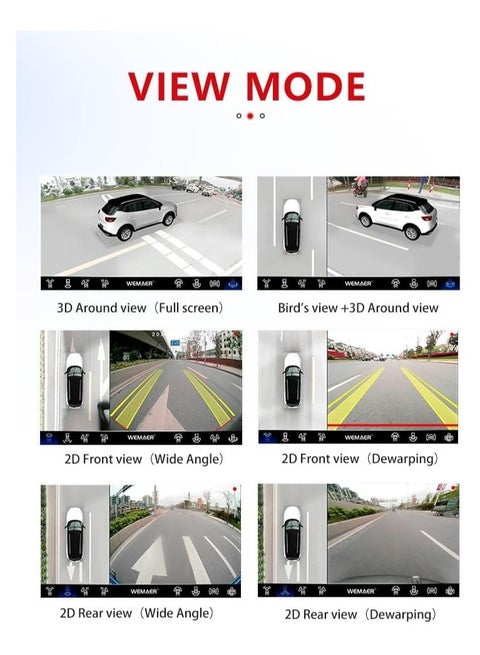
By covering all sides, these cameras collect overlapping images that are then stitched together. This setup allows you to see your entire vehicle’s perimeter as if looking from above. Have you noticed how this layout helps prevent those unexpected bumps and scrapes in tight spots?
Credit: www.greensafaris.com
Image Stitching Technology
Image stitching technology is the core magic behind Birds Eye View cameras on cars. It transforms multiple camera feeds into one seamless top-down view, giving you a complete picture around your vehicle. This technology helps eliminate blind spots and makes parking or maneuvering in tight spaces much easier.
How Cameras Combine Views
Each camera around your car captures a different angle — front, rear, and sides. These cameras send their video feeds to a central system that aligns and merges them. The challenge is to overlap the edges perfectly so the final image looks natural without visible breaks or distortions.
Imagine lining up puzzle pieces, but these pieces are dynamic and may shift slightly as your car moves. The system adjusts in real-time to keep the stitched image accurate, even on uneven ground or during turns. This combination creates a single, clear bird’s-eye perspective.
Software Algorithms Involved
The stitching relies heavily on advanced software algorithms. These programs detect common features in overlapping camera views and match them precisely. They correct lens distortion and differences in lighting to blend images smoothly.
One key algorithm is feature matching, which finds points like edges or corners that appear in multiple cameras. Another is warping, which reshapes images so they fit together without gaps. The software also constantly recalibrates to maintain accuracy as conditions change.
Have you ever noticed how the stitched image updates instantly when you turn the steering wheel? That’s the software working behind the scenes, helping you see exactly what’s around your car at every moment.
Real-time Processing
Real-time processing is the heartbeat of birds eye view cameras on cars. It ensures you get a seamless, up-to-the-second visual of your vehicle’s surroundings. Without it, the images would be delayed, making the system less reliable and potentially dangerous when navigating tight spots.
Data Transmission And Latency
The cameras around your car capture multiple angles simultaneously. These images are sent instantly to a central processing unit through high-speed data connections. The key challenge here is latency—the delay between capturing the image and displaying it.
Low latency is crucial. Even a fraction of a second delay can confuse drivers or cause misjudgments. To reduce latency, manufacturers use advanced compression techniques and wired connections like CAN bus or Ethernet instead of slower wireless methods.
Think about a time when you tried using a video call with poor internet—there’s always that awkward lag. Now imagine driving with that same delay. That’s why car systems prioritize fast data transmission to keep everything smooth and safe.
Display On Car Screens
Once processed, the stitched-together image appears on your car’s dashboard screen or infotainment system. The display updates in real-time, showing a 360-degree view that helps you spot obstacles, pedestrians, or tight parking spaces instantly.
Many cars offer options to zoom in or switch perspectives, giving you control over what you see. The screens use high resolution and brightness to ensure clarity, even under bright sunlight or nighttime conditions.
Have you noticed how quickly your car’s display reacts when you turn the steering wheel? This responsiveness is part of real-time processing, helping you make split-second decisions while parking or maneuvering.
Benefits For Drivers
Birds Eye View cameras on cars provide significant benefits for drivers. These cameras offer a comprehensive view, enhancing driving experiences and ensuring safety. Let’s explore the key benefits these systems provide.
Enhanced Parking Assistance
Parking becomes less stressful with Birds Eye View cameras. Drivers get a full view of their car’s surroundings. This helps in avoiding obstacles and tight spots. Parking in crowded places becomes easier and safer. The camera guides you with clear visuals, reducing the chance of errors.
Improved Safety Measures
Birds Eye View cameras boost safety by preventing accidents. They show hidden spots that mirrors might miss. This extra visibility helps in spotting pedestrians and other vehicles. Drivers can react quickly to unexpected situations. The camera’s wide view ensures better judgment during lane changes and turns.
Limitations And Challenges
Birds eye view cameras provide a remarkable advantage in parking and maneuvering your vehicle. Yet, they aren’t without their limitations and challenges. Understanding these can help you make better use of the system and avoid surprises on the road.
Weather And Lighting Effects
Weather conditions play a significant role in how well birds eye view cameras perform. Rain, snow, or fog can obscure the camera lenses, making the image blurry or even unusable. Have you ever tried backing up during a heavy downpour and noticed the screen turning into a smear of colors?
Lighting is another critical factor. Bright sunlight can create glare, while low light or nighttime can reduce visibility. Sometimes, shadows or reflections confuse the camera system, leading to distorted images. You might find yourself relying more on your mirrors and instincts than the camera feed in these situations.
Maintenance And Calibration Needs
Keeping birds eye view cameras in top shape requires regular maintenance. Dirt, dust, and road grime can accumulate on the lenses, reducing clarity. A quick wipe before driving can make a surprising difference in image quality.
Calibration is also essential. If the cameras are bumped or the vehicle undergoes repairs, the system may need recalibration to ensure accurate stitching of images. Have you noticed the image looking off-center or misaligned? That’s a clear sign it’s time for a check-up.
Ignoring these needs can lead to unreliable visuals, which could be dangerous when navigating tight spaces. Would you trust a system that shows distorted views when parking in a crowded lot?
Future Developments
The future of birds eye view cameras in cars looks promising. These systems will become smarter and more useful for drivers. New technology will enhance safety and convenience on the road.
Integration With Autonomous Systems
Birds eye view cameras will work closely with self-driving car systems. They will help cars understand their surroundings better. This allows the vehicle to make safer decisions during parking and driving. Cameras will provide real-time 360-degree views to autonomous controls. This improves obstacle detection and route planning.
Advancements In Camera Technology
Camera sensors will become sharper and more sensitive. This means clearer images even in low light or bad weather. New lenses will reduce distortion and increase the field of view. Image processing will be faster, giving instant feedback to drivers. Future cameras might also include night vision and thermal imaging for extra safety.
Credit: www.amazon.com.be
Frequently Asked Questions
What Is A Birds Eye View Camera On Cars?
A birds eye view camera provides a 360-degree overhead image of a car. It helps drivers see surroundings clearly. Multiple cameras around the vehicle capture images, which the system stitches together. This improves parking and maneuvering safety.
How Do Birds Eye View Cameras Improve Parking?
Birds eye view cameras show a complete top-down view of the vehicle. This eliminates blind spots around the car. Drivers can park with precision, avoiding obstacles. The system guides smoother and safer parking in tight spaces.
Are Birds Eye View Cameras Standard In All Cars?
No, birds eye view cameras are mostly available in mid to high-end cars. Some manufacturers offer them as optional upgrades. They are becoming more common due to increased safety and convenience features.
Do Birds Eye View Cameras Work In Low Light?
Yes, most birds eye view cameras use infrared or enhanced sensors. These technologies improve visibility in low light or nighttime. This ensures the system works effectively in various lighting conditions.
Conclusion
Birds eye view cameras help drivers see all around their cars. These cameras use multiple lenses to create a full view. They make parking and tight turns much easier. Drivers can avoid obstacles and stay safer on the road. This technology blends images for a clear, simple picture.
It supports better decision-making while driving. Understanding how these cameras work helps you use them well. They bring more confidence to everyday driving tasks. Simple, smart, and useful—birds eye view cameras add real value.




