
Are you ready to capture stunning photos of birds in flight or perched in nature? Choosing the right camera can make all the difference between blurry shots and breathtaking images.
But with so many options out there, how do you find the perfect one for your bird photography needs? In this guide, you’ll discover exactly what to look for in a camera that helps you freeze those magical moments with sharpness and clarity.
Keep reading, and soon you’ll know which camera fits your style and budget perfectly.
Key Features For Bird Photography
Choosing the right camera for bird photography means focusing on key features. These features affect image quality and your success in capturing fast, small birds. Understanding these features helps you select a camera that meets your needs.
Sensor Size And Resolution
A larger sensor captures more light and detail. Full-frame sensors give better image quality, especially in low light. High resolution helps crop photos without losing sharpness. It is useful when birds appear small in the frame.
Autofocus Speed And Accuracy
Birds move quickly and unpredictably. A fast autofocus system tracks moving subjects well. Accuracy ensures the bird stays sharp, not the background. Look for cameras with multiple autofocus points and tracking modes.
Lens Compatibility
Long lenses are essential to photograph distant birds. Check if your camera supports telephoto lenses easily. A good camera works well with a variety of lenses. This offers flexibility for different bird types and distances.
Image Stabilization
Bird photography often uses long lenses or handheld shots. Image stabilization reduces blur from shaky hands. This feature helps capture sharp images without a tripod. In-body stabilization works with any lens, increasing stability.
Weather Sealing
Birds live in many environments, including rain and wind. A weather-sealed camera resists dust, moisture, and cold. This durability allows shooting in tough conditions. It protects your gear and extends its lifespan.
Best Cameras For Beginners
Choosing the right camera is key for beginners in bird photography. The camera should be easy to use and deliver good image quality. It must handle fast-moving birds and work well in different lighting. Cameras that balance price, features, and simplicity fit best. The following sections highlight great beginner cameras.
Affordable Dslrs
DSLR cameras are reliable and offer good zoom options. They have optical viewfinders, which help in tracking birds quickly. Many affordable DSLR models come with beginner-friendly menus. These cameras often have long battery life, perfect for outdoor shoots.
- Easy to hold and operate
- Good autofocus for moving birds
- Compatible with many lenses
- Durable and weather-resistant bodies
Examples include cameras like the Nikon D3500 and Canon EOS Rebel series. These models offer solid performance without a high price tag. They provide clear images and fast response, ideal for learning bird photography basics.
User-friendly Mirrorless Options
Mirrorless cameras are lighter and more compact than DSLRs. They provide digital viewfinders that show the photo before taking it. Many beginner mirrorless cameras have simple controls and touchscreen menus.
- Compact and easy to carry
- Fast autofocus with face and eye detection
- Silent shooting modes to avoid startling birds
- Good video capabilities for bird behavior
Popular beginner mirrorless cameras include the Sony Alpha a6100 and Fujifilm X-T200. These cameras offer good image quality and fast shooting speeds. They are ideal for beginners wanting a lightweight, easy-to-use option.
Top Cameras For Enthusiasts
Choosing the right camera is crucial for bird photography enthusiasts who want to capture sharp, detailed images of fast-moving subjects. The ideal camera combines speed, precision, and reliability to keep up with the unpredictable nature of birds. Here, we’ll focus on cameras that offer features tailored to your passion, helping you make an informed choice that suits your style and budget.
High-speed Performance
Birds rarely hold still, so your camera needs to keep pace with rapid movements. Look for cameras with a high frames-per-second (fps) rate—typically 10 fps or more—which allows you to capture a series of shots quickly. This increases your chances of getting the perfect wingbeat or an interesting pose.
Consider models like the Sony Alpha a9 II or Canon EOS-1D X Mark III. Both deliver impressive burst speeds combined with excellent image quality. You’ll appreciate how these cameras handle continuous shooting without lag, especially during those fleeting moments.
Advanced Autofocus Systems
Accurate autofocus is essential in bird photography because birds often move unpredictably and can blend into complex backgrounds. Cameras equipped with advanced autofocus systems can track subjects with remarkable precision.
Look for features like eye-detection autofocus and multiple focus points spread across the frame. The Nikon Z9 and Fujifilm X-T4 excel here, offering reliable tracking even in challenging light conditions.
Ask yourself: How often do you miss shots because your camera struggles to lock focus? Investing in a camera with a top-notch autofocus system can drastically reduce those missed opportunities.

Credit: photzy.com
Professional-level Cameras
Choosing a professional-level camera for bird photography means investing in gear that can handle fast movements and capture fine details. These cameras offer superior autofocus, high frame rates, and excellent image quality. If you’re serious about bird photography, these tools will help you get closer to the action and bring out the best in your shots.
Full-frame Mirrorless Cameras
Full-frame mirrorless cameras provide a great balance of speed, image quality, and portability. Their large sensors deliver sharp, detailed photos, even in low light, which is crucial during early mornings or late evenings when birds are most active.
Models like the Sony A7 IV and Canon EOS R5 stand out for their fast autofocus systems and high burst rates. These features let you track fast-moving birds and capture a series of images in quick succession, increasing your chances of the perfect shot.
Have you noticed how some bird images seem almost lifelike? That often comes down to the camera’s sensor and processing power. Full-frame mirrorless cameras excel here, giving your photos that extra punch.
Telephoto Lens Recommendations
A powerful telephoto lens is essential to get close to birds without disturbing them. Look for lenses with focal lengths of 300mm or more to fill your frame with your subject.
- Canon RF 100-500mm f/4.5-7.1L IS USM:Lightweight and versatile, great for capturing birds in flight.
- Sony FE 200-600mm f/5.6-6.3 G OSS:Offers impressive reach and sharpness, perfect for distant or shy birds.
- Nikon NIKKOR Z 100-400mm f/4.5-5.6 VR S:Combines excellent image stabilization with sharp optics for clear, detailed shots.
Think about your shooting style—do you prefer stalking birds quietly or photographing from a distance? Your choice of lens can make a big difference. A heavier lens might offer better reach but can tire you out quickly during long outings.
Comparing Dslr And Mirrorless
Choosing between a DSLR and a mirrorless camera for bird photography can shape your entire shooting experience. Both types have unique strengths that affect how you capture those fast, fleeting moments in nature. Let’s break down the key differences to help you decide which suits your style and needs better.
Portability And Weight
Mirrorless cameras are generally lighter and more compact because they lack the mirror mechanism found in DSLRs. This makes them easier to carry on long birdwatching hikes or when you need to move quickly between spots.
DSLRs tend to be bulkier, which can feel cumbersome during extended shoots. However, their size sometimes offers better balance when using large telephoto lenses, which many bird photographers rely on.
Ask yourself: Do you prioritize a lightweight setup or a balanced rig for heavy lenses? Your answer can guide your choice here.
Battery Life
DSLRs often have superior battery life since they don’t rely as much on electronic viewfinders or screens. This means you can shoot longer sessions without worrying about finding a charging point.
Mirrorless cameras, while improving, generally consume more power due to their digital displays and EVFs. Carrying extra batteries becomes essential if you choose mirrorless for bird photography.
Consider your typical shooting day—are you out for a few hours or an entire day? Battery life can impact how prepared you feel in the field.
Viewfinder Experience
DSLRs use optical viewfinders (OVF) that show you the scene directly through the lens. This offers a clear, lag-free view that some photographers swear by for tracking birds in fast motion.
Mirrorless cameras use electronic viewfinders (EVF) that display a digital preview. This can show exposure and focus adjustments in real-time, which can be a big help when conditions change quickly.
If you’ve tried both, which viewfinder feels more natural when following quick bird movements? Your comfort here can affect your shooting success.
Credit: shreyas-yadav.com
Budget-friendly Alternatives
Bird photography can be expensive, but good options exist for tight budgets. Budget-friendly cameras offer decent features for capturing birds without high costs. Choosing the right alternative helps beginners and hobbyists enjoy bird photography without overspending.
Used And Refurbished Models
Used cameras provide great value for bird photography. Many photographers sell older models that still perform well. Refurbished cameras have been checked and repaired by experts. These models often come with a warranty. Buying used or refurbished lowers cost while keeping quality.
Look for cameras with good autofocus and zoom capabilities. Check shutter speed and sensor size too. Buying from trusted sellers ensures a reliable product. This option suits those who want better specs but need to save money.
Entry-level Superzooms
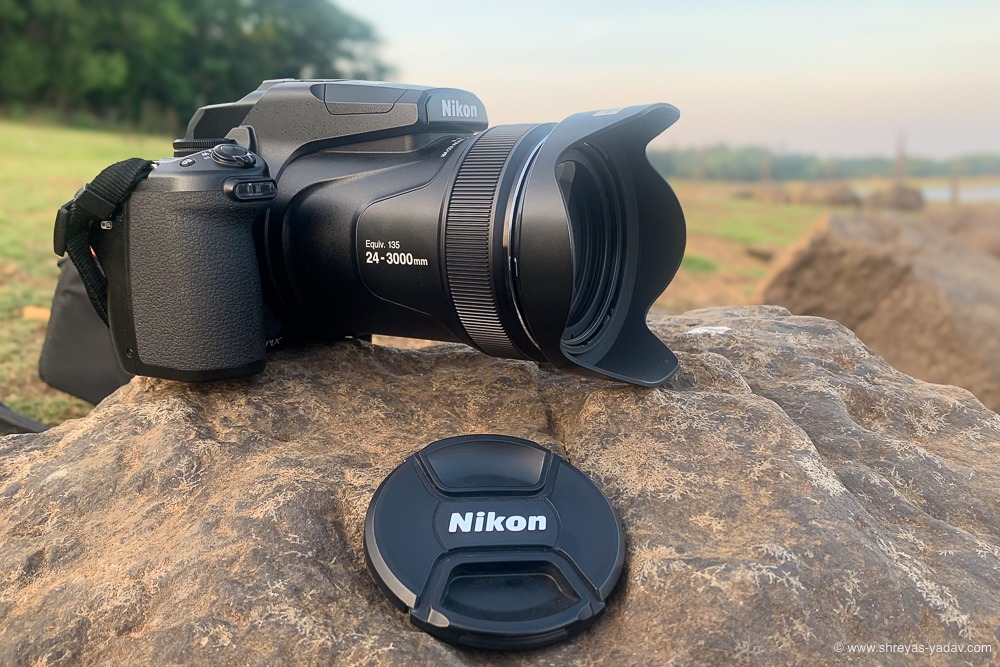
Entry-level superzoom cameras combine long zoom lenses and easy controls. These cameras have built-in lenses with high zoom ranges. They allow capturing birds from far distances without extra gear. Superzooms are lightweight and simple to use.
These models are affordable and perfect for beginners. They often include image stabilization to reduce blur. Zoom ranges can reach 300mm or more, enough for many bird photography situations. Superzooms offer a quick start into bird photography at a lower price.
Essential Accessories
Choosing the right camera is vital for capturing birds in their natural habitat. A DSLR or mirrorless camera with fast autofocus and good low-light performance works best. Pair it with a telephoto lens for stunning, detailed shots.
When diving into bird photography, your choice of camera is just the beginning. To truly capture breathtaking avian moments, having the right accessories is crucial. These tools can make a significant difference in the quality of your shots and the ease with which you take them. Let’s explore the essential accessories that will elevate your bird photography experience.Tripods And Monopods
A stable base is essential for sharp images, especially when zooming in on distant subjects. Tripods provide sturdy support, enabling you to focus on framing and composition. Look for lightweight, portable options that won’t weigh you down during long hikes. Monopods, on the other hand, offer flexibility and mobility. They are perfect for quick adjustments and are easier to carry when you’re on the move. Consider one with adjustable height for diverse shooting angles.External Flashes
Lighting can be unpredictable in natural settings. An external flash helps illuminate your subject without scaring it away. It enhances details in low-light conditions and adds depth to your photos. Choose a flash with adjustable power settings for versatility. A flash extender can also be useful, directing the light further to reach your subject. Have you ever missed a perfect shot due to poor lighting? An external flash might be the solution you need.Memory Cards And Storage
Bird photography often involves continuous shooting to capture that perfect moment. Ensure you have high-speed memory cards to handle rapid shots. Opt for cards with ample storage to avoid running out of space during critical times. Consider carrying multiple cards to swap out when one fills up. Additionally, portable storage devices are handy for backing up your images on the go. This ensures your precious captures are safe, even if a card fails. Is your current storage solution adequate for an entire day of shooting? It’s worth evaluating to keep your focus on capturing stunning images, not on storage limits.
Credit: www.thephoblographer.com
Tips For Choosing The Right Camera
Choosing the right camera for bird photography is important. It affects the quality of your photos and your overall experience. Knowing what to look for helps you make a smart choice. Here are some tips to guide you through the process.
Assessing Your Photography Goals
Think about what kind of bird photos you want to take. Do you want close-up shots or wide scenes? Are you shooting fast-moving birds or still ones? Your goals help decide the camera features you need. For example, a fast autofocus system is good for action shots. High resolution helps capture fine details in close-ups.
Testing Cameras In Real Conditions
Try cameras outside in nature before buying. Test how they handle different light and weather. Check the camera’s weight and how comfortable it feels to hold. See how easy it is to use the controls quickly. Testing helps find a camera that fits your style and needs.
Considering Future Upgrades
Think about your long-term plans in bird photography. Choose a camera system that allows upgrades. Look for options like better lenses or accessories. A system with room to grow saves money and effort later. It also keeps your gear current as you improve.
Frequently Asked Questions
What Camera Features Are Best For Bird Photography?
For bird photography, prioritize fast autofocus, high frame rates, and good low-light performance. A telephoto lens with image stabilization is essential for capturing distant, fast-moving birds sharply.
Is A Dslr Or Mirrorless Camera Better For Birds?
Mirrorless cameras offer faster autofocus and lighter bodies, ideal for birding. DSLRs provide longer battery life and optical viewfinders, preferred by some professionals. Both work well depending on your budget and preference.
How Important Is Lens Choice In Bird Photography?
Lens choice is crucial. A telephoto lens of at least 300mm lets you capture detailed bird images from a distance without disturbing them. Image stabilization and wide aperture improve sharpness and light intake.
Can I Use A Smartphone For Bird Photography?
Smartphones can capture birds but are limited by zoom and autofocus speed. For serious bird photography, dedicated cameras with telephoto lenses provide better image quality and control.
Conclusion
Choosing the right camera for bird photography takes time and thought. Focus on features like zoom, speed, and image quality. Think about your budget and how often you will use it. Try to handle cameras before buying if possible. Remember, practice and patience help you take better bird photos.
Enjoy the process and keep exploring different options. Your perfect camera is out there waiting for you. Keep shooting and have fun capturing nature’s beauty.




