
If you’ve found a baby bird and want to help it grow strong, knowing what to feed it is crucial. Feeding a baby bird the wrong food can harm it or slow its growth.
But don’t worry—this guide will show you exactly what your baby bird needs to thrive. By the end, you’ll feel confident and ready to give your little feathered friend the best start in life. Keep reading to discover simple, effective tips that can make all the difference.

Credit: swibirds.org
Choosing The Right Food
Choosing the right food for a baby bird is crucial for its growth and health. Baby birds need special nutrients that help them develop strong bones, feathers, and muscles. Feeding the wrong food can cause illness or even death. Understanding what to feed is the first step to care for a baby bird properly.
Types Of Baby Bird Food
Different baby birds need different foods based on their species and age. Here are common types of baby bird food:
- Commercial baby bird formula:Specially made to provide balanced nutrition. Easy to prepare and digest.
- Soft fruits and vegetables:Mashed banana, apple, or peas work well for many species. These provide vitamins and moisture.
- Insects and protein sources:Mealworms, crickets, or boiled eggs offer essential protein for growth.
- Soaked seeds or grains:Seeds softened in water are easier to swallow and digest.
Avoiding Harmful Foods
Some foods can harm baby birds and must be avoided at all costs. Do not feed:
- Avocado, chocolate, caffeine, or alcohol
- Salty, sugary, or spicy foods
- Raw beans or potato sprouts
- Any food with mold or bacteria
These foods can cause poisoning, digestive problems, or death. Always provide fresh, clean food and water.
Feeding Schedule
Creating a proper feeding schedule is vital for a baby bird’s growth. It ensures the bird gets enough nutrients and energy. Feeding too little or too much can harm its health. A careful balance supports its development and well-being.
Frequency By Age
- Newborns (0-1 week): Feed every 15-20 minutes from dawn to dusk.
- 1-2 weeks: Feed every 20-30 minutes during daylight hours.
- 2-3 weeks: Feed every 30-45 minutes, gradually reducing frequency.
- 3-4 weeks: Feed every 45-60 minutes, with fewer feedings at night.
- 4 weeks and older: Feed 4-6 times daily as the bird starts self-feeding.
Portion Sizes
Portion size depends on the bird’s age and size. Start with small amounts to avoid overfeeding. Watch the crop to see if it is full but not stretched.
| Age | Portion Size |
|---|---|
| 0-1 week | Small drops, about 0.1-0.2 ml per feeding |
| 1-2 weeks | 0.2-0.5 ml per feeding |
| 2-3 weeks | 0.5-1 ml per feeding |
| 3-4 weeks | 1-2 ml per feeding |
| 4+ weeks | 2-3 ml per feeding, adjusted as bird grows |
Feeding Techniques
Feeding a baby bird requires more than just offering the right food; the way you feed them plays a crucial role in their growth and trust-building. The techniques you use can affect how well the bird accepts food and how comfortable it feels during feeding. Let’s explore practical ways you can approach feeding to make this process smoother for both you and the baby bird.
Hand-feeding Tips
Hand-feeding a baby bird is about patience and gentle care. Always ensure your hands are clean and warm before feeding to prevent shock or infection.
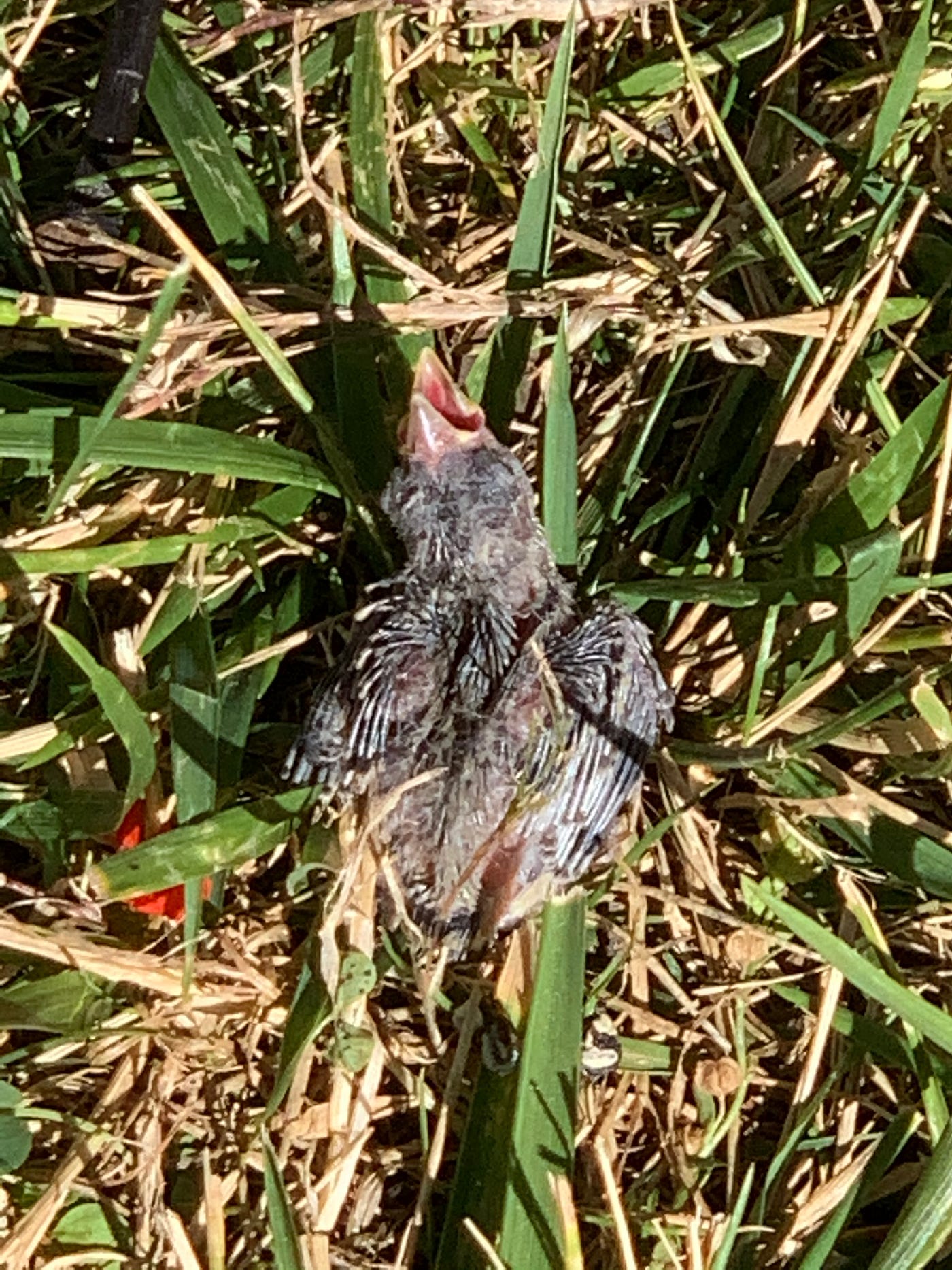
Hold the bird securely but gently, supporting its body without squeezing. Offer small amounts of food at a time to avoid choking. You’ll notice the bird’s natural instinct to open its beak wide when it’s hungry — use this cue to time your feeding.
Try to mimic the natural feeding rhythm by pausing between bites, allowing the bird to swallow comfortably. If the baby bird resists, don’t force it; take a break and try again later. Have you ever noticed how some birds become calmer when you softly talk to them during feeding?
Using Feeding Tools
Feeding tools like syringes, spoons, or tweezers can help deliver food safely and precisely. A syringe with a soft tip is ideal for liquid or semi-liquid food, giving you control over the quantity and flow.
When using a spoon or tweezers, choose one with a smooth edge to avoid injuring the delicate mouth of the baby bird. Gently place the food near the bird’s beak and let it take the food at its own pace.
Always clean your feeding tools thoroughly after each use to prevent bacteria buildup. Have you tried using different tools to find what works best with your particular baby bird? Sometimes, a small change in technique can make feeding less stressful for both of you.
Supplements For Growth
Baby birds need soft, easy-to-digest food for healthy growth. Supplements like protein-rich powders and vitamins support their development and energy. Feeding the right nutrients helps baby birds grow strong and active.
When raising a baby bird, its nutrition is key to healthy growth. Sometimes, regular food may not provide all the nutrients required. This is where supplements come in. They can give the extra boost needed for proper development. Let’s explore the types of supplements that can aid a baby bird’s growth.Vitamins And Minerals
Vitamins and minerals play a vital role. They support bone development, feather formation, and energy levels. Essential vitamins like A, D, and E are crucial. Vitamin A ensures good vision and immune health. Vitamin D helps with calcium absorption for strong bones. Vitamin E supports muscle health and growth. Minerals like calcium and phosphorus are also important. They aid in bone strength and overall development. A balanced intake ensures the baby bird grows strong and healthy.When To Use Supplements
Use supplements when the bird’s diet lacks nutrients. Signs of deficiency include poor feather quality or weak bones. Introduce supplements gradually and monitor the bird’s response. Consult a vet for guidance on dosage and types. Be cautious not to over-supplement. Too many can harm the bird. Always aim for a balanced diet with occasional supplements. This will promote optimal growth and health.Signs Of Proper Nutrition
Recognizing the signs of proper nutrition in baby birds is essential to ensure they grow strong and healthy. It’s not always easy to tell if your little feathered friend is getting the right nutrients just by looking. However, there are clear signals that can guide you to adjust their diet if needed.
Healthy Weight Gain
One of the most straightforward signs of proper nutrition is steady and healthy weight gain. Baby birds should gradually become plumper without sudden spikes or drops in weight.
You can track your bird’s weight using a small scale daily or every few days. If the weight remains constant or decreases, it’s a red flag that the diet might be lacking essential nutrients or calories.
Think about how your baby bird looks compared to others of the same age. Are the wings, legs, and body developing proportionally? If not, adjusting the food to include more protein or fat might be necessary.
Active Behavior
Active behavior is another reliable indicator of proper nutrition. A well-fed baby bird will be alert, responsive, and eager to interact or explore its surroundings.
You might notice your baby bird chirping loudly or flapping its wings frequently. On the other hand, a lethargic or quiet bird could be struggling with insufficient nourishment.
Ask yourself: Does your bird respond quickly when you approach or offer food? If the answer is yes, it’s likely receiving the nutrients it needs to thrive.
Credit: medium.com
Common Feeding Mistakes
Feeding a baby bird can be tricky, and making mistakes is easy if you’re not careful. These errors can harm the bird’s health and slow down its growth. Understanding common feeding mistakes helps you avoid unnecessary risks and ensures your feathered friend thrives.
Overfeeding Risks
It might seem like giving more food is better, but overfeeding a baby bird can cause serious problems. Excess food can lead to obesity and digestive issues, and in some cases, it may cause the bird to choke or develop crop infections.
Watch for signs such as a swollen crop or refusal to eat, which indicate overfeeding. Have you noticed your baby bird becoming too full or sluggish after feeding? These are red flags that you need to adjust portion sizes.
Feeding smaller, frequent meals often works better than large amounts at once. This approach supports healthy digestion and keeps the bird comfortable.
Incorrect Food Preparation
How you prepare the food is just as important as what you feed your baby bird. Food that’s too cold, too hot, or the wrong texture can cause serious harm or even be fatal.
For example, mixing formula incorrectly or feeding food that is too chunky can cause choking or digestive distress. Always check the temperature and consistency before feeding. If the food sticks to the beak or throat, it’s a sign it’s not prepared properly.
Have you ever tried feeding a baby bird without softening dry food? It’s a common mistake that can lead to dehydration or choking. Always soak or mash food to the right softness to keep your baby bird safe and happy.
Transitioning To Solid Foods
Transitioning a baby bird from a milk or formula diet to solid foods is a critical phase in its growth. This change requires patience and close attention to the bird’s behavior and health. You need to introduce solids gradually to help your baby bird adapt without stress or nutritional gaps.
When To Start
Look for signs that your baby bird is ready to try solid foods. These signs include a decrease in begging for formula and showing interest in food you offer. Usually, this transition begins around 3 to 4 weeks of age, but it can vary depending on the species.
If your baby bird eagerly reaches for food or mimics eating motions, it’s a strong indicator to start. However, never rush this process—forcing solids too early can harm your bird’s digestion and appetite.
Best Solid Food Options
Choose foods that are easy to digest and closely mimic what the bird would eat in the wild. Soft, finely chopped fruits like bananas or apples are excellent starters. You can also offer soaked pellets or small amounts of cooked rice.
- Soft fruits (banana, apple, pear)
- Soaked pellets or seeds
- Cooked grains like rice or oats
- Boiled vegetables such as carrots or peas, mashed to a soft texture
Remember to avoid anything too hard or large, which can be a choking hazard. Always monitor your bird during feeding and adjust the texture based on its comfort level.
Have you noticed your baby bird’s preferences change as you introduce new foods? Observing and responding to these shifts will help you provide the best diet during this delicate stage.

Credit: www.discovermagazine.com
Frequently Asked Questions
What Is The Best Food For A Baby Bird?
The best food for a baby bird depends on its species. Generally, soft, protein-rich foods like soaked dog kibble, boiled eggs, or specialized bird formula work well. Avoid bread or milk as they can harm the bird’s health.
How Often Should I Feed A Baby Bird?
Feed a baby bird every 15 to 20 minutes from sunrise to sunset. Young birds require frequent feeding to support rapid growth and energy needs. Adjust feeding frequency as the bird grows older.
Can I Feed Baby Birds With Milk Or Bread?
No, avoid feeding baby birds milk or bread. Milk can cause digestive issues, and bread lacks necessary nutrients. Stick to protein-rich, soft foods or commercial baby bird formulas for safe feeding.
When Can Baby Birds Start Eating Solid Food?
Baby birds can start eating solid food around 2 to 3 weeks old. Begin by offering soft, small pieces of fruits, insects, or seeds. Gradually introduce more variety as they grow and develop stronger beaks.
Conclusion
Feeding a baby bird takes care and attention. Choose soft, nutritious foods like insects or soaked seeds. Avoid giving bread or milk, as they harm the bird. Feed small amounts often to match its tiny stomach. Watch the baby bird’s reactions to know what it likes.
Clean feeding tools to keep germs away. Patience helps the bird grow healthy and strong. Proper feeding supports its natural development and chances of survival. Helping a baby bird thrive feels rewarding and important. Keep learning and caring with love and kindness.




